








Introduction:SOE (Single Origin Espresso) is an espresso format that has garnered significant attention in the specialty coffee scene in recent years. Made from single-origin coffee beans, it showcases unique regional flavors. This article delves into the definition of SOE, its differences from common blends, and explores its performance variations in both pour over and espresso extraction. It also provides practical advice on roasting and grinding, and introduces two specialty coffee beans well-suited for SOE, helping readers gain a more comprehensive understanding of this distinctive and flavorful espresso type.
For many coffee enthusiasts, espresso is a staple in their daily routine, but have you heard of SOE (Single Origin Espresso)? This type of espresso, made from single-origin beans, is gradually making its mark in the specialty coffee market. Compared to traditional blends, SOE not only presents notably different flavor profiles, but its roasting and extraction methods also pose greater challenges. This article will provide a detailed analysis of the definition of SOE, its relationship with single-origin pour over beans and blends, and offer practical suggestions to help you better understand how to use these beans—whether for making an espresso or a pour over.
What is SOE?Simply put, SOE is espresso extracted from specialty coffee beans sourced from a single origin or region. These beans are typically of higher quality and possess distinct flavor characteristics. Unlike commercial blends that aim for balanced flavors, SOE highlights the unique traits of its origin. For instance, coffee from the Yirgacheffe region often exhibits bright citrus and floral notes. When used as an SOE, its acidity and fruity profile become even more pronounced under the high-pressure extraction of espresso. However, not all single-origin pour over beans are suitable for direct use as SOE; technical adjustments and roasting strategies are key.

Compared to common blends, SOE places greater emphasis on showcasing the "origin flavors." Blends are typically made by mixing beans from different regions and with varying flavor profiles in specific proportions, aiming for a balanced and consistent taste. For example, combining beans with high aroma and rich body can produce an espresso base ideal for lattes or cappuccinos. In contrast, SOE takes the opposite approach, aiming to make the characteristics of a single origin the star, resulting in usually sharper and potentially more challenging flavor profiles—especially when paired with milk.
In actual extraction, since most SOEs are medium to medium-light roasted, their flavor compounds are not as easily released as those of dark roasted beans. Therefore, special attention should be paid when setting extraction parameters. It’s recommended to adjust the grind size slightly finer, extend the extraction time, or slightly increase the coffee dose to improve overall extraction yield and avoid overly sharp or under-extracted flavors. Additionally, because SOEs often feature prominent acidity and fruitiness, it’s advisable to adjust the milk-to-coffee ratio when making milk drinks, so the inherent flavors of the coffee aren’t masked.
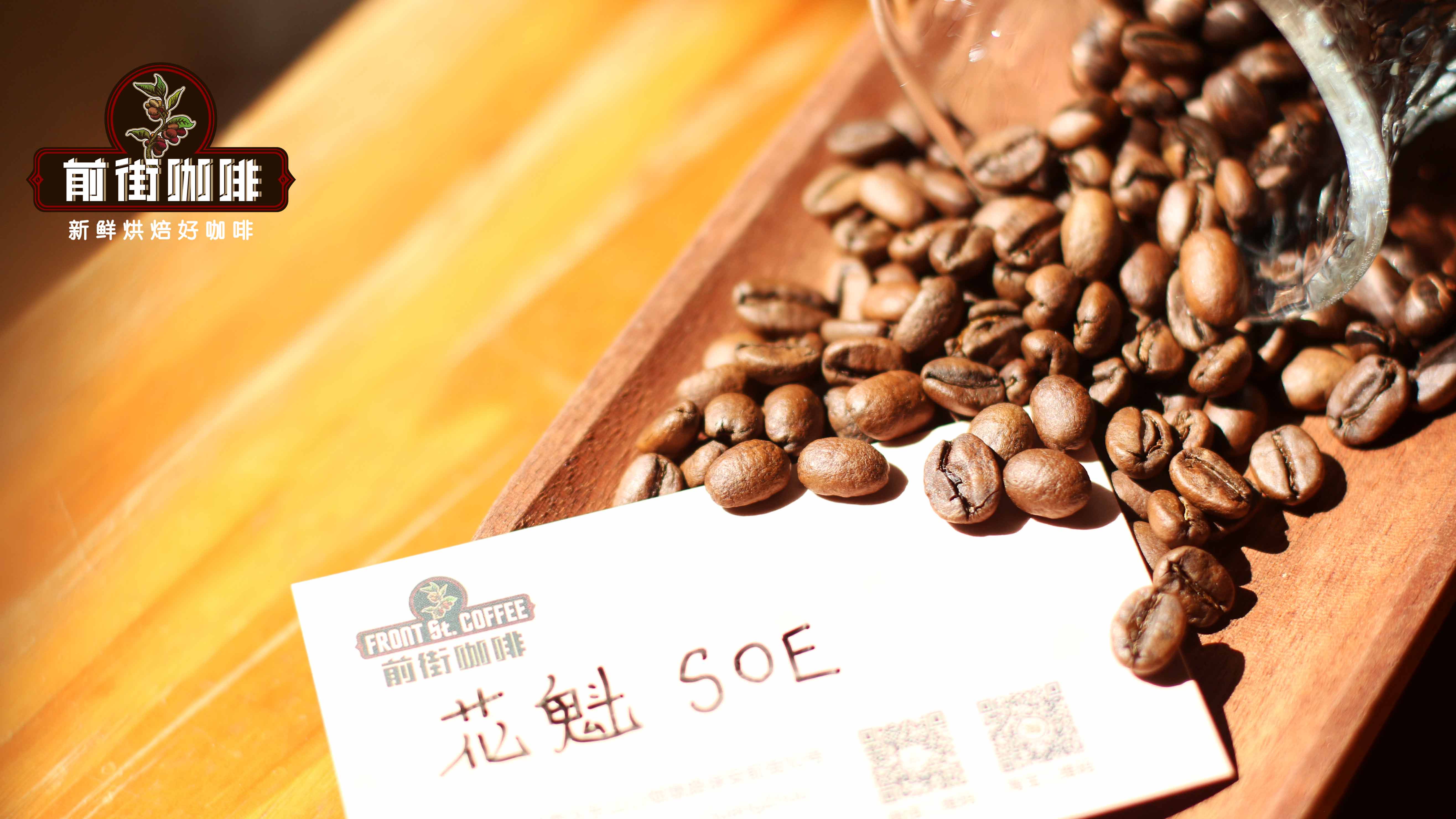
So, which coffee beans are suitable for making SOE? The primary requirement is that the bean variety must have distinct regional characteristics and good flavor expression, while the roast level should not be too dark. Overly dark roasting, although capable of delivering intense caramel and chocolate tones, can easily obscure the delicate flavors unique to the origin. Conversely, too light a roast, while preserving the original flavors, may lead to slow flow rates and uneven extraction under high-pressure espresso brewing, negatively affecting the balance of the cup.
Many coffee lovers wonder why some brands don’t include SOE as a regular menu item. One reason is that SOE is influenced by factors such as bean batch, seasonal climate, and minor roasting adjustments, leading to slight variations in flavor from batch to batch. This makes it difficult to guarantee a perfectly consistent cupping experience. For cafés aiming for stable flavor output, blends are generally the more reliable choice, as the combination of multiple beans helps average out the variables associated with a single origin.
In the world of SOE, there are still certain bean varieties widely praised for their outstanding flavor stability and regional characteristics. For example, the natural-process Red Cherry from the Yirgacheffe region in Ethiopia is a classic medium-light roasted SOE bean. Its flavor profile is dominated by berries, citrus, and black tea notes, and whether used for pour over or as an espresso base, it showcases bright acidity and rich layers. If medium roasted, it can further highlight creamy and berry aromas, making it suitable for milk-based drinks.
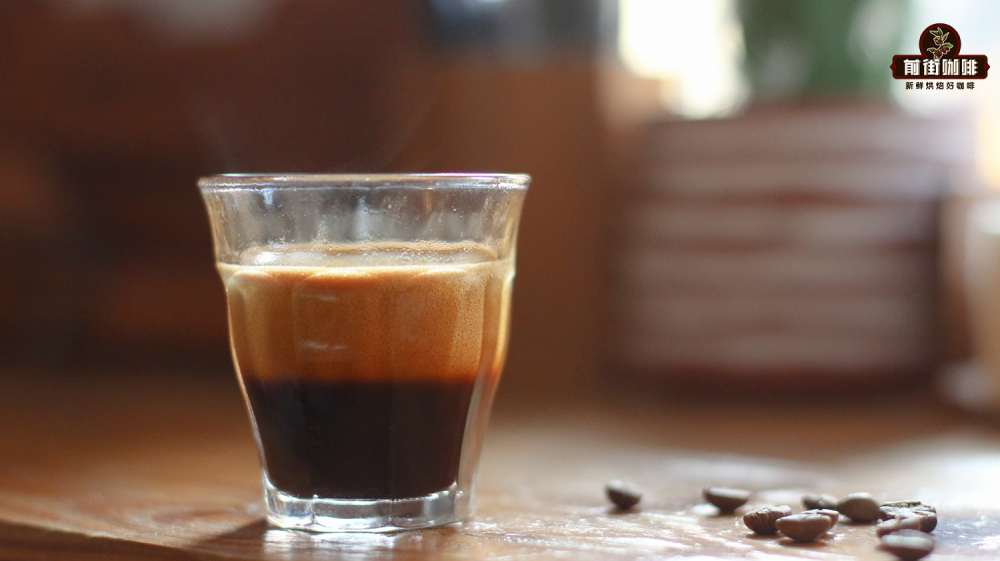
Additionally, the Gesha variety from Ethiopia is another noteworthy option. This bean is typically processed using the natural method, and with a medium-light roast, it can present tropical fruit notes such as apricot, mango, and guava—perfect for those who enjoy fruity profiles. Choosing a slightly darker medium roast can bring out more caramel sweetness and floral notes, and whether brewed via pour over or espresso, it can reveal multi-layered flavor complexity.
No matter which SOE coffee bean you choose,freshnessis the key factor influencing the final flavor expression. It is recommended to select beans roasted within five days prior to shipping and to use them within four to seven days upon arrival. This period is commonly referred to as the “resting period” for coffee, during which its flavors reach their optimal state. Furthermore, if purchasing coffee powder, be aware that once ground coffee is exposed to air, its flavors deteriorate rapidly. Therefore, whenever possible, opt for whole beans and grind them fresh before brewing to fully experience the nuanced layers of the coffee.
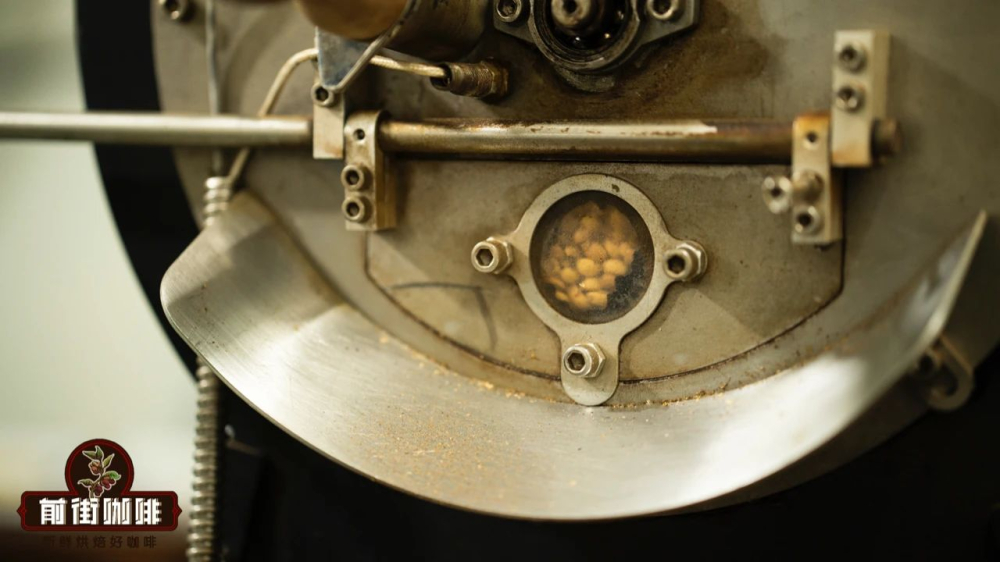
In summary, SOE coffee, with its distinct single-origin flavors and unique extraction challenges, serves as an excellent choice for specialty coffee lovers seeking to explore deeper flavor dimensions. Whether you prefer pour over or espresso, understanding its roasting characteristics and fine-tuning appropriate extraction parameters will allow you to more fully enjoy the unique experience these beans have to offer.
The above content is compiled by CoffeeHunters, a coffee news website.


