







Introduction:The Elida Estate in Panama’s Boquete region is renowned for its high altitude and meticulous processing. These sun-dried Typica coffee beans are grown at an elevation of 1,850 meters and have been nurtured through generations by the Lamastus family, showcasing intense fruity aromas and layered sweetness. This article delves into the characteristics of the region, the roasting profile, and provides practical pour-over parameters, including a recommended water temperature of 90–92°C, a coffee-to-water ratio of 1:15, and V60 three-stage pouring techniques to help you fully unlock the potential of this premium bean.
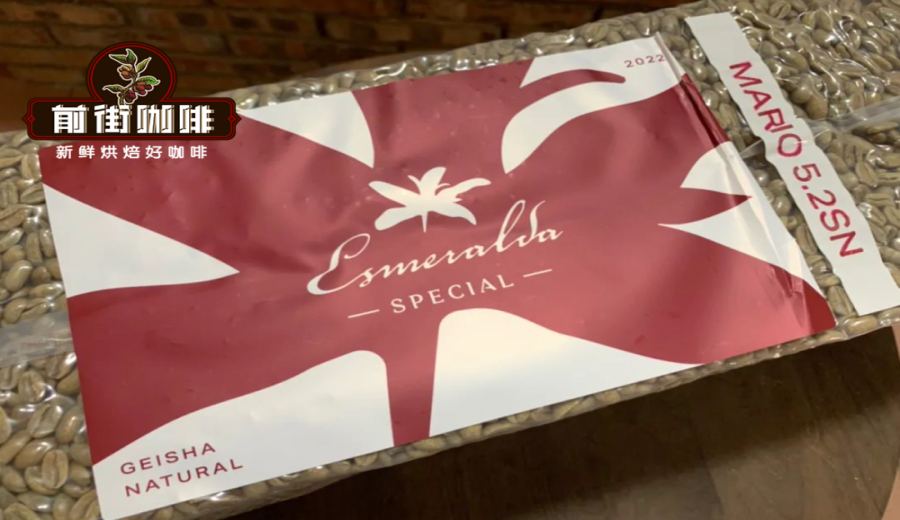
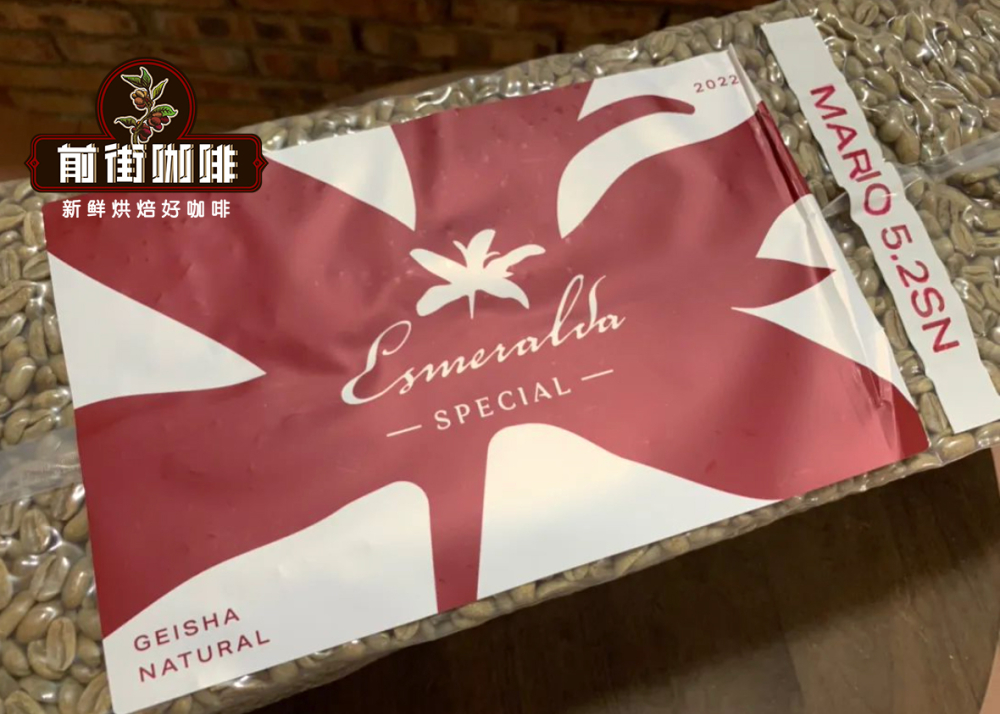
The allure of Panamanian specialty coffee is certainly not limited to the Geisha from Hacienda Esmeralda. In the Boquete region, Elida Estate, with its high-altitude cultivation and traditional craftsmanship, produces sun-dried Typica beans with rich flavor complexity. These beans, grown at 1,850 meters above sea level and managed by the Lamastus family for a century, exhibit captivating notes of peach, raisin, orange, and cane sugar. If you’re familiar with pour-over brewing, try using water heated to 90–92°C, a 1:15 coffee-to-water ratio, and the V60 dripper’s three-stage pouring method to deeply explore its flavor profile.
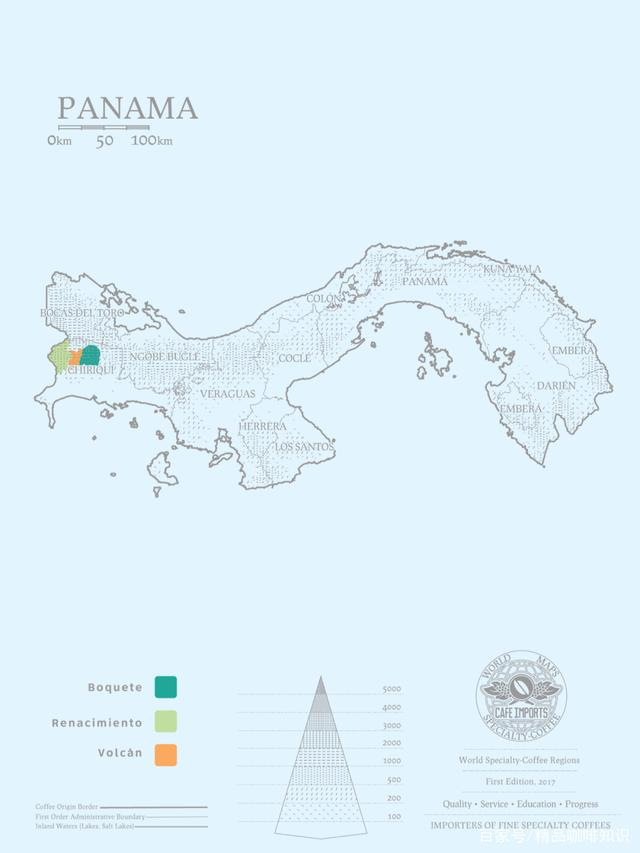
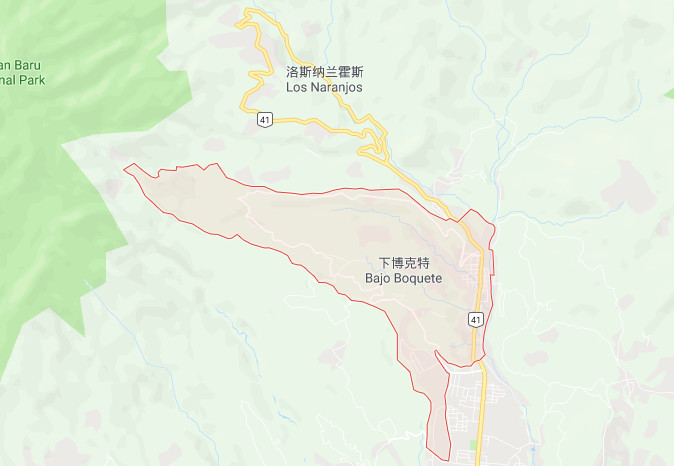
Boquete is located on the border between Panama and Costa Rica, adjacent to the Baru Volcano. This highland area is famous for its unique microclimate—cool air converges at high altitudes along the central mountain range, creating ideal temperature and rainfall conditions for coffee cultivation. The fertile, deep volcanic soil, combined with diverse microclimates, allows coffee trees here to produce high-quality fruit.
Elida Estate spans 65 hectares, over half of which lies within the boundaries of the Baru Volcano National Park, with only 30 hectares dedicated to coffee cultivation and the rest preserved as pristine forest. Coffee is grown at elevations between 1,670 and 1,850 meters, making it one of the few high-altitude estates in Panama. The cool environment slows the ripening process of coffee cherries, while the volcanic soil provides abundant nutrients. Coupled with the microclimate of Baru Volcano, Elida Estate’s coffee consistently achieves outstanding results in cupping evaluations.
The estate primarily cultivates three varieties: Catuai, Typica, and Geisha. The processing facility is located halfway up the mountain, ensuring that harvested coffee cherries enter the processing workflow promptly. The Lamastus family founded the estate in 1918 and has passed it down through four generations. They insist on handpicking only the ripest coffee cherries to maintain high pulp content and a solid sugar base. Additionally, after processing, the green beans undergo a low-temperature resting period of more than five months to allow the flavors to become more balanced and full—this is a key step promoted by George Howell in 2006 and particularly important for high-altitude beans from Panama.
Elida Estate’s sun-dried Typica is one of the oldest varieties of Arabica. Typica trees are tall with slender beans, and although their yield is relatively low, they are known for high cupping scores. This bean is roasted with a low initial charge, resulting in a smooth and gentle flavor profile. During roasting, the development time after first crack is short, so sufficient heat must be maintained to avoid underdeveloped caramelization. The roaster employs a glide operation, utilizing the residual heat of the roaster after turning off the flame to continue the roast, effectively controlling the flavor direction and preventing the emergence of astringency.
The roaster used is a Yangjia 600g semi-direct-fire machine, with an initial charge temperature set at 170°C and the damper opened to the third notch. After 30 seconds, the heat is adjusted to 140°C, with the damper remaining unchanged, and the turnaround point occurs at approximately 1 minute and 25 seconds. When the bean surface turns yellow and the grassy aroma fades (around 140°C), the heat is adjusted to 110°C and the damper increased to the fourth notch. At 8 minutes and 45 seconds, when the bean surface shows wrinkles and black speckles and the coffee aroma intensifies, attention must be paid to the first crack. At 9 minutes and 7 seconds, when first crack begins, the heat is reduced to 90°C, the damper remains at the fourth notch, and the beans are dropped at 190°C.
Cupping results show that the dry fragrance carries notes of caramel, roasted almonds, and floral scents, while the wet aroma releases jackfruit and fermented wine-like fragrances. Upon tasting, the flavors of raisin, peach, orange, melon, cane sugar, and caramel are distinctly layered, with a green tea-like finish, delivering overall high clarity.
For this flower- and fruit-forward bean, pour-over brewing is recommended. Grind size should be set to fine sugar (80% passing through a #20 sieve), using a V60 dripper, with 15 grams of coffee, water temperature controlled at 90–92°C, and a coffee-to-water ratio of about 1:15. Begin with a 30-second bloom using 30 grams of water, followed by staged pouring: first pour 120 ml of water, pause, then slowly add water up to 225 ml, following a 30–120–225 pouring pattern.
During actual tasting, the flavor profile of this Elida sun-dried Typica is clear—initially, distinct notes of peach, raisin, and orange are apparent, followed by the gradual emergence of sweet sensations from cane sugar and melon, with a refreshing finish of grapefruit and green tea. Through precise pour-over parameters and temperature control, you can more fully unlock the potential of this high-altitude premium bean.
The above content is compiled by CoffeeHunters, a coffee news website.


