







Introduction:Asian coffees are primarily characterized by their full body, low acidity, and rich flavors, encompassing diverse origins such as Indonesia's Mandheling, Yunnan’s small beans, and Papua New Guinea. This article delves into the climate, altitude, processing methods of these regions, and compares flavor differences across varieties and processing techniques to help you select the most suitable Asian coffee beans based on your brewing method.
Asian coffee has long been valued in the global market for its steady and robust flavor profile. These coffees typically exhibit pronounced sweetness and layered complexity, with relatively mild acidity. Aromatically, they lean more toward earthy, spicy, herbal, and chocolatey dark tones. From the classic Mandheling of Sumatra in Indonesia, to the small-bean varieties of China’s Yunnan, to the high-altitude specialty beans of Papua New Guinea, each region, due to differences in climate, altitude, and processing methods, has nurtured its own unique flavor spectrum.
This article will take you on a tour of three representative Asian coffee-producing regions, systematically introducing the main varieties, common processing methods, and corresponding flavor profiles of each area. It also compiles currently popular coffee bean selections to help you find the most satisfying Asian coffee experience, whether you prefer pour over or espresso.
Overall Characteristics of Asian Coffee Beans
Coffee beans from Asian producing regions, especially those from islands and peninsulas, generally feature high body and low acidity. Compared to Central and South American or African beans, Asian beans have less pronounced acidity and brightness, replaced instead by deeper notes such as woody, spicy, herbal, and earthy tones. Visually, Asian coffee beans are often round and plump, and the color of processed green beans may appear slightly darker due to semi-washed methods, but they still maintain good integrity.
Major producing regions such as Indonesia, Yunnan, and Papua New Guinea are mostly located near the equator, with tropical or subtropical climates, abundant annual rainfall, and significant day-night temperature variations. Coupled with moderate growing altitudes (typically between 900 and 1800 meters), these conditions provide ideal environments for coffee cultivation.
1. Indonesia: The Birthplace of Mandheling and Diverse Processing Methods
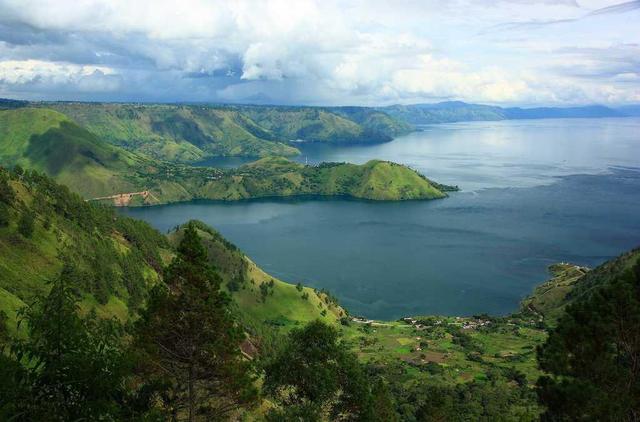
Indonesian coffee is known for its rich, bold body, low acidity, and sweet undertones. It is one of the few regions in the world where Robusta plays a dominant role. However, its Arabica varieties—especially Mandheling from Sumatra—enjoy high international acclaim. The history of Indonesian coffee dates back to the 17th-century Dutch colonial period, when it was initially introduced to break the Arab monopoly on coffee trade. Unfortunately, after the devastating coffee leaf rust outbreak in 1877, most Arabica varieties were destroyed and eventually replaced by disease-resistant Robusta, which became the economic mainstay.
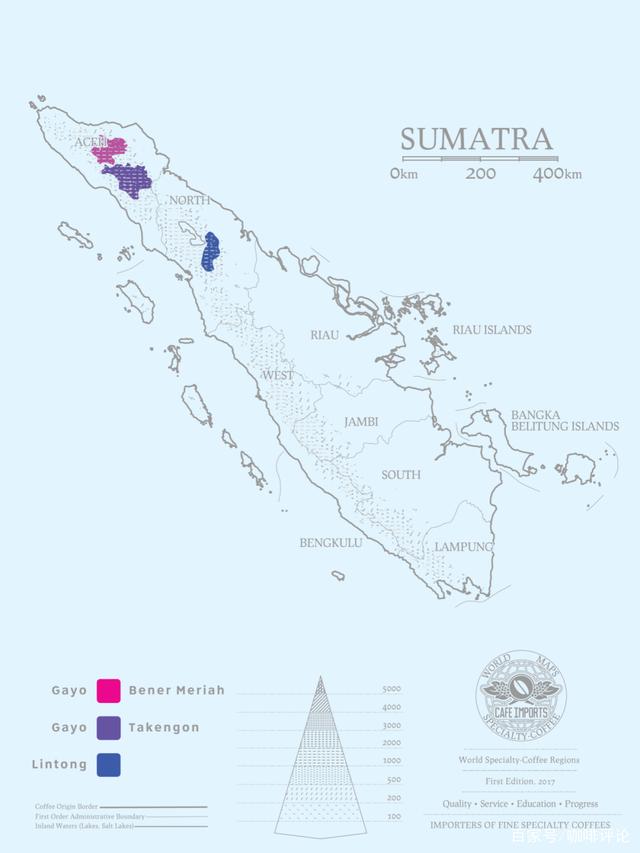
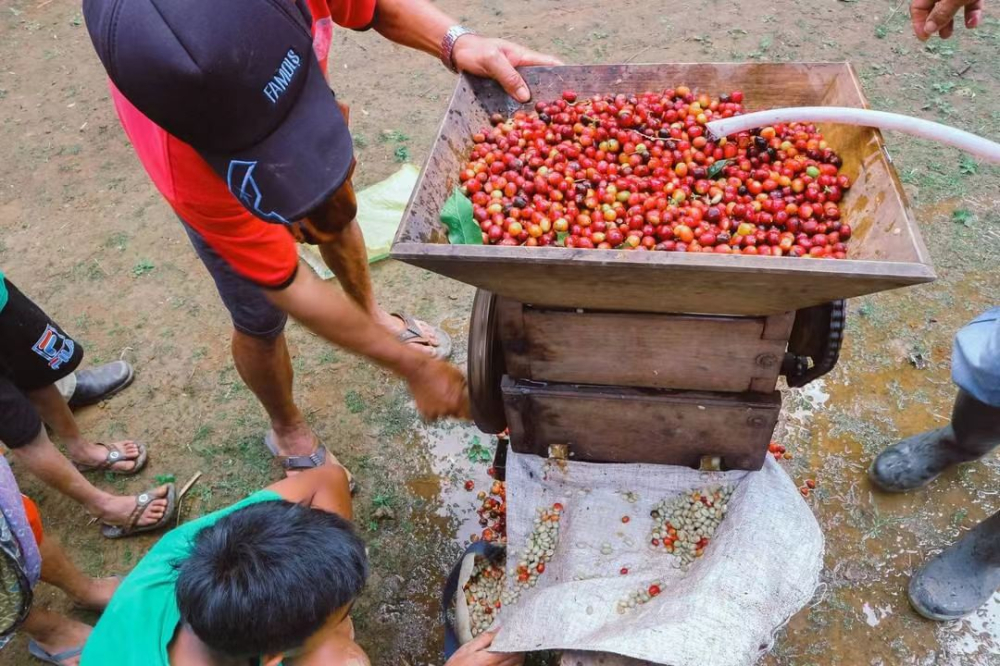
Currently, major Indonesian producing regions include Sumatra, Java, and Sulawesi, among whichSumatra is famous for its Mandheling, using the uniquewet hulling method (Giling Basah)for processing, resulting in its characteristic low acidity, high body, deep earthy and spicy tones. This processing method, adapted to the rainy climate and economic constraints, skips certain steps of the washed process. The beans are hulled at a semi-dry state, further concentrating their flavor compounds.
Indonesia has two harvest seasons per year, with the main season from September to October and the secondary season from May to June. Export volumes have shown an upward trend in recent years, especially as higher-quality sorting and processing techniques have significantly revived international buyer interest.
The Origins of Mandheling and the Secrets of Wet Hulling
The term “Mandheling” actually originates from the name of an indigenous tribe in Indonesia. Legend has it that after Japanese soldiers brought coffee back from the region, the source could not be disclosed for commercial secrecy, so locals casually referred to it as “Mandheling,” which unexpectedly became the representative name for this dark-roasted coffee. This bean commonly undergoes Sumatra’s unique wet hulling method, with the following steps:
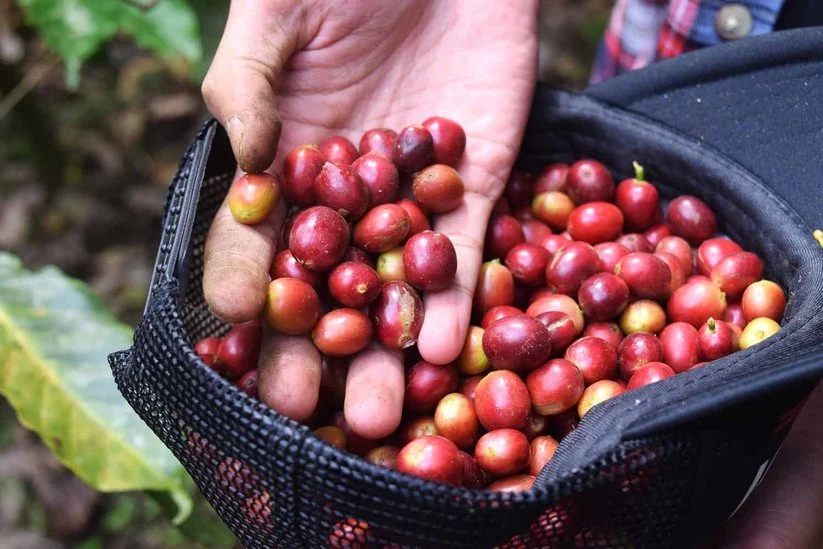
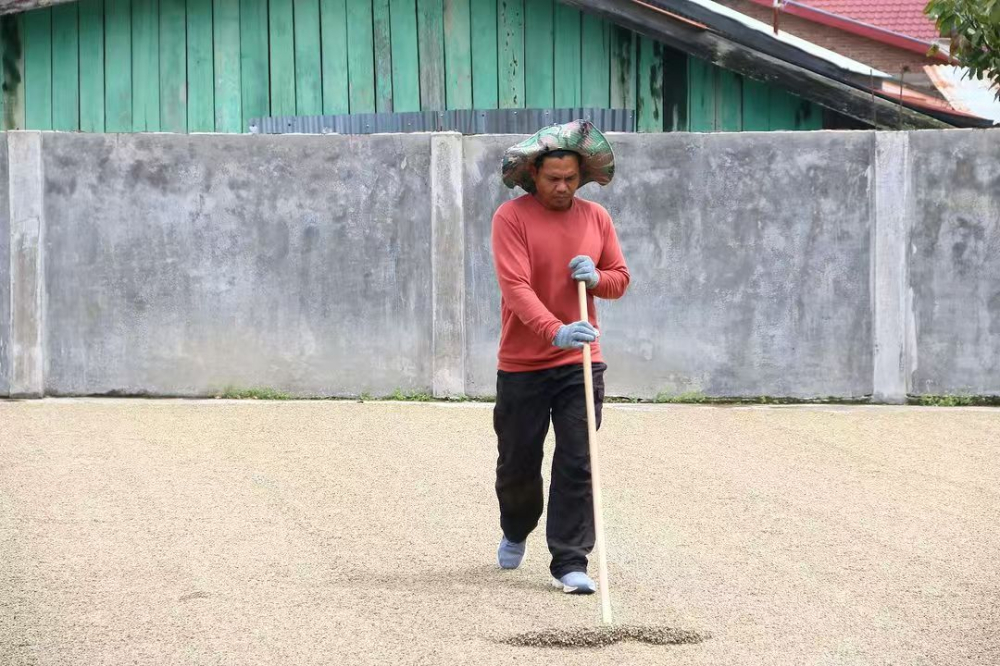
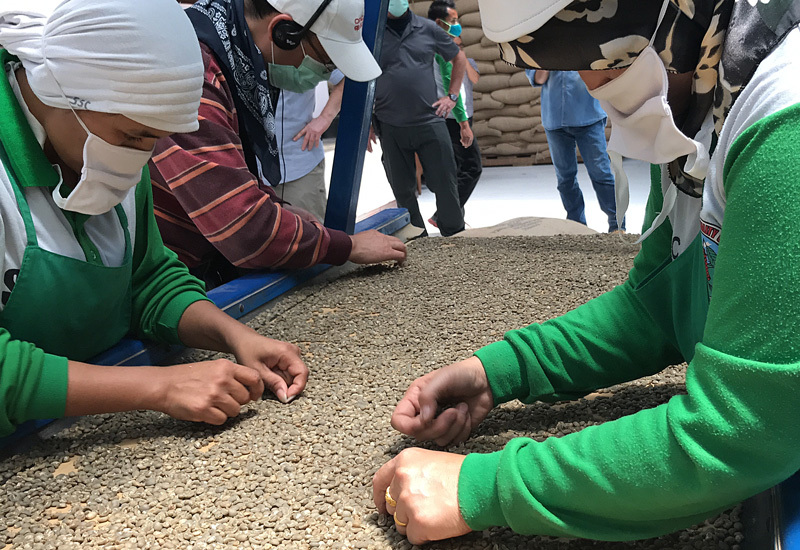
First, the pulp and flesh are removed and undergo brief fermentation until the moisture content drops to 30%-50%, at which point drying is halted; second, after the parchment layer is removed, the beans continue sun-drying until reaching 12%-13%. At this stage, the beans are soft and prone to damage, often resulting in hoof-shaped pressure marks, but this also contributes to the coffee’s intense and unique flavor characteristics.
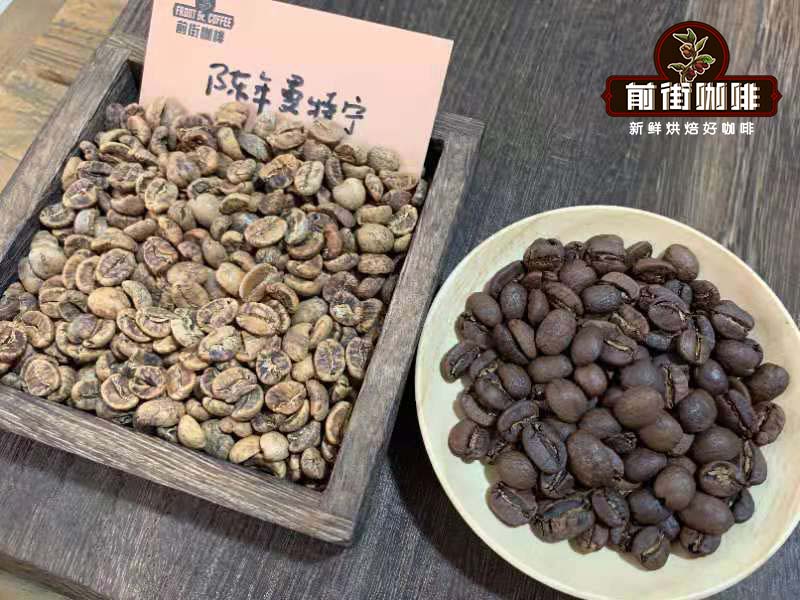
The wet hulling method gives Mandheling its low acidity and thick body. Common flavors include earth, spice, chocolate, and caramel, with a long finish and a sweet-bitter balance akin to dark chocolate. In addition to traditional wet hulling, there is also “aged wet-hulled” coffee that has undergone 2–3 years of aging, yielding even rounder flavors with pronounced woody and pu-erh-like tones.
Quick Look at Popular Indonesian Bean Options
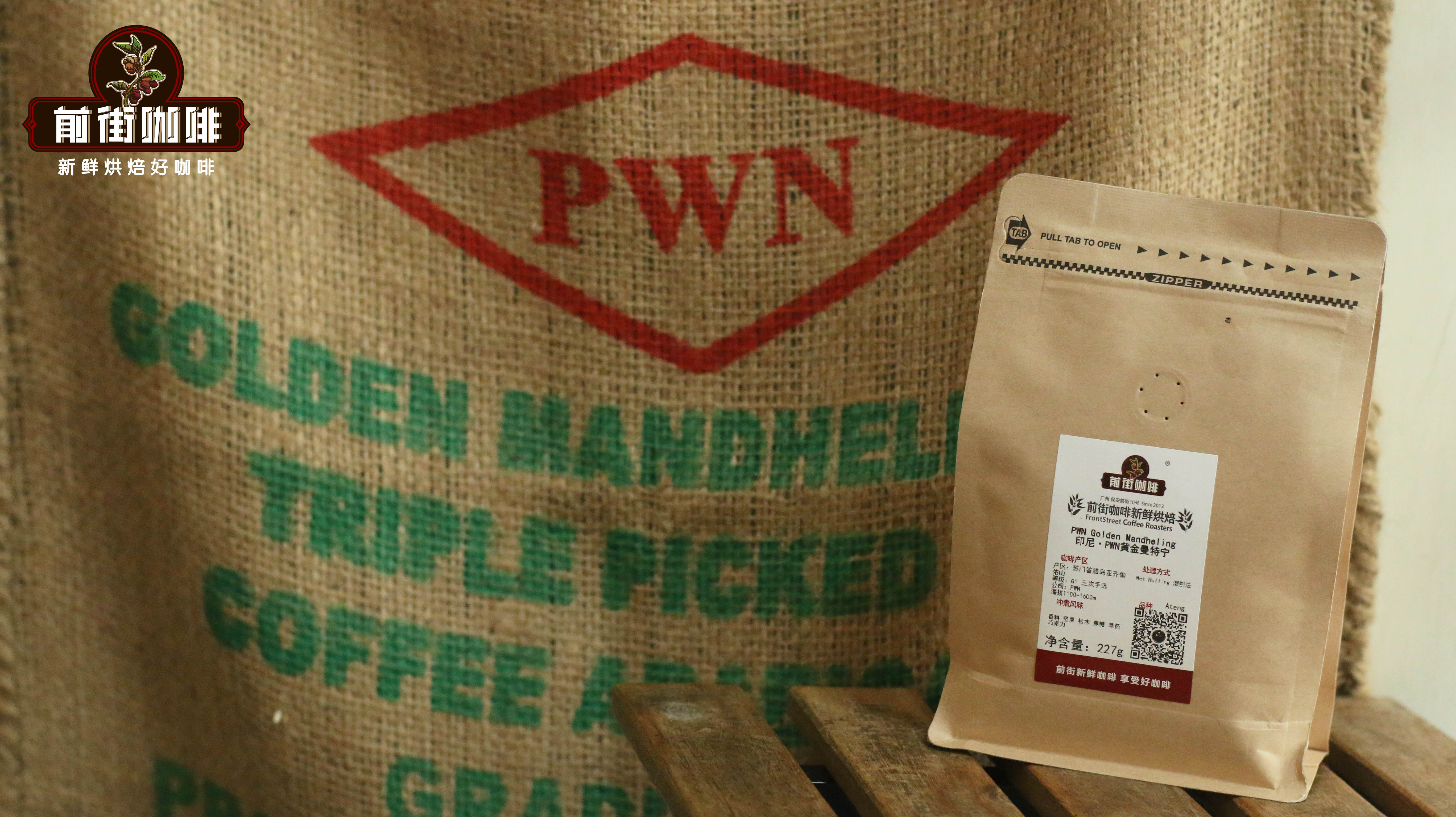
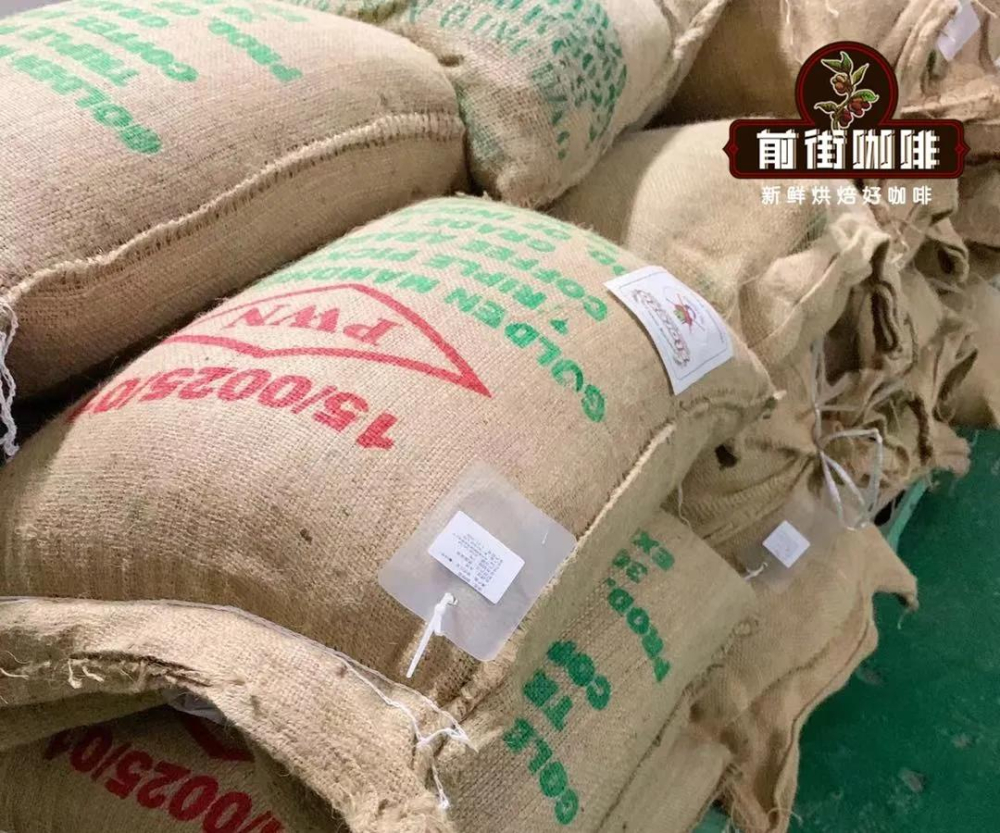
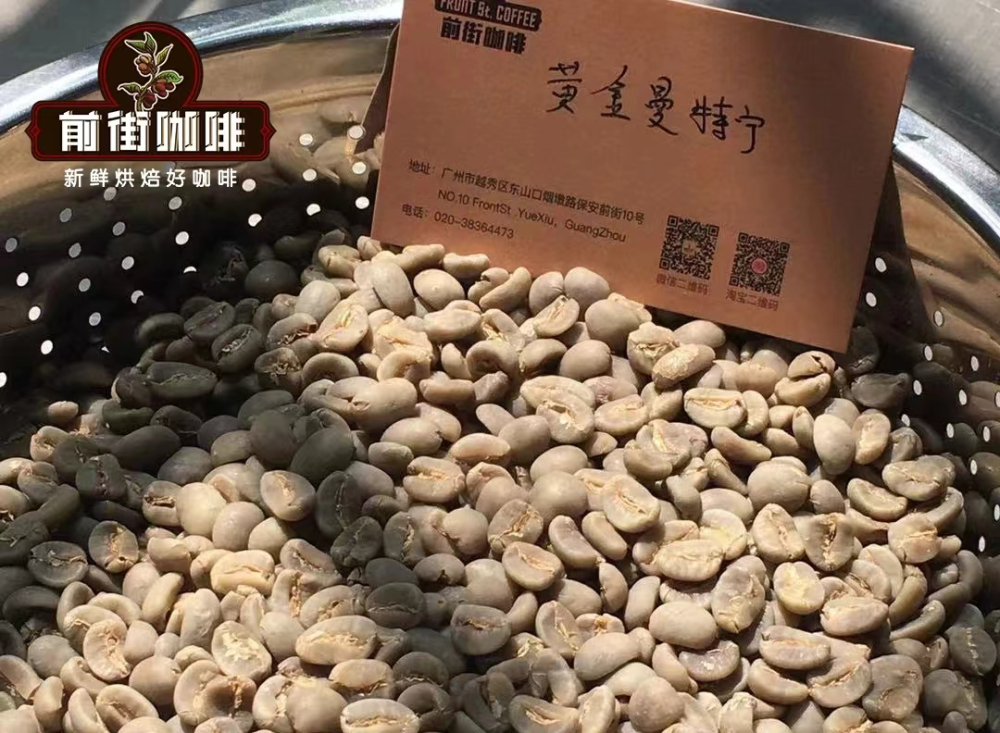
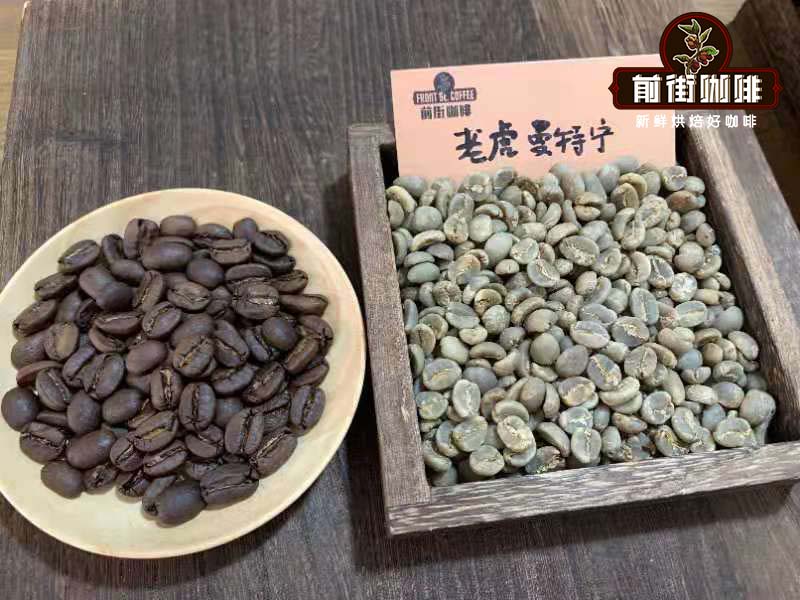
Commonly available Indonesian Mandheling options in the market include:Golden Mandheling(produced in Gayo Mountain, hand-sorted four times, offering clean and bright flavors with notes of nuts and caramel),Tiger Mandheling(grown at 1500 meters altitude, featuring balanced flavors with prominent cream and dark chocolate notes),Aged Mandheling(with more pronounced woody and caramel notes after aging),Lintong Mandheling(a conventional wet-hulled version with strong herbal and nutty aromas), and the rarenatural (sun-dried) Mandheling(with melon, tropical fruit, and fermentation aromas—very refreshing and delicate).
Additionally, from West Java, there isAromanis, which uses honey-like pulped natural processing to bring out intense fruitiness, as well as the highly talked-aboutkopi luwak (civet coffee), which undergoes fermentation in the civet’s digestive tract, resulting in a unique flavor and high price.
2. Yunnan: The Essence of Chinese Coffee, a Representative Region for Small-Bean Varieties
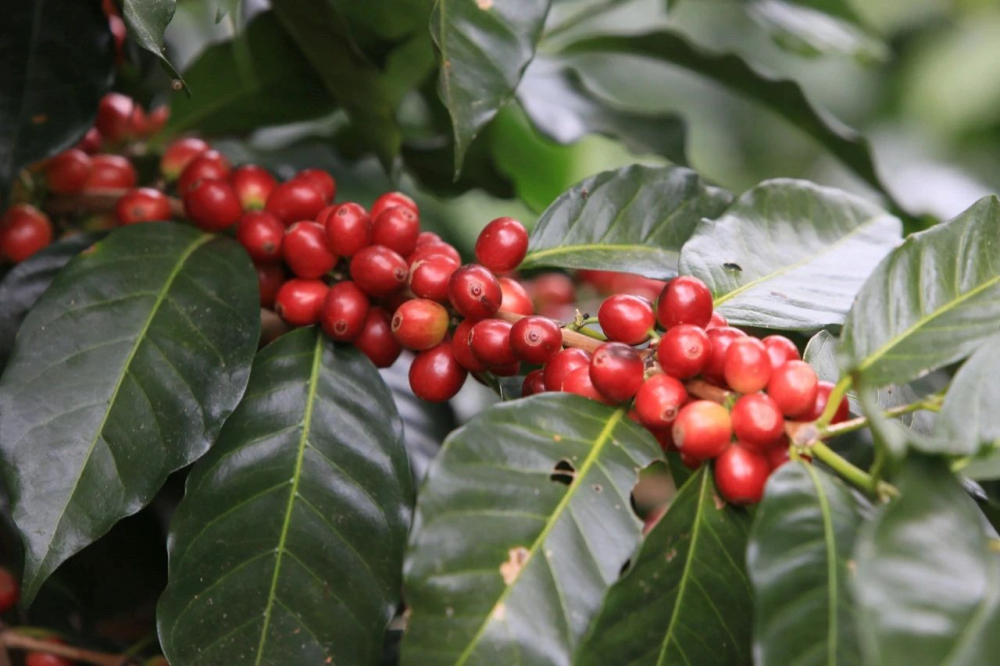
Since the introduction of coffee seeds by French missionaries in 1892, Yunnan has gradually developed into China’s largest coffee-producing region, accounting for over 70% of the country’s planting area and output. Its primary variety isCatimor(a hybrid of Caturra and Robusta), which offers excellent disease resistance and high yields. There are also small amounts of traditional Typica varieties, such as the Huaguoshan series, which display more pronounced fruity and floral acidity and aromas.
Yunnan’s geographical conditions are similar to those of Colombia, with low latitude, high altitude, and significant day-night temperature differences, providing an ideal growth environment for coffee. The small-bean coffee produced here features a rich body, often with chocolate, cocoa, and herbal tones, and its quality rivals that of international specialty-grade beans.
Major producing areas include Baoshan, Pu’er, and Dehong, among which Baoshan is renowned for its red cherry natural (sun-dried) processing method, which enhances sweetness and fruitiness—a processing style that has garnered much attention in recent years.
Yunnan’s Distinctive Processing and Variety Selection
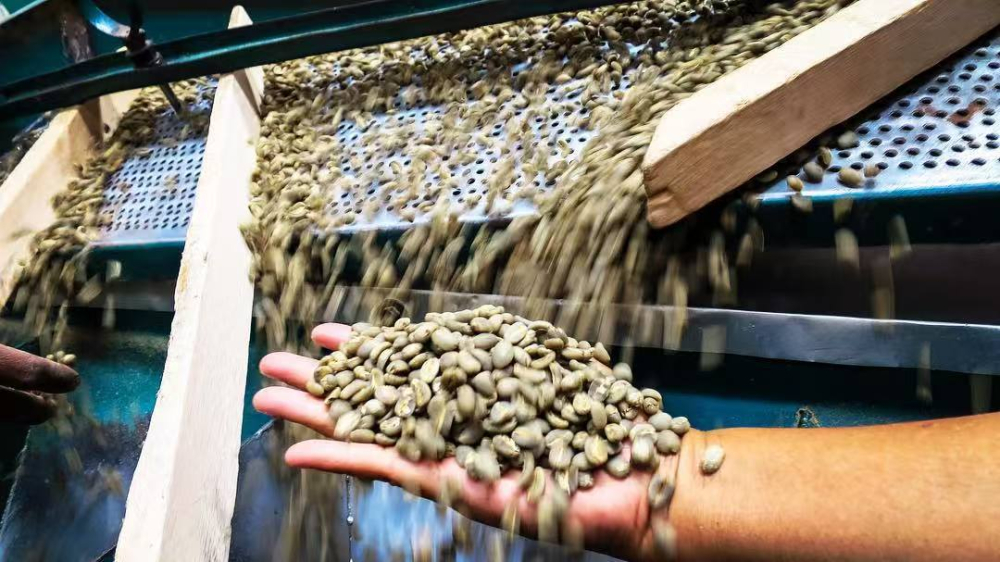
Popular Yunnan coffee options include:Baoshan Natural (Sun-Dried) Catimor(high sweetness with notes of caramel, dried fruit, and cocoa),Yunnan Small Bean (Washed)(with distinct citrus, nut, and fermented fruit aromas), andHuaguoshan (Typica, Washed)(gentle floral and fruity notes, delicate acidity, reminiscent of black tea). These beans are well-suited for pour over, French press, or AeroPress, allowing their layers and tonal qualities to shine.
3. Papua New Guinea: A Specialty Coffee Oasis in the Pacific
Although smaller in scale than Indonesia, Papua New Guinea’s coffee-growing regions boast unique geographical and microclimatic conditions. Coffee is mostly grown in high-altitude mountainous areas, ensuring stable quality and refined processing. Local coffee varieties are mainly Typica and its variants, cultivated in regions such as the Waghi Valley in the Western Highlands Province. The clean environment and fertile soil produce coffee with bright acidity and delicate fruit notes.
Compared to Indonesian beans, Papua New Guinea coffee shows less earthiness, slightly higher acidity, and a tone closer to Central American specialty beans—making it ideal for coffee lovers who prefer a fresher profile.
Representative products includeSigri Estate Paradise Bird (Small Blue Mountain), processed using the washed method at 1500 meters altitude. It delivers flavors of cream, nuts, and gentle fruit acidity, with a chocolatey finish—making it a highly representative premium choice from the region.
Conclusion: How to Choose Your Ideal Asian Coffee
The diversity of Asian coffee—from the bold and rich Mandheling of Indonesia, to the fruity and fresh Yunnan small beans, to the delicate and elegant specialty beans of Papua New Guinea—offers a wealth of choices. Whether you prefer the clarity of layers in pour over or the bold richness of French press, you can find corresponding flavors within Asia’s producing regions.
We recommend exploring different processing methods and regional combinations based on your personal taste preferences to discover your own Asian coffee flavor map.

The above content is compiled by CoffeeHunters, a coffee news website.


