








Introduction:Have you ever wondered how the unique flavor and appearance of a cup of coffee are closely tied to its processing method? This article will take you deep into an understanding of the four most common coffee bean processing methods—natural (sun-dried), washed, honey, and wet-hulled—exploring everything from physical bean characteristics such as silverskin remnants, bean seam white lines, and color, to subtle differences in flavor profiles. It will help you quickly grasp the distinctive traits of various processing methods through observation and tasting, thereby enhancing your ability to identify and appreciate coffee.
Faced with the wide variety of coffee beans on the market, do you know how to determine which processing method was used based on their appearance and flavor? Natural (sun-dried), washed, honey, and wet-hulled are the four most common coffee bean processing methods. Each influences the final flavor profile of the coffee and leaves subtle clues on the beans' appearance. This article will start with practical experience, teaching you how to distinguish different processing methods by observing physical traits such as the amount of silverskin, white lines in the bean seams, color, and sugar staining, using real regional examples like the flavor differences between Yirgacheffe’s natural and washed beans to help you master both the look and taste.

Before learning how to distinguish them, it’s important to first understand that the commonly used coffee bean processing methods around the world can be broadly divided into two categories: globally common processing methods and region-specific processing methods. The globally mainstream methods are washed and natural (sun-dried), with washed potentially including variations like anaerobic washed or barrel-fermented; the natural method also includes anaerobic natural, slow natural, and cocoa natural among others. However, they still share basic common traits in terms of physical bean features with the original processing methods. As for the region-specific methods, these include Indonesia’s unique wet-hulled process, as well as the widely seen honey and semi-washed methods in Central and South America. These methods have evolved based on local climate, equipment, and traditions. Therefore, simply by observing these traits, one can often infer the approximate origin of the coffee beans.
The wet-hulled method can be considered a special type of washed processing. Its key difference lies in the drying stage, where the coffee beans are dried while still not fully dry, and the parchment (i.e., the inner fruit skin) is removed early. This speeds up the drying process but can also easily lead to cracks in the bean body, resulting in what is known as the “goat hoof” appearance. However, with recent improvements in processing techniques, this issue has gradually diminished. Honey and semi-washed processes fall between natural and washed: the honey process typically involves no water contact at all, whereas the semi-washed process briefly soaks the beans in water after removing the fruit skin before sun-drying. Looking at silverskin remnants, except for raisin honey and black honey processes, other honey and semi-washed methods tend to resemble washed processing more in terms of physical appearance.
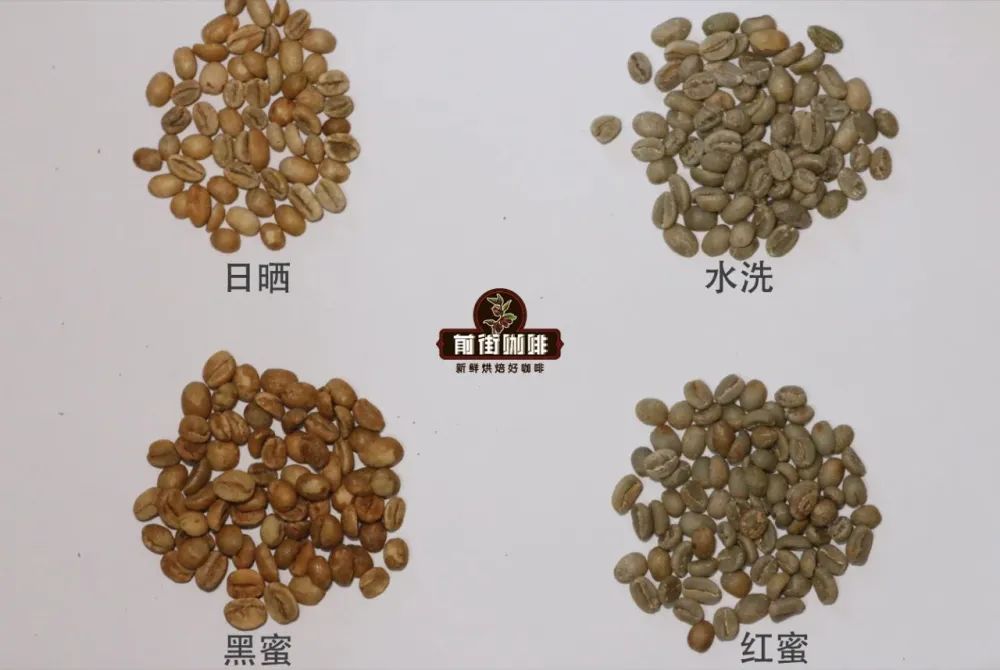
Observing roasted beans is an effective way to quickly identify the processing method. Generally speaking,naturally processed (sun-dried) coffee beans have less silverskin, while washed coffee beans have more silverskin, and a white line of silverskin residue is often visible in the bean seam. The presence of this white line is usually one of the clear characteristics of washed processing. If you find no white line in the bean seam and the silverskin has come off cleanly, then this bean is likely to be natural (sun-dried), raisin honey, or black honey. These three processing methods also tend to leave fewer silverskin fragments after roasting.
However, to further differentiate between these three methods, you can look at the beans’ color and sugar staining. Usuallynaturally processed (sun-dried) coffee beans have a more uniform color; whereas honey-processed beans are more prone to dark sugar stains caused by caramelized sugars, especially at the bean seams or the ends, and these are even more obvious after roasting. In addition, raisin honey processing usually has a stronger aroma, while black honey has a darker color and more pronounced sugar stains, but with a relatively more restrained aroma. Therefore, just from the appearance, one can also preliminarily guess its processing method.
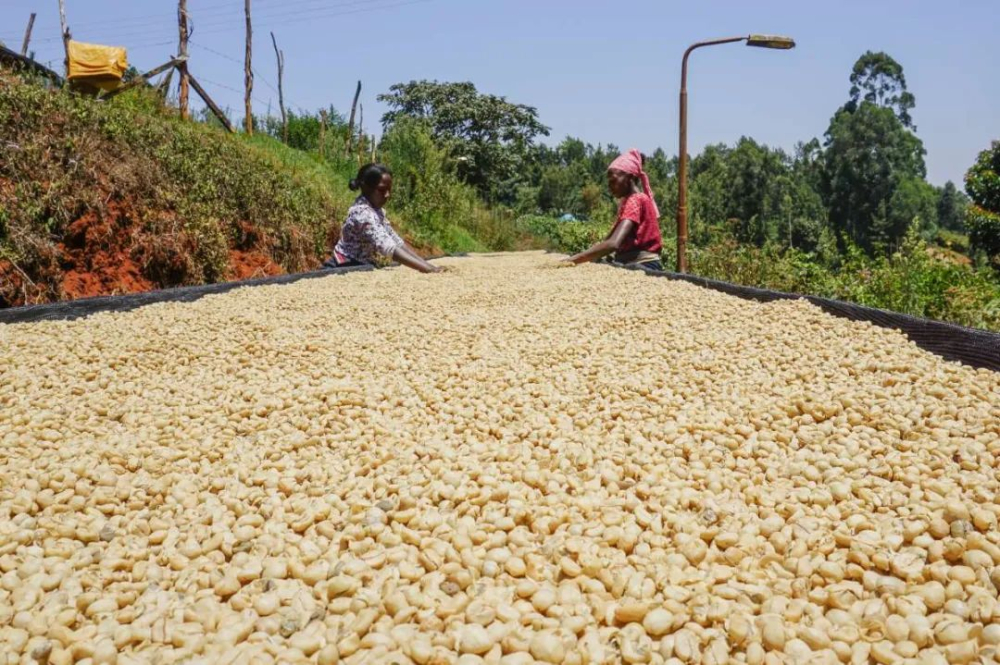
Additionally, if you notice a clear white line in the bean seam of roasted beans, you can preliminarily determine it as washed processing. However, note that Indonesia’s wet-hulled method and Brazil’s semi-washed method also feature similar white lines, though the bean appearance of these two is relatively easy to tell apart. Other examples include Costa Rica’s red honey and yellow honey processes, which also exhibit white line characteristics but to a lesser extent. Overall, just by observing the bean seam white lines and silverskin residues, you can identify about 90% of coffee bean processing methods.
Besides observing the beans’ physical features, tasting is also an important way to distinguish processing methods, especially for coffee beans from the same origin but with different processing methods—for instance, Yirgacheffe. Coffee from this renowned region, whether natural or washed, generally shares a basic flavor profile of citrus, lemon, jasmine, honey, and green tea. However,naturally processed (sun-dried) coffee beans stand out more in terms of sweetness and complexity, often carrying bright berry aromas and noticeable fermentation notes, with a citrus backbone but an overall richer and more complex expression; whereaswashed processing showcases a cleaner and crisper flavor, with brighter acidity, a citrus base, accompanied by jasmine floral notes and green tea aftertaste, delivering a more refreshing and balanced mouthfeel.
To put it simply, naturally processed coffee typically has stronger sweetness, richer layers, and pronounced fermentation characteristics, while washed coffee is clearer, softer, and lighter. With this foundation, extending the understanding to other methods, such as anaerobic processing, becomes easier. Anaerobic natural tends to have more intense and varied flavors compared to anaerobic washed, but if not handled properly, it can also result in overly chaotic flavors. Hence, anaerobic washed is relatively more stable in control. Both anaerobic processing and barrel fermentation achieve unique flavor reactions through carefully controlled fermentation environments, but the results still depend on the processor's technique and intent—not all anaerobic coffees will exhibit exaggerated flavor traits. Some, like those from Elida Estate’s anaerobic fermentation, build upon the inherent flavor profile of Geisha while adding more pleasing nuances, showcasing a high level of craftsmanship.
The above content is compiled by CoffeeHunters, a coffee news website.


