







Introduction:What is the correct English name for Gesha coffee — Gesha or Geisha? This seemingly simple spelling question conceals a decades-long history of coffee breeding and nomenclature. This article will delve into the origins of the Gesha variety, the story behind its proper name, introduce the unique characteristics of Gesha from different regions, and share its SOE flavor profile and pour over recommendations to help you better understand this highly regarded specialty coffee.
How do you spell the name of Gesha coffee — Gesha or Geisha? This question has long been debated among coffee enthusiasts. According to historical records, the “i” in the Geisha spelling actually originated from an early transcription error. Back in 1929, Britain established a consulate in the Maji region of Ethiopia to combat illegal activities and appointed Colonel Richard Whalley as the representative. Coincidentally, the area Whalley was responsible for corresponded to the Gesha region marked on old maps, and he began collecting coffee samples from the local area.
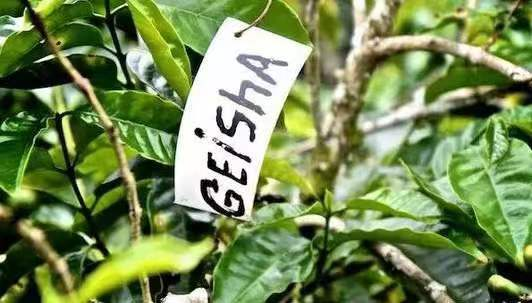
In 1931, the Maji consulate shipped the first batch of coffee samples obtained from the Gesha region, along with cultivated varieties purchased from local markets, to a British plantation in Kenya. However, it is worth noting that Whalley did not separate the two types of samples but labeled them uniformly as “Gesha.” It wasn’t until 1936, in a letter to the British envoy, that Whalley first used the spelling “Geisha,” rather than the original “Gesha.” From then on, breeding literature outside Ethiopia consistently adopted Geisha to refer to these samples originating from the Gesha region.
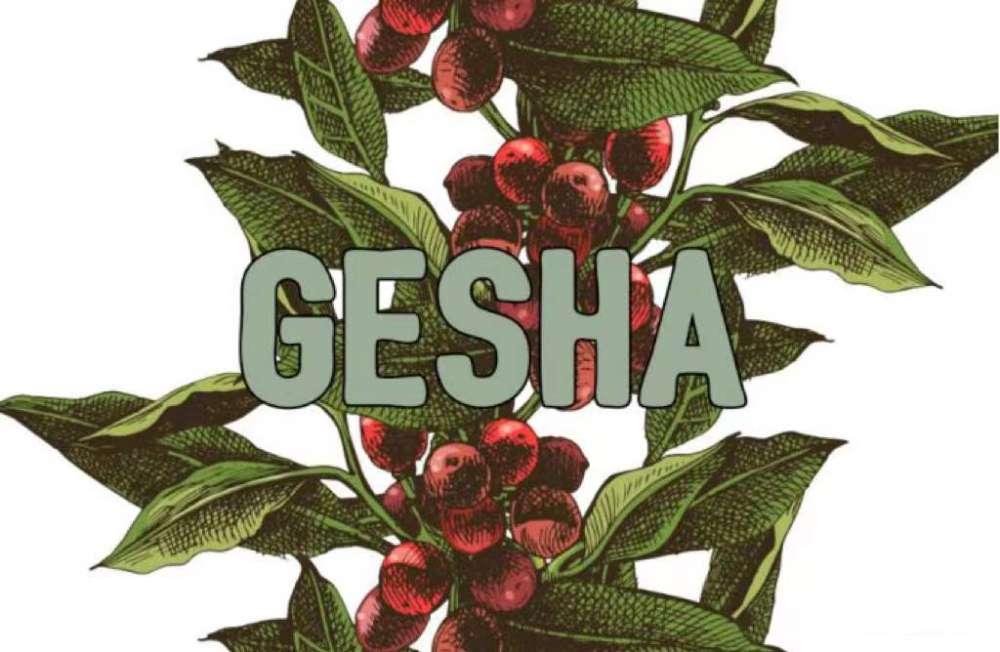
In fact, whether it is spelled Gesha or Geisha, the difference lies only in transliteration — they essentially refer to the same genetic lineage. The widely popular Gesha variety today is actually just one cultivar from this lineage, designated as Geisha T2722. To truly understand Gesha, in addition to knowing its naming history, one must also grasp its performance in different regions and the brewing methods it suits best.
In Latin America, the term Geisha is commonly used for Gesha coffee, while Ethiopian official documents and related records uniformly adopt Gesha. To preserve this history, the Ethiopian government has even designated the area where the samples were originally collected as Gesha Woreda. To this day, this region continues to grow various coffee varieties of the Gesha genetic line.If you prefer high-quality Gesha, it is recommended to look for single-origin beans from this region, as their flavors often exhibit greater complexity and uniqueness.
If you’d like to try a more affordable, everyday-grade Gesha, consider single-origin beans from Ethiopia, such as some that are sun-dried. These beans typically feature bright white floral notes and lemon-like acidity. When lightly roasted, they emphasize yellow peach, citrus, and guava fruitiness, making them ideal for pour over or cold brew to fully showcase their refreshing qualities. If medium-roasted, they can be used as an SOE (single origin espresso), yielding warm notes like dried apricot, caramel, and nuts when extracted as espresso — perfect for those who enjoy a richer taste.
Confusion over the spelling of Gesha persists to this day. In Ethiopia and some professional literature, you’ll see the spelling Gesha; whereas in many Latin American coffee farms and export data, Geisha is more commonly used. This discrepancy mainly stems from historical evolution and local linguistic conventions, rather than any difference in the variety itself.No matter which spelling you encounter, understanding its background will help you choose the Gesha coffee that best suits your taste.
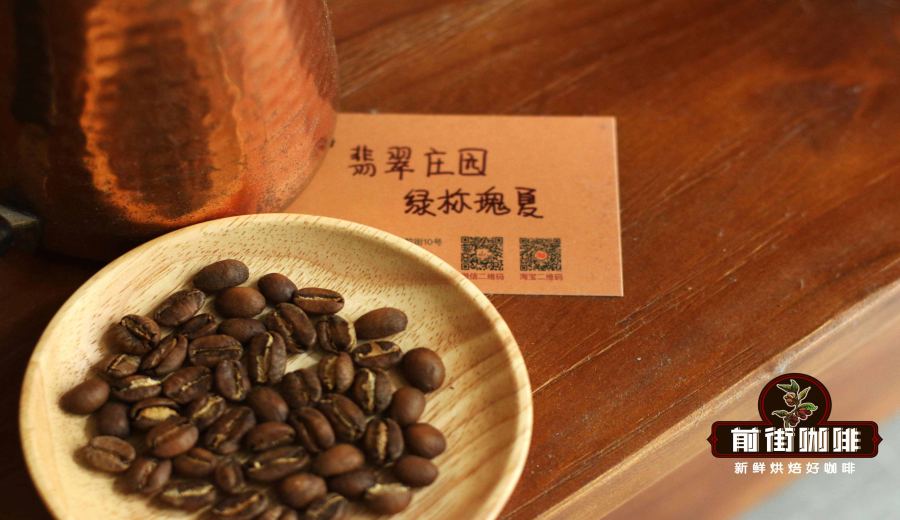
Finally, if you come across images of Gesha beans online, take a closer look at their shape. Common Panamanian Gesha varieties typically have an elongated bean shape, but not all Gesha beans look exactly the same. Beans from certain regions may vary slightly in appearance due to processing methods or genetic lineage differences — another detail to keep in mind when selecting your beans.
The above content is compiled by CoffeeHunters, a coffee news website.


