







Introduction:Choosing the right coffee beans for pour over is the first step to brewing a great cup. Lightly roasted beans retain more of their original flavors, with bright acidity and a clean mouthfeel, making them especially suitable for coffee enthusiasts who appreciate complexity. This article will introduce the flavor profiles of several common light roast beans, analyze their ideal brewing parameters, and share practical tips to improve extraction evenness—helping beginners get started with ease.
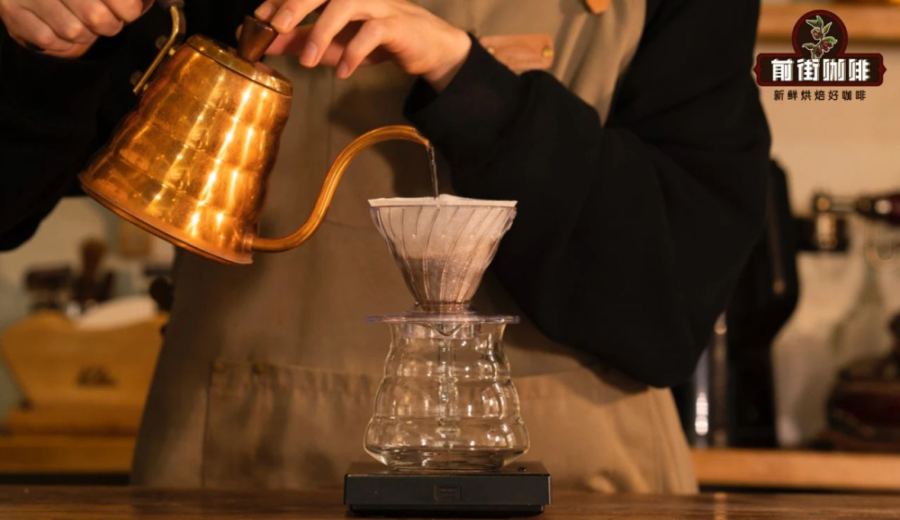
Among the many coffee brewing methods, pour over stands out as a daily choice for many coffee lovers due to its simple equipment and high degree of operational flexibility. As hot water slowly penetrates the coffee grounds, the coffee that drips through the filter paper not only concentrates the essence of the flavors but also carries a sense of ritual that encourages being present in the moment.
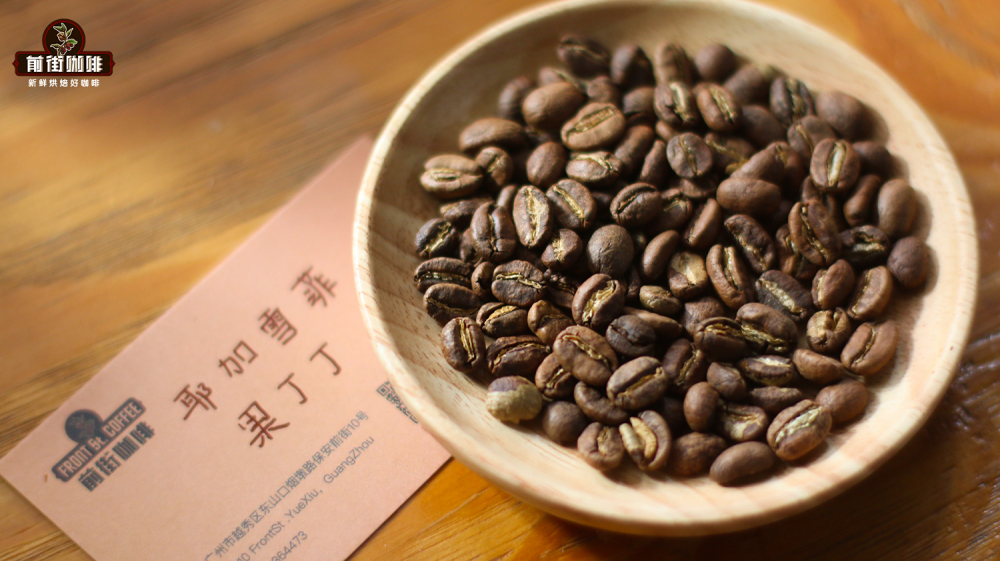
To brew a well-balanced pour over coffee at home,the choice of roast level is crucial.As coffee beans are roasted longer, acidic aromatic compounds gradually transform into products of caramelization, leading to increased bitterness. Light roasts, with their shorter roasting time, preserve more of the beans’ inherent fruity acids and floral notes, often resulting in a cleaner and more refreshing taste—making them an ideal choice for pour over beginners.
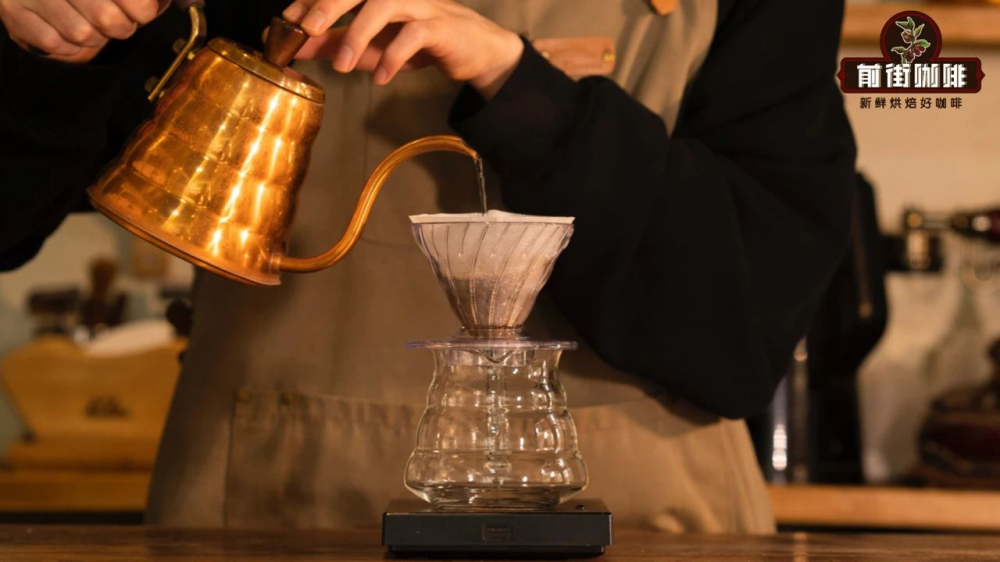
The expression of coffee flavors is closely related to the roasting curve. Light roasts (generally referring to the stage from the start of first crack to just after it ends) typically highlight the regional characteristics of the beans—for example, the citrus notes commonly found in Ethiopian beans or the distinct nutty and chocolatey base of Central American beans. For such beans, a medium-fine grind (similar in texture to fine sugar) paired with water at 90–94°C is recommended, as this can effectively balance the layers of acidity and sweetness.
Below are several commonly available light roast coffee beans that are well-suited for pour over, along with their flavor profiles and recommended brewing contexts:
A renowned bean variety from Ethiopia, often featuring bright citrus acidity and a tea-like finish. Its flavor profile typically includes distinct lemon or grapefruit notes, paired with honey-like sweetness and a light green tea aftertaste. The acidity is lively but not sharp, making it suitable for those who prefer a refreshing taste.
Another popular option showcases a rather unique combination of fruit flavors. Its flavor notes are often described as resembling the bright acidity of cherry tomatoes, blended with the depth of black plums and the freshness of pears, with a mellow brown sugar sweetness in the finish. The overall profile is rich in layers and highly distinctive.
Beans from Central America often exhibit a balanced flavor profile. These beans tend to carry soft floral aromas from the white flower family, such as white jasmine or orange blossom, along with noticeable citrus fruit tones (like orange or lemon). The mid-palate reveals a dry, nutty and tea-like texture, resulting in a well-rounded mouthfeel that suits various brewing methods.
Some African bean varieties are known for their intense berry characteristics. Common flavor descriptions include creamy strawberry notes, paired with the fresh acidity of lemon peel and a subtle, underlying richness reminiscent of black tea. These beans are ideal for those who prefer strong fruity aromas, and it is recommended to use a slightly lower brewing water temperature to highlight the sweetness.
When brewing light roast beans, it’s important topay attention to the coffee-to-water ratio and evenness of stirring.A ratio of 1:15 to 1:16 is recommended (for example, 15 grams of coffee to 225–240 milliliters of water), and ensure the blooming stage (pouring a small amount of hot water to wet the coffee grounds) is sufficient to activate the coffee particles. Common mistakes include using a grind that is too coarse, leading to under-extraction, or water that is too hot, causing over-extraction. It’s advisable to fine-tune the parameters based on actual flavor feedback.
The above content is compiled by CoffeeHunters, a coffee news website.


