







Introduction:From the first coffee tree planted a century ago to becoming an important region for specialty coffee today, what transformations has Yunnan’s small-grind coffee undergone? This article delves into the evolution of Yunnan coffee varieties, the regional grading standards, and breaks down pour over parameters and flavor profiles, allowing you to comprehensively understand this small-grind coffee bean from China’s highlands — from historical context to practical brewing.
The story of Yunnan coffee dates back to 1904, when a French missionary planted the first coffee tree in Yunnan’s Zhukula. No one could have imagined that this seed would become a shining calling card for agriculture on the Yunnan plateau in the future. From early varieties like Typica and Bourbon, to the rise of Catimor, and then to today’s shift towards the specialty coffee route, the development of Yunnan coffee has been full of twists and turns yet brimming with potential.
 In the early years, due to unstable quality, most coffee produced in Yunnan was only suitable for instant coffee production, resulting in a poor market reputation. However, in the past decade, with advancements in cultivation techniques and the popularization of specialty coffee concepts, Yunnan’s small-grind coffee has gradually emerged on the international stage, attracting attention from many coffee enthusiasts.
When did coffee cultivation begin in China? The answer lies in Yunnan in 1904. That year, a French missionary introduced coffee seeds from abroad and planted the historically significant first coffee tree in the remote village of Zhukula. Over the following decades, especially in the 1950s, driven by agricultural experts, Yunnan coffee was once widely cultivated to supply friendly nations at the time. The main varieties planted were Typica and its variant Bourbon, with cultivation area reaching up to 50,000 mu.
However, before the 1980s, Yunnan’s coffee-growing regions suffered from severe coffee leaf rust, causing massive tree deaths and a sharp decline in planting area. It wasn’t until 1988, when international coffee companies such as Nestlé entered Yunnan, bringing the disease-resistant and locally adaptable Catimor variety, that the industry regained vitality. Catimor is not only high-yielding but also resistant to common diseases, quickly replacing traditional Typica and Bourbon to become the dominant planting variety in Yunnan.
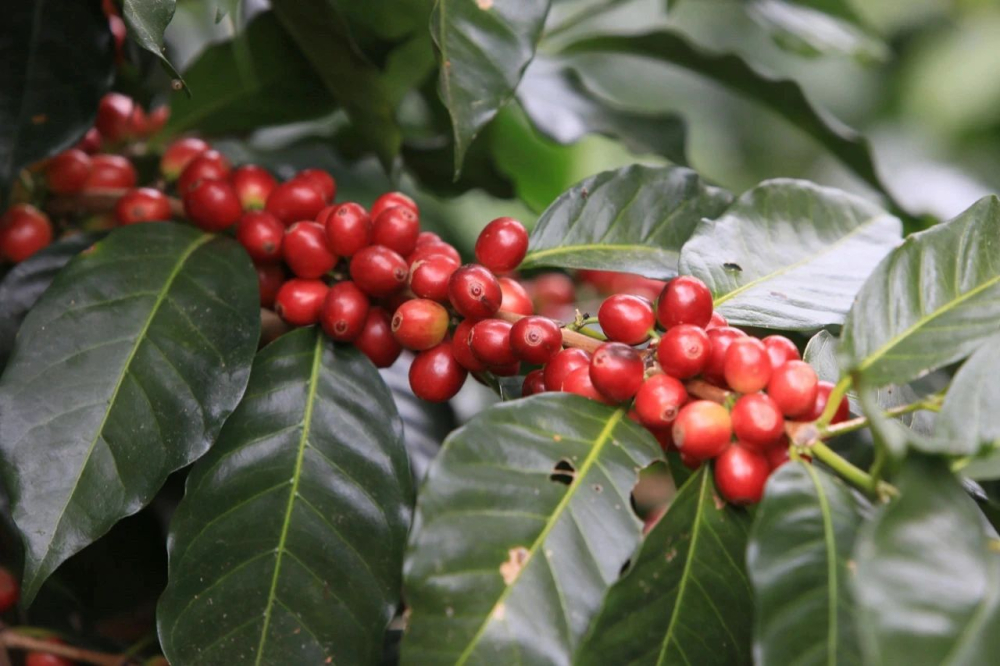
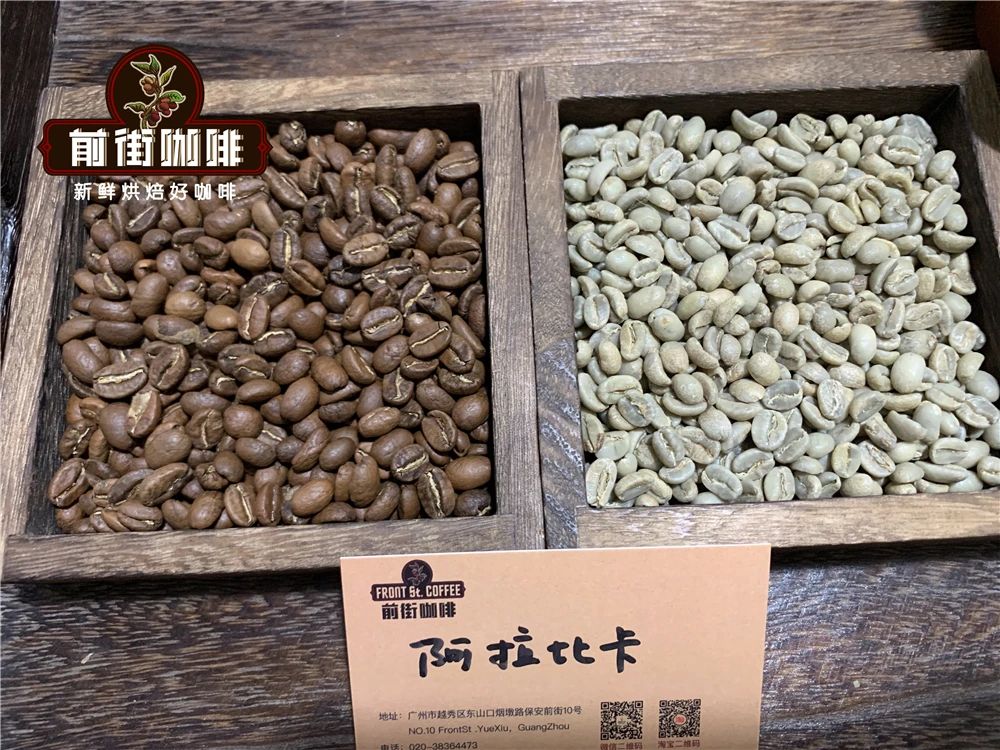
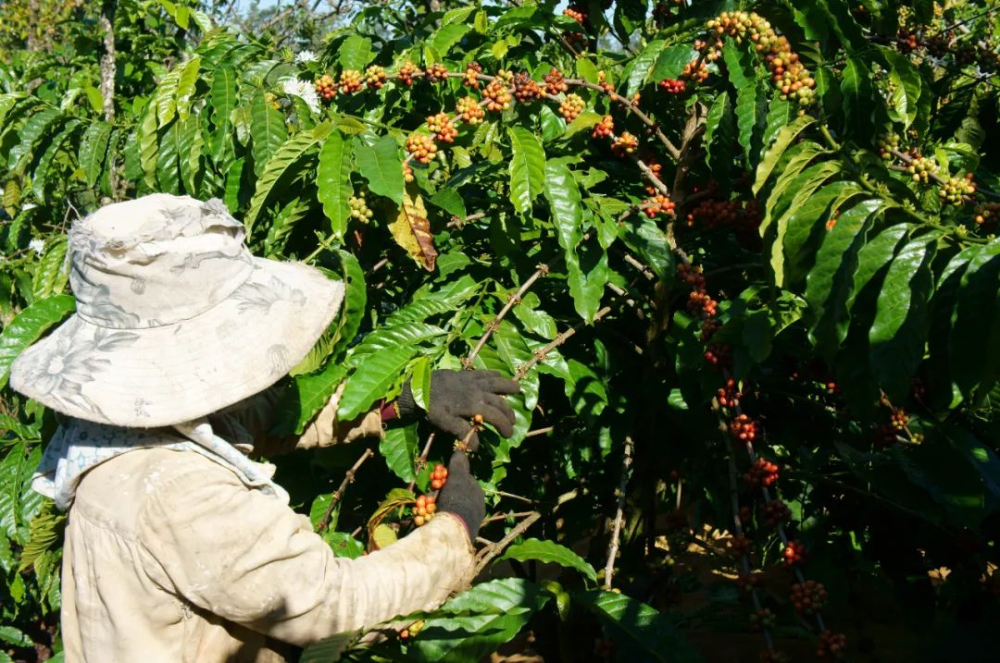 When discussing Yunnan’s small-grind coffee varieties, one cannot overlook Typica and Bourbon. Both belong to the Arabica small-grind type and are distinctly different from the medium-grind Robusta. Typica is known for its multi-layered fruit acidity and delicate mouthfeel, serving as the genetic foundation for famous coffees such as Blue Mountain and Kona. However, Typica also has clear drawbacks: tall tree stature, low yield per plant, weak disease resistance — especially vulnerable to coffee leaf rust — leading to its gradual abandonment by farmers in recent years.
Catimor, on the other hand, is a hybrid variety introduced by the Yunnan Academy of Agricultural Sciences in the late 1990s. Developed by the Portuguese Tropical Research Institute, this variety boasts strong rust resistance and high productivity, making it well-suited to Yunnan’s varied climate and geographic conditions. Today, Catimor accounts for over 90% of Yunnan’s coffee planting area and has become synonymous with Yunnan coffee.
As for Yunnan coffee’s grading system, although it has not yet fully aligned with international standards, it has gradually formed a classification system based on a comprehensive set of factors including screen size, color, cleanliness, moisture content, and aroma. Traditionally, using sieve hole diameters of 6.5mm, 6.0mm, 5.5mm, and 5.0mm as boundaries, coffee beans are divided into five grades:
- Grade 1: Sieve size above 6.5mm, beans are plump and intact
- Grade 2: 6.0–6.4mm, plump and relatively uniform
- Grade 3: 5.3–5.9mm, relatively plump but slightly less uniform
- Grade 4: 5.0–5.4mm, allows a small amount of broken beans, with an intact rate of over 75%
- Grade 5: Below 5.0mm, intact rate only needs to be above 30%
In terms of color, light blue, light green, and light white with gloss are preferred, while darker or mixed colors indicate lower grades. Additionally, cleanliness, aroma, and moisture content (not exceeding 12%) are also key indicators of quality. To further enhance the international competitiveness of Yunnan coffee, the Yunnan International Coffee Exchange Center established in Pu’er introduced in 2019 a grading system closer to the standards of the Specialty Coffee Association (SCA) and Coffee Quality Institute (CQI), providing a clearer quality positioning for the region’s coffee.
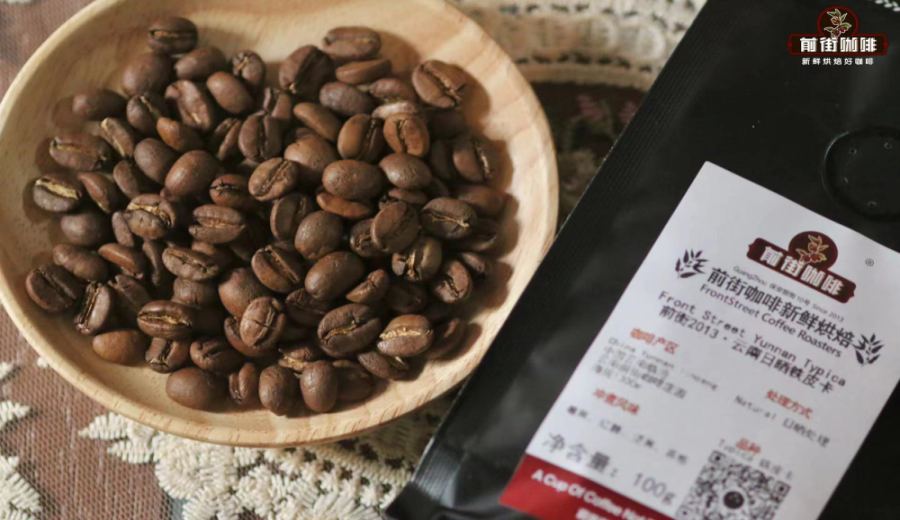
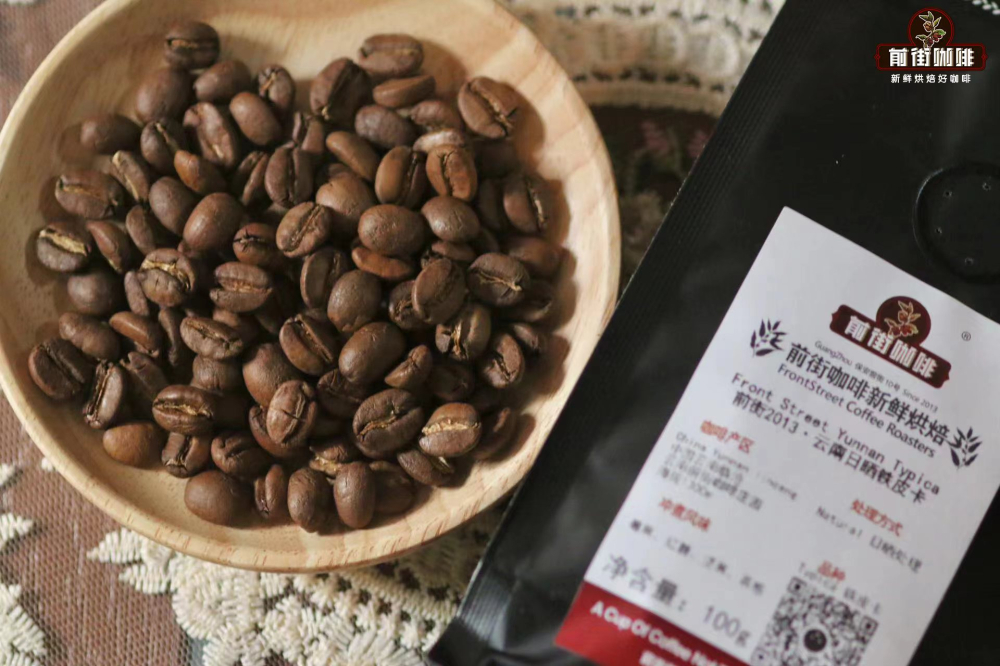
To gain a deeper understanding of the actual flavors of Yunnan’s small-grind coffee, the practice of one coffee brand in the Lincang region is worth referencing. They selected the most traditional Typica variety and used the natural sun-drying processing method to create the uniquely flavored “2013”. This coffee, during the natural drying process, underwent strict temperature control and stirring, preserving rich fruity and nutty notes. After brewing, it exhibits pronounced caramel, nut, and citrus aromas, with a mouthfeel featuring berry fermentation and black tea sweetness, offering a layered and long-lasting finish.
For brewing recommendations, if using a Hario V60 dripper, you can refer to the following parameters: 15g coffee dose, 90°C water temperature, grind size at 75% through a #20 mesh sieve, and a coffee-to-water ratio of 1:15. Use a three-stage pouring method: start with a bloom using double the coffee dose in water for 30 seconds, then pour steadily until reaching 125g for the first pour, wait for the bed to settle, then continue pouring to 225g. Total brew time is about 2 minutes. These parameters fully highlight the delicate acidity and aromatic layers of Typica.
Overall, Yunnan’s small-grind coffee — from its introduction a century ago to today’s transformation towards specialty — reflects every step of growth and challenge in China’s coffee industry. Whether as a daily drinker or an exploration of terroir through a specialty bean, Yunnan’s small-grind coffee is worthy of careful appreciation by all.
The above content is compiled by CoffeeHunters, a coffee news website.


