







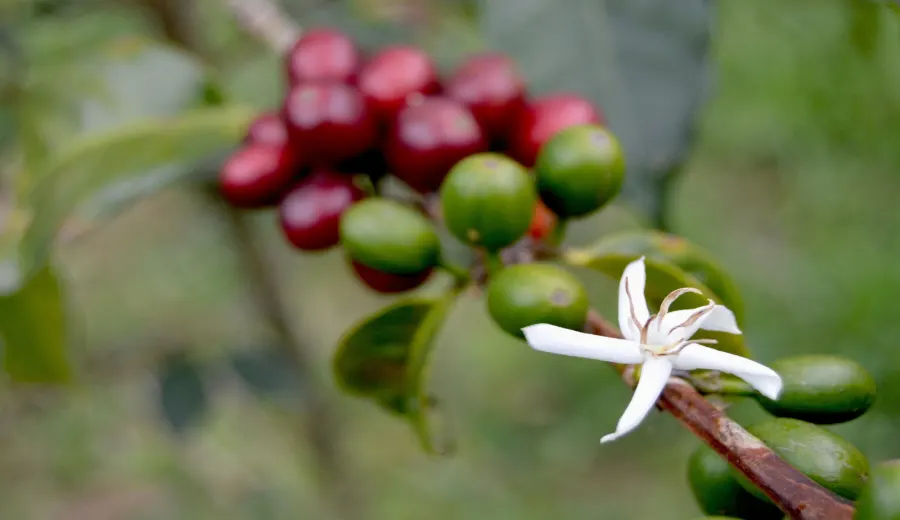
Introduction:Explore the Geisha coffee from Panama’s Boquete and Volcán regions, and learn how this specialty coffee showcases delicate floral and fruity notes through the washed processing method. This article will analyze the variety characteristics of Geisha, the advantages of its growing regions, and provide practical pour over parameters and a three-stage extraction process to help you fully present the layers and flavors of this coffee.
In the world of specialty coffee, Panamanian Geisha is undoubtedly one of the most celebrated stars. This coffee from the high-altitude regions of Central America is beloved by many coffee enthusiasts for its delicate floral and fruity aromas and smooth mouthfeel. Especially when processed via the washed method, Geisha highlights a clean and clear flavor profile, making it a classic that pour over lovers shouldn’t miss.
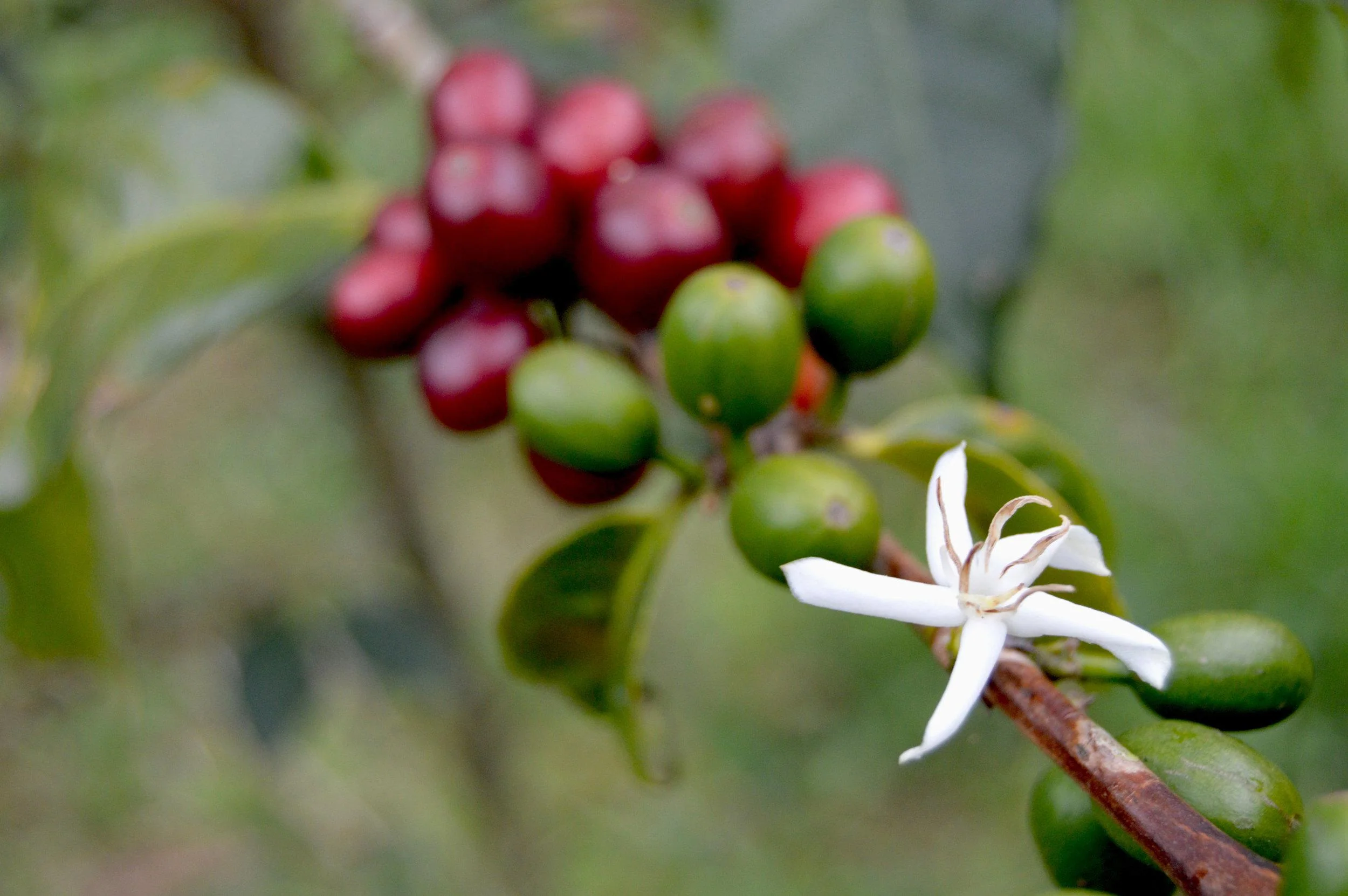
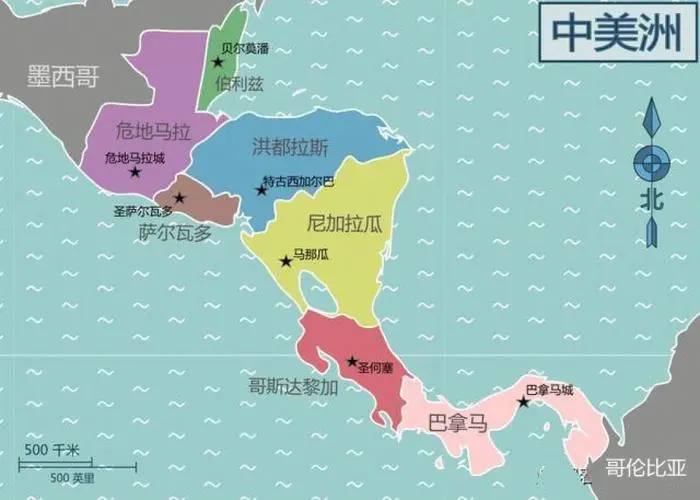
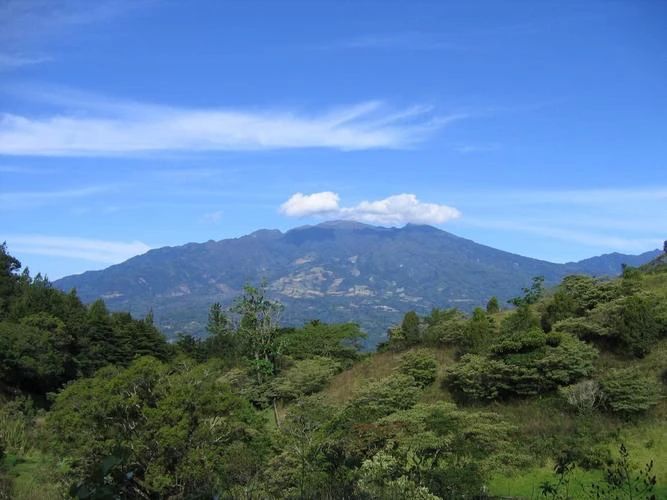
Coffee cultivation in Panama is mainly concentrated in the western mountainous areas, among which the Boquete and Volcán regions are the most renowned. Both areas are located in the volcanic belt of Chiriquí Province, boasting fertile volcanic soil and diverse microclimates, providing an ideal growing environment for Geisha coffee. Boquete lies at the foot of the Barú Volcano, with relatively low average annual temperatures, significant day-night temperature variations, and year-round cloud cover, allowing the coffee cherries to ripen slowly and accumulate richer flavor compounds. This area is also home to many top-tier estates, such as the well-known La Esmeralda, Elida, and Duncan estates.
In contrast, the Volcán region has even higher altitudes, mostly between 2000 and 3000 meters, with a dry climate and abundant sunshine. However, because it is situated on the western side of the volcano and intercropped with various tropical fruits, the local Geisha often exhibits more intense tropical fruit aromas and a more pronounced sweetness. These geographical and cultivation differences contribute to the unique flavor expression of Geisha from the Volcán region.
The Geisha variety itself is a legend in the coffee world. Compared to other common Arabica varieties, Geisha not only has a rare yield but also extremely demanding growth requirements. It prefers high altitudes, shaded environments, and good drainage conditions. The plants have thin leaves and shallow root systems, with limited capacity to absorb water and nutrients, resulting in a unit yield far lower than mainstream varieties like Caturra or Catuai. Additionally, Geisha requires very precise harvesting timing—overripe or underripe cherries can severely affect the final flavor—making both its cultivation and post-harvest processing costs notably high.
The washed processing method is one of the key steps in highlighting the delicate flavors of Geisha. This method first removes the outer skin and pulp of the coffee cherry, then places the beans with mucilage into water to ferment for about 24 hours, where microbial action breaks down residual stickiness. The beans are then rinsed clean and the parchment-covered green beans are evenly dried in the sun or using machines until the moisture content drops to around 12%. This processing method not only maintains the coffee’s cleanliness but also enhances its bright acidity and crisp aromatic expression.
Washed Panamanian Geisha typically features prominent white floral notes, such as jasmine or orange blossom, paired with the acidity of citrus fruits (like lemon or bergamot). The mid-palate reveals complex fruit flavors like peach and berries, while the finish often carries sweet notes reminiscent of green tea or honey. Such a flavor combination makes Geisha in the cup akin to a refined fruit tea, with distinct layers and a long-lasting aftertaste.
If you’d like to brew high-quality Panamanian washed Geisha at home, here are some practical pour over suggestions. We recommend using a V60 filter, with 15 grams of coffee grounds and a 1:16 coffee-to-water ratio. Set the water temperature at 91–92°C, and grind the coffee to a fineness similar to superfine sugar (approximately 80% of the fine grounds should pass through a #20 sieve). These parameters help balance acidity and sweetness while showcasing the delicate layers of Geisha.
For actual brewing, you can use the classic three-stage extraction method: First, pour 30 grams of water for a 30-second bloom, keeping the water temperature stable and using a small stream to circle from the center outward, ensuring all coffee grounds are evenly wetted. Then, in the second stage, pour 120 grams of water with a vertical and even stream. At this point, the total water volume is 150 grams, and the time is around 55 seconds. Finally, in the third stage, pour 90 grams of water using an even smaller stream and control the flow rate to avoid disturbing the coffee bed. The total extraction time is about 2 minutes and 10 seconds, reaching a total water volume of 240 grams.
Through this brewing method, you will fully experience the unique charm of Panamanian washed Geisha: the opening notes are fresh citrus and lemon acidity, the mid-palate delivers a soft creamy texture and fruity aromas, and the finish lingers with the sweet notes of green tea and honey. As long as you master the water temperature, grind size, and extraction rhythm, this coffee will bring you an exceptional taste experience.
The above content is compiled by CoffeeHunters, a coffee news website.


