








Introduction:Every step in pour over brewing affects the final flavor, but blooming is the crucial first step that determines whether extraction is even. By understanding the principles of blooming and mastering the right water volume and timing, you can effectively release carbon dioxide and aromatic precursors from the coffee grounds, avoiding overly watery or under-extracted results. This article will explain the importance of blooming from a scientific perspective and provide practical parameters and observation tips to help you brew more balanced and aromatic pour over coffee.
In the pour over process, blooming is an indispensable preparatory step that occurs before the main pouring phase and has a significant impact on overall extraction quality. Though this step may seem simple, it is rooted in science and is often overlooked by beginners.
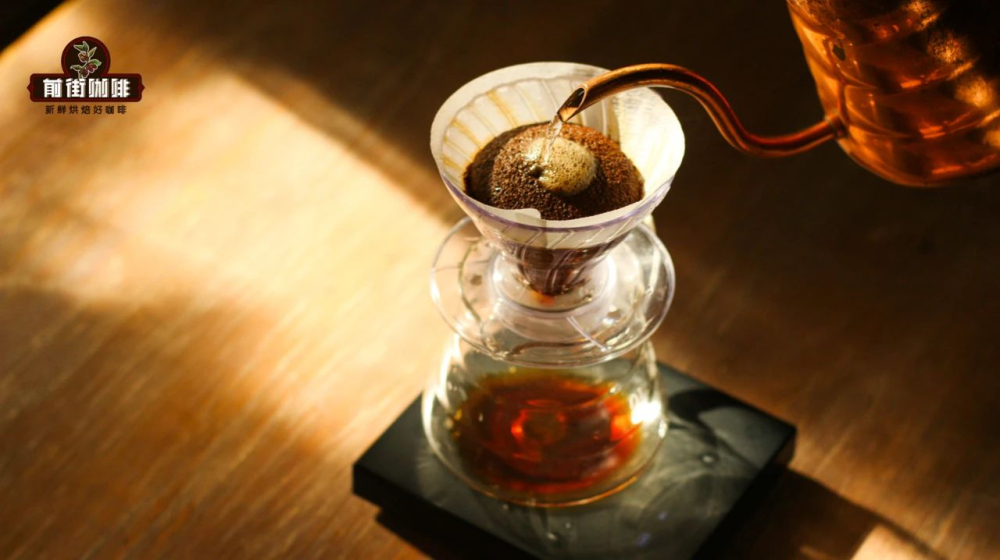
Many coffee enthusiasts commonly use double the weight of coffee grounds in water for blooming — for example, 30 grams of hot water for 15 grams of coffee — pouring in a circular motion to evenly saturate the grounds and cause the center of the coffee bed to rise slightly, forming a shape similar to a hamburger bun. Then they let it sit for about 30 seconds before beginning the main pour. But behind this routine, there are deeper reasons and variables worth exploring.
The reason for blooming before the main pour is primarily due to the large amount of carbon dioxide produced during coffee roasting, especially within the first few days to weeks after roasting. These gases remain trapped in the beans and, subsequently, in the ground coffee. When hot water contacts the coffee grounds, if these CO₂ bubbles are not allowed to escape first, they can obstruct water penetration, making it difficult for soluble flavor compounds to be released. This, in turn, hampers extraction efficiency and overall cup performance.
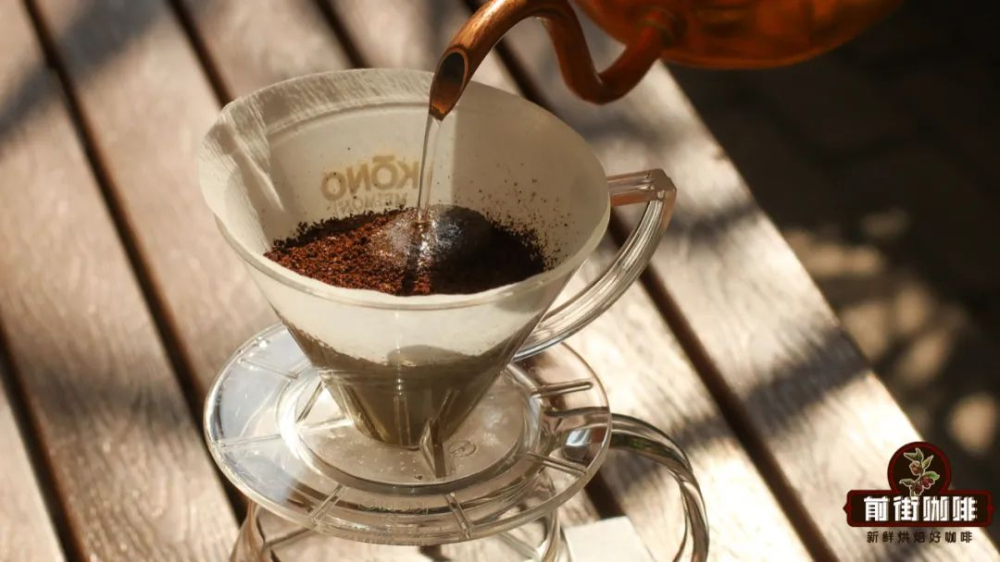
If carbon dioxide isn’t properly released, it not only disrupts extraction uniformity but may also lead to a final cup that tastes thin, lacks complexity, and has muted aroma. Therefore, the true purpose of blooming is not just “venting” but also “awakening” the aromatic compounds in the coffee grounds to ensure a smoother and more complete extraction later on.
In practice, it’s recommended to use roughly double the weight of coffee grounds in hot water for blooming. This volume of water fully saturates all the coffee particles without being so excessive that surplus water drains directly into the server, affecting concentration and extraction ratio. This amount of water also aids in uniformly wetting and expanding the entire coffee bed, creating a solid foundation for good extraction.
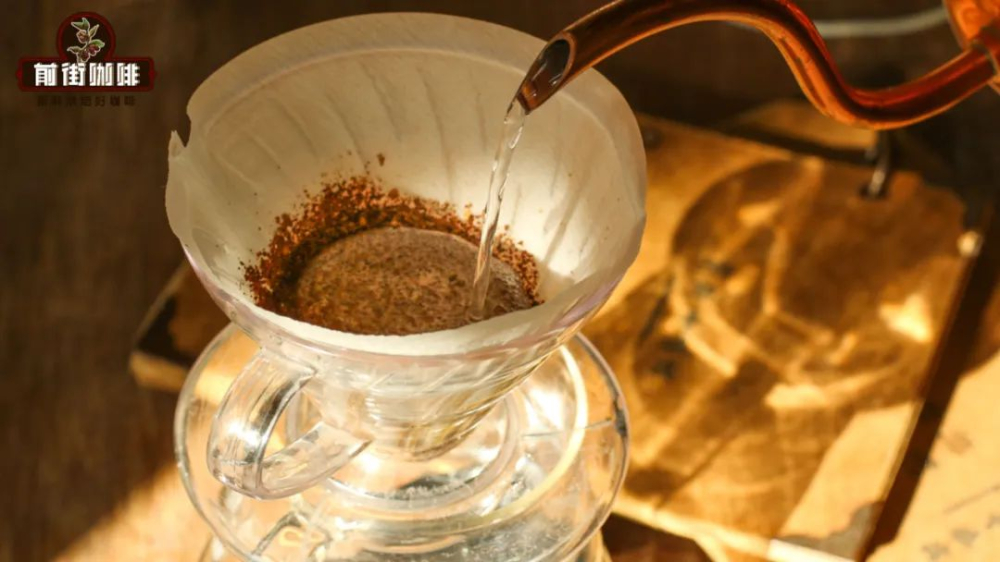
The duration of blooming is another parameter that requires careful control. A general recommendation is to let it sit for around 30 seconds, though in reality this should be flexibly adjusted based on the roast level and freshness of the coffee. The key to determining whether blooming is complete lies in observing changes in the coffee bed: when bubbles cease, the surface starts to dry and tiny holes appear, it indicates that most of the CO₂ has escaped, signaling readiness to move on to the next stage of pouring.
If blooming time is too short — known as “under-blooming” — the gases inside the coffee grounds haven’t been fully released, leading to continued bubbling during subsequent pouring. This not only interferes with the water’s path of infiltration but may also result in uneven extraction in certain areas, causing imbalanced flavors. Common issues include a thin body and lack of aroma.
On the other hand, if blooming lasts too long — for example, beyond 45 seconds or even a full minute — the water may have already begun draining through, the center of the coffee bed may start to collapse, forming voids. When you pour water again at this point, it can concentrate on one area, disrupting the originally even structure of the coffee bed and leading to over-extraction. This may bring out unwanted bitterness or off-flavors.
Therefore, observing the state changes of the coffee bed is key to determining whether blooming is complete. An ideal blooming process should show the coffee bed expanding fully, appearing moist and glossy, then gradually drying with fine cracks or tiny holes appearing over time — usually a sign that the venting process is nearly finished.
For beginners, using 30 seconds as a baseline time is a relatively safe and easy-to-manage starting point. If you’re new to pour over or trying a new coffee for the first time, starting with this parameter can often yield good extraction results. As you gain experience, you’ll be able to more accurately judge when to begin the main pour based on the actual changes you observe in the coffee bed, further improving the consistency and flavor profile of your pour over coffee.
The above content is compiled by CoffeeHunters, a coffee news website.


