







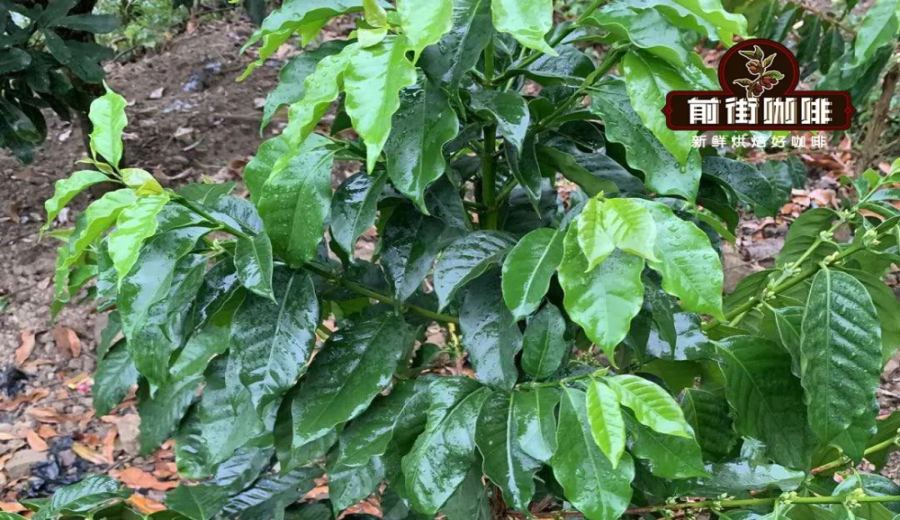
Introduction:Typica, one of the oldest varieties of Arabica coffee, has traveled from Ethiopia to the rest of the world through a long and winding journey. This article not only delves into the variety’s characteristics and global spread, but also provides a detailed look at its complete growth cycle from seed to bloom. Using Typica grown in Jamaica’s Blue Mountains as an example, it offers professional roasting advice, cupping data, and pour over parameters to help readers fully grasp the essence of this classic coffee variety.
Typica is one of the most historically significant varieties within Arabica coffee, originating in Ethiopia, Africa. It later spread through Yemen, India, Europe, and Southeast Asia, eventually taking root in Central and South America, profoundly influencing the global coffee industry. Known for its elegant flavor profile and bright, clean taste, this variety is also limited by its low disease resistance and relatively low yield. This article will take you through the origins, cultivation techniques, and global migration path of Typica, along with an in-depth analysis of its performance in renowned regions such as Jamaica’s Blue Mountains.
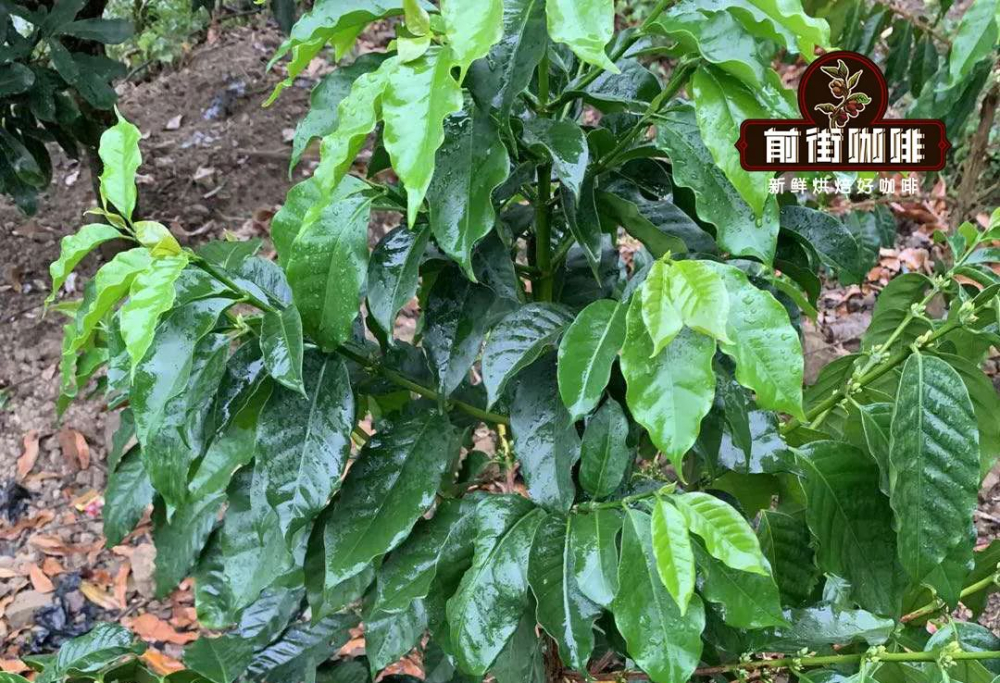
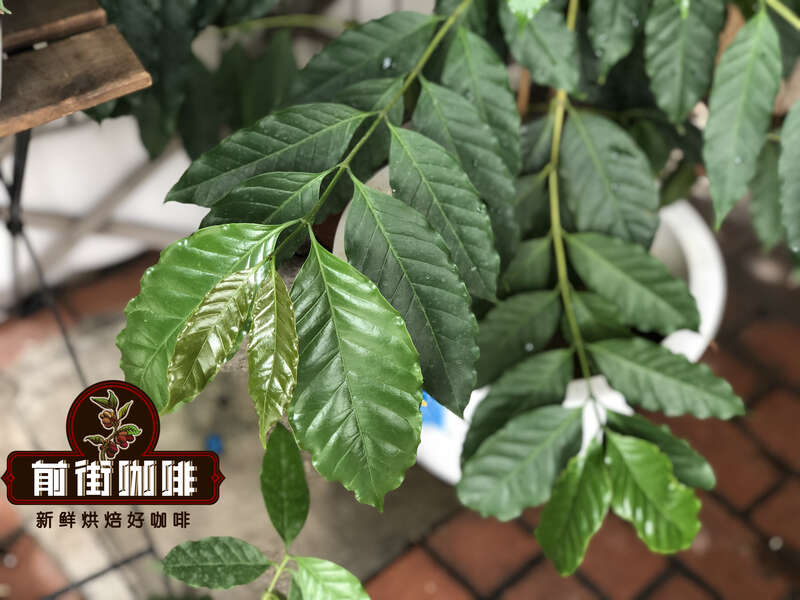
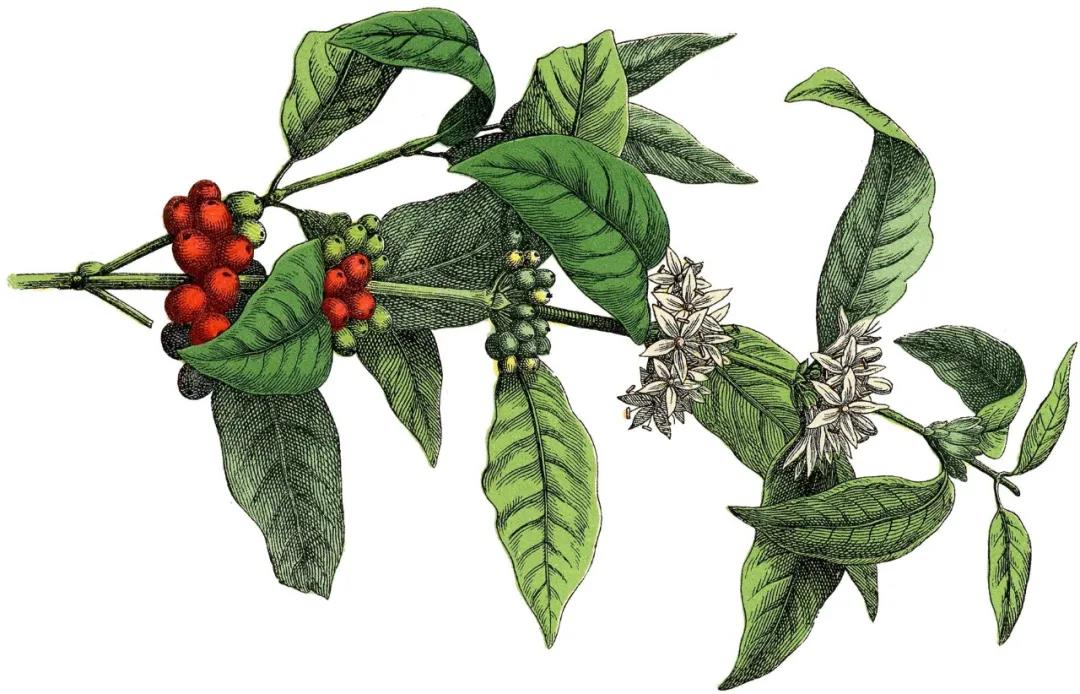
Typica is a classic cultivar under the Arabica species, first widely planted on the island of Martinique. Its major growing regions include Central America, Jamaica, Hawaii Kona, Papua New Guinea, and East Timor, among others. The plants of this variety exhibit a distinct conical shape, with straight trunks that can reach up to five meters in height. The angle between lateral branches and the main stem is about 50 to 80 degrees, presenting a pronounced acute angle. The leaves are long and narrow, with relatively smooth surfaces and indistinctly wavy edges. Young shoots initially display a unique bronze color. When ripe, the fruits are bright red, and the beans are slender and oval-shaped, with relatively large seeds—hence it is also known as “Red Top Coffee.”
However, Typica also has several drawbacks. It requires strict altitude conditions, typically performing best above 1200 meters, and is highly susceptible to leaf rust. It yields relatively poorly and has weak resistance to pests and diseases. Nevertheless, cupping reveals that this variety often exhibits high purity and distinct fruitiness, with soft acidity and a clean aftertaste, making it a classic favorite among many coffee enthusiasts.
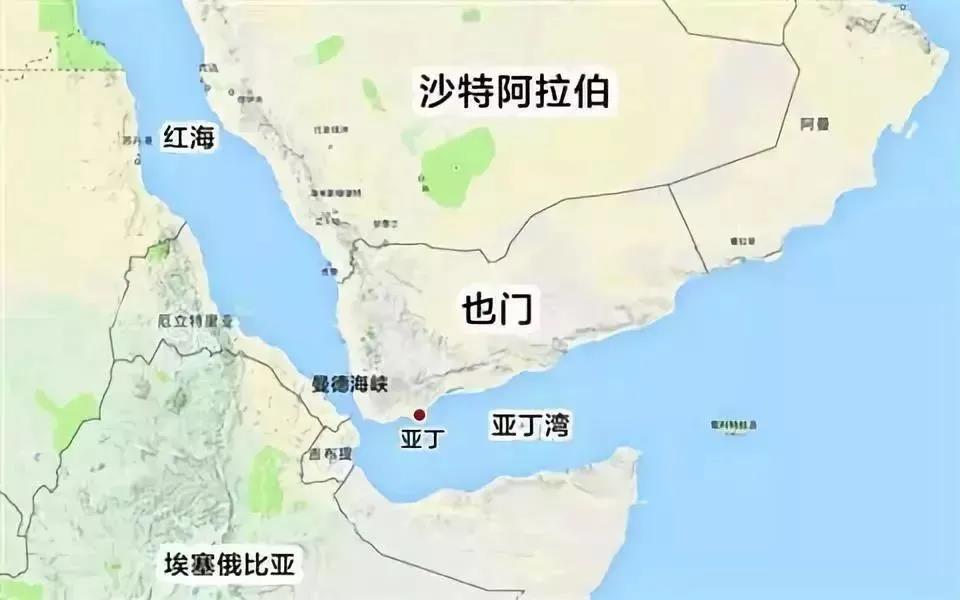
To discuss the history of Typica, we must start from its place of origin—Ethiopia. Although the commonly used term “Arabica” might lead people to assume the variety originated in the Arabian Peninsula, genetic research from 2002 has shown that Ethiopia is actually its true center of genetic diversity. The Arabian Peninsula is mistakenly considered the origin mainly because early coffee trade was centered around the port of Mocha in Yemen, from which coffee spread globally, leading to the misconception that coffee came from the Middle East. It wasn’t until genetic analysis confirmed its true roots that the honor was rightly restored to Ethiopia.
From Ethiopia, Typica first made its way to Yemen, where people began consuming coffee in various forms around the year 1500—for example, “qishr,” a drink made by boiling crushed coffee husks with spices, which later evolved into the more iconic “qahwa.” Then, around the year 1600, a Muslim Indian named Baba Budan secretly brought seven Typica seeds from Yemen back to the Chandragiri Hills in Karnataka, India, successfully planting them—this marked the first time Typica took root outside of Yemen.
Subsequently, in the 17th century, Europe began to recognize the commercial potential of coffee through the Dutch East India Company. In 1616, Dutch captain Pieter van den Broecke stole a Typica coffee tree from Mocha, Yemen, and successfully cultivated it in a greenhouse in Amsterdam, Netherlands. This tree came to be known as the “Mother Plant of Europe.” In 1699, the Dutch further transplanted the variety to Java, and in 1706, they brought Java-grown Typica back to their homeland for cultivation, marking the beginning of its journey to Southeast Asia and Central and South America.
In Southeast Asia, the Dutch introduced Typica to Sri Lanka and Java, gradually expanding to Sumatra and Sulawesi. However, a widespread outbreak of leaf rust in the late 19th century dealt a devastating blow to Indonesia’s Typica plantations, which were eventually replaced by the more disease-resistant Robusta variety.
As for Central and South America, in 1714 France received Java-grown Typica seedlings from the Netherlands, and in 1718, an officer named Déclieux successfully transported one of these trees to the French colony of Martinique in the Caribbean. This coffee tree quickly proliferated, with over 19 million trees planted by 1777. Later, countries such as Jamaica, Colombia, and Guatemala also introduced Typica, making it a foundational variety in many renowned coffee-growing regions of Central and South America.
Moving into the 19th century, Typica continued its journey. For instance, it was introduced to Hawaii’s Kona region in 1825, giving rise to the now-famous Kona coffee. In 1904, a French missionary planted the first Typica tree in Zhugula Village, Dali, Yunnan, China, marking the beginning of coffee cultivation in the country.
Regarding the cultivation process of Typica, every step from seed selection to harvesting requires meticulous attention. First is seed selection—only fully mature, plump, and purebred Typica coffee beans should be chosen. It is recommended to maintain a moisture content of around 13% to aid preservation, and to sow the seeds within 1–3 months to ensure the highest germination rate, which can reach up to 100%. If stored for too long, the germination rate will significantly decline.
After soaking the seeds in 45°C warm water for 24 hours, they can be sown in a medium-coarse layer of sand, covered with straw to retain moisture. Sprouting usually begins around 20 days later, and the seedlings emerge from the soil after 40–60 days. During this stage, shading with about 80% light blocking is necessary. Once the seedlings grow their first pair of true leaves, they can be transplanted into nursery bags for further growth. They should then be planted at a suitable altitude—ideally above 1200 meters—to develop optimal flavor. The coffee trees primarily focus on vegetative growth in the first two years after planting, and only begin flowering and fruiting in the third year.
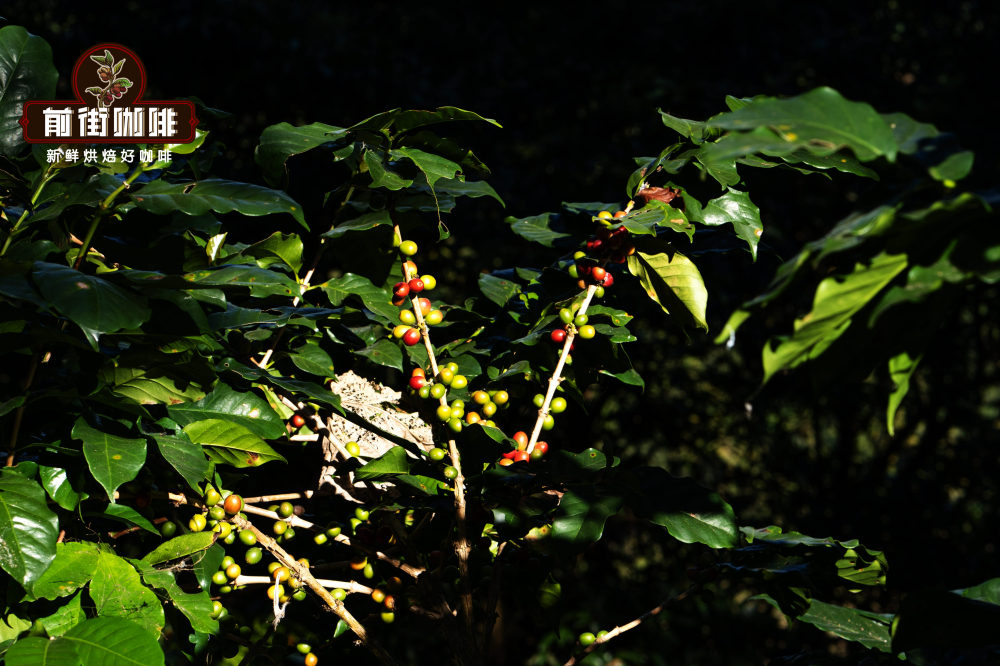
Coffee trees typically flower in their third year after planting, with the blooming period often occurring after the rainy season. The flowers are white and emit a strong jasmine fragrance. After pollination, the fruits turn from green to yellow, and eventually ripen to bright red. Harvesting is recommended to be done by hand, selecting only fully red and ripe fruits to ensure flavor consistency—an essential step in producing high-quality coffee.
Speaking of globally renowned Typica-growing regions, Jamaica’s Blue Mountains are undoubtedly the most representative example. The Blue Mountain range is located in eastern Jamaica, with altitudes ranging between 1000 and 1700 meters. The climate is cool and misty, with an average annual rainfall of 1980 millimeters, coupled with fertile volcanic soil, creating ideal conditions for Typica to thrive. The local Typica variety has undergone long-term adaptation, developing stronger disease resistance, particularly against berry disease, surpassing Typica from other regions.
In terms of roasting, Blue Mountain Typica is recommended to be processed with a medium-light roast to preserve its delicate acidity and aroma. The suggested roasting method is as follows: charge temperature at 170°C, with the air damper set to 3. At 5 minutes and 10 seconds, reach 153°C to dissipate grassy notes, then gradually adjust heat and airflow. Enter first crack at 8 minutes and 12 seconds, and finish roasting at 201.3°C to fully express its refined nutty and chocolatey tones.
Cupping results show that Blue Mountain Typica has dry aromas of roasted nuts, honey, melon, and chocolate, while the wet aroma features layers of oolong tea, caramel, and almond. The flavor profile presents a balanced combination of sweet, sour, and bitter notes, with a clean and lingering aftertaste. For pour over brewing, it is recommended to use a Kono filter, with a brew ratio of 1:15, water temperature at 88–89°C, medium-coarse grind, and a 30-gram bloom followed by pulse pouring to effectively highlight its delicate flavor spectrum.
In summary, Typica coffee beans are not only one of the most venerable varieties within the Arabica family but also a vital cornerstone of global coffee culture. From its origin and spread to its cultivation and roasting, every step is imbued with rich historical and technical details. Whether you are a researcher, grower, or coffee enthusiast, gaining a deeper understanding of Typica allows us to appreciate every hard-earned cup of coffee even more.
The above content is compiled by CoffeeHunters, a coffee news website.


