







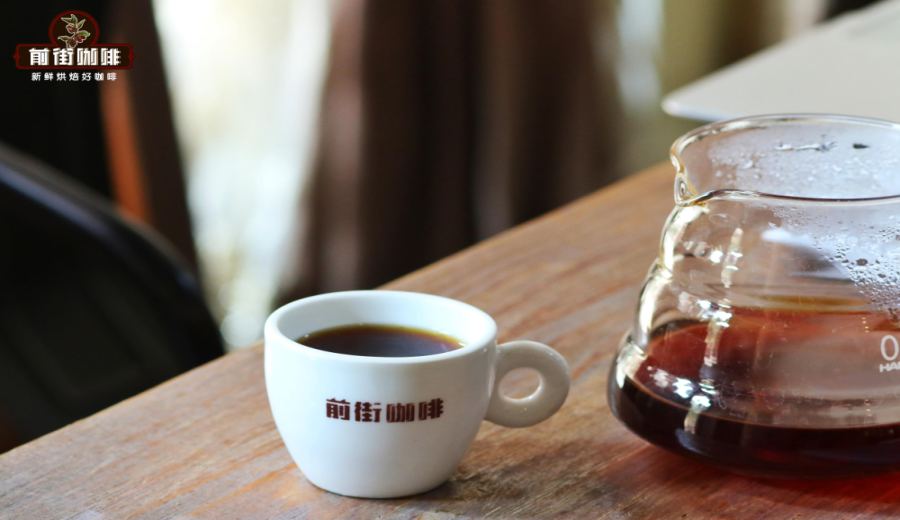
Introduction:The anaerobic natural coffee beans from Finca El Paraíso in Colombia are renowned for their intense fermentation character and rich sweetness, making them a popular entry point for many coffee enthusiasts looking to explore specialty processing methods. This article provides a comprehensive breakdown of this Bourbón variety coffee from the Cauca region—from regional environment, processing technique, roast profile, to full practical parameters and techniques for V60 pour over and espresso SOE extraction—to help you fully showcase its captivating layers of citrus, plum, and oolong tea.
Located in the highlands of southern Colombia, the Cauca region is known for its undulating terrain and fertile volcanic soil, making it an ideal terroir for cultivating specialty coffee. With an average altitude exceeding 1,750 meters and some areas even approaching 2,100 meters, along with distinct dry and wet seasons, the conditions are perfect for slow ripening of coffee cherries and the accumulation of rich flavor compounds. Cauca coffees typically exhibit gentle berry tones with nutty and stone fruit undertones, and Finca El Paraíso stands out as one of its most outstanding representatives.
Finca El Paraíso was founded in 2008 by Mr. Diego Samuel as a small family-run farm of just 2.5 hectares, but has since evolved into a pioneer in innovative specialty coffee processing. The farm owner has long been committed to agricultural research and technical development, continuously refining processing methods through his company Indestec to consistently produce high-quality coffee. In 2015, he won top honors in a local competition, establishing his presence in the specialty coffee scene. Currently, the farm mainly cultivates varieties such as Bourbón, Castillo, and Geisha, among which the Bourbón variety—with its pronounced sweetness and wine-like acidity—is the preferred choice for anaerobic natural processing.
This anaerobic natural coffee from Finca El Paraíso uses the Bourbón variety, grown at an altitude of around 2,050 meters in mountainous regions, and is classified as SUPREMO grade. Anaerobic natural processing involves placing harvested coffee cherries in sealed containers to ferment in a low-oxygen environment. During this process, microbial activity produces distinctive aromas and sweetness, after which the cherries are traditionally sun-dried. Compared to common washed or natural processes, anaerobic processing allows more precise control over fermentation direction, imparting richer fruitiness, syrupy texture, and a fuller body to the coffee.
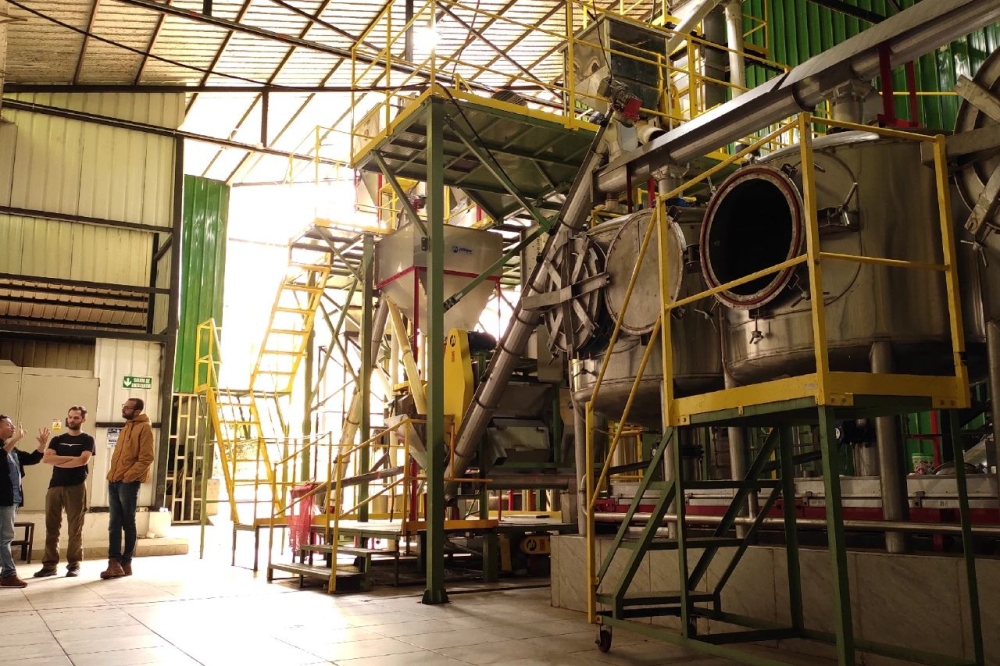
The main difference between anaerobic natural and double anaerobic enzyme-washed processes is that the latter first removes the skin and pulp, then subjects the mucilage-covered beans to a second round of anaerobic fermentation, followed by washing off the mucilage layer before drying. As a result, the aroma tends to be more expressive and the acidity brighter. In contrast, anaerobic natural retains more traces of flesh fermentation, resulting in more direct sweetness, concentrated and full-bodied flavor layers, with common descriptors including citrus, plum, pineapple, cream, and oolong tea among others.
The lot of Bourbón variety anaerobic natural green beans procured by this coffee shop exhibits uneven coloration and carries subtle fermentation and grassy notes—common characteristics of anaerobic processing. It is recommended to roast to a medium-light to medium level to fully highlight its fruity notes and sweetness. Practical roasting reference parameters are as follows: using a Yangjia 800N machine, bean charge of 480g, inlet temperature of 170°C, air damper at 3, flame power at 100; turning point around 1 minute 46 seconds, yellowing point (beans turn yellow and grassy notes disappear) at 146.6°C and 5 minutes 10 seconds, at which point the air damper can be adjusted to 4; first crack begins at 9 minutes 07 seconds, with a development time of about 2 minutes, and dropping the beans at 196.5°C, when the bean surface shows clear wrinkles and oil sheen, with aroma shifting to rich coffee fragrance.
During cupping, this coffee exhibits pronounced fermented aromas, with a wet aroma reminiscent of sweet osmanthus. The flavor profile is clear: on the entry, there are citrus, plum, and pineapple fruit acids; the mid-palate reveals a creamy texture and sucrose sweetness; the finish lingers with oolong tea notes and subtle tea-like sensations, overall well-balanced with distinct layers.
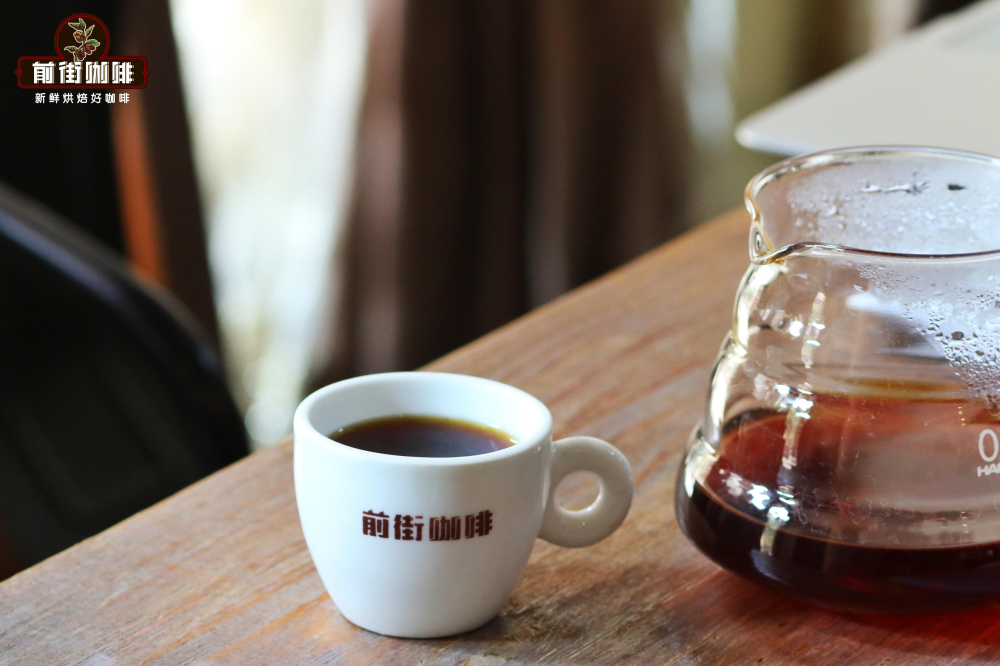
For pour over, we recommend using a V60 #01 filter cone, with a coffee dose of 15g, a brew ratio of 1:15, water temperature around 90°C, and grind size of about 80% through a 20-mesh sieve screen (close to the coarseness of fine sugar). The specific method is as follows: start by wetting the filter paper and preheating the equipment, then pour 30g of water for a 30-second bloom; follow with a slow circular pour to reach 125g for the first pour, then wait for the water level to drop before pouring to 225g total, stopping there. Total brew time is controlled to around 2 minutes. After brewing, flavor notes include osmanthus aroma and subtle fermentation scents, while sipping reveals delicate notes of pear, citrus, lemon, sucrose, cream, and oolong tea, with notable sweetness and a long-lasting finish.
For coffee enthusiasts wishing to further explore the potential of this coffee, it is also recommended to try SOE (single-origin espresso) extraction. Suggested parameters are as follows: use a double-shot basket, with 20g of coffee, aiming for 40g of extracted liquid, at a brew ratio of 1:2, grind setting approximately at Galileo 2.0 (adjust according to machine and grinder), and extraction time controlled between 26–32 seconds. The steps include: first drying the portafilter, accurately weighing 20g of coffee and evenly distributing the grounds, then using a tamper to press down vertically to ensure consistent puck density; pre-wet the group head and clean residual coffee grounds, reset the scale to zero, and begin extraction. Observe flow rate and liquid color, and stop the extraction when 40g of coffee has been brewed and the time reaches around 30 seconds. The finished shot can be enjoyed directly to experience rich crema and aromatic notes of spices and berries; for a lighter taste, dilute with water to make a 1:4 SOE Americano, or add fresh milk to prepare an SOE latte.
The above content is compiled by CoffeeHunters, a coffee news website.


