







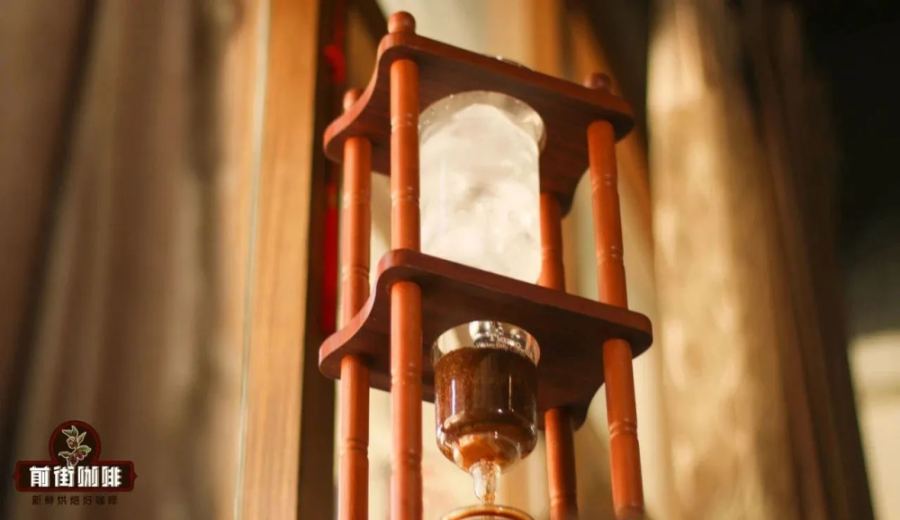
Introduction:Want to make cold drip coffee at home but not sure which coffee beans to choose? In fact, beans roasted to different levels will exhibit distinctly different flavor profiles under cold drip extraction. This article starts with the flavor differences between light, medium, and dark roasts, analyzes the extraction effects suited to each roast level, and offers practical advice on bean selection, grind size, coffee-to-water ratio, and dripping rate—helping you brew cold drip coffee that better suits your taste.
Cold drip coffee, through its low-temperature slow extraction method, delivers a clean and low-acidity taste, making it especially suitable for hot weather. However, because the process takes a long time and yields limited output, commercially available cold drip coffee is often quite expensive. That said, with the right bean selection and brewing techniques, you can also enjoy a high-quality cup of cold drip coffee at home.
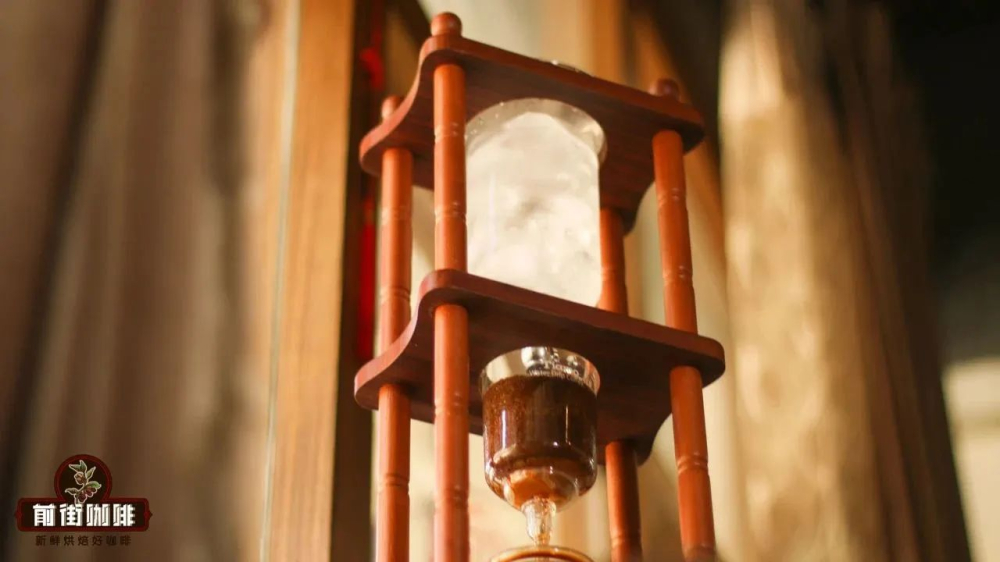
The extraction principle of cold drip coffee involves slowly dripping melted ice water through a bed of coffee grounds, gradually releasing flavor compounds in a low-temperature environment. Coffee beans roasted to different levels show very different flavor profiles under this extraction method: light roasts highlight bright fruit acids and floral-fruity aromas, medium roasts offer a balanced body with chocolatey finish, and dark roasts may release complex fermentation layers reminiscent of wine-like aromas.
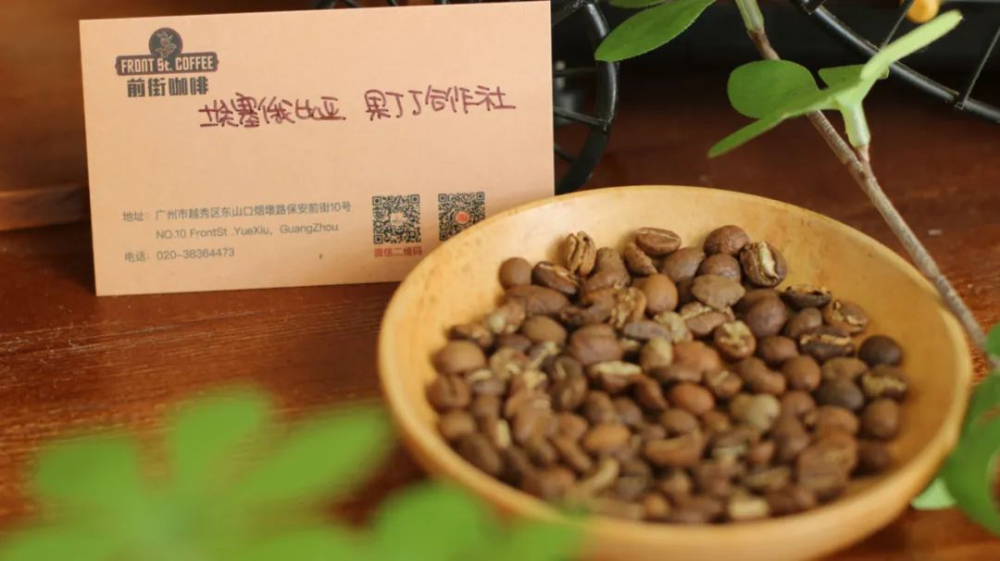
For those trying cold drip coffee for the first time, choosing the right beans is key. If you prefer a refreshing flavor with floral and fruity notes, light-roasted beans are your best bet—they typically feature bright aromas of citrus, honey, green tea, or grapefruit, with soft acidity and a clean aftertaste, making them ideal for those who don’t enjoy heavy bitterness. If you like a richer, more layered mouthfeel, medium roast is a balanced choice, often leaving behind nutty, caramel, or chocolate-like finishes. And if you’re drawn to fermentation notes and wine-like aromas, dark-roasted beans, when extracted slowly at low temperatures over a long period, can often release complex scents akin to fermented liquor.
Many cold drip enthusiasts select beans from different origins and processing methods based on personal taste. For example, washed-process beans usually present clear, bright acidity and fruity notes; whereas beans processed via anaerobic fermentation or natural sun-drying tend to showcase tropical fruit flavors and intense fermentation aromas during cold drip. Additionally, bean freshness directly impacts the final flavor—opt for recently roasted beans and brew soon after grinding.
Regarding grind size,the recommended grind for cold drip coffee is similar to that for pour over,roughly the size of sugar granules. Too fine a grind can lead to over-extraction, resulting in bitterness; too coarse may cause under-extraction and a weak flavor. Also,the coffee-to-water ratio is advised to be around 1:15,meaning 1 gram of coffee beans to 15 milliliters of ice water mixture, though this can be fine-tuned to personal preference.
During actual extraction, there are also some parameters and techniques worth noting. First is the dripping speed, which should be maintained atabout 7 drops per 10 seconds,a stable rate that ensures sufficient time for water and coffee grounds to interact—avoiding too fast (which leads to under-extraction) or too slow (which can cause over-extraction and fermented flavors). The total extraction time generally ranges from 8 to 12 hours, depending on ambient temperature and the dripping setup.
Additionally,the general ratio of coffee grounds to ice water is 1:5,but the overall extracted liquid ratio should still be based on 1:15 to achieve moderate strength. Since the flavor of freshly dripped cold drip coffee isn’t fully balanced right away, it’s recommended to let it sit for several hours or even refrigerate it for a day before drinking—sometimes resulting in a rounder, smoother finish.
Common mistakes include using stale beans, starting extraction too long after grinding, or maintaining an unstable dripping rate—all of which can negatively affect the final cup. Moreover, while dark roast beans can express unique wine-like richness and depth in cold drip, improper control may also bring excessive burnt bitterness or over-fermentation issues. Beginners are advised to start with medium to light roasts and gradually explore personal preferences.
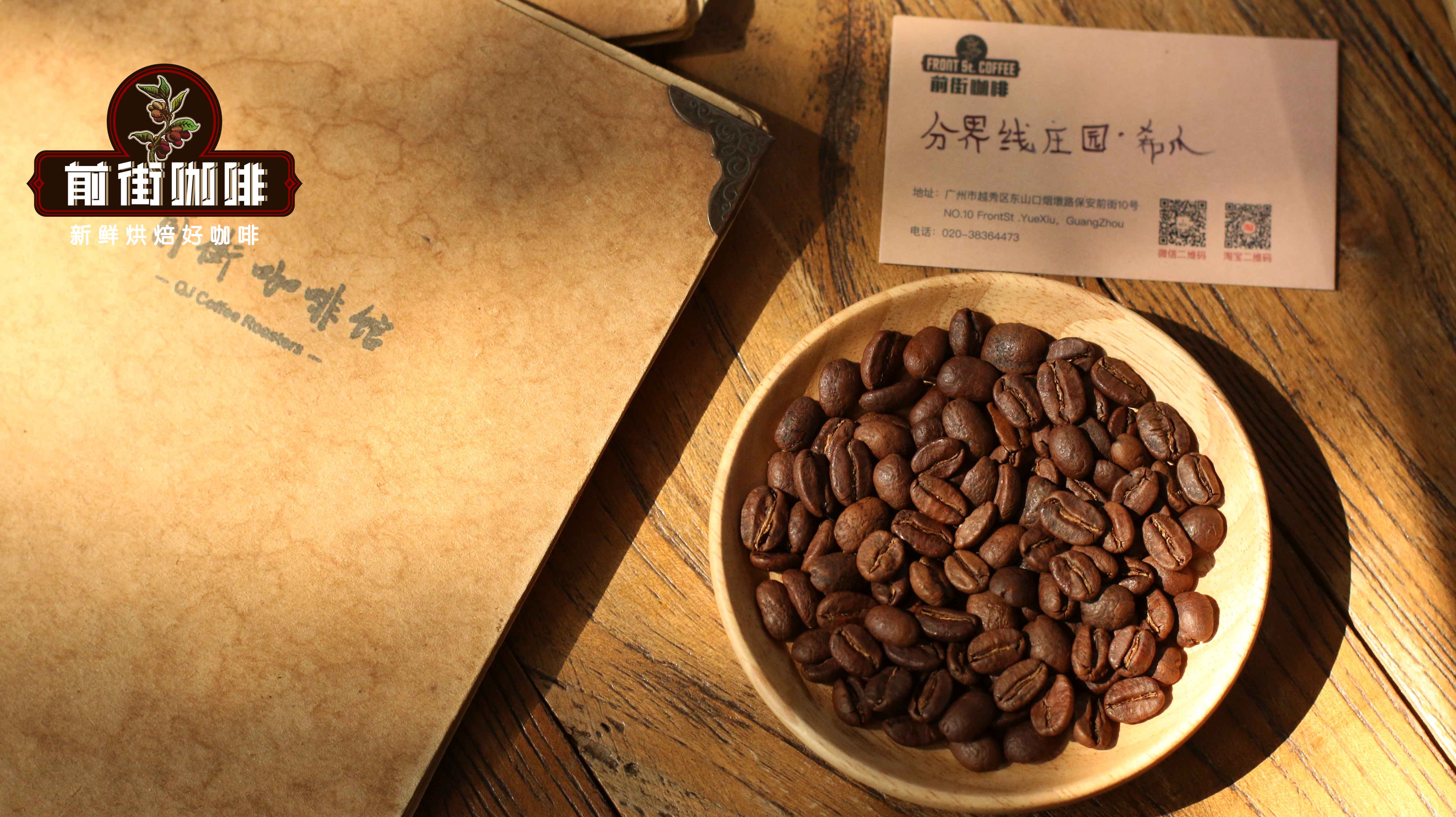
In summary, the charm of cold drip coffee lies in its ability to fully reveal the latent flavor layers of coffee beans through low-temperature slow extraction. Whether you prefer bright floral-fruity notes, rich chocolate tones, or deep wine-like aromas, you can craft your own cold drip flavor by selecting beans of different roast levels and processing methods, paired with suitable grind sizes and extraction parameters. With the right know-how, you too can enjoy a personalized cold drip coffee experience at home.
The above content is compiled by CoffeeHunters, a coffee news website.


