







Introduction:Yirgacheffe is renowned for its distinctive floral, fruity aromas and tea-like body, making it the starting point for many newcomers to specialty coffee. This article delves into Ethiopian washed-process Yirgacheffe, highlighting the fruit-forward and well-balanced Guji Gedi Chafa Cooperative G1 with its gentle acidity and layered flavors. We’ve also selected several highly regarded washed Yirgacheffe beans on the market, complete with detailed flavor profiles and recommended brewing methods to help you find the specialty coffee bean that best suits your taste.
With its bright citrus, lemon, and berry aromas paired with delicate floral notes and a clean tea-like body, Yirgacheffe has become a top choice for many coffee enthusiasts exploring specialty coffee. Whether brewed using pour over, drip bags, cold brew, or ice drip, this classic coffee from Ethiopia’s renowned growing region delivers exceptional performance. However, a truly outstanding cup of Yirgacheffe is the result of a harmonious combination of terroir, coffee variety, processing method, roasting technique, and brewing approach. For the average consumer, choosing a freshly roasted, high-quality washed Yirgacheffe is the simplest and most effective way to enjoy delicious coffee.
Yirgacheffe is not only a famous coffee-growing region in Ethiopia but also one of the global benchmarks for floral and fruity coffees. The coffee produced here is suitable for almost all common brewing devices, whether it’s a pour over kettle, drip bag filter, cold brew setup, or even a French press or siphon. The so-called “Yirgacheffe flavor” typically refers to clear citrus and lemon aromas, accompanied by soft berry notes and delicate floral tones, with a tea-like clarity in the aftertaste. Its layered flavors are unforgettable. Fully showcasing these intricate flavor characteristics relies on the interplay of cultivation environment, variety selection, processing craftsmanship, roast level, and brewing details.
Although there are many influencing factors, choosing the right coffee bean can solve most issues for consumers. This article will focus on Ethiopian washed Yirgacheffe, particularly introducing the G1 grade beans from the Guji Gedi Chafa Cooperative. These beans are known for their gentle acidity and richly layered flavors, and are considered by many coffee lovers as the representative of “non-acidic Yirgacheffe.” In addition, we’ve compiled several washed Yirgacheffe products with excellent market feedback, providing detailed flavor analyses and reasons for recommendation to help you quickly find your own perfect match.

The Guji Gedi Chafa Cooperative is located in the Guji Zone of southern Ethiopia and is one of the region’s well-known high-altitude washed coffee processing facilities. The G1 grade coffee produced by this cooperative uses carefully selected coffee cherries and undergoes a traditional washed process with precise control over fermentation and washing, resulting in a bright yet non-harsh acidity, along with rich fruit and floral tones. These beans are not only easy for beginners in pour over brewing to handle but also allow one to fully experience the classic charm of Yirgacheffe.
When selecting washed Yirgacheffe, it’s recommended to pay special attention to the roast date and storage method. Freshly roasted beans generally perform best within 7 to 21 days after roasting. For brewing, a medium-light roast is advised. Grind size can be adjusted according to the brewing device—for example, pour over typically calls for a medium-fine grind (similar to superfine sugar), with water temperature controlled between 90–93°C, and a coffee-to-water ratio of 1:15 to 1:2, which better highlights the balance of citrus, honey, and tea-like qualities.
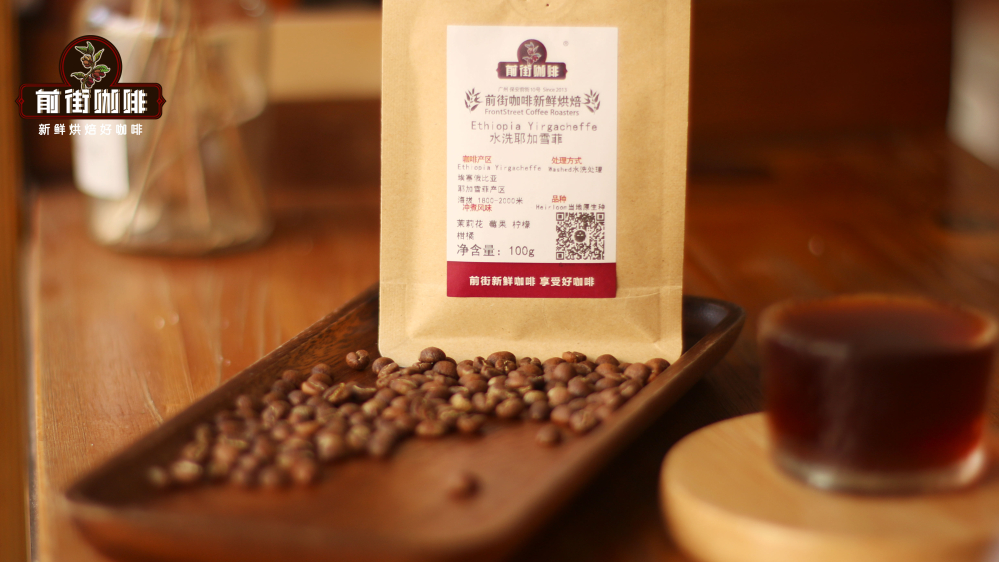
If you’re looking for a representative washed Yirgacheffe that’s also suitable for everyday drinking, the following market-proven products are worth considering: The first features typical lemon, citrus, honey, and berry flavors with a pronounced tea-like body, ideal for those who prefer a refreshing taste; another highlights jasmine, citrus, and berry aromas with gentle acidity and rich layers, delivering delicate performance whether brewed using pour over or cold brew; there’s also an option with lower acidity, offering flavors of ripe fruit and a creamy smooth mouthfeel, suited for coffee lovers who prefer mellow profiles. Additionally, for espresso enthusiasts, there are low-acid SOE beans with black tea and fruit aromas, ideal for making espresso or using in a moka pot, with good crema and balanced flavors.
The above content is compiled by CoffeeHunters, a coffee news website.


