







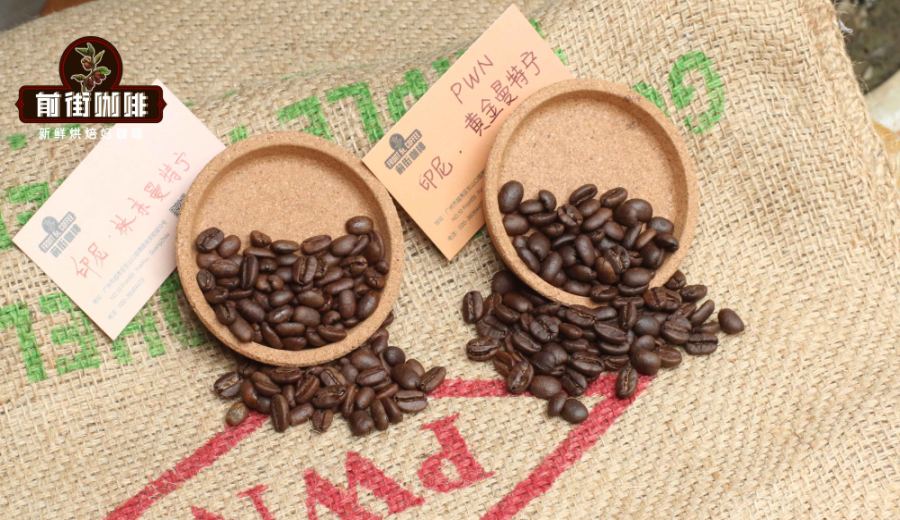
Introduction:Golden Mandheling is renowned for its notes of spices, nuts, and caramel sweetness. Its unique flavor profile originates from Sumatra’s wet-hulled processing method and PWN’s four-stage hand selection. This article delves into the regional background of this classic Indonesian bean, the differences in processing techniques, and provides a professional pour over brewing guide — covering grind size, water temperature, and three-stage pouring techniques — to help you consistently extract a balanced and full-bodied coffee experience.
Grown in the volcanic soils of Indonesia’s Sumatra Island, Mandheling coffee is synonymous with what many coffee enthusiasts consider the “epitome of body.” Among them, Golden Mandheling stands out with its pronounced spicy notes, herbal aromas, and robust layered mouthfeel, making it a favorite among many coffee aficionados. The charm of this coffee not only comes from Sumatra’s unique geographical environment but is also inseparable from its distinctive “wet-hulled processing method” and the rigorous selection process of the PWN company.
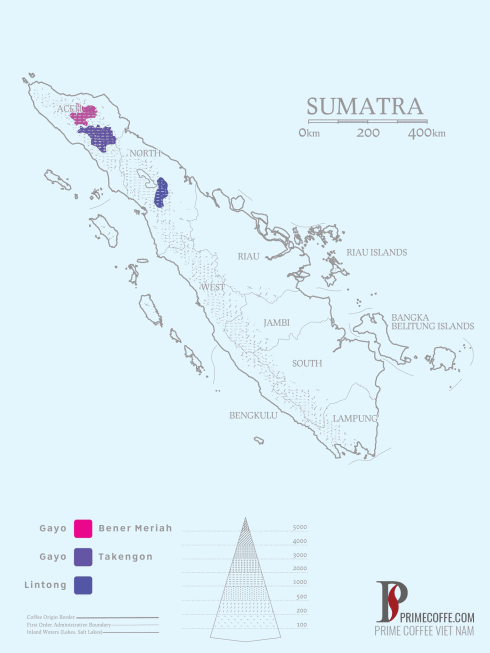
The northern tip of Sumatra Island is surrounded by two volcanic lakes, Lake Tawar and Lake Toba. The soil here, enriched by volcanic ash deposits, is rich in minerals. Coupled with the year-round hot and humid tropical rainforest climate, it provides ideal growing conditions for coffee trees. However, it is precisely because of the high humidity and limited water sources that the region has developed a “wet-hulled processing method” that is distinctly different from the washed methods of Central and South America or the natural methods of Africa — and this is the key to Mandheling’s unique flavor.
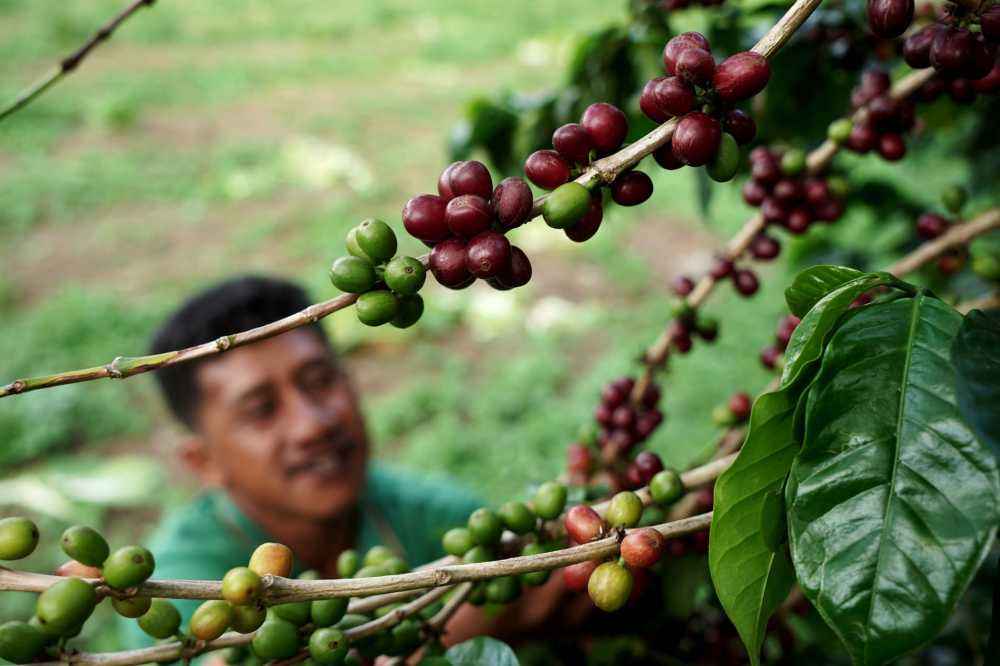
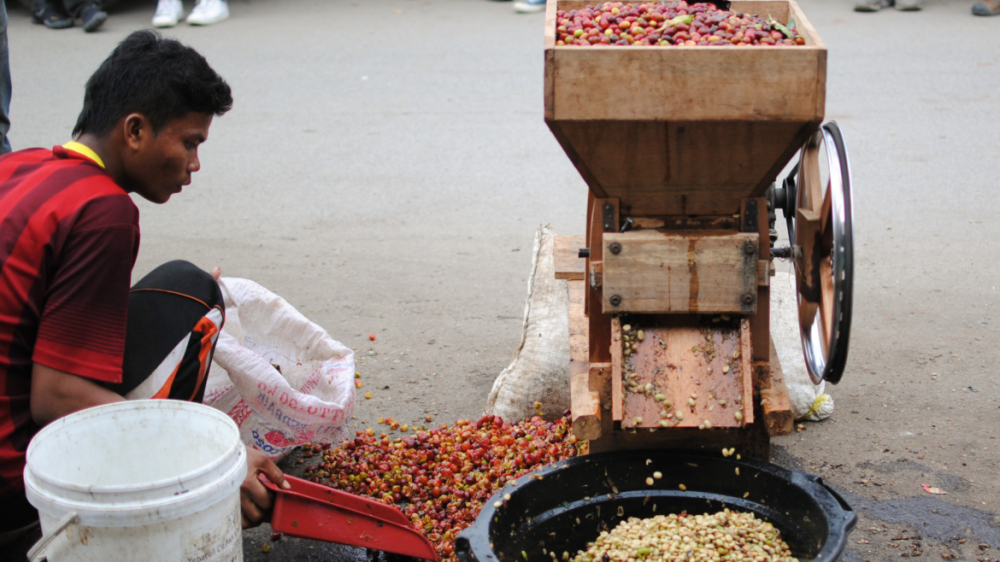
The wet-hulling process begins with the removal of the coffee cherry’s skin and pulp. The beans, still coated with some mucilage, undergo a short fermentation period of several hours before being brushed to remove the mucilage layer. The fermented parchment beans then enter the first drying phase, with the goal of reducing moisture content to 30%–40%. This stage usually takes 2–3 days. Notably, at this point, the parchment beans are not yet fully dry, and farmers will sell them to buyers. The buyers then directly use machines to remove the outer parchment layer and extract the inner green beans.
Because the fermentation and drying times in the wet-hulling method are both shorter than those of traditional washed processing, it not only saves labor but also allows the green beans to retain more regional characteristics during processing. However, the high friction of the hulling machine often crushes the tightly adhered parchment layer, releasing white or greenish mucilage that causes the beans to soak in damp, sticky liquid for extended periods. This results in softened, whitened, or even swollen beans with a grayish-green surface. Additionally, the friction can easily create small dents at both ends of the beans, forming what is known as “elephant ear beans.” This unique processing method gives Indonesian coffee its intense woody, spicy, and herbal notes — what coffee enthusiasts often refer to as the “terroir flavor.”
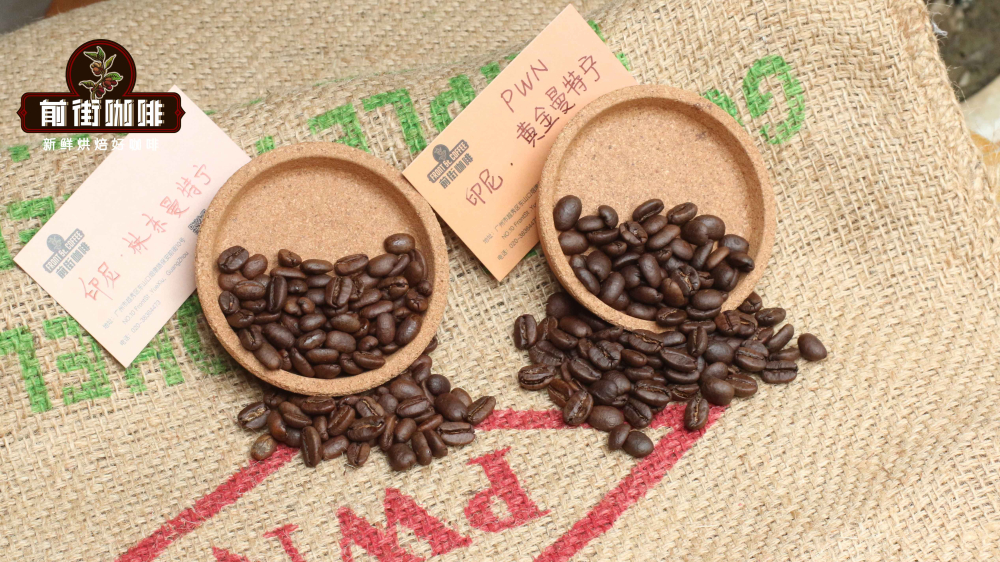
To elevate the overall quality of Mandheling, Indonesia’s PWN company conducts four rounds of manual sorting on purchased green beans, ensuring each bean meets standards of completeness, uniformity, and plumpness, with a size specification of 18 mesh or above, meeting the local G1 grade requirements. Through cupping comparisons, PWN-selected Golden Mandheling effectively reduces the earthy and woody off-flavors commonly found in regular Mandheling, resulting in a cleaner and brighter flavor profile. It is important to note that while many products on the market claim to be “Golden Mandheling,” only the PWN company has registered the trademark for this name. Therefore, authentic Golden Mandheling comes exclusively from PWN’s selected batches.
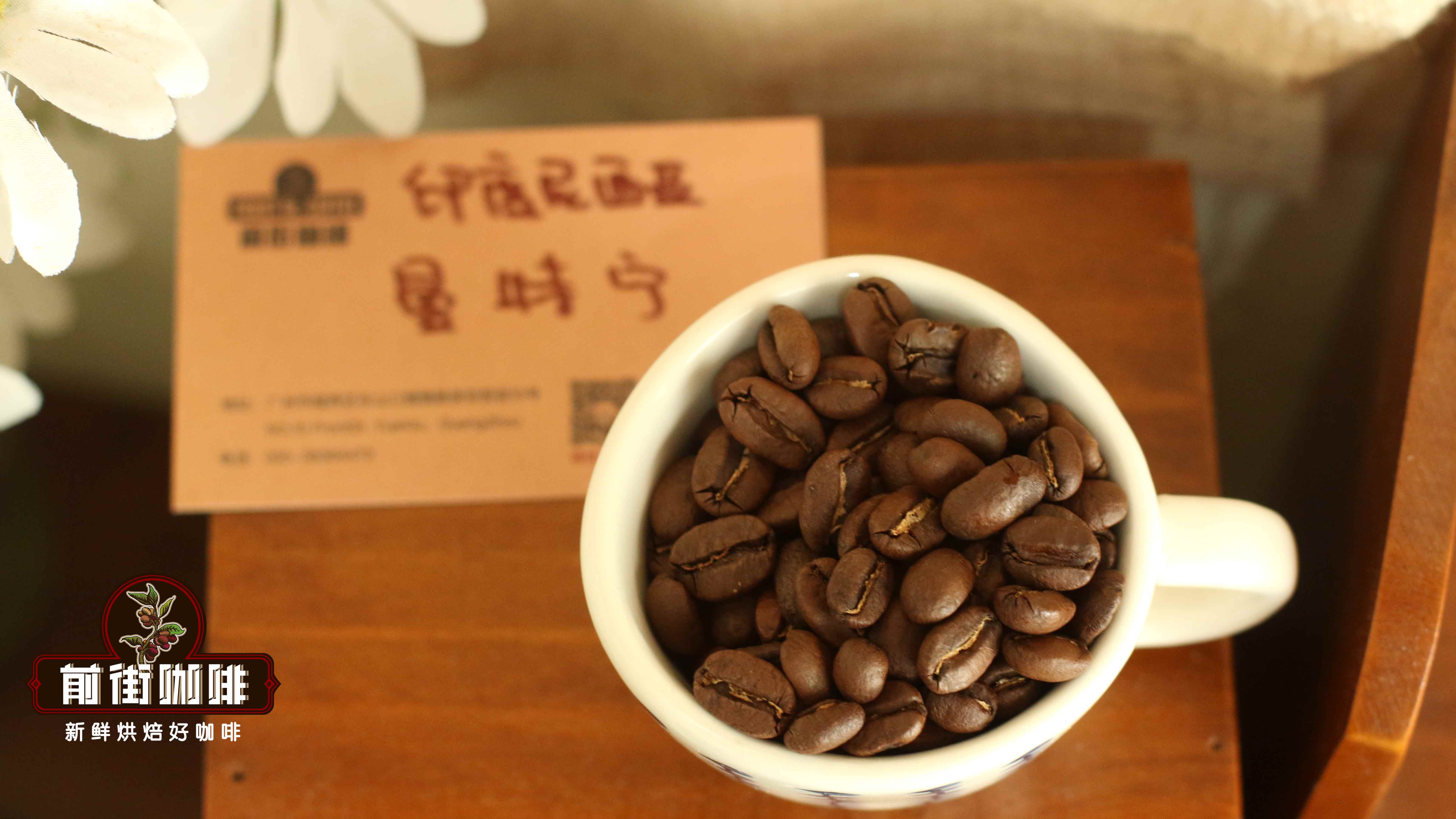
The flavor profile of Golden Mandheling is grounded in spices and herbs, paired with a full body and prominent notes of caramel, chocolate, and nuts. To fully showcase these characteristics, roasters typically opt for a medium-dark roast, allowing the beans to release deeper sweetness and aroma under heat. If you want to brew a café-quality cup at home, here is a professional pour over recommendation tailored for Golden Mandheling.
First, freshness is a key factor influencing flavor performance. It is recommended to choose coffee beans roasted within 4–7 days, as the flavors are most vibrant, aromatic, and layered at this stage. After about one and a half months, the aroma gradually declines and may develop woody-like off-flavors. The beans offered are typically roasted within 5 days, and considering logistics time, you can start enjoying them upon receipt.
For full-bodied medium-dark roasted beans like Golden Mandheling, it is recommended to use a Kono filter cone. The Kono cone’s ribs extend only halfway up the cup, allowing the filter paper to adhere tightly to the cup walls after wetting, effectively restricting airflow and extending the water absorption time of the coffee grounds. This leads to a more even extraction and enhances the body. Additionally, the ribbed skeleton design at the bottom of the cone helps create a siphon effect, making the coffee flow smoother.
In terms of specific parameter settings, it is recommended to control the water temperature at 87–88°C, use 15 grams of coffee grounds, maintain a coffee-to-water ratio of 1:15, and grind to a medium fineness (approximately 70% passing through a Chinese standard No. 20 sieve). Excessively high water temperatures or overly fine grinds can lead to over-extraction, resulting in bitterness and astringency, so special attention is needed.
The brewing method employs a three-stage pouring technique: the first stage is a 30ml bloom pour to fully wet the coffee grounds and facilitate degassing in preparation for subsequent extraction; the second stage involves pouring 100ml, during which you can observe the release of golden crema and slightly lift the coffee bed; the final stage uses a gentle center pour to add 95ml. Once the coffee has completely filtered through, remove the filter cone and gently swirl the coffee in the server to ensure even integration of flavors.
By following the steps above, you will be able to consistently extract the spicy and herbal aromas of Golden Mandheling, along with its robust body and captivating caramel sweetness, chocolate, and nut flavors. Whether you are a coffee beginner or an advanced enthusiast, this classic Indonesian bean offers a surprisingly delightful pour over experience.
The above content is compiled by CoffeeHunters, a coffee news website.


