







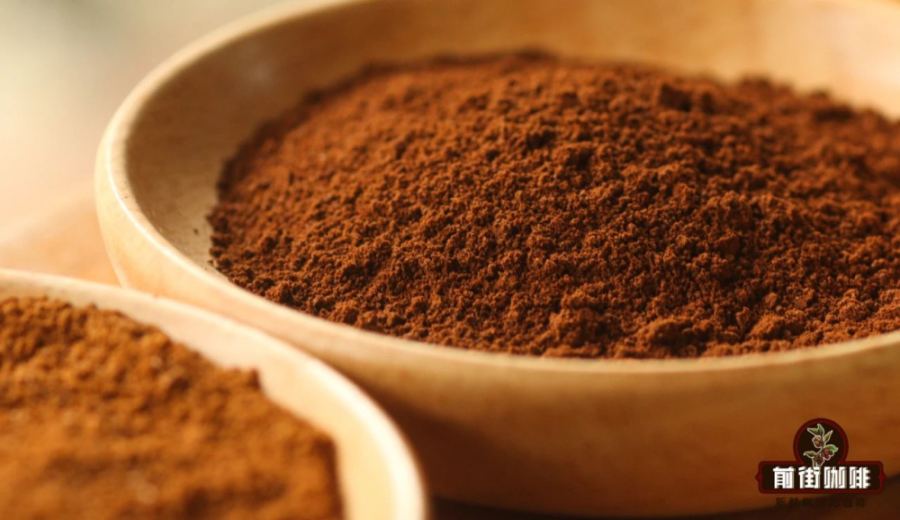
Introduction:Accidentally ground your beans too fine for pour over—like espresso-fine? Don’t toss them out just yet. This article breaks down how to adjust your pour over parameters to still achieve a balanced cup using finely ground coffee. From filter choice and water temperature to hands-on brew ratio comparisons, we’ll help you avoid common extraction pitfalls—even a bold 1:10 high-concentration brew has been tested and works.
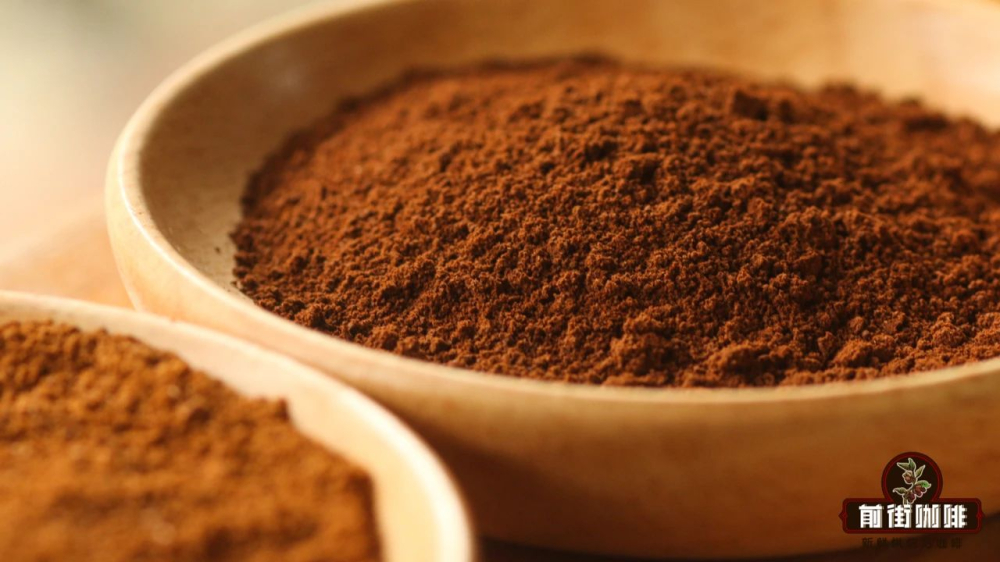
Coffee enthusiasts often run into this issue: you carefully select your beans, only to find after grinding that the grind size is much finer than expected—closer to espresso standards. Using standard pour over parameters in this case can easily lead to over-extraction and produce harsh bitterness. So are these finely ground beans doomed? Not at all—as long as you master key variable adjustments, you can still bring out their fascinating flavor layers.
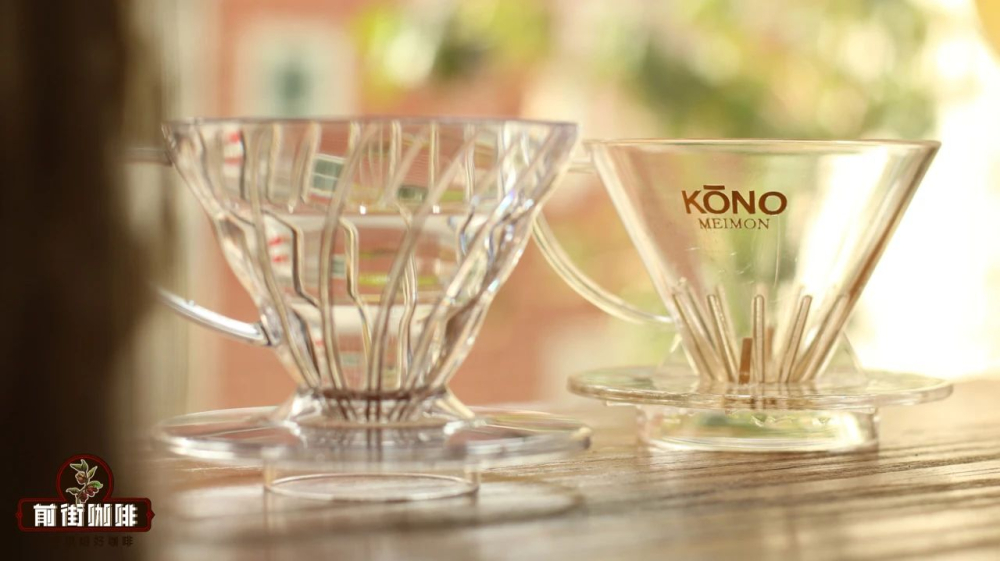
Take a medium-dark roasted Mandheling as an example. It naturally has a full body and low acidity, with notes of chocolate, caramel, and woodiness—flavor characteristics that can actually accommodate the intense extraction from fine grinds. For the experiment, we used a KONO filter with a rib height that only reaches the middle section of the filter. Its unique design focuses the water flow through the coffee bed, while tightly fitted filter paper slows down drainage, effectively extending the contact time between water and coffee. This setup is particularly well-suited to tackle the brewing challenges posed by fine coffee particles.
Water temperature control is the primary key.It’s recommended to lower the water temperature from the usual 90°C+ down to the range of 81–83°C.Lower temperatures can effectively reduce the risk of over-extraction caused by high heat on fine grinds. Practical testing showed that when the water temperature exceeds 85°C, even shortening the brew time will still result in noticeable burnt bitterness, whereas a cooler environment around 81°C highlights the rich base tones of dark chocolate and cocoa.

For brew ratios, we offer two proven methods: the conservative choice is the standard 1:15 ratio, or you can boldly try the bold 1:10 high concentration and then dilute it afterward through a “bypass” method. The former maintains the refreshing base typical of standard pour over, while the latter suits those seeking a stronger taste experience. Be especially mindful that for the 1:10 ratio, additional water must be added after the main brew phase—we recommend adding it in increments to avoid disrupting overall balance.
Pouring technique directly affects extraction evenness. Given the tendency of fine grinds to clump, we recommend usinga single-point center pour method,where water is poured steadily from the exact center of the filter cone. Avoid wide stirring motions that cause fine particles to shift and create channeling effects. Observations show that this method concentrates the water flow through the core of the coffee bed. Although it may result in a noticeably sunken coffee bed at the end, it effectively controls the overall extraction rate.
Practical comparison showed that using the 1:15 ratio—with 30 grams of coffee and a total of 450 ml water (including 30 ml for blooming)—pouring from the center up to the 225 ml mark, then waiting for the water level to drop to the middle of the filter before removing it,resulted in a total brew time of around 1 minute and 10 seconds.The flavor profile highlighted a rich texture of dark chocolate and roasted hazelnuts, with a caramel-like sweetness in the aftertaste—ideal for those who enjoy a fuller-bodied cup.
Meanwhile, the 1:10 experimental group used the same amount of coffee but only 150 ml of initial water (including 30 ml for blooming),extended the brew time to 1 minute and 35 seconds, then added 100 ml of water as a bypass.This approach balanced intensity with complexity, revealing herbal and piney notes beneath a cocoa base, with a creamy aroma emerging mid-palate to add layers of flavor. The overall cup was cleaner and more harmonious.
Key takeaways: when working with finely ground coffee,prioritize lowering the water temperature to 81–83°C, reducing the brew ratio to 1:15 or less, and avoiding large circular pours from center to edge.If you want to try a high-concentration brew, be sure to pair it with the bypass method to adjust mouthfeel. Remember these parameter adjustment principles, and next time you accidentally end up with super fine grinds, you can easily transform them into a uniquely flavorful pour over.
The above content is compiled by CoffeeHunters, a coffee news website.


