







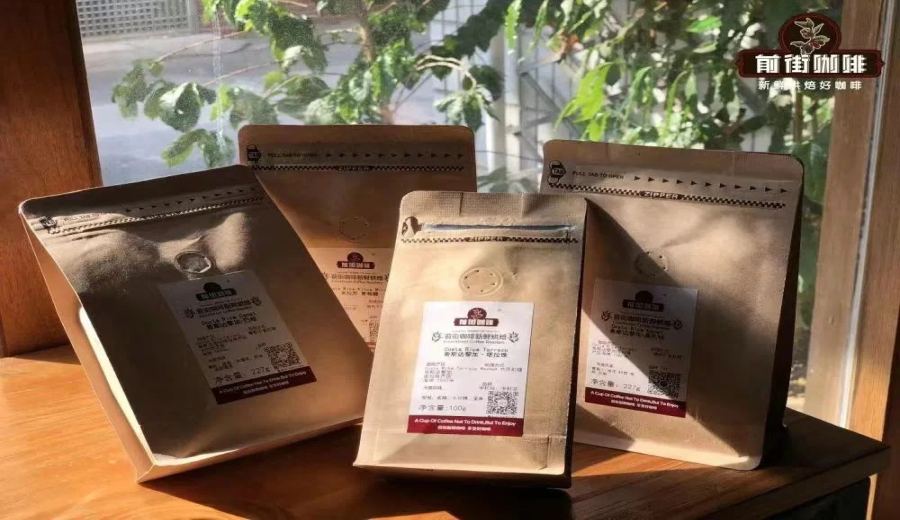
Introduction:For beginners in pour over coffee, selecting beans and mastering brewing details can be quite challenging. This article features four representative single-origin beans—Ethiopian Yirgacheffe, Kenyan, Brazilian, and Indonesian Mandheling—to analyze their regional flavor profiles. It also provides an in-depth look at key extraction parameters such as water quality, grind size, brew ratio, and filter type, helping newcomers build a systematic understanding and quickly develop their ideal coffee flavor.
When just starting out with pour over coffee, facing hundreds of bean options on the market can make it hard to know where to begin. Differences in origin, variety, processing method, and roast level add layers of complexity. From a practical perspective, this article introduces four classic single-origin beans suitable for beginners, covering major producing regions in Africa, South America, and Southeast Asia. It analyzes their unique flavor characteristics and explains essential brewing techniques in detail, helping readers establish clear strategies for bean selection and extraction.
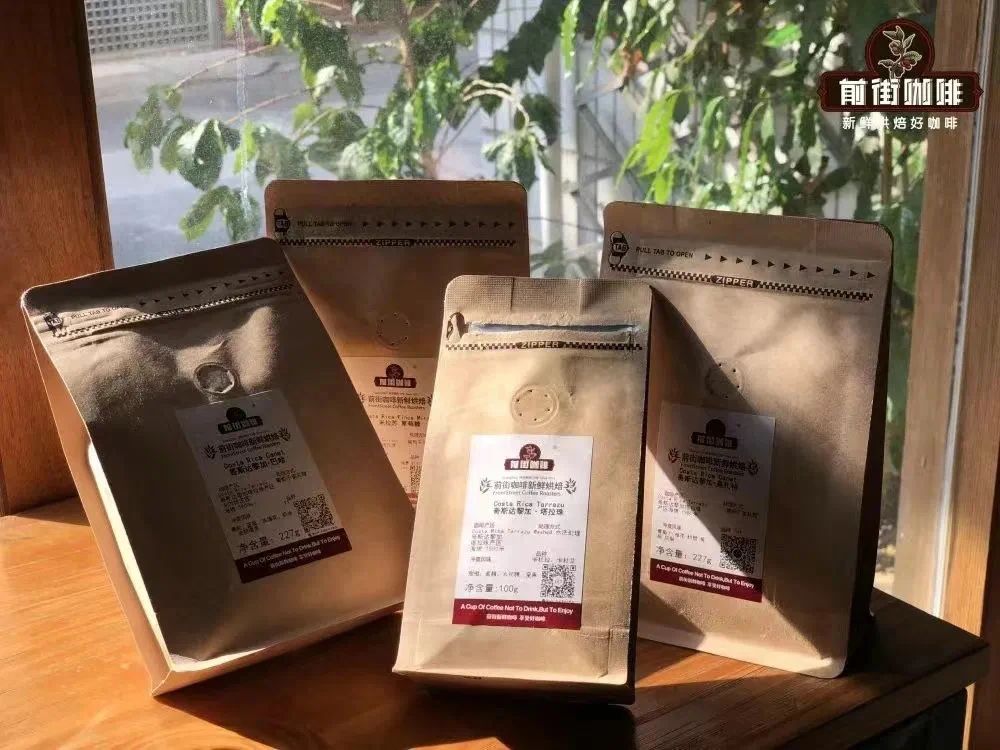
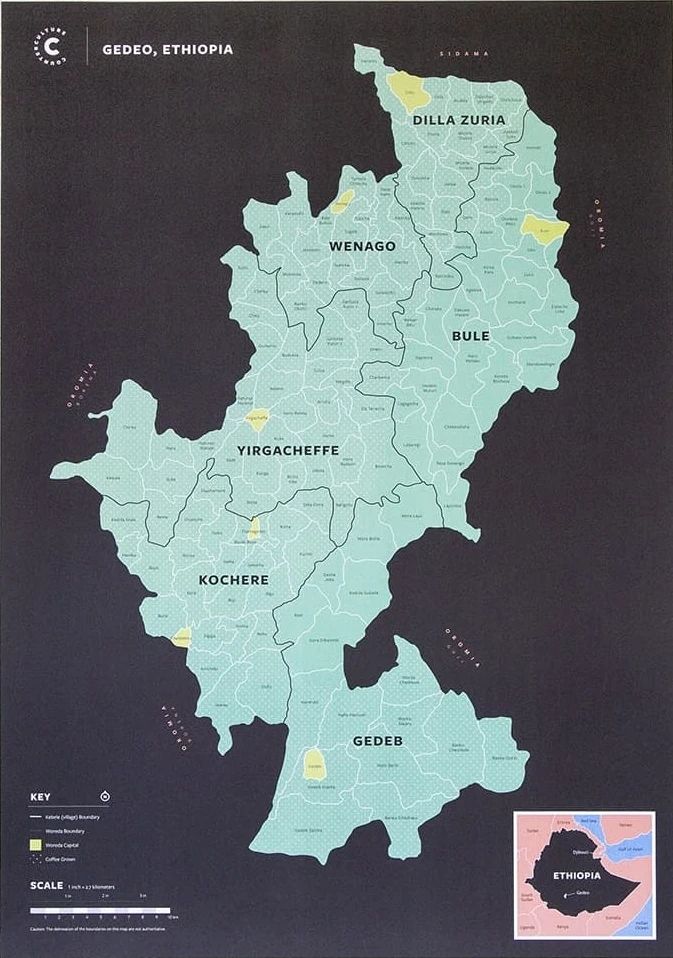
Ethiopian Yirgacheffe from East Africa is often the starting point for many beginners exploring specialty coffee. This region is known for its high altitude (approximately 2000 to 2100 meters) and unique washed processing method, yielding beans with pronounced citrus acidity, delicate floral notes, and soft sweetness. Local heirloom varieties often exhibit a black tea-like base, paired with creamy and caramel undertones, resulting in a well-layered flavor profile. Typical flavor descriptors include citrus, black tea, floral, cream, caramel, and almond, making it ideal for those who prefer a bright, acidic cup.
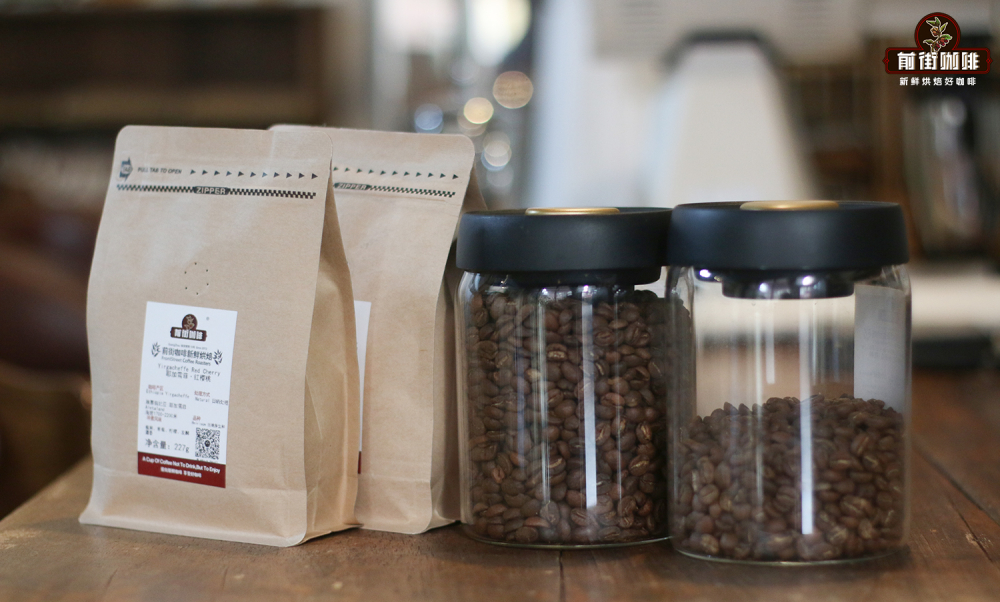
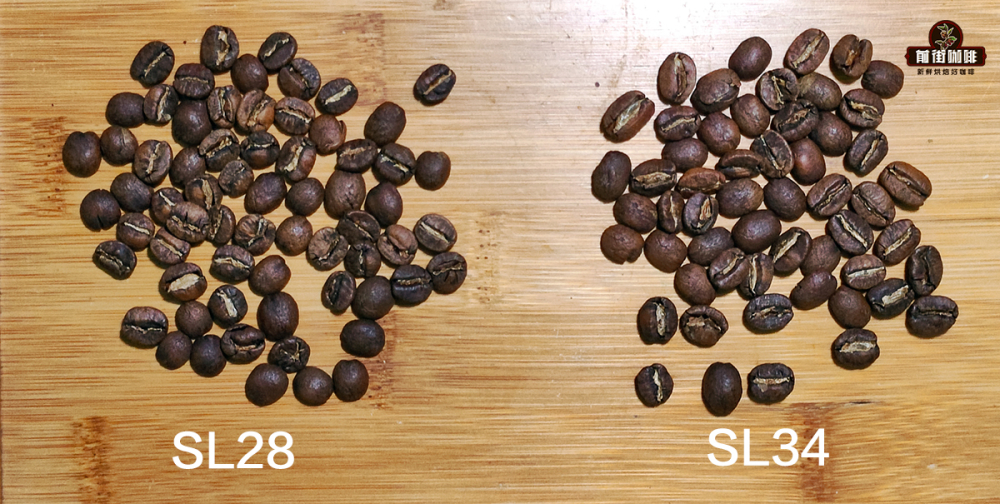
Kenyan coffee is renowned for its intense fruit acidity and rich complexity. The main varieties, SL28 and SL34, thrive at high altitudes and in variable climates. Paired with the unique K72 washed process, they produce distinctive berry-like acidity. This process involves 72 hours of deep fermentation, imparting flavors such as blackberry and dark plum, complemented by notes of brown sugar and cherry tomatoes. The cup is clean and bright. Kenya AA from Assaliya is a prime example, suitable for coffee lovers who enjoy a balanced sweet and sour profile.
Brazilian coffee, known for its abundant production and stable flavor, is a popular choice for many beginners. The country’s coffee is typically grown at altitudes between 400 and 1600 meters using natural sun-dried methods. The beans are softer in texture, with low acidity and flavors dominated by nuts and chocolate sweetness, occasionally with woody undertones. Yellow Bourbon Natural from Queen Estate showcases flavors of nuts, peanut butter, and fermented fruit, making it ideal for those who prefer milder acidity and a reliable option for pour over beginners.
Indonesian Mandheling from Sumatra is famous for its wet-hulled processing method. Developed to adapt to the region’s high humidity, this technique results in a uniquely low-acid, thick-bodied cup with herbal and spicy notes. A well-known brand’s PWN Golden Mandheling is a classic example, offering flavors of spice, nut, pine, and caramel, with a distinct herbal and chocolate base. Although wet hulling may affect consistency, mastering the process can yield highly distinctive Southeast Asian flavor characteristics.
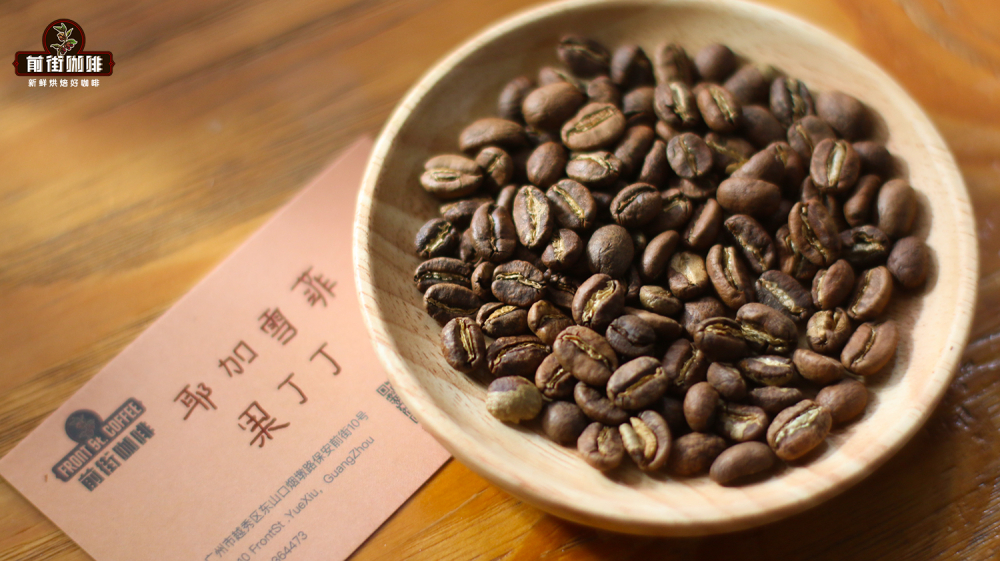
Panama’s Geisha from Hacienda La Esmeralda, cultivated at high altitudes with refined processing techniques, showcases exceptional floral and fruity acidity. The Geisha variety is highly sensitive to its environment, requiring shaded cultivation and fertile soil. The resulting coffee often features aromas of citrus, jasmine, and honey, with berry notes adding a refreshing twist. Red Label Geisha is a classic representation, perfect for advanced pour over enthusiasts seeking elegant and nuanced flavors.

China’s Yunnan province has also emerged as a rising region for single-origin beans. Early plantings were mainly Typica, but industry demand shifted toward Catimor. A well-known brand’s self-produced Typica natural beans display flavors of berries, brown sugar, and nuts, along with a unique tea-like mouthfeel, appealing to coffee lovers eager to explore local flavor profiles. The elevation (around 1300 meters) and climate conditions in Yunnan’s Lincang area provide a solid foundation for coffee cultivation.
Key pour over techniques include water quality, grind size, brew ratio, and filter selection. It’s recommended to use filtered or moderately mineral-rich water, with brewing temperatures controlled between 85–93°C to match different roast levels. Grind size, benchmarked at 70–80% through a #20 sieve, affects extraction yield and body—finer grinds intensify richness while coarser grinds yield a cleaner cup.
A brew ratio of 1:15 to 1:16 is recommended. Adjusting this ratio can emphasize or mute specific flavor attributes. For filter types, V60 suits lighter roasts with faster flow and pronounced acidity, while Kono works better with darker roasts, offering stable flow and a fuller body.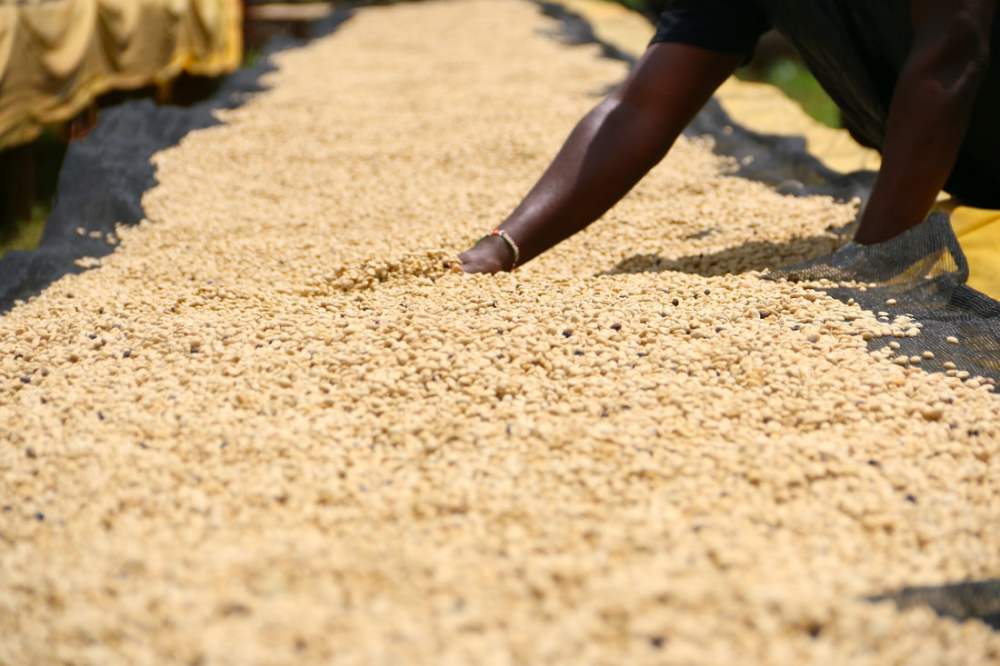 And
 illustrate how different filter designs impact flow rate and flavor expression. In practice, adjustments can be made based on bean characteristics.
In summary, the charm of pour over coffee lies in exploring diverse flavors through fine-tuning. Beginners are advised to start with the four single-origin beans mentioned above, experiment systematically with various parameters, gradually build a personal flavor database, and ultimately discover their perfect cup.
The above content is compiled by CoffeeHunters, a coffee news website.


