







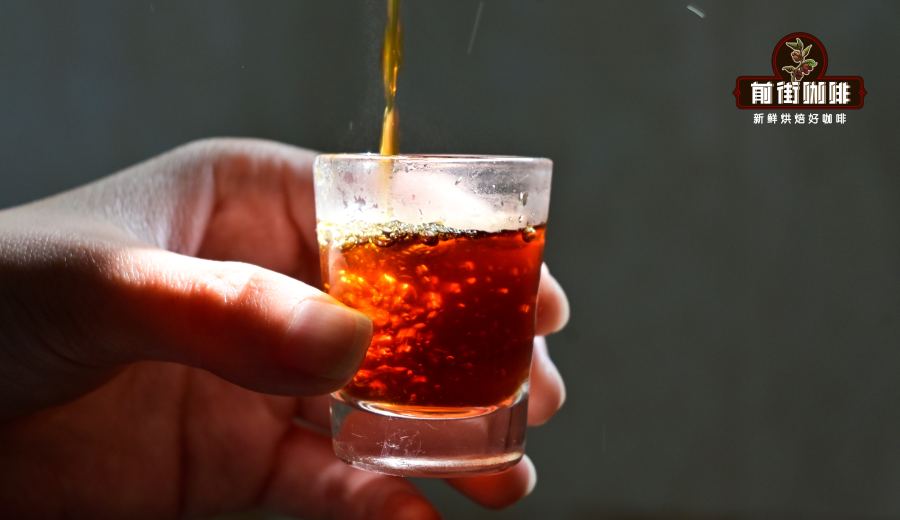
Introduction:Decaffeinated coffee has significantly reduced caffeine content, making it a top choice for many who want to cut down on caffeine intake without giving up the flavor of coffee. However, many wonder: does decaf really affect the overall taste? How does it compare to regular coffee in terms of flavor, antioxidant capacity, and nutrition? This article delves into the three mainstream decaffeination methods, taking you through the production process, flavor characteristics, and practical benefits of decaf coffee, and provides tailored recommendations for different groups.
Decaf coffee refers to coffee from which at least 97% of the caffeine has been removed. It is not fundamentally different from regular coffee in terms of raw material essence, with the main distinction lying in the amount of caffeine. Many people enjoy the rich aroma of coffee but are concerned about the impact of excessive caffeine on sleep or health, so they turn to decaf. But is decaf really less flavorful? How does it differ from regular coffee in terms of aroma, taste, and nutritional value?
As early as the beginning of the 19th century, the German literary master Goethe, who loved coffee but often suffered from insomnia, commissioned his friend Runge to study the components of coffee, eventually discovering that caffeine was the key substance affecting sleep. Although there were no mature commercial technologies at the time, this laid the foundation for decaf coffee. It wasn’t until 1903 that the German merchant Roselius discovered that coffee beans soaked in seawater had noticeably less caffeine, and subsequently organized a team to develop extraction techniques. Only then did decaf coffee gradually enter the public eye.
Currently, there are three mainstream decaffeination processes: the Swiss Water Process, solvent-based methods, and the carbon dioxide method, each with unique characteristics that influence the final flavor profile of the coffee.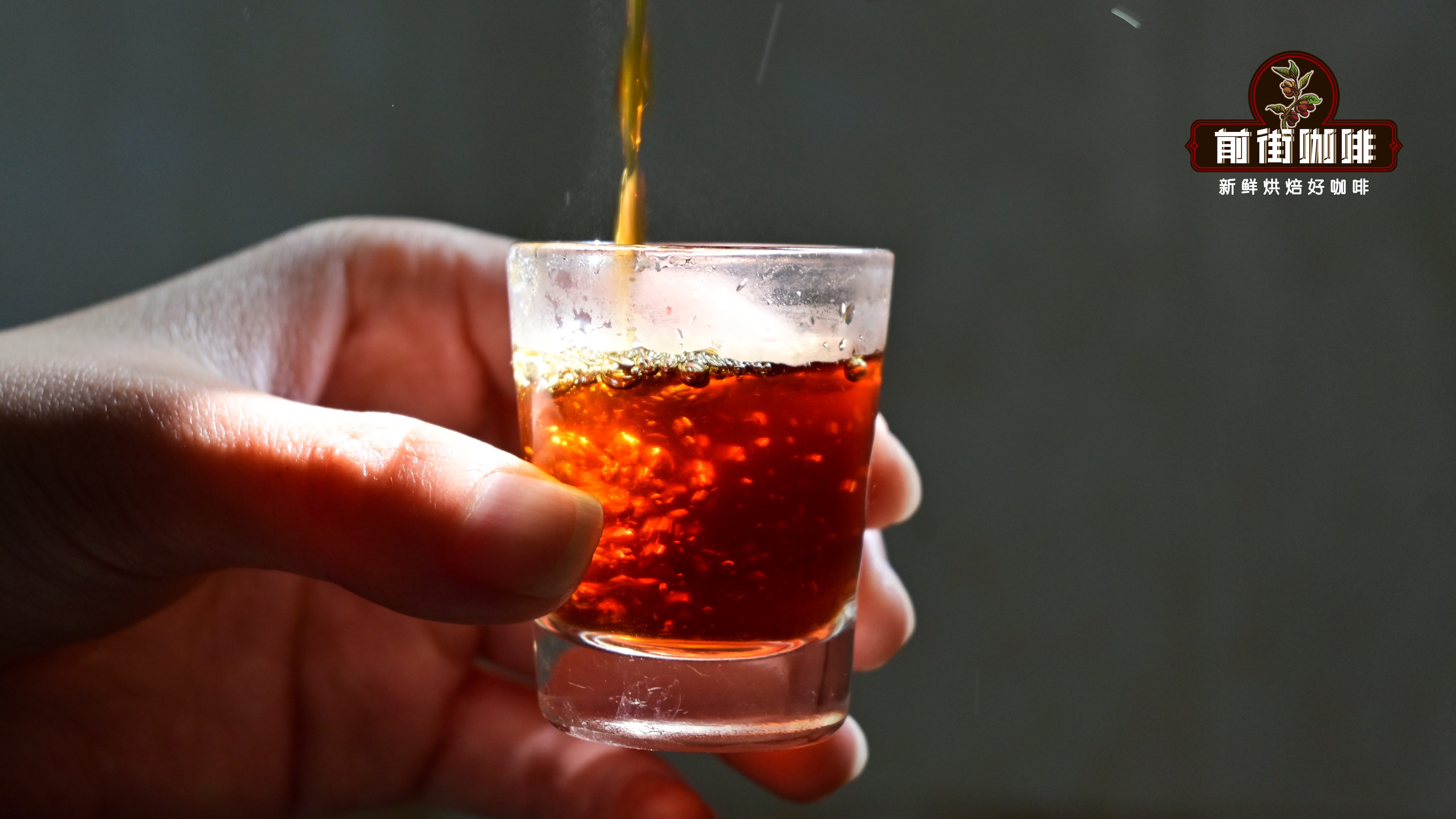
The Swiss Water Process is a chemical solvent-free method that involves soaking green coffee beans in “flavor-charged water” to saturate the water with flavor compounds while leaving the caffeine in the beans. Activated carbon is then used to filter out the caffeine, preserving the full flavor substances. Finally, the same purified water is reused to process the beans, achieving caffeine removal while retaining the aroma. This method is considered to preserve a more natural coffee flavor profile and is suitable for users who prefer the original flavor.
Solvent-based methods, also known as the European method or solvent contact method, primarily use dichloromethane as the solvent to directly bind with and remove caffeine. The process starts by steaming the beans to open their pores, allowing the solvent to penetrate and adsorb the caffeine, followed by washing and boiling to remove residual solvent. Notably, dichloromethane has a boiling point of only 39.8°C and is almost completely vaporized at roasting temperatures, generally considered harmless to humans. It is one of the techniques used in many commercial decaf coffees.
The carbon dioxide method, also known as supercritical CO₂ decaffeination, is a newer and more technically demanding process. In a high-pressure, sealed environment, liquid carbon dioxide’s high selectivity for caffeine is utilized to precisely extract caffeine while preserving other flavor compounds as much as possible. This method effectively minimizes interference with aroma and taste, and is therefore often regarded as capable of producing decaf coffee with a flavor closest to that of regular coffee.
Many people mistakenly believe that decaf coffee contains no caffeine at all, but in fact, according to standards, decaf coffee only needs to have over 97% of its caffeine removed. In other words, each cup of decaf espresso may still contain 0 to 7 milligrams of caffeine. For most people, this trace amount does not cause noticeable stimulation or affect sleep, but those who are extremely sensitive are still advised to pay attention to their intake.
So, is decaf coffee really harder to enjoy? The key often lies not in the processing technology, but in the choice of raw materials. Many commercial decaf coffees use lower-quality Robusta beans or standard commercial-grade Arabica beans to reduce costs. Even without decaffeination, these beans inherently have a more bland flavor. If high-quality Arabica green beans are used for decaffeination, even after processing, they can still deliver good layers and aromatic expression.
In addition, although caffeine is one of the main sources of antioxidants in Western diets, decaf coffee still retains a significant proportion of polyphenols and hydroxycinnamic acids and other antioxidant components, which help combat free radicals, reduce oxidative damage, and thus have potential benefits for cardiovascular health, diabetes, and the prevention of certain cancers. Although antioxidants may be lost by about 15% during the decaffeination process, the overall content still holds certain health value.
Besides antioxidants, a cup of decaf coffee also contains trace amounts of magnesium, potassium, and niacin (vitamin B3). Although the intake per cup is not high, consuming 2 to 3 cups daily over the long term can still supplement a certain amount of essential micronutrients.
In summary, decaf coffee is not synonymous with poor taste. Its actual flavor performance largely depends on the choice of bean variety and processing method. For those who are sensitive to caffeine, prone to insomnia at night, or wish to control their daily caffeine intake, choosing high-quality decaf coffee can still allow them to enjoy the richness and depth of coffee while balancing health and good sleep quality.
The above content is compiled by CoffeeHunters, a coffee news website.


