







Introduction:Many beginner coffee drinkers often confuse Mandheling with espresso, thinking that both have strong bitterness and similar flavors, and even wonder if they can try using Mandheling to make SOE. In fact, Mandheling is a single-origin coffee bean, while espresso is a high-pressure extraction method. Although the two can be combined, they are fundamentally different. This article explores the regional characteristics and flavor profiles of Mandheling, analyzes the extraction principles of espresso, discusses the feasibility of using single-origin beans for espresso, and based on popular market choices, compiles a recommended list of espresso beans suitable for those who enjoy the flavor of Mandheling, helping you better understand bean selection and brewing.
Many people who are just starting to explore coffee often mistakenly assume that Mandheling is the same as espresso, simply because both have a distinctly bitter taste. They then infer that their flavors or production methods are similar, and may even wonder: can Mandheling also be used to make SOE (single-origin espresso)? In reality, Mandheling is a single-origin coffee bean that emphasizes regional and varietal flavors, whereas espresso is a brewing method that uses high pressure and high temperature to extract concentrated coffee. Though the concepts are quite different, they can also be skillfully blended.
The most distinctive feature of Mandheling coffee lies in its rich, full-bodied taste and low acidity. These coffee beans mostly come from regions such as Sumatra, Indonesia, and are often processed using the wet-hulled method, which preserves abundant spicy, caramel, and woody notes. In terms of flavor, Mandheling often exhibits intense dark chocolate, nutty, and herbal aromas. It has a noticeable bitterness upon entry but is not overwhelming, accompanied by a hint of delicate sweetness and a long-lasting aftertaste. Due to these characteristics, Mandheling is generally roasted to a medium-dark to dark level, which better brings out its smoky richness and layered complexity.
As for espresso, it is a concentrated coffee liquid produced quickly—within 20 to 30 seconds—using a professional semi-automatic espresso machine under high temperature (approximately 90.5–96°C) and high pressure (9 bar). This method highly concentrates the oils and essences in the coffee, typically at an extraction ratio of 1:2 to 1:3. The result is a rich crema (coffee oil layer), a strong bitter base, and a distinctly sweet aftertaste. Compared to pour over or drip coffee, espresso has a heavier mouthfeel and unique aroma and layers.
Common espresso beverages such as cappuccino, latte, and Americano are actually made by adding varying proportions of milk or water to espresso. Therefore, if you’re asking whether single-origin beans can be used to make espresso, the answer is yes. This type of espresso made from a single-origin coffee bean is called SOE (Single Origin Espresso). If Mandheling is used, it’s referred to as Mandheling SOE. Such espressos usually showcase the unique flavors of the origin, such as dark chocolate, caramel, and woody notes, with a rich and distinctly layered taste.
Of course, with the rise of specialty coffee trends, more and more coffee enthusiasts are no longer limited to traditional blends but are seeking SOE products that highlight regional characteristics. For users who prefer the flavor of Mandheling, choosing a suitable espresso bean can undoubtedly enhance the flavor experience whether brewing at home or in a café. Below is a list of several market-revered, highly recommended espresso beans suitable for those who enjoy the Mandheling style.
First is the Mandheling SOE from the Lin Tong region of Sumatra, Indonesia. This bean is classified as G1 grade under Indonesian green bean grading standards, processed using the traditional wet-hulled method, and presented with a dark roast. The roasted beans fully exhibit aromas of dark chocolate, spices, nuts, and caramel. When made into espresso, it delivers a full-bodied, low-acid taste, with a fine and stable crema (coffee oil layer), making it ideal for those who enjoy intense, smoky flavors.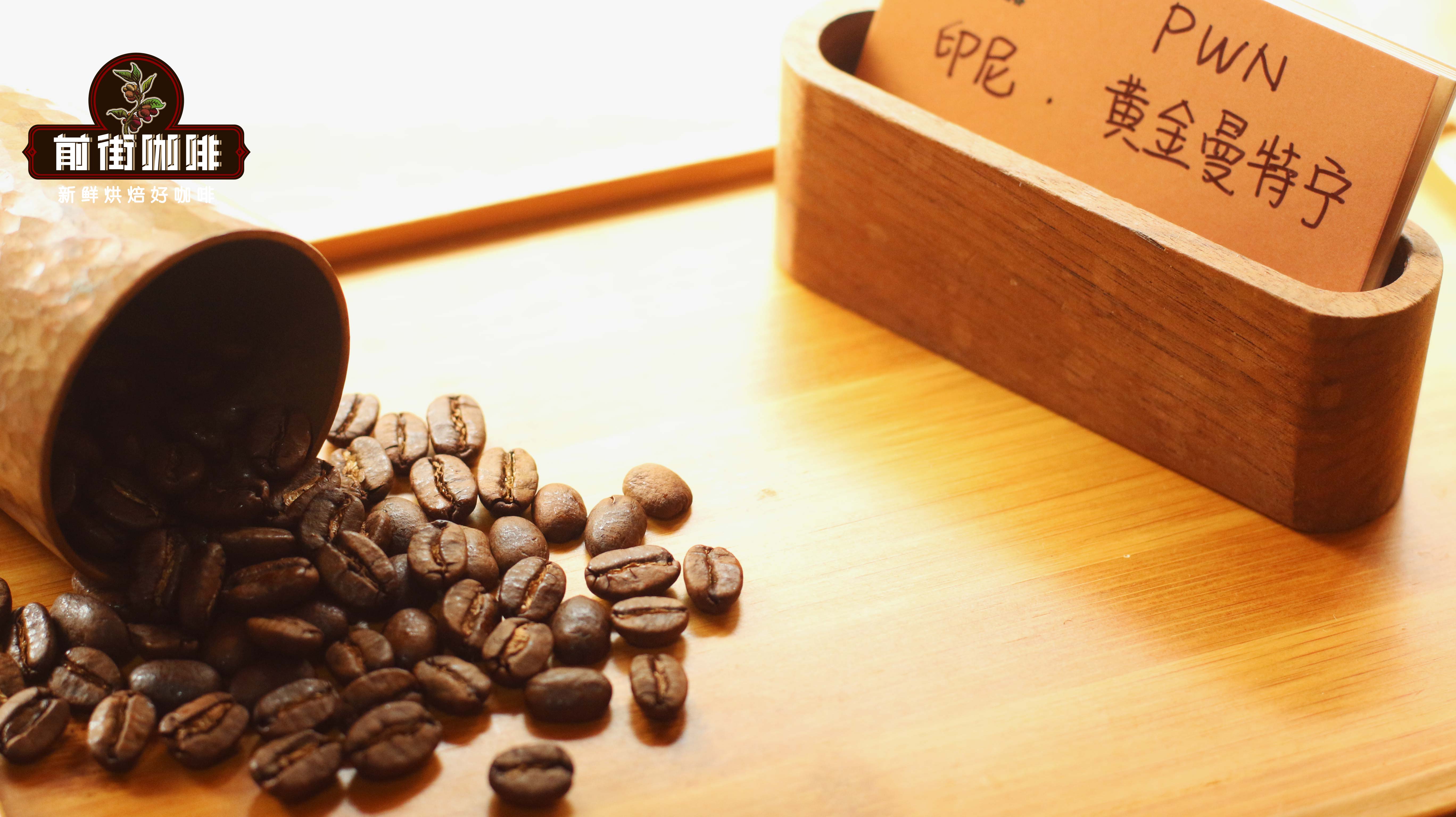
Another highly praised option is Golden Mandheling SOE. The so-called “Golden Mandheling” is exclusively selected and produced by PWN, with extremely strict screening of green beans—requiring multiple rounds of mechanical and manual sorting to eliminate defective beans, ensuring each bean is uniform in size and intact in appearance. This bean offers a flavor profile based on licorice and caramel, with layers of dark chocolate, cocoa, nuts, and spices. It has a clean taste, a pronounced aftertaste, high body, and is very suitable for making espresso or pairing with milk-based drinks.
If you prefer a more balanced flavor profile, you might also consider classic Italian blend beans. These blends often combine beans from Indonesia (like Mandheling) and Brazil, complementing each other in terms of acidity, sweetness, bitterness, and body to create a balanced and rich taste. Some blends may also include a small amount of Robusta beans to further enhance the crema and body, making them a very practical choice for making lattes or cappuccinos at home, or for practicing latte art techniques.
The above content is compiled by CoffeeHunters, a coffee news website.


