







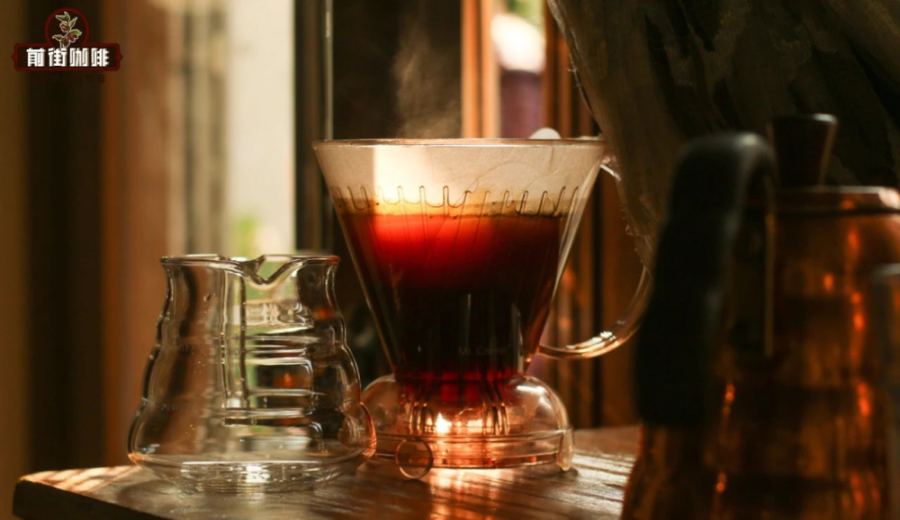
Introduction:Both the French press and the clever dripper are immersion brewing devices beloved by coffee enthusiasts for their simplicity and lack of need for professional skills. However, they differ greatly in design principles, usage methods, and the final flavor profiles they produce. This article will break down the operation processes and key extraction parameters of both, and through practical testing, compare the differences in clarity, acidity and sweetness, and texture layers of the coffee they brew—helping you find the most suitable immersion brewing device based on your personal taste.
Want to enjoy a cup of black coffee at home without fiddling with complicated pour over equipment? The French press and clever dripper are practical choices designed for coffee lovers who seek simplicity without sacrificing flavor. Both use the immersion brewing principle, but their actual operation, device structure, and final flavor presentation each have unique characteristics. This article will deeply analyze these two classic immersion brewing devices—from their mechanisms and step-by-step procedures to flavor performance—and compare them based on actual brewing data to help you choose the one that best suits your taste.
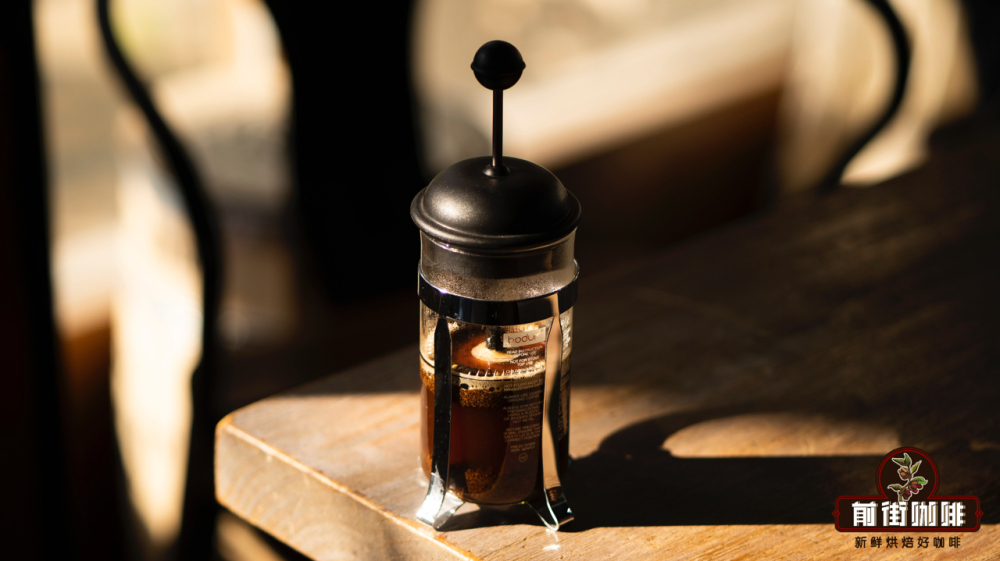
The history of the French press can be traced back to the mid-19th century in France. It is a very simple device consisting of a metal filter mesh paired with a heat-resistant glass or stainless steel carafe. It mainly works by steeping coarse-ground coffee powder with hot water for several minutes, then using a plunger to slowly press the metal filter down, causing the coffee grounds to settle at the bottom of the carafe, resulting in a cup of coffee with a rich body and oily mouthfeel. Its operation has almost zero barriers to entry, making it ideal for users who prefer a bold and full-bodied taste.
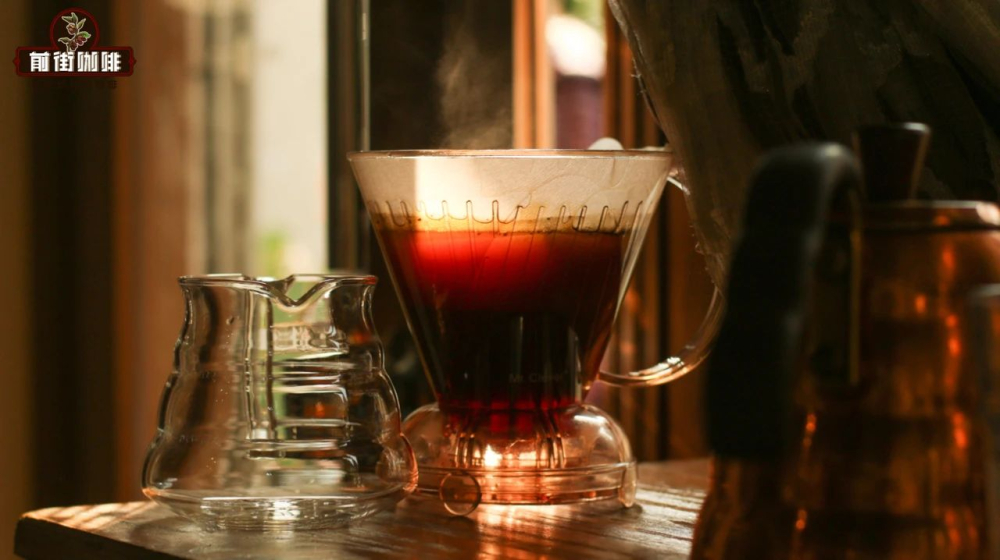
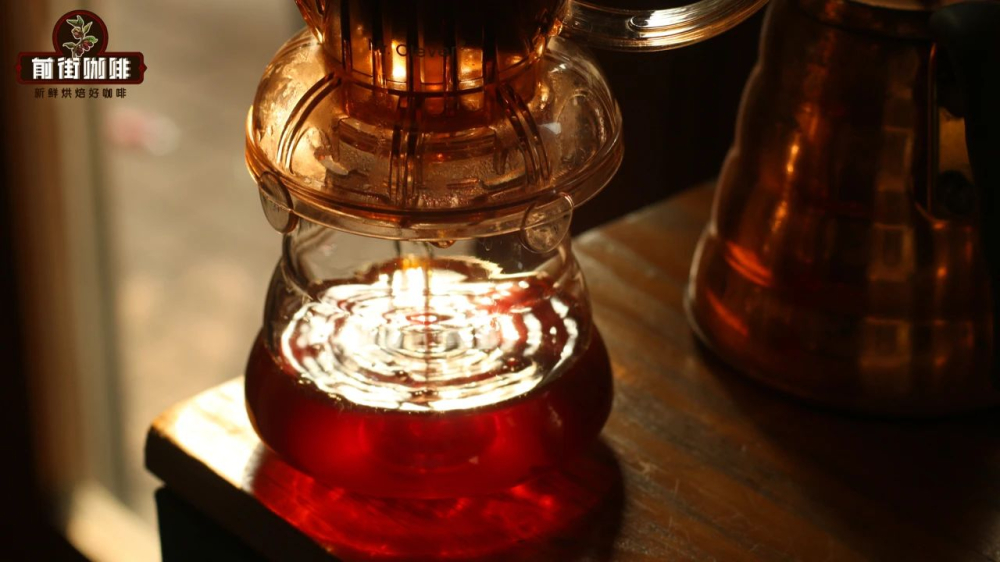
The clever dripper, on the other hand, is an innovative design that combines the functions of a filter dripper and immersion brewing. Its most distinctive feature is the piston valve located at the bottom of the filter. After pouring water, the internal water pressure automatically closes the valve, allowing the coffee grounds to steep fully. Once the steeping time is complete, simply place the clever dripper over a cup, apply pressure to the base to open the valve, and the coffee liquid will slowly drip through the filter paper, completing the extraction process. This method not only eliminates the hassle of constantly adjusting the water flow during pour over, but also effectively filters out fine particles through the filter paper, improving the cleanliness of the coffee.
For a fair comparison, this test uses unified brewing parameters: 15 grams of coffee grounds, a 1:15 coffee-to-water ratio, medium grind (approximately 70% passing through a standard #20 sieve), water temperature controlled at 94°C, and an overall steeping time of 4 minutes. The selected coffee beans are Kenya Assaria, a bean known for its bright acidity and rich fruity aroma, often featuring sweet-tart notes reminiscent of cherry tomatoes and black plums, along with clear caramel notes—making it highly suitable for comparing how different devices affect flavor.
In terms of specific operation, the clever dripper requires placing the filter paper first, adding the coffee grounds, then directly pouring in hot water and letting it steep for 4 minutes. Afterward, the dripper is placed over a mug and the coffee liquid is allowed to fully drip through. The French press, in contrast, involves adding the coffee grounds into the carafe, pouring in hot water, and letting it steep for 4 minutes, then gently pressing the plunger down to about the middle of the carafe before pouring out the coffee. Though the steps may seem similar, the actual experience and final flavor performance are quite different.
In terms of flavor performance, the coffee brewed with the clever dripper is clearer and brighter in appearance, with vibrant acidity. It’s easy to perceive refreshing notes like lemon, cherry tomatoes, and maple sugar, offering a high level of cleanliness overall, though with relatively lighter concentration—making it suitable for those who prefer a delicate and clean-tasting cup. The coffee brewed with the French press, on the other hand, presents a fuller body with flavors like black plum, berries, and cherry tomatoes, delivering a round and rich mouthfeel with stronger flavor impact, though slightly coarser. Additionally, due to the metal filter’s inability to filter out fine particles and oils, the coffee surface often has tiny suspended particles and an oily layer, making it visually more turbid.
The reasons for these differences mainly lie in the extraction mechanisms and filtration methods. After water is poured in the clever dripper, it largely remains static, with the coffee liquid slowly dripping through gravity and the filtering action of the filter paper, which significantly reduces the release of fine particles and oils—resulting in a cleaner and more transparent flavor. In contrast, during the final pressing stage of the French press, the coffee grounds are compressed, not only extending the actual extraction time but also increasing extraction efficiency. Coupled with the larger pore size of the metal filter, more fine particles and natural oils are retained, leading to a richer, bolder, and somewhat grittier mouthfeel.
So, how should you choose the device that’s right for you? If you prefer a clean, refreshing coffee flavor with low impurities, and want a device that’s easy to clean after brewing, the clever dripper is the more ideal choice—especially for those living in smaller spaces or needing to quickly tidy up the kitchen. The use of filter paper makes cleanup more convenient. But if you prefer a coffee with a fuller body, natural oils, and complex layers, and are willing to accept slightly more involved cleaning steps, the French press can offer you a richer and more robust drinking experience, particularly well-suited for leisurely sipping at home.
No matter which one you choose, remember to fine-tune the grind size and steeping time according to the characteristics of the coffee beans to fully unlock their flavor potential. The advantage of immersion brewing devices lies in their simplicity and high margin for error—they’re the perfect starting point for stepping into the world of specialty coffee.
The above content is compiled by CoffeeHunters, a coffee news website.


