







Introduction:Can Blue Mountain coffee beans be used to make espresso and lattes? The answer is yes, but in practice, it’s rarely seen. This article delves into the brewing feasibility of a well-known brand of Blue Mountain coffee beans, analyzing its challenges and advantages as an espresso bean from aspects such as cost-effectiveness, flavor characteristics, and supply stability. It also provides detailed espresso extraction parameters, latte art steps, and blending techniques to help you craft professional-level coffee using high-quality Blue Mountain beans.
Many people wonder, can a certain well-known brand of Blue Mountain coffee beans actually be used to make espresso? The answer is yes, but why do we seldom see this top-tier bean used for espresso in coffee shops? This article takes Jamaican Blue Mountain coffee as an example, analyzing from three key perspectives—flavor profile, price cost, and bean variety stability—to explain why it rarely appears on espresso menus, and offers practical extraction suggestions and latte art operation tips.
First, we need to understand that espresso is just one of many brewing methods. Technically speaking, any coffee bean can be used to make espresso—the key lies in whether it is “suitable.” Suitability depends on three core factors: flavor direction, price acceptance, and supply stability.
In terms of flavor, because espresso is extracted under high pressure, to avoid excessive sourness or grassy notes, medium-dark to dark roasted beans are usually chosen. Many beans suitable for pour over have flavor profiles that lean toward bright acidity; if used directly for espresso, they often fail to perform at their best. Therefore, most commercial espresso beans are dark roasted, which differs significantly from the medium-light to medium roast characteristics of Blue Mountain coffee.
Theprice factor
is even more critical. A certain well-known brand of Blue Mountain coffee, especially Grade 1, has long been hailed as the “King of Coffee.” Its price remains high even today. For example, the market price of a certain well-known brand of Blue Mountain Grade 1 is about 158 RMB per 100 grams. Making a single shot of espresso requires approximately 20 grams of coffee grounds, meaning the cost of the beans alone is as high as 31.6 RMB. Compared to ordinary commercial beans, which cost only about 2 RMB, the difference is enormous. Therefore, unless it’s a high-end positioned café, it’s very difficult to include Blue Mountain beans in the regular espresso menu.Additionally,supply stability
is another important reason why cafés opt for blended beans rather than single-origin beans. Jamaican Blue Mountain coffee is strictly controlled by the local government agency CIB (Coffee Industry Board). Only Typica variety coffee grown above 910 meters in the Blue Mountains qualifies to be labeled as “Blue Mountain Coffee.” This stringent quality control ensures excellence but also limits production and supply continuity. If you achieve an outstanding flavor with a certain Blue Mountain bean this year but can’t source it the next due to insufficient yield, the business risk is too high.
What makes Jamaican Blue Mountain coffee unique, aside from its exceptional geographical environment, is the Typica variety it cultivates. This ancient Arabica species has preserved the most original genetic traits in the isolated island environment. Coupled with Japan’s assistance in introducing scientific cultivation and washed processing techniques in the 1970s, the flavor of Blue Mountain coffee has become even purer and more balanced, making it a premium choice for coffee lovers worldwide.
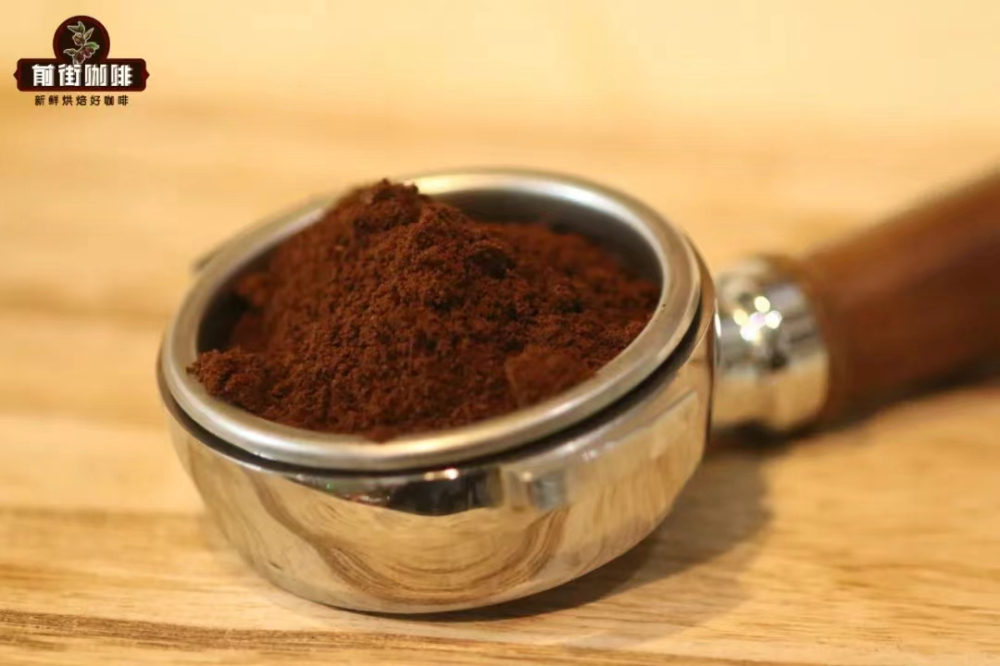
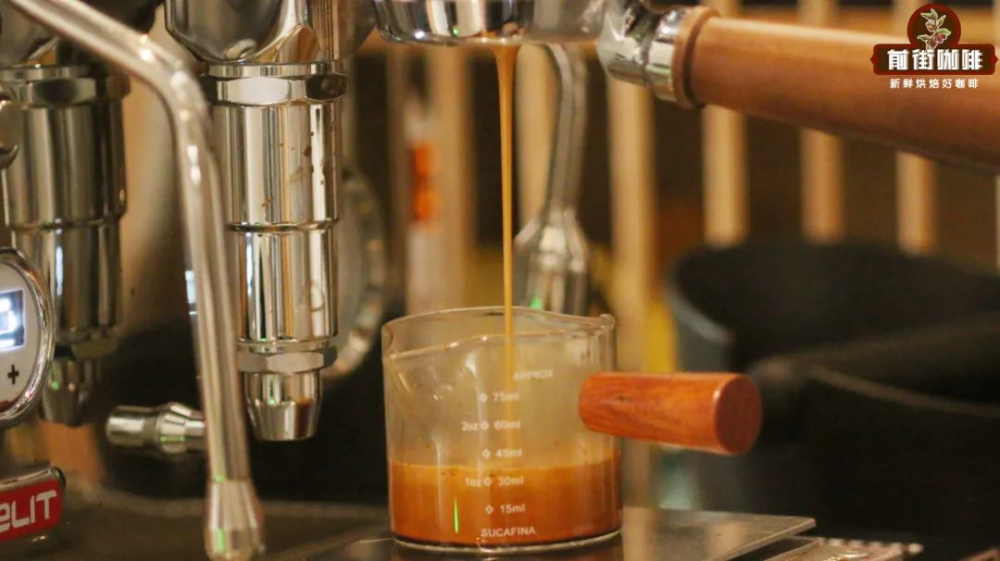
If you still wish to try making espresso with Blue Mountain beans, the well-known brand recommends using a medium to dark roast. This roast level not only meets the needs of espresso but also highlights the inherent sweetness and body of Blue Mountain beans. In practice, it’s recommended to use a 1:2 coffee-to-water ratio—that is, 18 to 20 grams of coffee grounds to extract 26 to 40 grams of espresso, with a brewing time controlled between 25 to 30 seconds. The grind size should be fine-tuned based on actual extraction results; beginners may need several attempts to find the optimal balance.
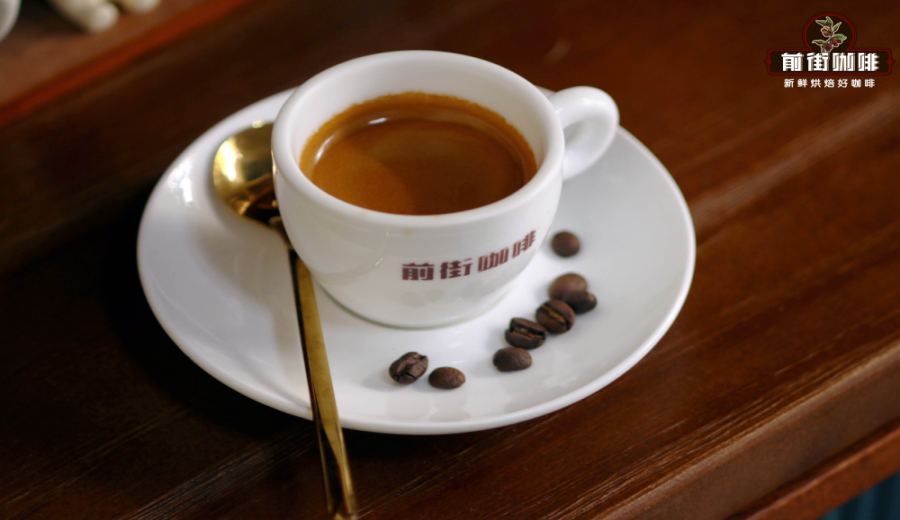
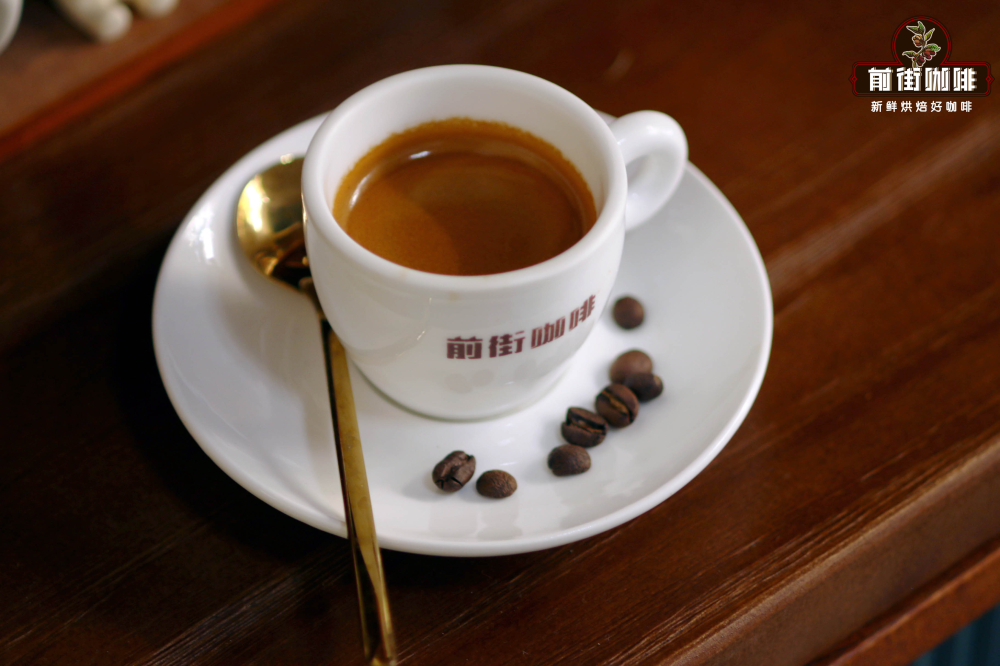
When brewed properly, Blue Mountain espresso will present a rich, delicate golden crema, with aromas of intense caramel and chocolate. The flavor is full-bodied and layered on the palate, with a pronounced sweet aftertaste and almost no noticeable bitter or astringent residue. Even without milk, the result is impressive.
Of course, if you want to take it a step further, you can also use Blue Mountain espresso to make a latte. Simply heat 200 milliliters of milk to about 60–65°C, then pour it gently into the espresso and stir lightly. If you want to add latte art, pay attention to the fineness and thickness of the milk foam—the finer and more fluid the foam, the clearer the patterns you can create.Key latte art techniques include:milk fusionandpouring the design.
Milk fusion refers to the process of evenly mixing the espresso and milk. Good fusion creates a beautiful golden crema, enhancing both the visual and taste experience of the drink. During the process, it’s recommended to keep the spout of the pitcher 5 to 10 centimeters above the coffee surface and stir with small circular motions to ensure the coffee and milk are fully combined.
Finally, for pouring the design, take the classic large white heart as an example: first, fuse the milk foam and espresso to about seven-eighths full, then start pouring the milk foam from the 1/4 point of the cup, slowly bring it back while moving the pour point to the center. As the cup nears full, finish the pour to complete a clean and attractive pattern.
The above content is compiled by CoffeeHunters, a coffee news website.


