







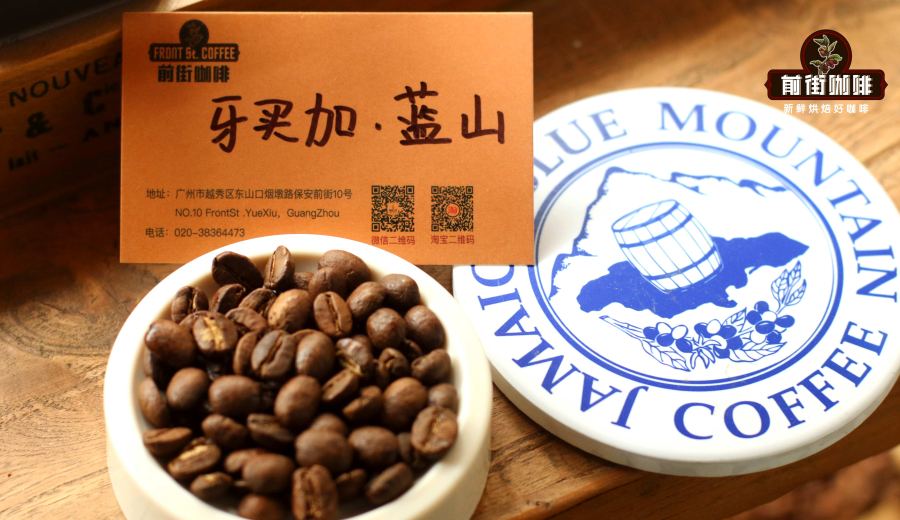
Introduction:Jamaican Blue Mountain No. 1 coffee is renowned for its rarity and high quality, but the commonly seen "Blue Mountain flavor" or "blended" products on the market are often misleading. This article delves into the authentic origin, regional certification, wooden barrel packaging features, and processing methods of Blue Mountain No. 1, and explains in detail how to achieve the purest Blue Mountain flavor through roasting, grinding, and water temperature control—helping you buy the right beans and brew them to perfection.
The fame of Blue Mountain coffee stems not only from its unique flavor but also from its extremely limited production and strict regional restrictions. Authentic Jamaican Blue Mountain No. 1 coffee is grown exclusively at elevations between 910 and 1700 meters in the Blue Mountains of Jamaica, using the local, historic Typica variety—an original member of the Arabica family known for its delicate, clean aroma and taste.
However, due to the small cultivation area, rugged terrain, vulnerability to natural disasters, and the predominance of small family-owned farms that make large-scale unified management difficult, annual Blue Mountain coffee production amounts to only about 900 tons. Such a yield is minuscule on the global market, with even smaller allocations per country, which contributes to its relatively high price—though it is not the most expensive coffee bean available. Generally, Blue Mountain No. 1 roasted beans are priced between 150 and 400 yuan per 100 grams, depending on the brand and packaging, with prices around 158 yuan offering good value.
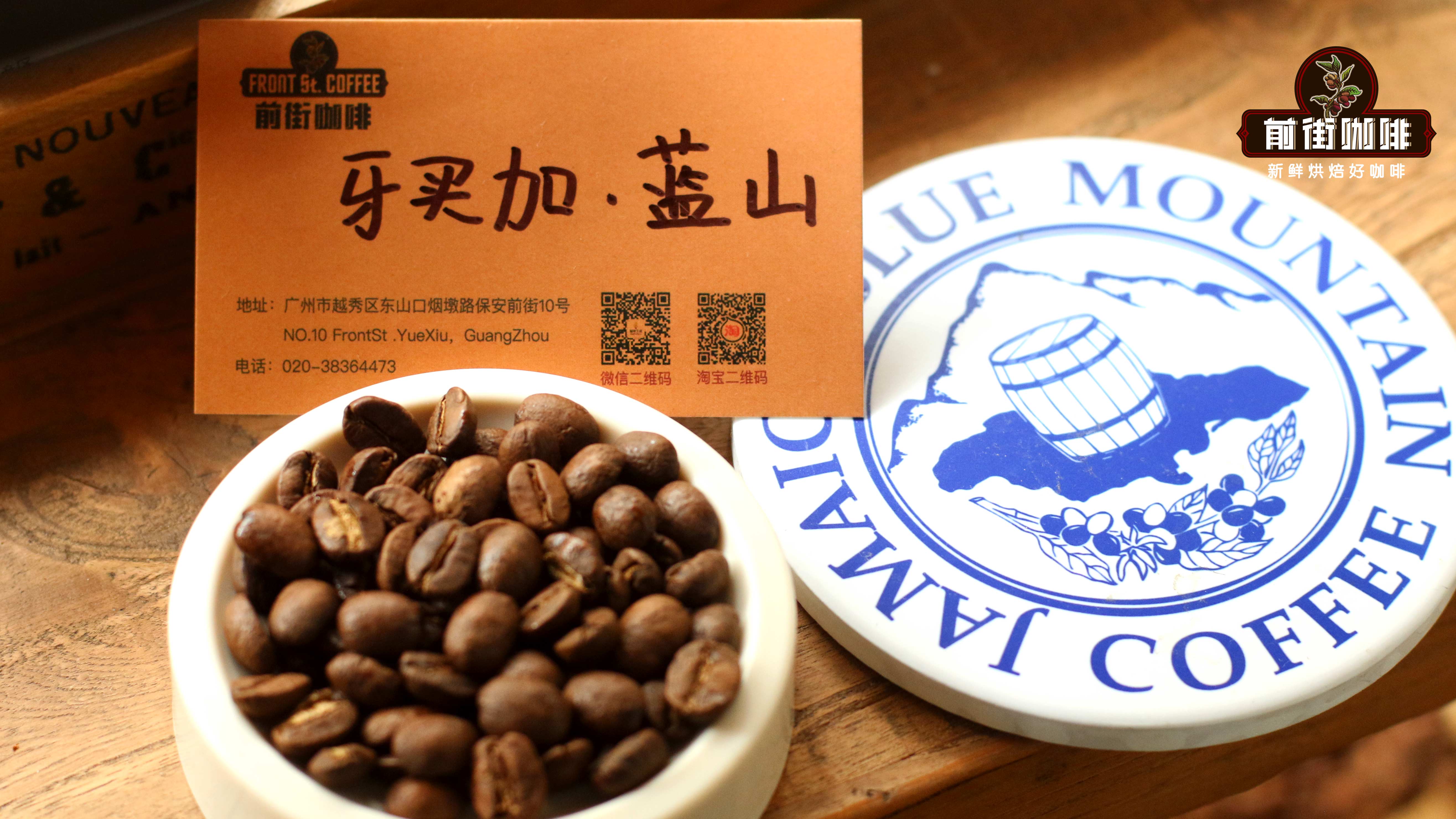
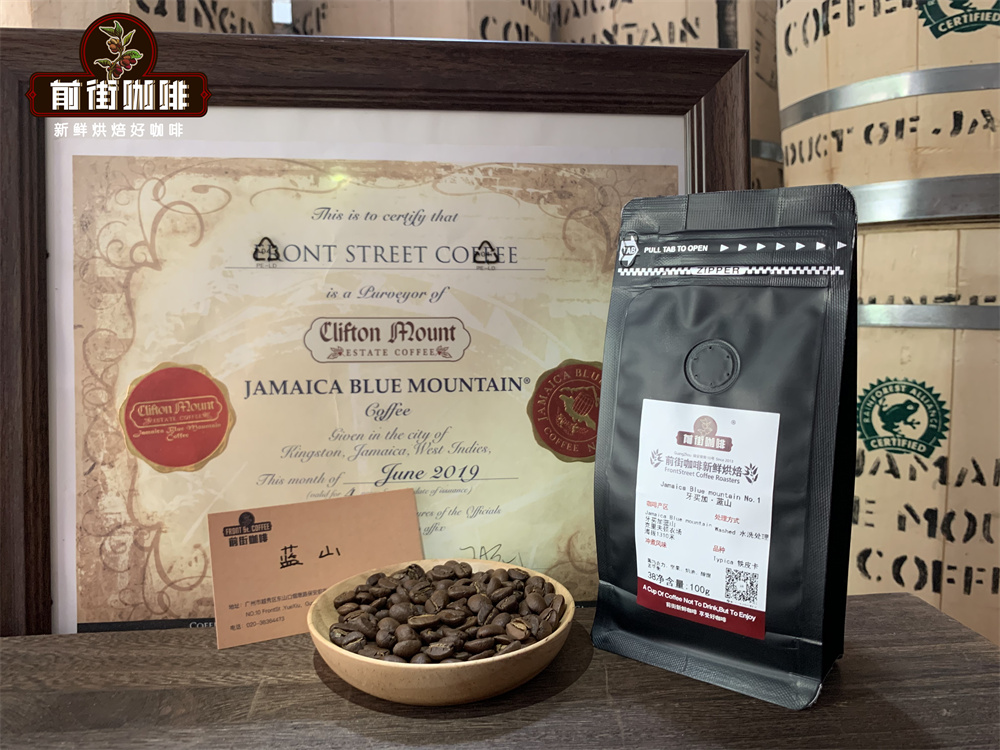
To verify whether it is genuine Blue Mountain No. 1, first pay attention to the packaging format. According to Jamaican official regulations, all authentic Blue Mountain coffee must be exported in specially designated wooden barrels, available in capacities of 15 kg, 30 kg, and 70 kg. Additionally, each batch of Blue Mountain coffee comes with certification documents issued by the Jamaican government or an origin certification agency, which serve as key evidence of authenticity. In some physical stores, you can even see these wooden barrels and certification documents firsthand, helping consumers more intuitively identify genuine products.
If you want to taste the most representative Blue Mountain No. 1, Clifton Mount Estate is a trustworthy choice. This coffee farm, located in the Blue Mountains of Jamaica, is not only one of the oldest plantations in the region but also holds "Rainforest Alliance Sustainable Certification," making it one of the few coffee farms in Jamaica to receive this distinction. This certification indicates that it meets international standards in environmental protection, social responsibility, and economic sustainability, and its wooden barrels are specially stamped with a green frog logo as a symbol of sustainable production.
The planting history of Clifton Mount Estate dates back to the mid-18th century, around 1750. The estate’s average elevation is approximately 1310.64 meters, and with its gentle afternoon cloud cover, ample sunlight, and mineral-rich volcanic soil, it provides ideal growing conditions for coffee trees. This environment not only helps the coffee cherries ripen slowly but also gives Blue Mountain coffee its distinctive aroma and rich flavor.
Although a few estates now offer sun-dried Blue Mountain coffee, washed processing remains the representative method for Blue Mountain No. 1 in terms of overall flavor performance and traditional style. The washed method better highlights the clarity and delicate flavors of Blue Mountain coffee, making it especially suitable for those new to this flavor profile.
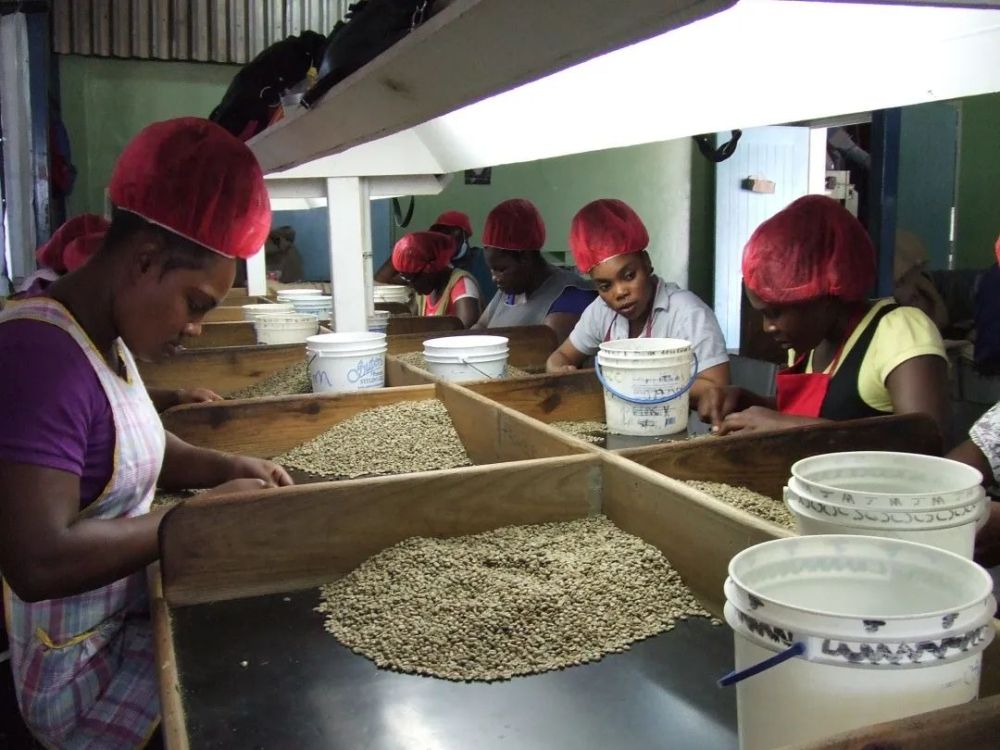
The washed processing procedure at Clifton Mount Estate is quite meticulous: first, the harvested coffee cherries are placed in a water tank, where unripe or defective floaters are removed using buoyancy principles; next, the pulp and skin are stripped away, allowing the beans to enter the fermentation stage, typically lasting 12 to 18 hours. After fermentation, residual mucilage is removed through friction between the beans and flowing water until the surface becomes smooth; finally, the beans are evenly spread in the sun to dry, with moisture content controlled between 12% and 14%, before proceeding to storage and export inspection. This method not only effectively reduces defect rates but also better preserves the original aromatic characteristics of Blue Mountain coffee, resulting in a purer taste.
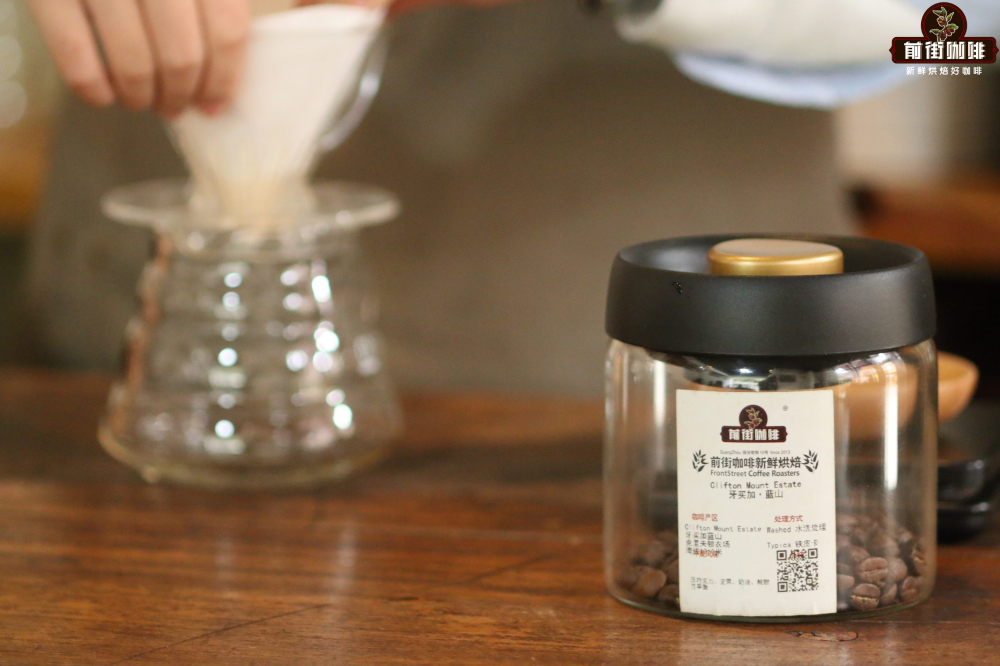
To meet the expectations of most consumers for Blue Mountain coffee, a certain coffee brand roasts Blue Mountain No. 1 to a medium-dark level, moderately enhancing its body and sweet aftertaste while retaining some fruit acidity to add complexity. It should be noted that the darker the roast, the faster coffee compounds are released, so during brewing, it is recommended to use slightly lower water temperature and a slower-flow filter to reduce the risk of over-extraction and fully bring out the delicate flavors of Blue Mountain coffee.
The same coffee brand recommends using a KONO filter, medium-coarse grind (about the size of coarse sugar, or 70% of particles passing through a Chinese No. 20 sieve), and a water temperature of 88–89°C for pour over. Specifically, start by pouring 30 grams of hot water for a 30-second bloom; then pour up to 125 grams, and when the water level drops halfway, continue pouring to a total of 225 grams. Once the drips finish, the extraction is complete, with the whole process taking about 2 minutes and 10 seconds.
The resulting Blue Mountain No. 1 coffee delivers flavors of rich dark chocolate and nuts, with a silky-smooth mouthfeel and a balanced harmony of acidity, sweetness, and bitterness—perfectly showcasing the unique charm of Blue Mountain coffee as a top-tier specialty brew.
The above content is compiled by CoffeeHunters, a coffee news website.


