







Introduction:Geisha coffee, which rose to prominence through the Best of Panama (BOP) competition in Panama, has become one of the top varieties in the specialty coffee world thanks to its unique floral and fruity characteristics and complex layered flavors. This article delves into the differences between Green Tip and Red Tip Geisha, introduces the growing environments and processing methods of two representative regions—Hacienda La Esmeralda (Emerald Estate) and Deborah Estate—and provides professional pour over recommendations and flavor profiles to help you better appreciate the charm of this premium coffee bean.
The journey of the Geisha variety began in the Geisha Forest of Ethiopia, where it was originally just one among many wild coffee trees. It wasn’t until the 1930s that it was collected and introduced to trial farms across Africa. However, due to its unremarkable flavor profile, it long remained overlooked. In the 1950s, the variety was brought to CATIE Research Center in Costa Rica, where it was designated as T2722. It was later introduced to Panama in the 1960s, but due to its low yield and susceptibility to pests and diseases, it was initially used only as a windbreak. However, in 2003, Hacienda La Esmeralda in Panama entered it into the BOP competition, completely changing the fate of Geisha.
In 2004, Hacienda La Esmeralda won the BOP championship with the Geisha variety, not only setting the highest auction price for green beans that year but also astonishing judges and the market with its distinctive floral and fruity aromas and delicate acidity. Due to its outstanding performance, the BOP organizers even began dividing the competition into “Geisha” and “non-Geisha” categories from then on to prevent a single variety from dominating. From then on, Geisha rose from obscurity to become a top-tier variety sought after by specialty coffee enthusiasts worldwide.
Regarding the origin of the Geisha variety, common narratives can be divided into “Bronze Tip Geisha” and “Green Tip Geisha.” Most of the Geisha currently widely planted in Panama can be traced back to the T2722 variety from CATIE, but actual performance may vary due to differences in microclimates, cross-pollination, and seed sources among farms. According to the book “Cup of Destiny: The Pursuit of Ideal Coffee,” Price Peterson of Hacienda La Esmeralda noted that the new leaves of their Geisha plants are light green, distinctly different from the bronze-colored young leaves described in early literature, and that cupping reveals even more outstanding flavors. It also shows some resistance to rust but is not immune to all diseases.
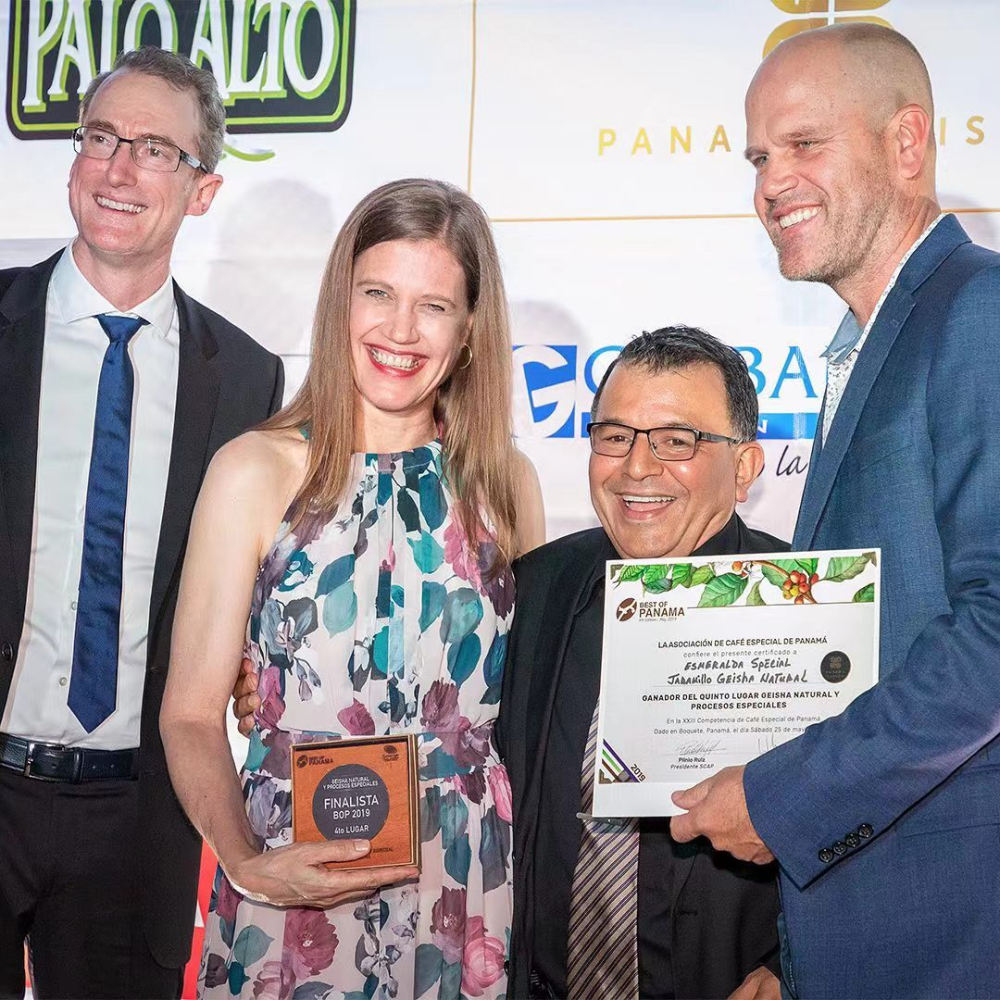
Among the many farms in Panama that grow Geisha, Hacienda La Esmeralda is undoubtedly the most iconic name. Since its stunning debut at the BOP competition in 2004, the farm has consistently received market acclaim for its high-quality Geisha coffee. Currently, Hacienda La Esmeralda’s Geisha is divided into “Red Label” and “Green Label” grades. Both are made from high-altitude Geisha red cherries grown at elevations of 1600 to 1800 meters and processed using the washed method. The main difference is that Red Label Geisha can be traced back to specific micro-lots, offering more consistent flavor profiles, while Green Label is a blend of micro-batches from different plots. Although individual fields cannot be tracked, it often delivers surprising layers of flavor and offers relatively higher cost-performance.
A certain well-known coffee supplier’s offering of Hacienda La Esmeralda Green Label Geisha exhibits very typical Geisha characteristics: bright citrus acidity, rich jasmine and ginger flower aromas, a juicy mouthfeel akin to fruit juice, and a sweet aftertaste of green tea, orange peel, and cantaloupe. The overall profile is balanced and layered. This coffee is ideal for pour over enthusiasts who enjoy refreshing floral and fruity notes, with a light roast best preserving its inherent flavors.
Another noteworthy region is Deborah Estate, located in the high-altitude Volcán area of Panama. The estate was planned in 2007, began planting Geisha at elevations above 1900 meters in 2010, had its first small harvest in 2015, and officially entered commercial production in 2016. Deborah Estate is near the Barú Volcano, surrounded by pristine forests, with significant day-night temperature variations and abundant rain and fog, providing ideal growing conditions for Geisha. Especially as elevations in the region generally reach above 2000 meters, with some micro-lots even planted at heights of 2350 meters, this creates the potential for rich and complex flavors in the Geisha grown there.
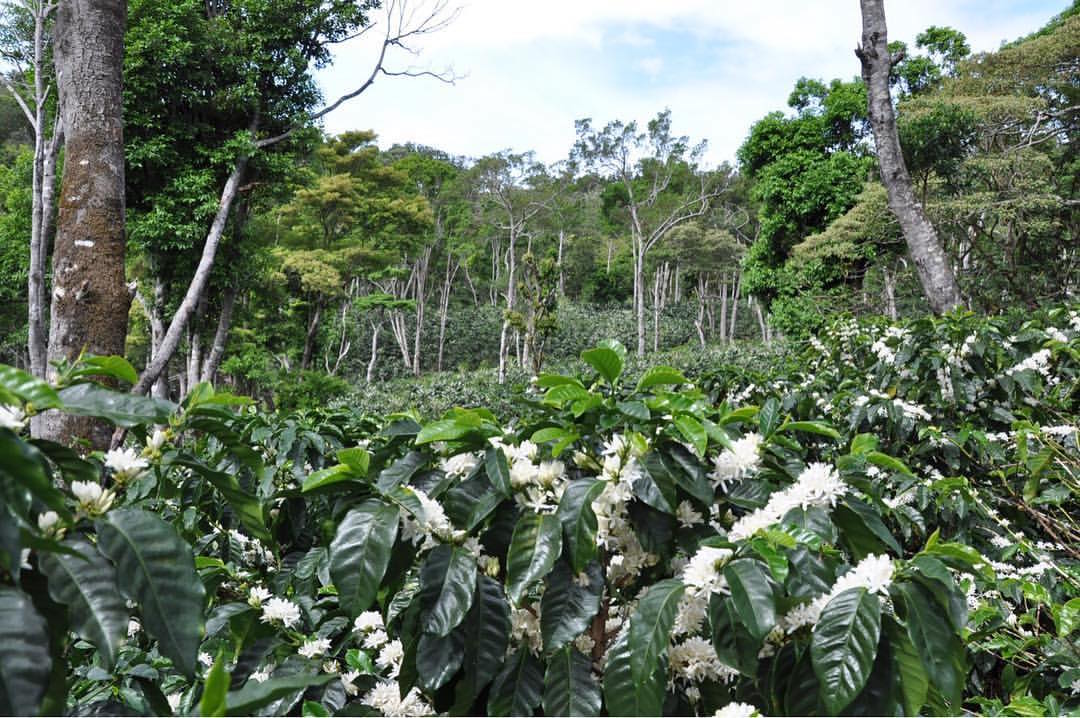
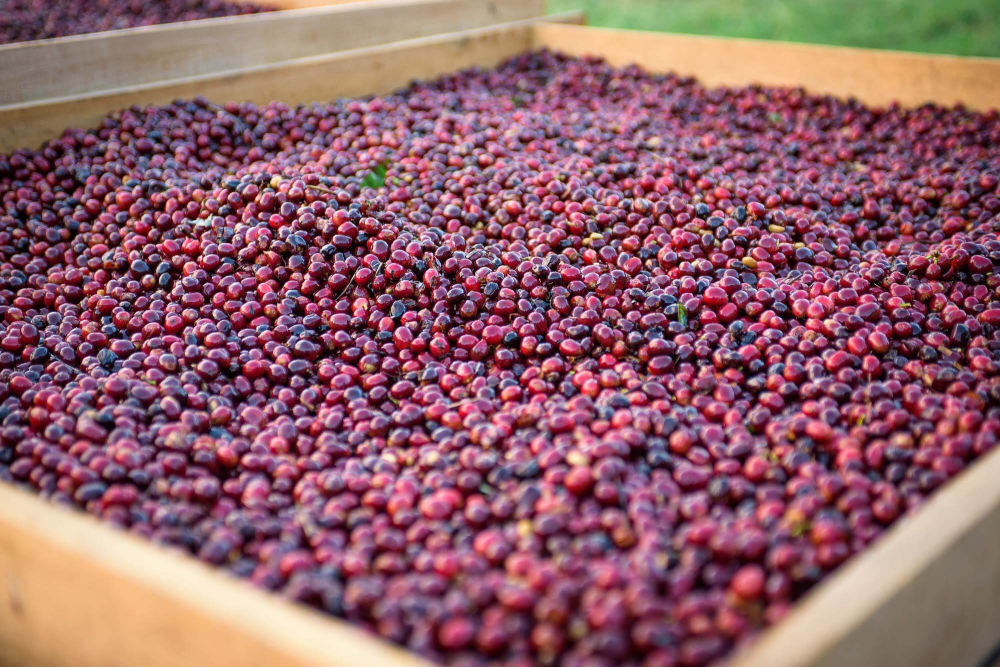
A certain supplier’s offering of Deborah Savvy Series Geisha consists of cherries grown at altitudes between 2000 and 2350 meters, sourced by farm owner Jamison Savvy through the Savvy Coffee Project from nearby high-altitude farmers, and processed using the estate’s proprietary anaerobic natural (sun-dried) method. This process involves placing the coffee cherries in a sealed greenhouse and sun-drying them until they reach a raisin-like state, followed by transferring them into an anaerobic environment for 36 hours of controlled fermentation at specific temperatures. Finally, the coffee is dried with the mucilage layer intact. This intricate procedure imparts a richer, sweeter aroma to the coffee. Flavor-wise, it highlights fresh fruits and floral notes, along with a soft, tangy sweetness reminiscent of a lactic acid drink. The mouthfeel is round and full, with excellent overall balance.
For these two high-altitude, high-complexity Geisha coffees, a light roast is recommended to preserve their inherent floral and fruity profiles. When brewing via pour over, it is suggested to use water at 92°C, a medium-fine grind (about 80% passing through a #20 sieve), paired with a Hario V60 filter cone, and an extraction ratio of 1:15 to 1:16. This setup better highlights details and layers. For specific brewing steps, a three-stage pour can be used: first, wet the coffee grounds with 30 grams of water and let them bloom for 30 seconds; then, pour in a small circular motion up to 130 grams for the first pour; finally, add water up to 240 grams as the water level nears the bottom. Total extraction time is approximately two minutes.
In terms of flavor profile, Hacienda La Esmeralda Green Label Geisha features jasmine floral notes and citrus acidity, accompanied by a juicy mouthfeel and aftertastes of cream, green tea, orange peel, and cantaloupe. The overall aroma is fresh and multi-layered. Meanwhile, the Deborah Savvy Series showcases intense floral aromas with distinct white flower and tropical fruit notes. Its sweet-tangy profile is similar to that of a lactic acid beverage, with a full-bodied mouthfeel and a clean, balanced aftertaste. It is an excellent choice for coffee lovers who enjoy sweet fruitiness and rich textures.
The above content is compiled by CoffeeHunters, a coffee news website.


