







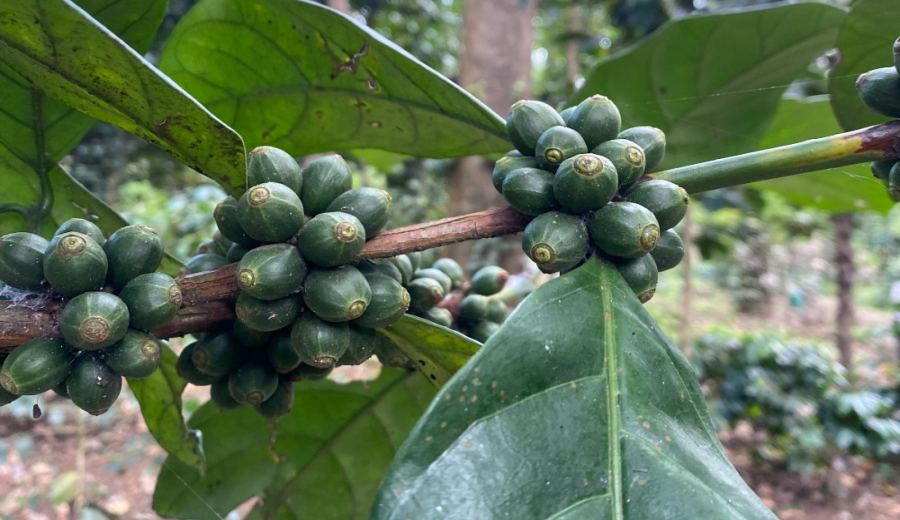
Introduction:Arabica coffee, renowned for its delicate flavors and multi-layered aromas, has become the mainstream choice in specialty coffee. But what are the well-known varieties under this category? From Typica and Bourbon originating in Ethiopia to the highly acclaimed Geisha and Ethiopian Heirloom, each variety boasts unique historical backgrounds, plant characteristics, and cupping profiles. This article will take you on an in-depth exploration of the key members of the Arabica family, analyzing their ideal growing environments, disease resistance, yield, and flavor profiles, while also exploring why Arabica stands out and has become a market favorite.
In the global coffee market, Arabica coffee, with its elegant aroma profile and refined balance of acidity and sweetness, firmly holds the top position in specialty coffee. However, Arabica is not a single variety but encompasses numerous branches with distinct genetic traits and cultivation adaptabilities. From the historically significant Typica and Bourbon to today’s highly sought-after Geisha and Ethiopian Heirloom, these varieties not only excel in flavor performance but also have a profound impact on the cultivation strategies and market positioning of coffee-growing regions.
This article will deeply analyze the main varieties within the Arabica family, breaking down their geographical origins, cultivation history, plant characteristics, disease resistance, and most representative flavor expressions one by one. At the same time, it will also introduce some classic producing regions and specific products to help you build a more complete understanding of varieties—whether you're selecting coffee beans or trying pour over, you’ll have clearer direction.
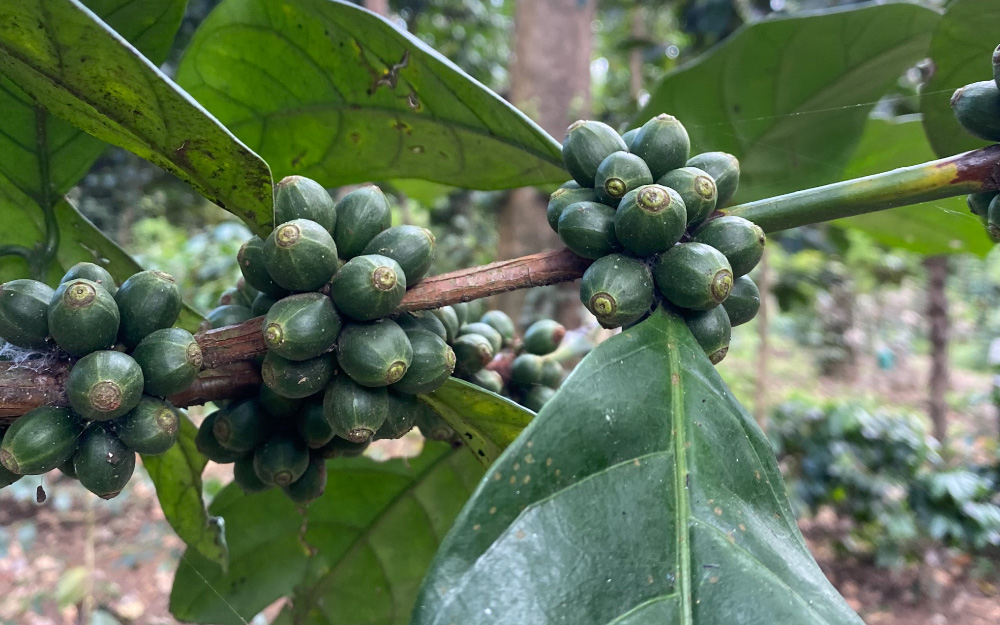
When it comes to coffee, there are generally two major types: Arabica and Robusta. Among them, Arabica is regarded as synonymous with specialty coffee due to its elegant aroma, multi-dimensional acidity, and relatively mild caffeine content, making it the preferred choice of most professional roasters and coffee enthusiasts worldwide. Next, we’ll focus on some of the most representative native and derivative varieties within the Arabica family.
The Two Native Varieties of Arabica
Tracing back through coffee history, nearly all modern Arabica varieties can be traced back to two native species—Typica and Bourbon. These two varieties originated in Ethiopia and gradually spread to various parts of the world via different routes, eventually evolving into the diverse strains we see today.
Typica
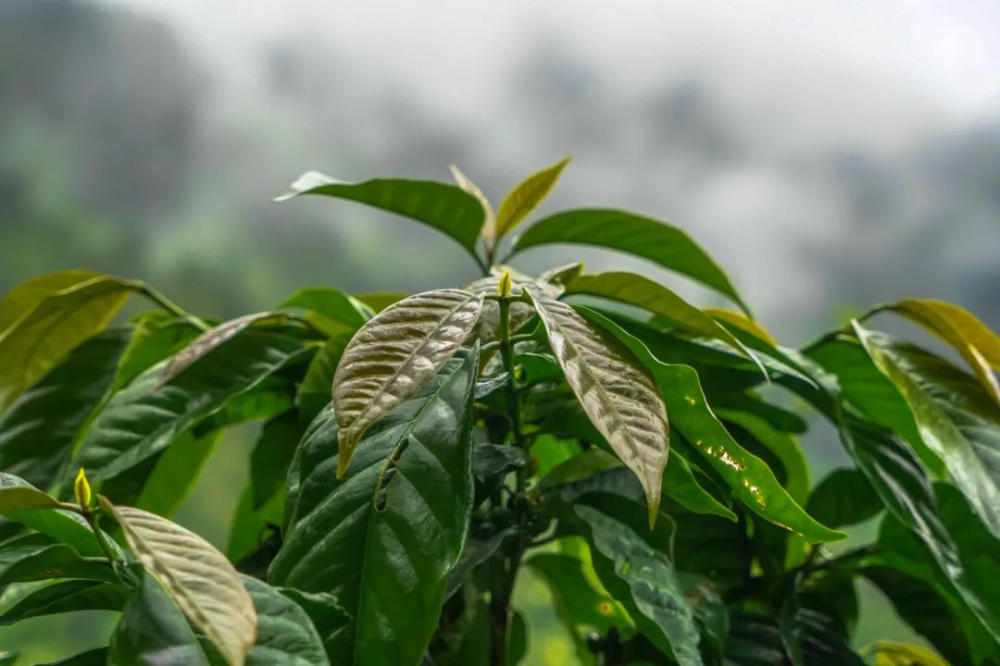
Typica is considered one of the oldest surviving cultivated Arabica varieties, originating in present-day Ethiopia. As early as the 9th to 10th centuries, it was introduced to the Arabian Peninsula for its medicinal potential, subsequently spreading to India, Southeast Asia, the Americas, and Europe. This variety features tall trees, and its young shoots at the top exhibit a distinctivereddish-copper color, hence it is also known as "red-tipped coffee." The beans it produces areslender and oval-shaped, with a noticeably pointed tip. When cultivated at high altitudes, it can display extremely elegant acidity, delicate floral notes, and fruity tones.
Typica has had an undeniable influence on small-seeded coffee in Yunnan, particularly in contributing to its intense aroma. However, this variety haslow disease resistance, is vulnerable to leaf rust and coffee berry disease, requires shaded environments, and yields limited output per plant, leading many producing regions to gradually shift to other higher-yielding varieties.
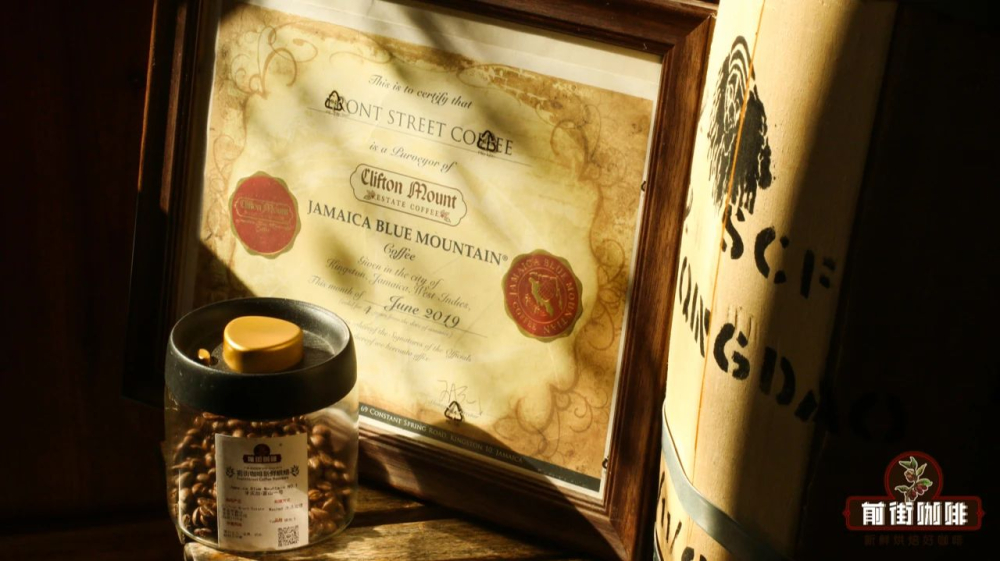
Representative examples include Jamaican Blue Mountain No.1 and self-grown Yunnan coffee beans (2013 Yunnan Small Bean), both belonging to the Typica lineage. Blue Mountain Typica is renowned for itsrich nutty and chocolatey aroma, with a mellow taste and an excellent balance of acidity, sweetness, and bitterness.
Bourbon
Bourbon was originally a mutation of Typica that emerged in Yemen and was brought to the east coast of Africa (present-day Réunion Island, formerly known as Bourbon Island) by the French in the 18th century, later expanding to Brazil and Central and South America. This variety has consistently achieved outstandingcupping results, frequently standing out in coffee competitions across Central America.
Depending on the skin color of the fruit at maturity, Bourbon can be divided into Yellow Bourbon, Red Bourbon, and Pink Bourbon, among whichRed Bourbon is the most common, with its fruits transitioning from green to yellow, then orange to red, and finally fully ripening. The Queen Estate coffee beans belong to the Yellow Bourbon variety. Though its yield is slightly higher than Typica, Bourbon is still not tolerant to strong winds, heavy rain, or certain pests and diseases. Nonetheless, its consistently high performance in cupping makes it a top choice for many specialty coffee farmers.
Common Arabica Varieties
Over time and with advancements in agronomy, Arabica varieties have evolved through natural mutations and human hybridization, giving rise to numerous strains adapted to different environments and market demands. Below are some representative examples.
Caturra
Caturra is a natural mutation of Bourbon discovered in Brazil in 1927, widely favored for itscompact plant size and suitability for high-density planting. This variety can thrive inunshaded environments (commonly referred to as sun-grown coffee), and at high altitudes, it can deliver exceptional flavor performance, including bright acidity and rich fruity aromas. It is primarily distributed in Central American regions such as Costa Rica and Panama, and is also a common component in blends like Finca Rosa Blanca and Costa Rica Blackberry.
Mundo Novo
The Mundo Novo variety is a natural hybrid offspring of Bourbon and Sumatra Typica, first successfully cultivated in Brazil. Its characteristics includehigh yield, good disease resistance, and solid cupping quality. Although it hasn’t ranked among the top-tier Brazilian specialty coffees, it has frequently made it into the top twenty. A major limitation is its tree height, often exceeding three meters, which makes harvesting more labor-intensive.
Catuai
Catuai is a second-generation hybrid created in 1949 from Caturra and Mundo Novo, offering advantages such asdwarf tree structure, compact fruit clusters, and strong wind resistance, making it highly suitable for commercial cultivation. Based on fruit color, it can be divided into Red Catuai and Yellow Catuai, and it exhibits clean acidity and good layered fruity notes. It is a common planting choice in many Central and South American regions, with Finca Elida in Panama being one representative.
Geisha
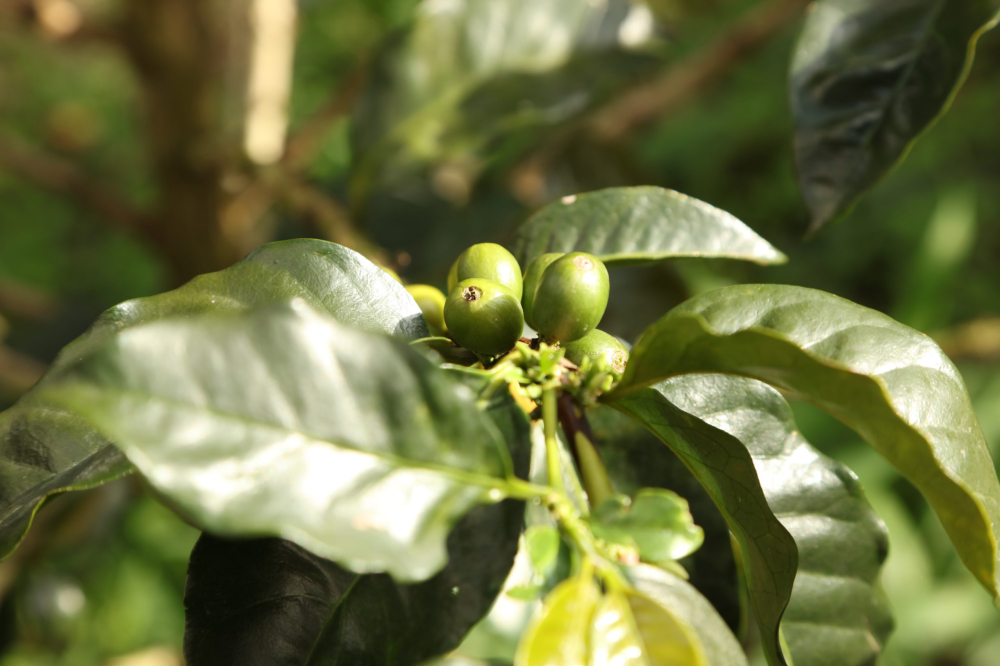
The Geisha variety was first discovered in the Gesha Forest of Ethiopia in 1931, later traveling through Kenya, Uganda, and Tanzania, and finally introduced to Panama in the 1970s. Initially overlooked due to its low yield, it rose to fame after the Geisha planted by Hacienda Esmeralda won the Best of Panama competition in 2004.
Geisha bean shapeis slender with pointed ends and a plump middle section. Under appropriate altitude and processing methods, it can showcase an exceptionally complex floral aroma profile, such as jasmine, rose, lemongrass, along with tropical fruit notes like mango and passionfruit. The mouthfeel is silky smooth with prominent sweetness. The provided Emerald Red Label Geisha and Green Label Geisha are both classic and accessible choices.
Ethiopian Heirloom
Ethiopia possesses the world’s richest coffee gene pool, with vast numbers of uncategorized varieties growing in its forests. To protect these genetic resources, the local government collectively refers to them as "heirloom" varieties. These varieties typically featuresmall beans with rounded appearances, with bean sizes mostly ranging between 14 and 15 mesh. For example, the coffee beans produced by the Gedeb Guji Gedo Cooperative in Yirgacheffe are typical Ethiopian Heirloom, showcasing unique citrus and floral tonalities.
In addition to the above main varieties, the global market also sees premium Arabica sub-varieties such as Pacas, Villa Sarchi, Pacamara, SL28, and SL34. Each of these exhibits a rich and varied flavor potential under different microclimates and processing techniques.
Why Are Arabica Coffee Beans More Popular?
Looking at the various varieties, the reason Arabica has become the leader in the specialty coffee market lies in itslow caffeine content (approximately 0.9–1.2%) and high fat and sugar ratio, resulting in a smoother mouthfeel, distinct acidity and aroma layers, and pronounced sweetness. As consumers increasingly pursue higher coffee quality and flavor, Arabica naturally becomes the top choice for pour over, filter coffee, and even the specialty professional sphere.
The above content is compiled by CoffeeHunters, a coffee news website.


