







Introduction:Geisha coffee is renowned for its unique floral and fruity aromas and high price point. The natural and washed processing methods offer distinctly different flavor experiences. This article delves into a detailed comparison of the flavor differences between sun-dried and washed Geisha, analyzes the cupping profiles of classic products such as Red Label and Green Label, and provides professional pour over parameters and steps to help you precisely extract the layered complexity of Geisha. We also recommend high-value alternatives suitable for everyday drinking and various brewing methods.
Geisha (Geisha) coffee beans are a legendary variety in the specialty coffee world, celebrated for their delicate floral and fruity notes and rare production volume, consistently holding important positions in top-tier coffee competitions. In international contests, Geisha even has its own dedicated competition category, underscoring its market status. This article will focus on two classic processing methods of Geisha—natural and washed—covering everything from flavor profiles to practical pour over parameters, helping you fully grasp the characteristics of this star bean.
Looking back at the development of specialty coffee, Blue Mountain coffee once gained immense popularity due to its strong export performance to Japan. However, with the rise of specialty coffee culture, consumer preferences have shifted toward varieties with more complex profiles. A popular saying in the coffee community in recent years goes: “Specialty coffee is divided into just Geisha and everything else.” Though said in jest, it reflects Geisha’s irreplaceable focal position. Especially over the past fifteen years, Geisha has repeatedly taken top honors in international competitions and garnered market attention with record-breaking auction prices. Its scarcity has also earned it the affectionate nickname “Expensive Geisha” among coffee enthusiasts.
Natural and washed are the key processes that influence the flavor direction of Geisha. Taking commonly seen Geisha Village Gold Label and Red Label as examples, these naturally processed Geisha green beans exhibit a color that is green with a slight yellow tint, with a texture as smooth as jade. When brewed, they often release fresh grassy notes, as well as fruit aromas like peach and berries, along with a unique tea-like undertone found in only a few coffee beans.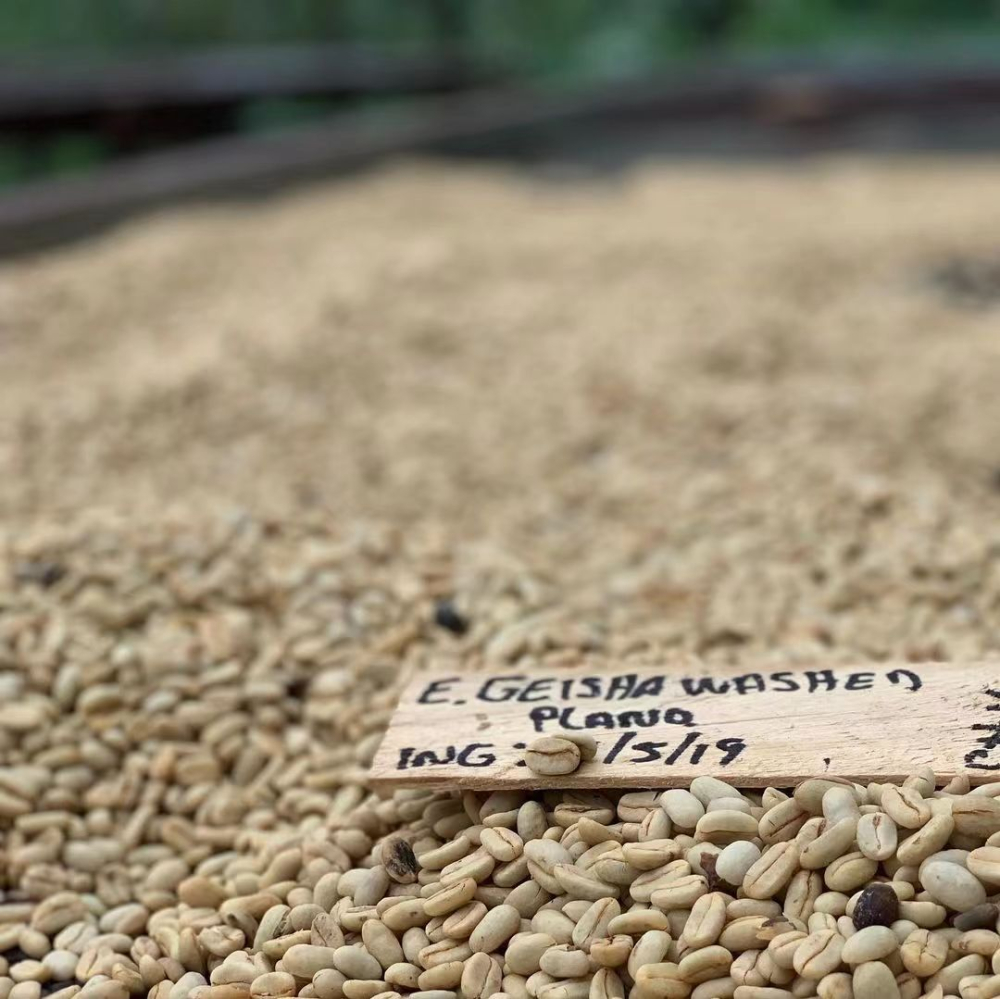 In contrast, washed-processed Jade Red Label and Green Label beans have a greener, bluer hue, noticeably lighter than natural-processed beans. Their dry aroma is dominated by citrus and grassy notes, and when brewed, they showcase a bright acidity and floral-fruit character.
In actual cuppings, the natural Red Label Geisha often presents a complex flavor profile of lemon, honey, berries, orange peel, cream, and citrus, with balanced sweetness and acidity and a tea-like aftertaste. The washed Red Label, on the other hand, highlights floral and fruity notes such as wild ginger lily, jasmine, citrus, and grapefruit, with a bright and lively acidity and a creamy-smooth finish. These differences give each processing method its own charm, suiting varying taste preferences.
The key to brewing Geisha via pour over lies in precise control of parameters and technique. It is recommended to use a Hario V60 filter cone, with the water temperature set to 90℃, maintaining a 1:16brew ratio, and using a medium-fine grind size.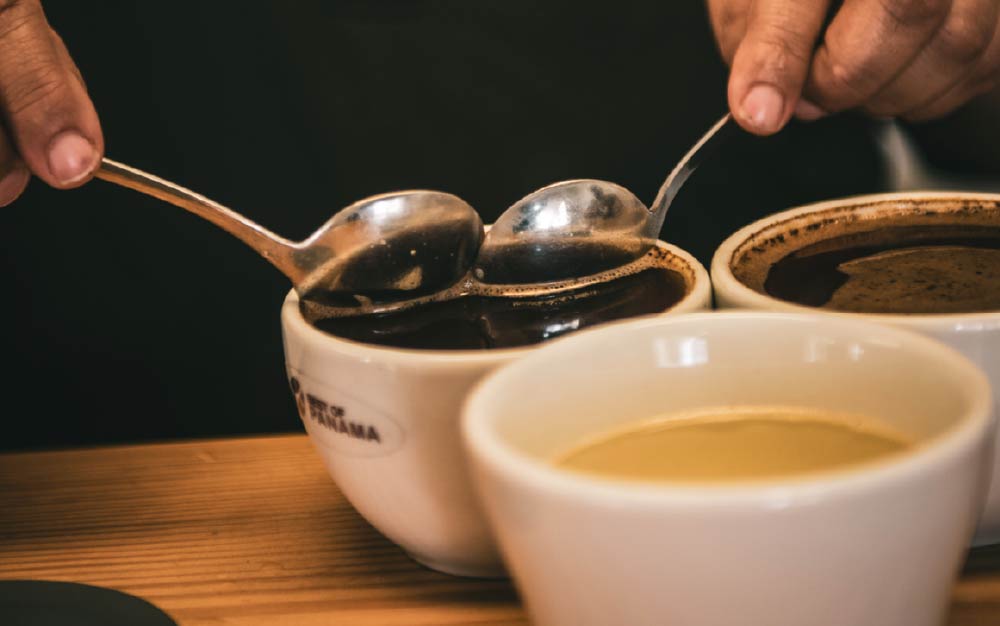 The specific steps are as follows: start by pouring 32 grams of water for a 30-second bloom, then continue pouring in small circles until reaching 125 grams for the first pour. When the water level drops and is about to expose the coffee bed, pour again up to 228 grams before stopping. Finally, remove the filter cone just before the water level is fully drained. The total extraction time is approximately 1 minute and 52 seconds. These parameters help balance Geisha’s delicate aromas and layered complexity.
In terms of actual tasting, the natural Geisha Village Red Label offers pronounced ginger lily and citrus aromas. On the palate, it presents notes of ripe fruit, black tea, and citrus, with a sweet-and-sour interplay reminiscent of fruit tea, and a lingering berry-like sweetness in the aftertaste. The washed Jade Green Label begins with notes of ginger lily and jasmine, followed by a bright citrusy acidity of green lime and mandarin, with bergamot nuances emerging mid-palate, and a finish that transitions into a green tea-like sensation, paired with a smooth, sugar-cane-like aftertaste.
Considering the high price of Geisha, when looking for everyday alternatives, you might consider blends that combine Geisha with other varieties. For example, offerings that blend Panamanian Geisha with Caturra and Catuai not only retain the dominant flavor characteristics led by Geisha but also effectively reduce the budget. These blends are suitable for various brewing methods including pour over, moka pot, and even cold brew, meeting diverse scenario needs.
The above content is compiled by CoffeeHunters, a coffee news website.


