







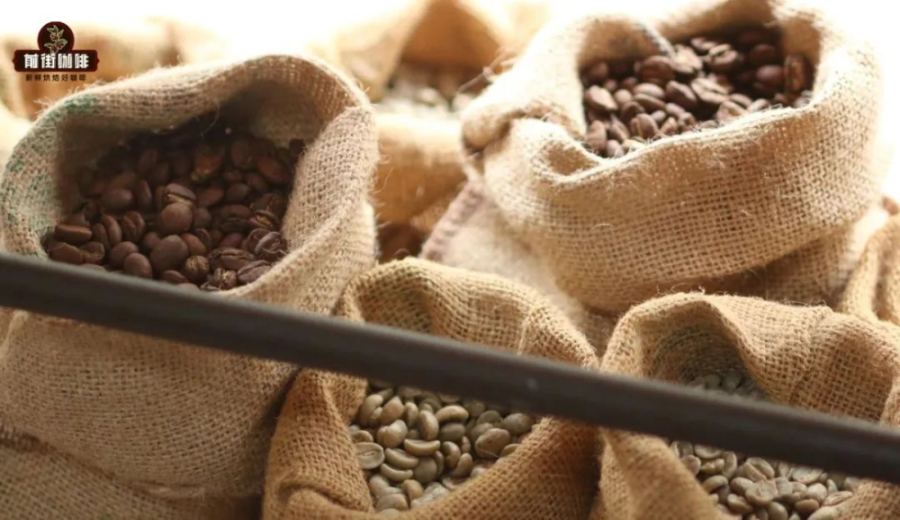
Introduction:Have you ever seen the label "100% Arabica" in supermarkets or cafés without knowing how it relates to classic American-style black coffee? This article delves into the fundamental differences between Arabica and Robusta, explains why Arabica is the preferred choice for specialty coffee, explores the benefits and potential risks of daily coffee consumption, and recommends several everyday-drinking Arabica single-origin beans to help you find your own favorite coffee flavor.
Whether you walk into a café or browse an online shopping platform, "100% Arabica" is almost a standard label on various coffee products. It not only symbolizes quality but also represents consumers' expectations for flavor and purity. In fact, most of the pour over coffee, American-style black coffee, and even the base beans in lattes that we drink daily are made from Arabica. This is no accident—Arabica, with its unique flavor complexity and relatively mild taste, has long become the mainstream in global specialty coffee.
Coffee is essentially a crop, originating from the highland regions of Ethiopia, where it was initially even used as a medicinal plant. Over time, people began roasting coffee beans and grinding them for brewing, gradually developing the coffee culture we are familiar with today. Global commercial coffee cultivation is mainly concentrated in the so-called "coffee belt," the tropical zone between the Tropic of Cancer and the Tropic of Capricorn, which offers the temperature, rainfall, and sunlight conditions suitable for coffee growth. The main coffee varieties cultivated today can be divided into two categories: Arabica and Robusta, which differ significantly in flavor, growing conditions, and market positioning.
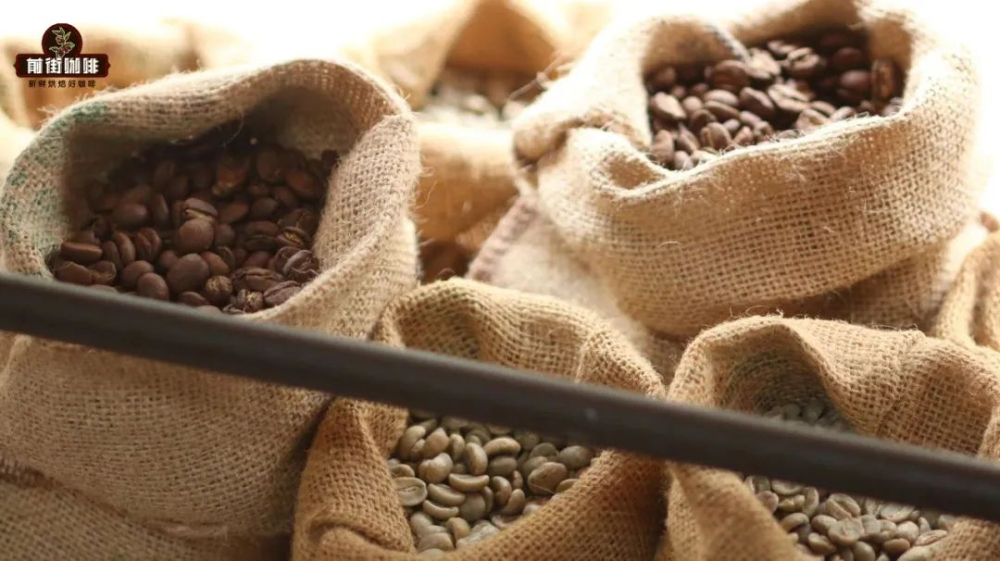
Arabica coffee generally needs to be grown at altitudes between 800 and 2,200 meters. The high-altitude environment creates significant day-night temperature differences, slowing the ripening process of the coffee cherries and allowing more flavor compounds to accumulate. This is why Arabica grown at high altitudes is often praised for its more delicate flavors and richer aromas. In addition, the variations in microclimates across different regions give Arabica diverse regional characteristics—from the citrus notes of Africa to the nutty and chocolatey flavors of Central and South America—each single-origin bean showcases its own unique personality.
So why do we often hear that we should choose Arabica coffee? The key lies in its contrast with the other major variety—Robusta. Although Robusta (also known as Canephora) accounts for about 25% of global coffee production, its flavor profile is distinctly different. Robusta contains a higher caffeine content, approximately 1.7% to 4%, and has much lower fat and sugar levels compared to Arabica, resulting in a bolder, more bitter taste, often accompanied by woody or grainy off-flavors. For this reason, Robusta is mostly used in instant coffee or as the base for espresso blends to add body and stabilize crema.
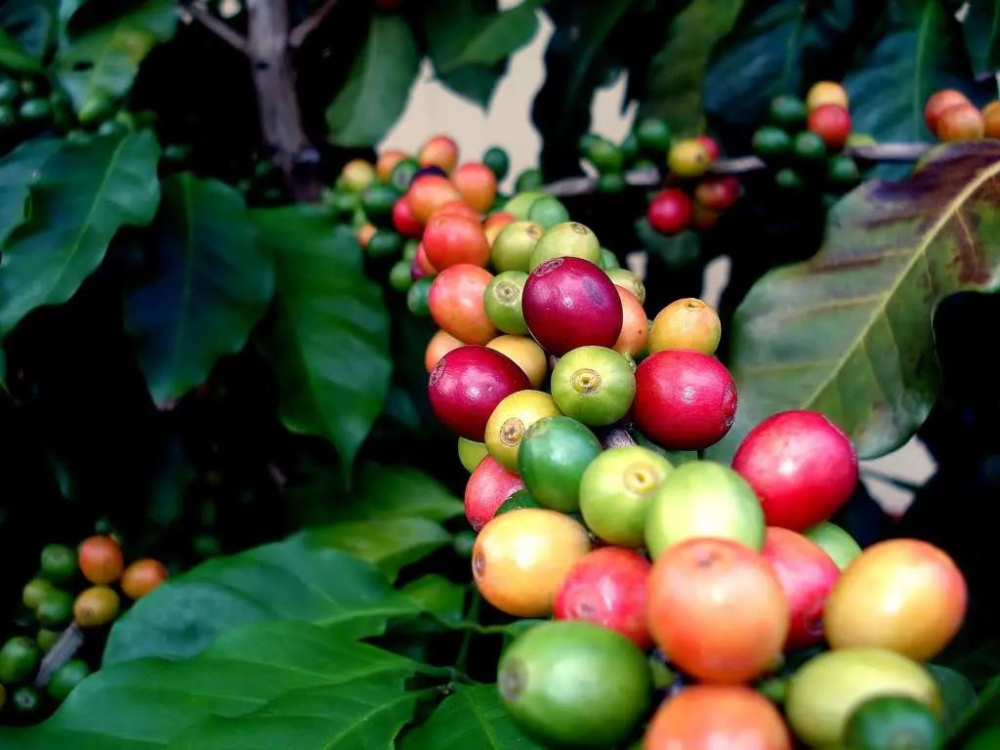
In comparison, Arabica has a caffeine content of about 0.9% to 1.2%, with higher sugar and fat content, giving it a sweeter, smoother flavor, often accompanied by bright acidity and floral notes. These qualities make Arabica suitable not only for brewing methods like pour over, French press, or cold brew but also allow its intricate layers to shine through, making it the top choice for coffee enthusiasts who pursue flavor quality.
If you want to explore the flavors of Arabica from different regions, you might start with classic everyday-drinking bean series. These beans typically come from globally renowned producing areas, such as Yirgacheffe in Ethiopia, Huehuetenango in Guatemala, Huila in Colombia, Cerrado in Brazil, Tarrazú in Costa Rica, Lintong Mandheling in Indonesia, and Baoshan in China’s Yunnan, among others. Each bean, due to differences in processing methods and varieties, presents its own characteristics—for example, Yirgacheffe often features lemon and blueberry acidity, while Mandheling is known for its low acidity, full body, and herbal aroma.
These everyday-drinking beans are suitable for brewing methods such as pour over, cold brew, or French press, which can fully showcase the coffee’s inherent aroma and flavor. If you wish to experience the most authentic traits of coffee, it is recommended to drink it as black coffee to avoid masking its subtle nuances with sugar or creamer. Additionally, the freshness of the coffee beans is crucial—beans roasted more than two months ago often show a noticeable decline in aroma and flavor. Therefore, it is advised to choose freshly roasted beans within five days of roasting for the best tasting experience.
Of course, while enjoying coffee, it’s also important to maintain a balanced intake. For many office workers, a morning cup of black coffee not only helps to refresh and invigorate but also aids metabolism and can even assist in fat burning when consumed before exercise. However, these benefits primarily apply to pure black coffee. Once syrups, condensed milk, or creamers are added, the calorie count increases significantly, and the original health benefits of coffee may be offset. Moreover, some individuals are more sensitive to caffeine, which may cause insomnia or gastrointestinal discomfort. It is recommended to adjust your intake based on your personal condition.
Medical research generally indicates that moderate coffee consumption (recommended at no more than three cups per day) has no significant adverse effects on health and may even offer potential benefits such as antioxidant and anti-inflammatory properties. However, individual constitutions vary, and if you experience any discomfort after drinking coffee, it is advisable to reduce your intake appropriately or consult a healthcare professional for advice to find the coffee drinking method that suits you best.
The above content is compiled by CoffeeHunters, a coffee news website.


