







Introduction:Want to understand how the acidity, sweetness, and bitterness of medium-roast coffee beans are balanced, and which brewing method can bring out their best flavors? This article delves into the temperature range, bean characteristics, and flavor profiles of medium roast, along with a variety of practical extraction suggestions. Whether you prefer pour over, French press, or espresso, you’ll find suitable options and references here.
The degree of roasting is one of the key factors influencing the flavor direction and overall mouthfeel of coffee beans. When your coffee tastes more bitter, it’s usually due to a darker roast; if the acidity is too pronounced, it may be a lighter roast. For coffee enthusiasts seeking a balance between acidity and bitterness with a smooth mouthfeel, medium roast is often the most balanced choice.
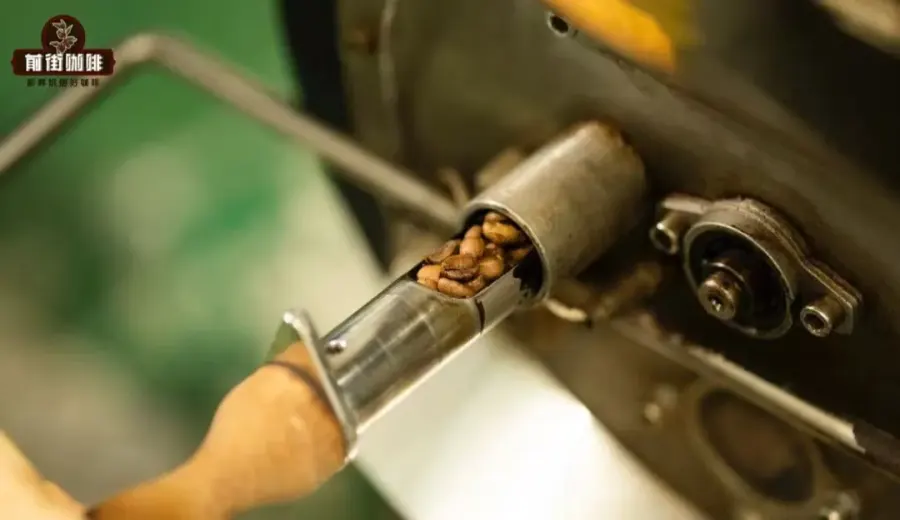
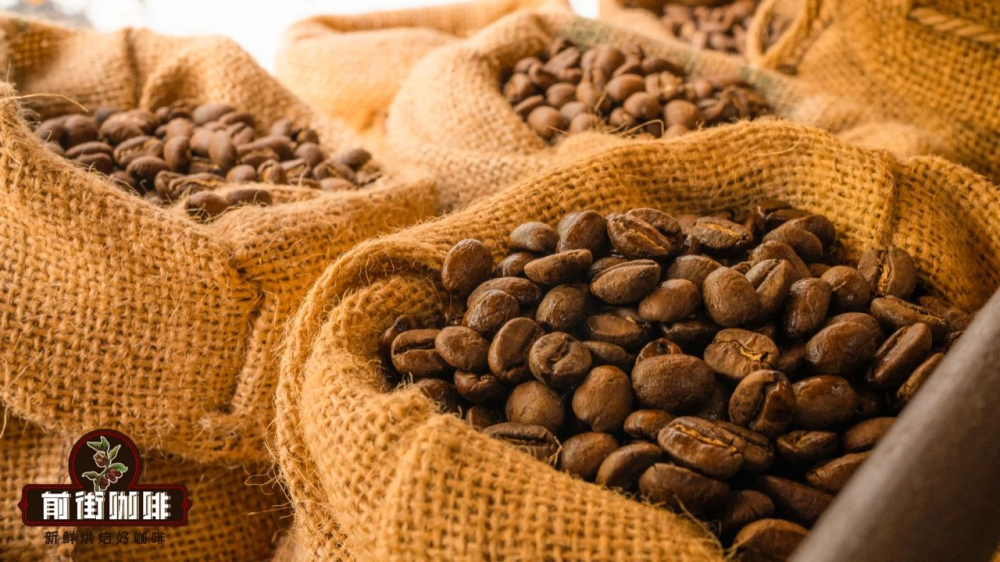
During the roasting process, the ratio of acidity, sweetness, and bitterness constantly adjusts with changes in heat and time. Generally speaking, the longer the roast, the less acidity and the more pronounced the bitterness. Medium roast typically falls within the range of 200 to 215 degrees Celsius. At this stage, the coffee beans exhibit an even brown color with a slight sheen on the surface. They retain some bright acidity while also gaining natural sweetness from caramelization, resulting in a relatively smooth and full-bodied taste.
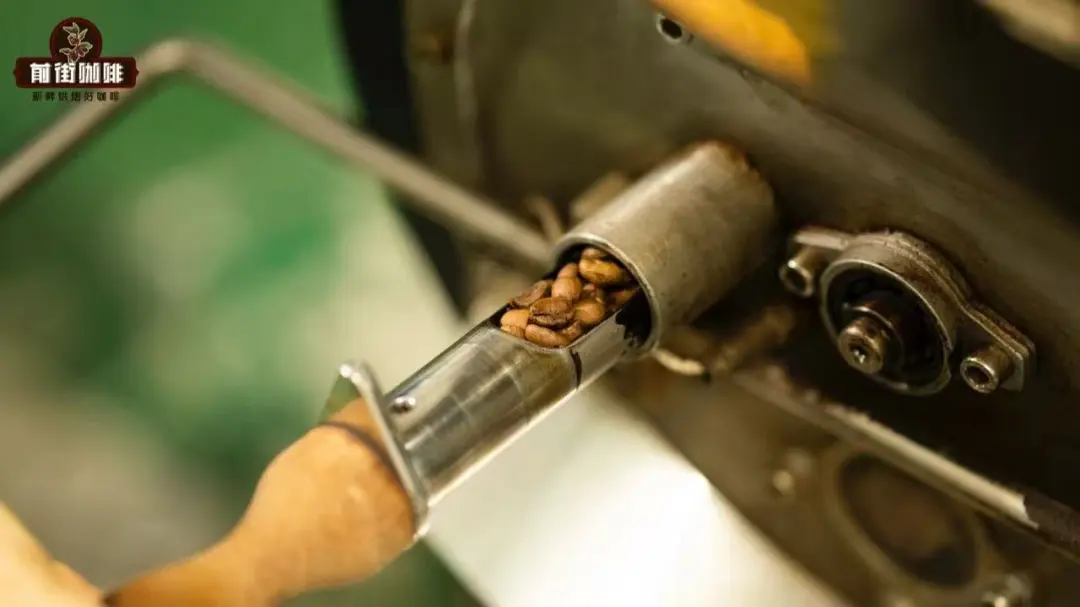
Medium roast is generally achieved shortly after the "first crack" sound is heard, with the core bean temperature around 200 to 215°C. At this stage, the beans not only possess a certain level of acidic aroma but also carry a subtle wine-like complexity. They feel smooth on the palate without being overly sharp, making them suitable for various everyday brewing methods, including espresso machines, moka pots, pour over, French press, and even cold brew.
The advantage of medium roast lies in achieving a good balance between acidity and bitterness while showcasing the diverse flavors inherent in the coffee itself. Yet, unlike light roast, where acidity tends to dominate, or dark roast, which pursues intensity and smokiness, medium roast is considered the most “approachable” roast level, suitable for everyone from beginners to seasoned coffee enthusiasts.
For example, if you often use an espresso machine or moka pot, you might prioritize beans with low acidity, gentle bitterness, and good aftertaste characteristics. These types of beans usually produce moderate crema and deliver a balanced flavor profile after extraction. For instance, some beans from Brazil’s Cerrado region or Indonesian Golden Mandheling are common and well-regarded choices among medium roasts.
For readers who prefer the French press, it’s recommended to choose beans with a balanced mouthfeel, distinct layers, and a clean aftertaste. The immersion brewing method of the French press can fully release the coffee’s richness and sweetness. With the right selection, it can present a mellow and delicate flavor profile. Certain single-origin beans from Yunnan or those with unique processing methods can also perform quite well with this equipment.
If you love pour over or cold brew and want to experience richer floral and fruity notes with a refreshing complexity, look for blends or single-origin beans that fall within the medium-light roast range but still retain the traits of medium roast. These beans often have noticeable fruit tones, such as berries, citrus, or floral notes. Whether using a V60, AeroPress, or cold brew bottle, they can highlight their unique aromas and aftertastes.
In summary, medium roast coffee beans are a versatile choice. No matter which brewing method you prefer, as long as you understand the characteristics of the beans and the principles of equipment pairing, you can brew a cup of coffee with balanced flavors and great satisfaction. It’s recommended to try beans from different regions and with various processing methods based on your personal taste preferences and brewing habits, gradually finding the medium roast coffee that suits you best.
The above content is compiled by CoffeeHunters, a coffee news website.


