








Introduction:The Geisha coffee from Panama’s Hacienda La Esmeralda has long been a top-tier representative in the specialty coffee world, with its Natural Blue and Natural Green labels being popular choices eagerly sought after by many coffee enthusiasts. But what are the differences between these two sun-dried Geishas in terms of region, altitude, and flavor? This article takes an in-depth look at their regional backgrounds, processing features, and actual cupping performances, and also provides practical pour-over recommendations for the Natural Green label to help you find the one that best suits your taste.
In the world of specialty coffee, the Geisha variety from Panama’s Hacienda La Esmeralda has always played a flagship role. Especially the Natural Blue and Natural Green labels of Geisha launched by the estate, which not only frequently appear on the menus of specialty coffee shops but are also widely praised for their unique flavor profiles. However, many consumers often don’t know how to choose between these two seemingly similar yet distinctly unique Geishas. This article will detail the origin, regional differences, processing methods, and flavor characteristics of these two sun-dried Geishas to help you make the best choice based on your personal preferences.
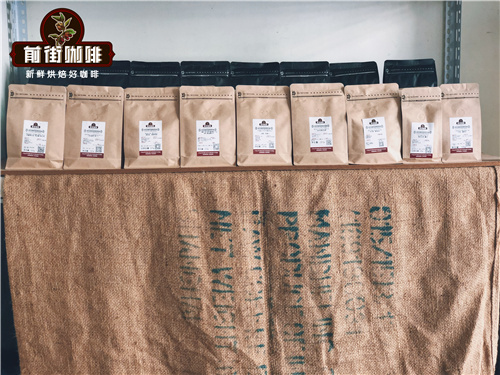
When it comes to the Geisha variety, its important place in coffee history cannot be overlooked. This variety, originating from the Gesha Forest in Ethiopia, was introduced to Costa Rica as early as 1953 and didn’t find its stage in Panama until the 1970s. Particularly through the careful cultivation and promotion by Hacienda La Esmeralda, Geisha has not only achieved numerous accolades in international competitions but has also become a dream coffee for specialty coffee lovers. The estate’s Red, Green, and Blue grade Geishas represent different quality and price ranges, with the Natural versions of the Blue and Green labels standing out due to their rich flavor complexity and high cost-performance ratio, making them ideal entry-level choices for both novice and experienced coffee drinkers.
The reason why Geisha is so widely loved is closely related to its distinctive floral and fruity aromas. Compared to other coffee varieties, Geisha often exhibits more pronounced complex flavors such as citrus, jasmine, honey, and even wine-like notes, which become even more prominent with the natural sun-dried processing method. In fact, the natural process preserves more of the natural sugars from the fruit pulp and mucilage, thereby enhancing the coffee’s aromatic intensity and sweetness—this is also why many coffee enthusiasts are particularly drawn to the sun-dried versions of Geisha.
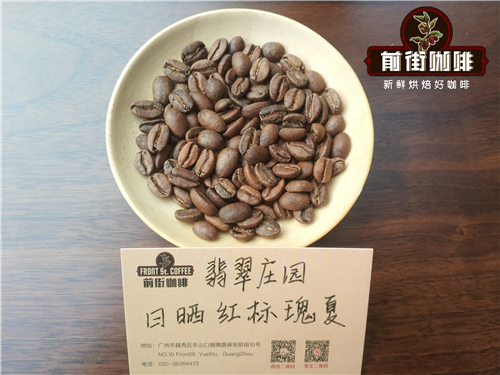
Hacienda La Esmeralda categorizes Geisha into three grades based on planting altitude and cupping performance: Red Label, Green Label, and Blue Label. Among them,the Red Label Geisha is grown at altitudes of 1600 to 1800 meters and above,typically sourced from the Jaramillo and Canas Verdes regions, with cupping scores of 90 or above, mostly used for auctions, and considered top-tier rarities. The Green Label is grown at similar altitudes butdoes not participate in auctions,and is usually a blend of lots from different small plots, offering a relatively higher cost-performance ratio. The Blue Label, also known as Geisha 1500,is grown at altitudes between 1400 and 1500 meters,mainly from the Jaramillo, Canas Verdes, and El Velo regions. It was historically primarily processed using the washed method, but in recent years, a natural version has also been released, with surprisingly impressive flavor performance.
What we focus on comparing here are the Natural Blue Label and Natural Green Label Geishas from Hacienda La Esmeralda. The Natural Blue Label is produced in the Boquete region at an altitude of about 1500 meters and undergoes natural processing. Its flavor profile often features lemon, honey, passionfruit, and fermented wine-like notes, with bright acidity and distinct layers.The Natural Green Label, on the other hand, is planted at a higher altitude of 1700 meters,also from Boquete. Its cupping flavor is dominated by jasmine, lemon, berries, honey, cantaloupe, and mango, presenting an overall richer profile with the aromatic qualities of tropical fruits.
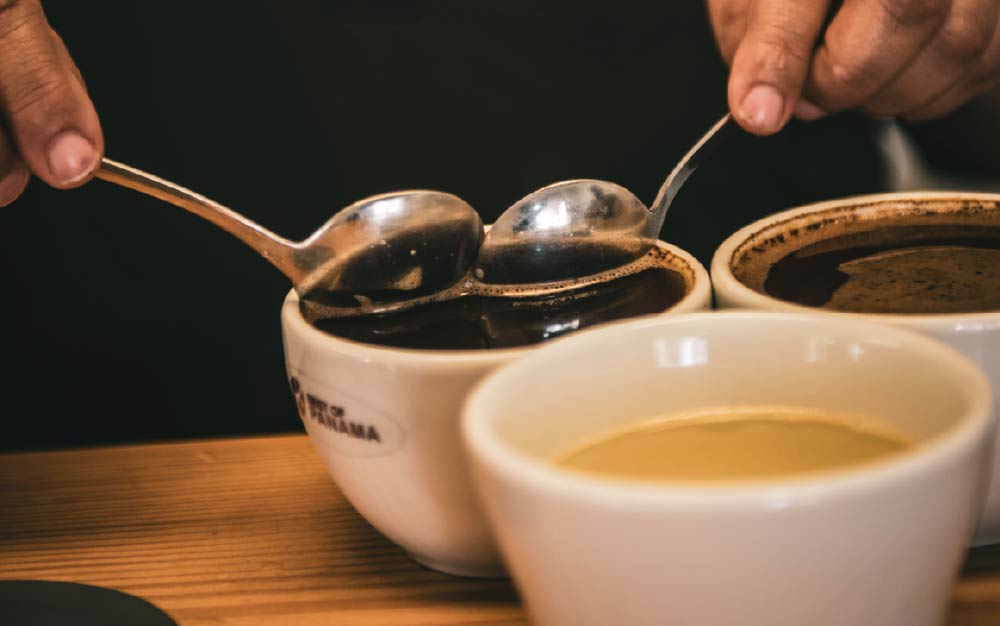
From actual cupping experiences, the Natural Green Label already emits a rich dried passionfruit aroma at the grinding stage. After brewing, jasmine floral notes burst forth, with a distinct lemon acidity upon entry. As the temperature drops, the flavor reveals juicy sweetness akin to passionfruit and strawberry, with a honey-like smoothness and warmth lingering in the aftertaste. This flavor combination gives the Green Label a high drinking value even though it doesn’t belong to the auction-grade category. In comparison, the Natural Blue Label showcases a softer acidity and silkier mouthfeel, with its sweet and fruity notes perfectly balanced—making it an excellent choice for coffee lovers who prefer rounded flavors.
For coffee enthusiasts who enjoy brewing at home, we also offer practical pour-over suggestions for the Natural Green Label: We recommend using 15 grams of coffee grounds with a 1:15 coffee-to-water ratio, controlling the water temperature at 91°C, and grinding to a medium-fine level (approximately 78% passing through a #20 sieve), using a V60 filter. The first step is to pour 30 grams of water for a 30-second bloom, followed by pouring up to 125 grams of water by the first minute, and finally adding water up to 225 grams after the bed is exposed, with a total extraction time of about two minutes. These parameters fully highlight the aroma and flavor layers of the Green Label, making it suitable for coffee lovers who pursue fine details.
In summary, the Natural Blue Label and Natural Green Label Geishas from Hacienda La Esmeralda, while both sun-dried, still exhibit significant differences in altitude, region, and final flavor expression. The Blue Label excels with its soft acidity and fruity notes, catering to those who prefer a mellow mouthfeel; whereas the Green Label stands out with its richer tropical fruit aromas and brighter acidity, making it an excellent choice for those wanting to deeply explore the layered flavors of Geisha. Whether you’re a beginner or a seasoned coffee aficionado, these two beans are definitely worth savoring in detail.
The above content is compiled by CoffeeHunters, a coffee news website.


