







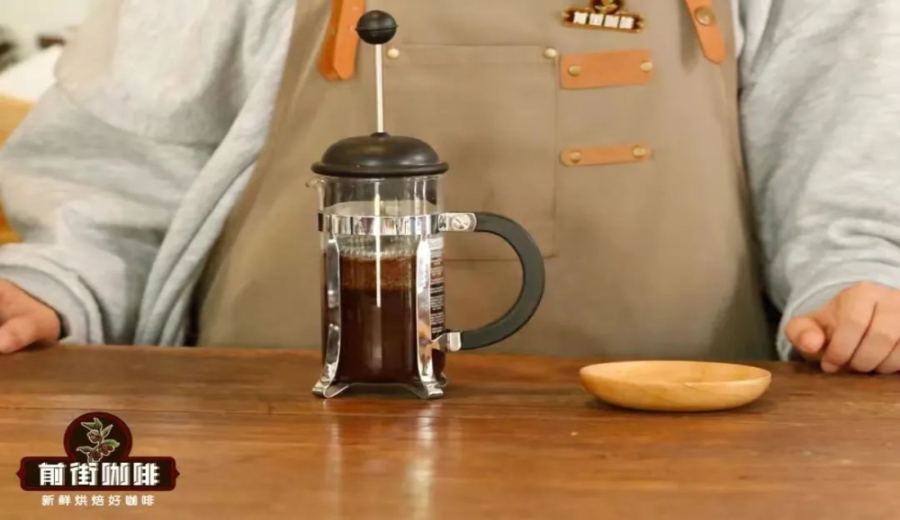
Introduction:If you want to brew a flavorful and easy-to-make cup of coffee at home, the French press is definitely one of the most practical choices. This article not only provides an easy-to-understand introduction to the principles and features of six common home brewing devices — the drip cone, American electric coffee maker, French press, siphon pot, moka pot, and espresso machine — but also takes a medium-light roasted Ethiopian Yirgacheffe bean as an example to detail the French press operation process, precise parameter settings, and actual flavor performance, helping you quickly master the usage tips of this classic brewing tool.
Enjoying a rich and layered cup of coffee at home isn’t actually difficult. With its simple operation and full extraction characteristics, the French press has become the top choice for many coffee beginners. Through a metal filter and full immersion method, the French press can retain most of the soluble flavor compounds in coffee, resulting in a fuller mouthfeel and more distinct layers. This article will introduce you to six common home coffee brewing devices, including the drip cone, American electric coffee maker, French press, siphon pot, moka pot, and espresso machine. Using a medium-light roasted Ethiopian high-altitude-grown Yirgacheffe as an example, it will demonstrate the French press brewing technique, recommended parameters, and the final floral aroma, citrus acidity, creamy cane sugar sweetness, and black tea finish.
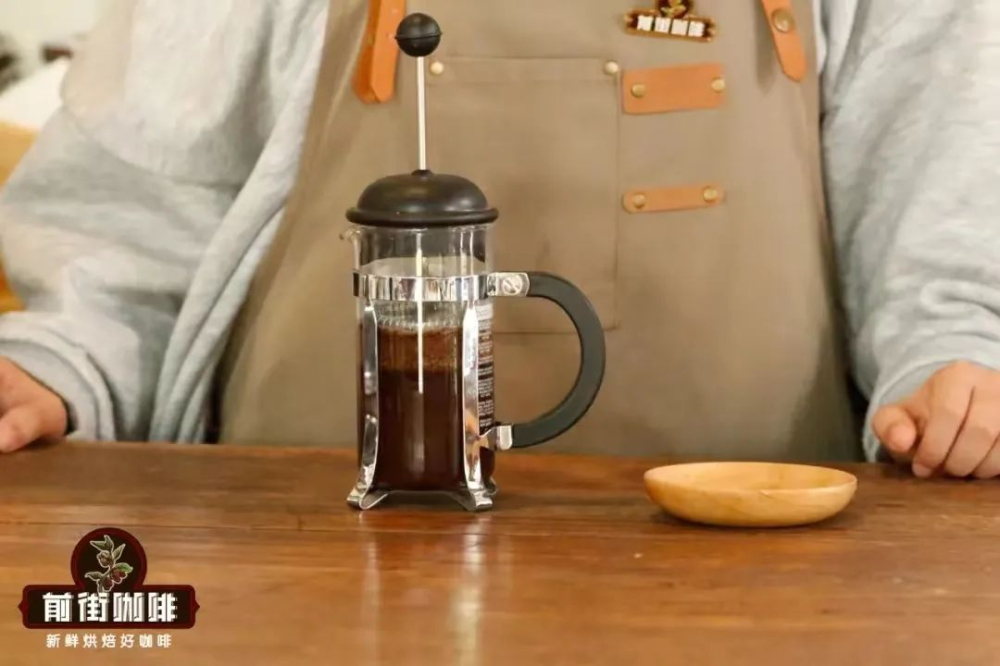
Drip Methodis one of the most basic home brewing methods. The drip cone has a simple structure, mainly consisting of a conical container used with filter paper. Hot water is poured over ground coffee in the filter paper, quickly passing through the coffee bed and extracting only some lighter, more volatile compounds. As a result, the overall flavor is fresh with fewer off-notes, but it lacks body and complexity.
American Electric Coffee Makeris a common type of coffee machine found in many households. Its internal structure is mainly divided into two types: funnel-shaped and wide flat cylindrical. However, many electric coffee makers have design flaws — for example, the showerhead may only sprinkle water around, preventing hot water from evenly penetrating the coffee bed. In addition, insufficient coffee dosage and direct dripping of some hot water onto the filter paper can lead to uneven extraction, diluted flavors, and a dull taste.
French Pressis one of the most popular manual immersion brewing devices. It’s very easy to use: simply add coarsely ground coffee and hot water into the pot, let it steep, then press down the metal filter to separate the grounds. This method fully extracts most of the coffee’s flavors, resulting in a slightly cloudy brew that retains richer oils and a fuller mouthfeel, making it ideal for office or everyday home use.
Siphon Potbrews coffee using the principle of siphoning. It utilizes steam pressure generated by heating the lower chamber to push water up into the upper chamber where it mixes with coffee grounds. After cooling, the coffee liquid flows back down into the lower chamber. This method not only offers a unique visual experience but also delivers a clean and refreshing taste, though it involves more steps and requires some skill to master.
Moka Potconsists of three parts: the upper chamber, filter basket, and lower chamber. To use it, water is added to the lower chamber, coffee grounds are placed in the middle filter basket, and heating generates pressure that pushes hot water up through the coffee, extracting a strong coffee similar to espresso. This device is relatively easy to use and suits those who prefer a bold flavor.
Finally,the Italian Espresso Machineuses high water pressure (about 10 atmospheres) and precise water temperature (around 95°C) to extract espresso in a short time (22 to 28 seconds). The standard coffee dosage is about 7 grams. Too low a water temperature leads to under-extraction and sharp acidity, while too high a temperature can cause excessive bitterness. Water pressure and time are key factors determining the character of the espresso, with around 25 seconds being the optimal extraction balance point.
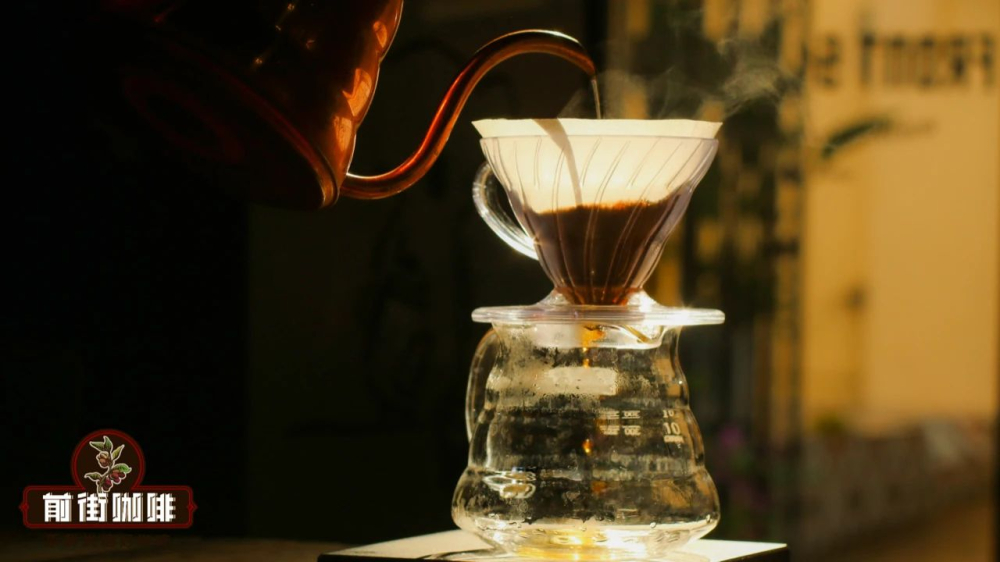
The actual demonstration in this article usesYirgacheffe from Ethiopia’s high-altitude growing regions, a medium-light roasted bean with bright citrus acidity and elegant white flower and jasmine aromas. It has a refreshing and layered taste, making it a daily favorite for many coffee lovers and suitable for various brewing methods such as pour over, cold brew, siphon, and French press.
Brewing Yirgacheffe with aFrench pressis not only simple but also highlights its full body and oily texture. Add20 grams of medium-fine ground coffee(recommended using EK43s grind setting 10.5, approximately equivalent to 75% passing rate through a Chinese standard No. 20 sieve) into the pot, then pour in90°C hot water. Set the coffee-to-water ratio to1:15, with a total water volume of300 grams. It is recommended to pour all the water at once, let it steep until1 minute and 30 seconds, then gently stir 5 timesto promote even contact between coffee and water. Then let it steep for2 minutes, and finally at2 minutes and 30 seconds, press down the plungerto filter out the coffee, pouring it out promptly to avoid over-extraction.
The final brewed Yirgacheffe exhibitsdistinct floral aromas, with a brightcitrus acidity upon entry, followed bycreamy and cane sugar sweetness in the mid-palate, and a softblack tea finish. The overall cup is rich, full-bodied, and smooth, perfect for those who enjoy a balanced profile of fruit acidity and sweetness.

The above content is compiled by CoffeeHunters, a coffee news website.


