








Introduction:Explore the Bird of Paradise coffee from Sigri Estate in Papua New Guinea. This washed coffee, based on the Typica variety, boasts a unique flavor profile nurtured by its 1,800-meter altitude and volcanic soil, delivering a balanced taste with nutty and cocoa notes as the mainstay, complemented by soft berry sweetness. This article delves into its growing region, variety background, processing method, roasting strategy, and provides practical step-by-step pour over parameters to help coffee enthusiasts master the optimal extraction method.
In the world of specialty coffee, Papua New Guinea is often hailed by enthusiasts as the “Little Blue Mountain.” This nickname stems from the fact that the Typica variety grown here was originally introduced from Jamaica’s Blue Mountain, coupled with a similar insular growing environment — including high altitude, adequate rainfall, and volcanic soil — resulting in flavors that are similar yet distinctly unique. The star of this introduction is the Bird of Paradise coffee from Sigri Estate in the Western Highlands Province of Papua New Guinea, a washed Typica that has garnered significant attention in the domestic and international specialty coffee markets.
Sigri Estate: The Cradle of the Bird of Paradise
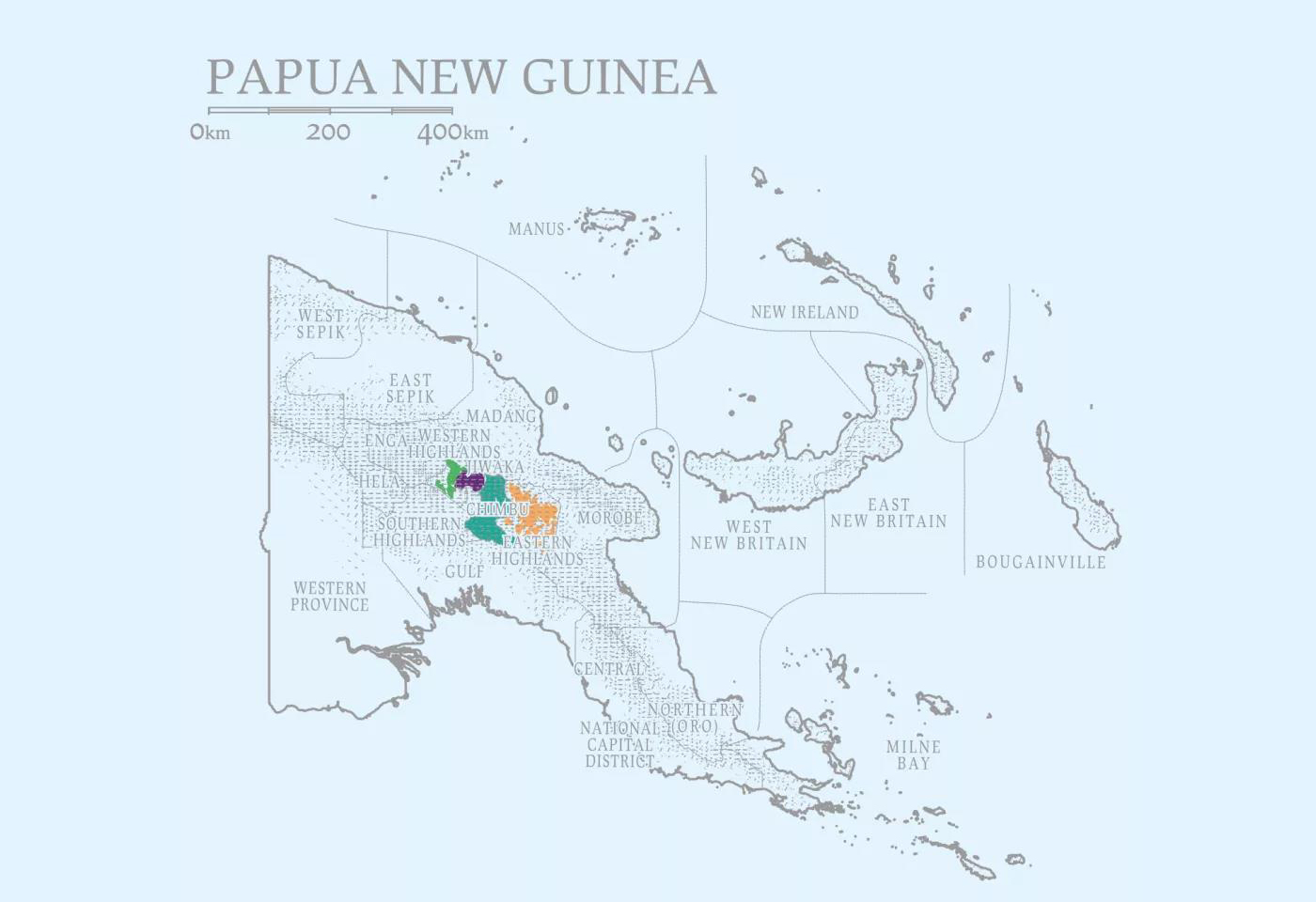
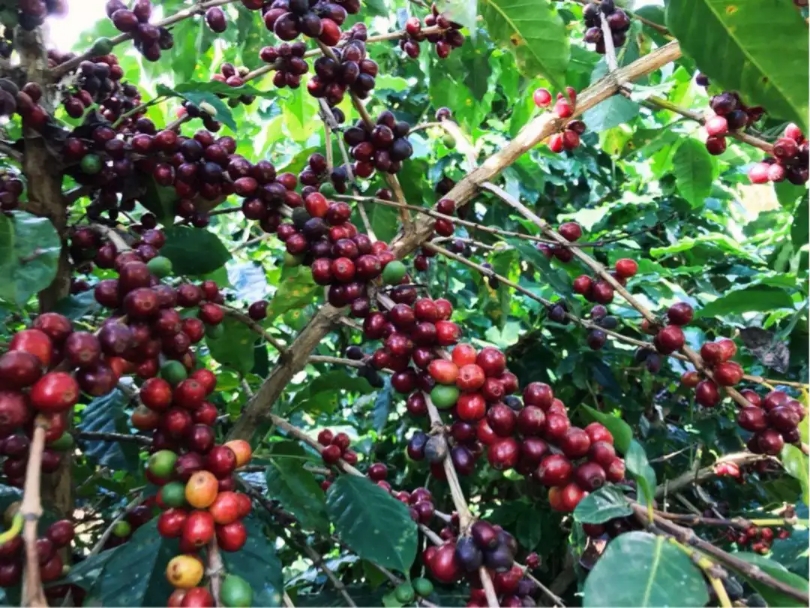
Established in 1950, Sigri Estate is one of the longest-standing coffee-producing regions in Papua New Guinea. Located in the Waghi Valley of the Western Highlands Province, it sits at an altitude of over 1,500 meters, with some sections even approaching 1,800 meters. This exceptional geographical location ensures a cool climate year-round with notable day-night temperature variations, which aid in the accumulation of sugar in coffee cherries and the development of flavor. The soil here is mineral-rich volcanic earth, well-drained and fertile, providing an ideal growing environment for coffee trees.

Sigri Estate has long adhered to pesticide- and chemical fertilizer-free practices, committed to sustainable agriculture and ecological conservation. The estate is home to a multitude of birds, including Papua New Guinea’s national bird — the Bird of Paradise — which is a common sight, earning the estate its renowned title of “Bird of Paradise Estate.” The coffee harvest season runs annually from April to September. The estate handpicks only fully ripe red coffee cherries and selects them meticulously by traditional manual methods to ensure each bean meets high-quality standards. The implementation of a daily cupping system further ensures that the green beans released maintain stable and excellent flavor profiles.
The Origin of the Name “Bird of Paradise Coffee”
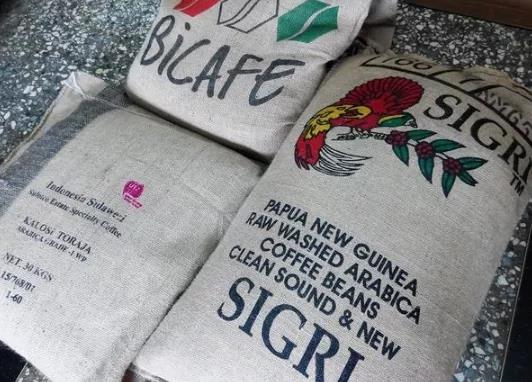
In the market, many consumers refer to coffee from Papua New Guinea as “Bird of Paradise,” which is related to the common depiction of the Bird of Paradise on coffee export sacks. In fact, Papua New Guinea’s major exporting estates include the two major producing regions of Sigri and Prossa, both of which have this totem printed on their export packaging. To distinguish between them, consumers gradually began referring to the products from Sigri Estate as “Bird of Paradise,” and it became an established market term. Even though later products from Prossa Estate also adopted the same design, the Sigri Bird of Paradise has become deeply rooted in people’s minds as a classic representative among specialty coffee enthusiasts.
The Bird of Paradise coffee introduced here not only features vibrant, plump green beans with uniform appearance, but when compared to the similarly washed Blue Mountain No. 1, the visual differences are almost indistinguishable — only careful observation can reveal subtle distinctions.
Variety, Processing, and Roasting: Restoring Pure Flavor
This Bird of Paradise coffee uses the classic Typica variety, one of the oldest lineages in the Arabica family, known for its bright acidity and delicate mouthfeel. Since Typica beans are relatively lower in density, special attention must be paid to hot air circulation and heat control during roasting to fully elicit their potential fruity aroma and refreshing acidity.
In terms of processing, the washed method is employed. By removing the pulp followed by fermentation and washing steps, impurities and excessive sweetness are effectively reduced, making the final flavor cleaner and clearer while highlighting the intrinsic characteristics of the beans. The final roast level is medium, emphasizing aroma development after the first crack to bring out the rich base notes of nuts and cocoa, while retaining a light berry finish.
Regarding the roasting curve, the charge temperature starts at 170°C, with the damper initially set to 3 and the heat at 140°C, and the turning point reached at approximately 1 minute and 36 seconds. Subsequently, the damper and heat are gradually adjusted. At 6 minutes and 25 seconds, the bean surface turns yellow, grassy notes fade, and the drying phase is complete. The first crack begins at 10 minutes and 8 seconds, with the temperature reaching 183.5°C, followed by the development phase of the first crack. Maintaining an appropriate rate of rise and damper opening, the roast finishes at 198.5°C, ensuring distinct flavor layers and a long-lasting aftertaste.
Brewing Parameters and Techniques: Step-by-Step Pour Over Guide
To fully showcase the delicate flavors of Bird of Paradise coffee, it is recommended to use a medium-coarse grind (approximately 65% passing through a #20 sieve), with 15 grams of coffee powder and a 1:15 coffee-to-water ratio, keeping the water temperature at 88°C. A KONO filter cone is suggested, as it helps achieve balanced water flow and flavor extraction.
In practice, start with a 30-second bloom using 30 grams of water. During this stage, the coffee grounds will gradually expand into a “hamburger shape,” laying a solid foundation for subsequent extraction. Next, in the second stage, pour water in a circular motion from the center outward for 120 grams, maintaining a steady motion to avoid vigorous stirring that could affect flow rate. Finally, pour an additional 75 grams of water, bringing the total to 225 grams. End the extraction once the filter cone has completely drained, with a total brew time of about 2 minutes.
This step-by-step pour over method allows for a good balance between the acidity in the early stage, sweetness in the middle, and aftertaste in the final phase, fully highlighting the dominant notes of nuts and cocoa, while also bringing out soft berry aromas and a sweet lingering finish.
In summary, the Bird of Paradise coffee from Sigri Estate in Papua New Guinea is a specialty-grade bean that combines the advantages of high altitude, rigorous cultivation processes, and traditional washed processing. Whether as a daily drink or for in-depth tasting, it offers an impressive sensory experience. With appropriate roasting and precise brewing techniques, its deep flavor potential can be fully realized, making every brew a delight for the palate.
The above content is compiled by CoffeeHunters, a coffee news website.


