







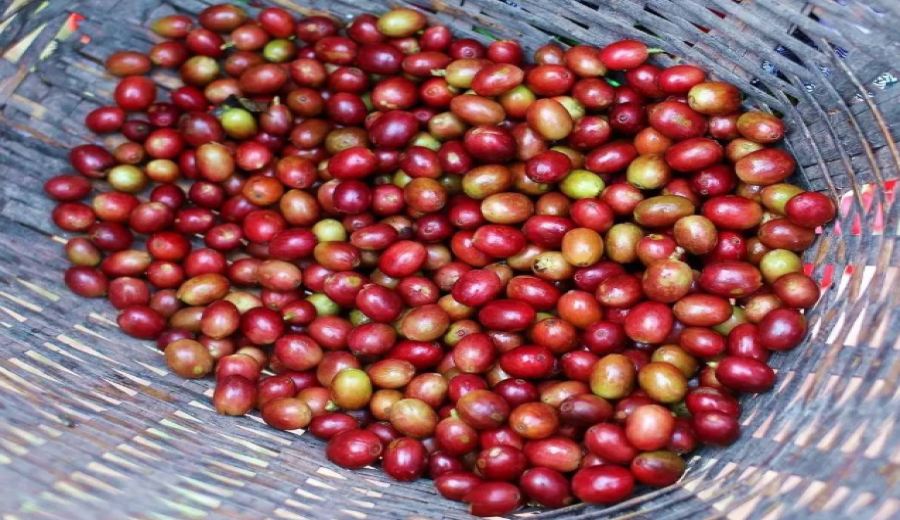
Introduction:An in-depth exploration of the rum barrel-fermented washed coffee made from the Castillo variety at Colombia’s San Jose Estate, breaking down the sources of its unique flavors through varietal background, regional terroir, and fermentation process details. This article also provides practical cupping comparisons and pour over parameters to help coffee enthusiasts better understand the potential and brewing essentials of this specialty bean.
Castillo is a variety introduced by Colombia’s coffee research institute in 2005, primarily aimed at improving disease resistance in coffee plants. It has since become one of the most widely planted varieties in the country. This variety was developed through five generations of hybrid selection between Timor and Caturra. Timor is a natural hybrid of Arabica and Robusta, characterized by a tall tree structure and strong leaf rust resistance; whereas Caturra is a natural mutation of Bourbon, with a shorter plant height, higher yield per unit area, good flavor performance, but prone to diseases. The combination of the two gives Castillo the dual advantages of stable yield and disease resistance.
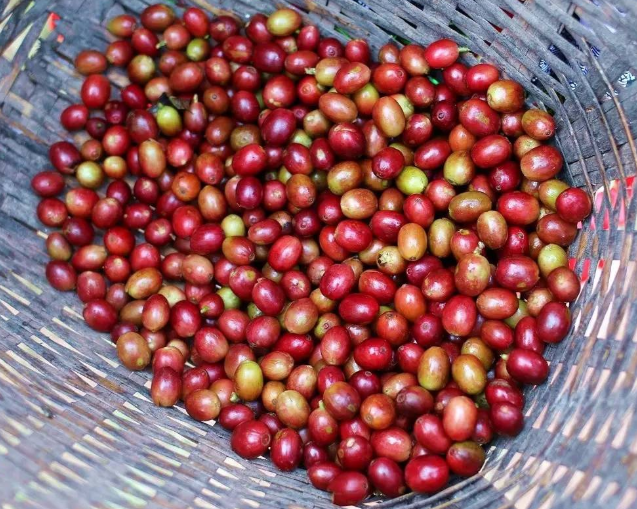
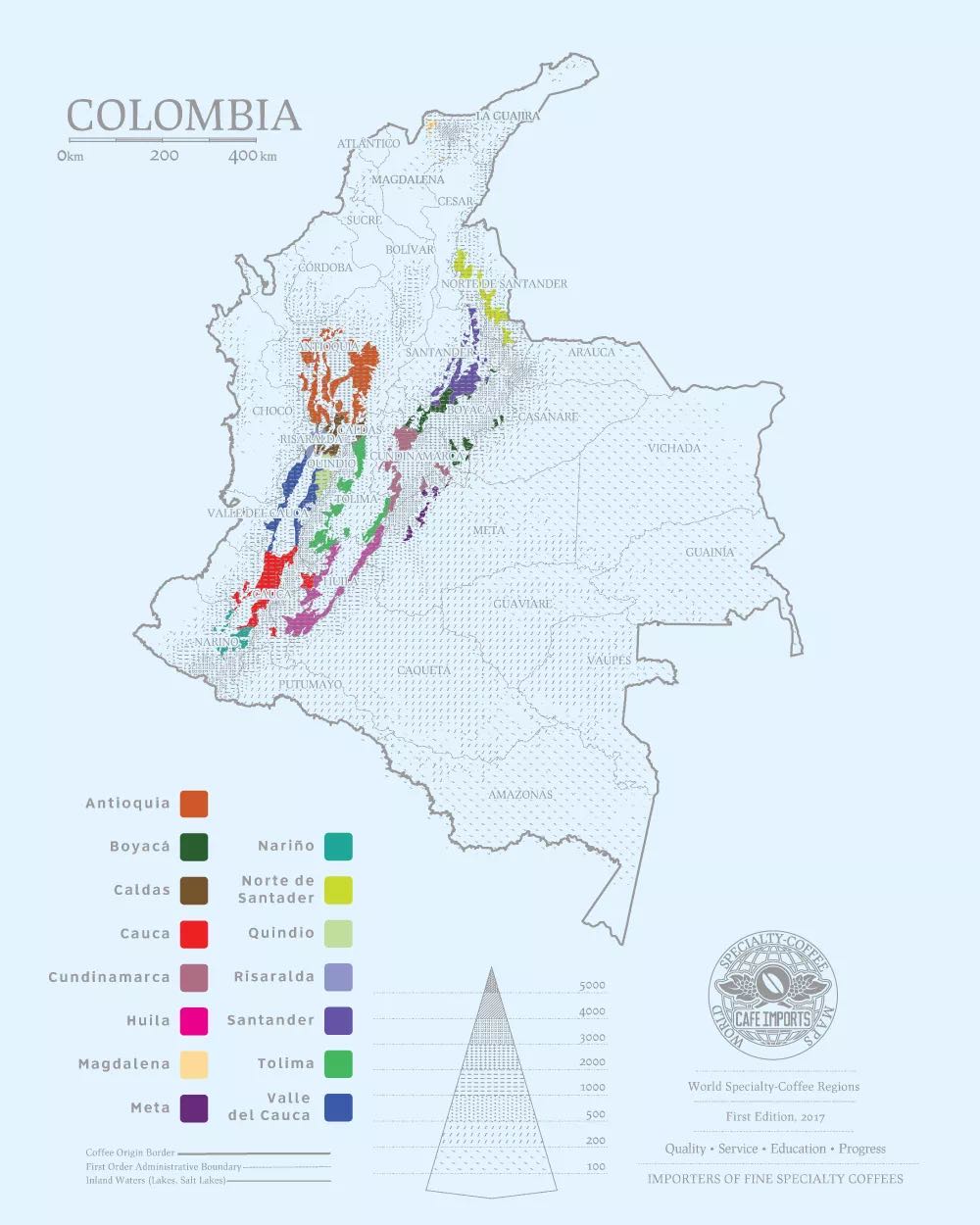
Colombia boasts uniquely favorable geographic and climatic conditions, making it highly suitable for growing Arabica coffee. Located in the northwest corner of South America and bordering Panama, Colombia features a mountainous terrain and diverse climates, with annual rainfall ranging between 2000 and 3000 millimeters. Coupled with fertile volcanic soil and moderate temperatures, it enjoys the advantage of multiple harvest seasons throughout the year. As a result, Colombia is not only a major global coffee exporter but also renowned for its stable yet varied flavor profiles.
Colombia’s “Four Treasures”—flowers, gold, emeralds, and coffee—with coffee being a key symbol of the national image. Production areas are mainly concentrated in high-altitude regions in the south, including Huila, Cauca, Nariño, and Tolima, typically exceeding 1500 meters in elevation. Coffees from these regions often exhibit bright acidity, rich berry notes, and pronounced sweetness.
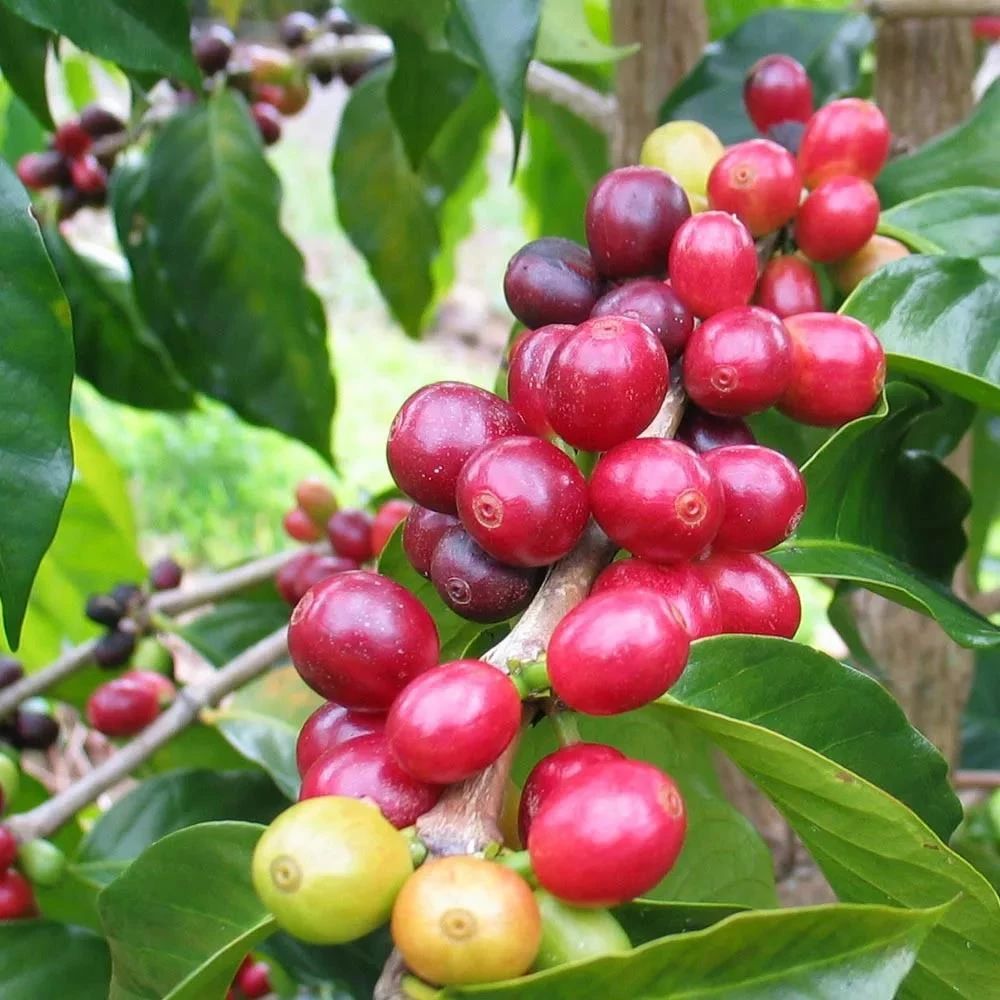
Huila Province, located in the southern central mountain range of Colombia, is a highly representative specialty coffee region. Surrounded by mountains and situated over 1500 meters above sea level, the convergence of important rivers provides ample moisture, nurturing many micro-lots with distinct personalities. Although often categorized as a model of “balanced and smooth” profiles, many smallholder-produced specialty beans actually display highly recognizable regional characteristics. The starkly different flavor profiles of beans from the same province serve as the best testament to the influence of micro-regions.
Cauca Province is not only the origin-certified region of Colombian coffee, with an average elevation of 1758 meters—some areas even reaching up to 2100 meters—but also boasts extremely superior geographic and climatic conditions. The region is mountainous, featuring parallel mountain systems that include two major volcanoes, Sotara and Petacas. Precipitation here follows a monomodal distribution, with the dry season concentrated in August and September, followed by the flowering period and the harvest of the following year. The large diurnal temperature variation, with daytime averages around 18°C and nighttime lows of about 11°C, helps coffee cherries mature more slowly, accumulating richer flavor compounds and sugars, resulting in particularly vibrant acidity and unique sweetness.
Nariño Province is located in the southwest of Colombia, bordering the Pacific Ocean to the west and Ecuador to the south, with the Andes Mountains running across the region. Coffee-growing areas are concentrated in the cloud belt at elevations of 1600 to 2300 meters, with fertile volcanic soils. Although the annual production volume is high, most is purchased by large international trading companies, with a low proportion of selected beans—only about 6000 bags, making them quite rare.
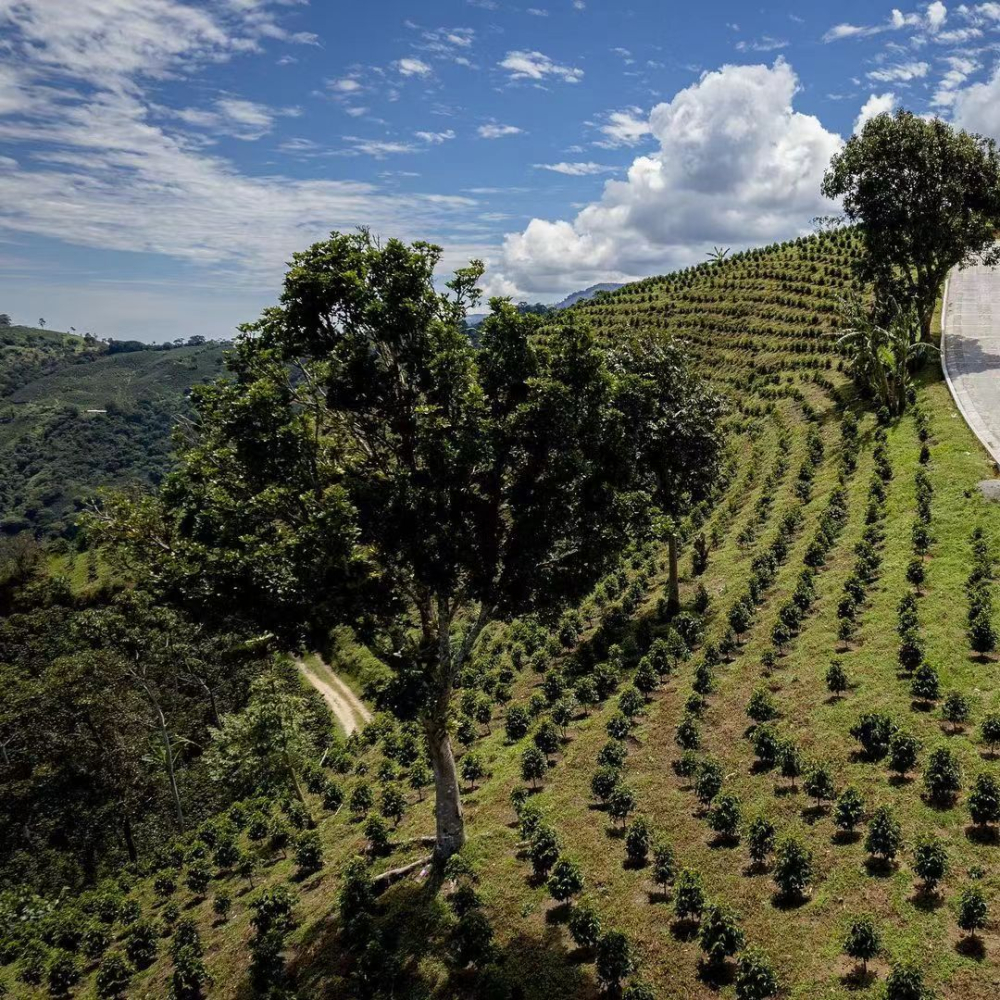
Tolima Province is geographically adjacent to Huila and Cauca, with terrain formed by the north-south oriented Andes and Cordillera mountain ranges. The Magdalena River flows from south to north through the region, providing favorable soil and water conditions. Farms in this province are generally larger, around 10 to 15 hectares, and mostly operate under a cooperative model. Farmers deliver fresh cherries to the cooperative processing facilities, while some choose to process them independently using small-scale equipment to handle same-day harvests.
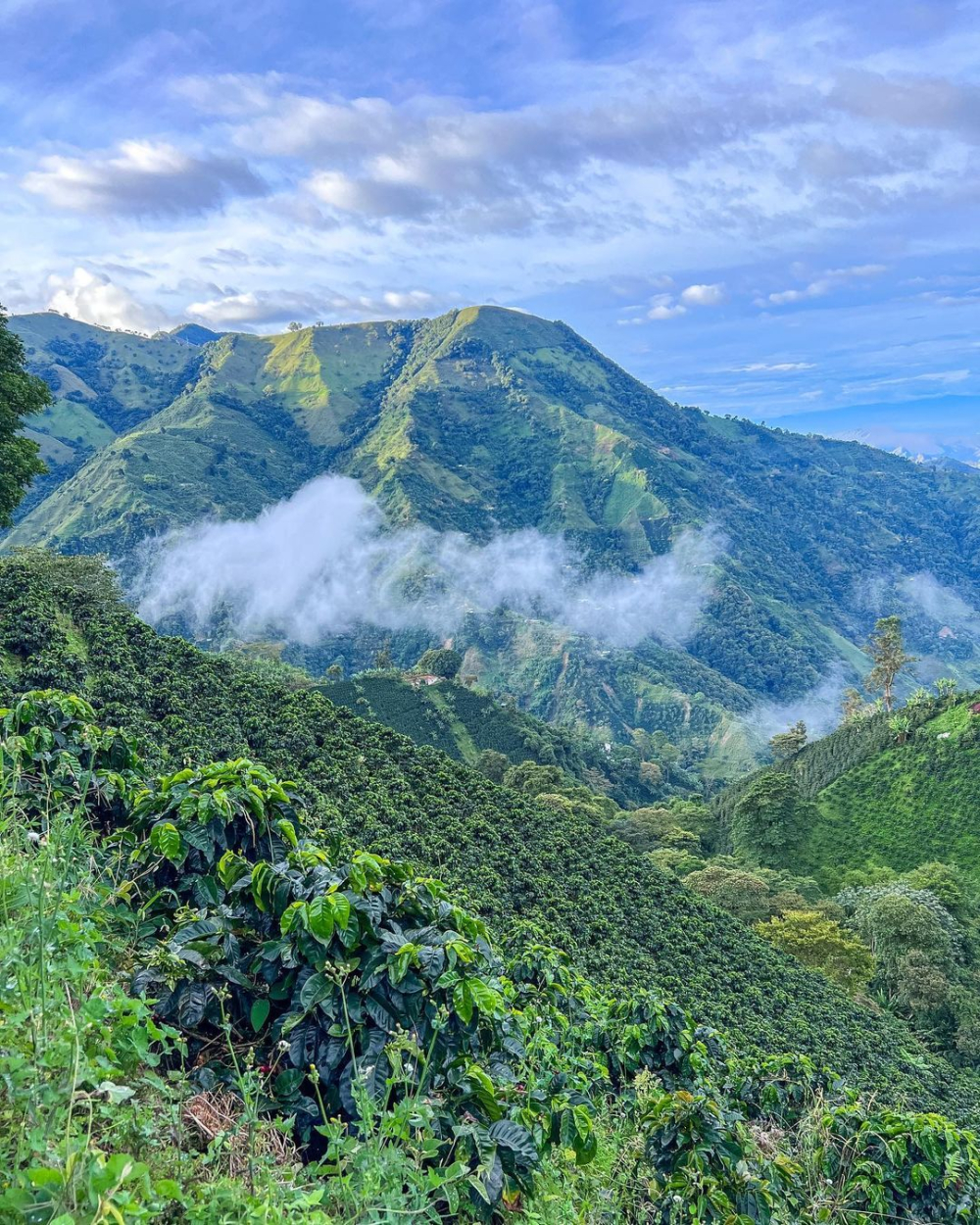
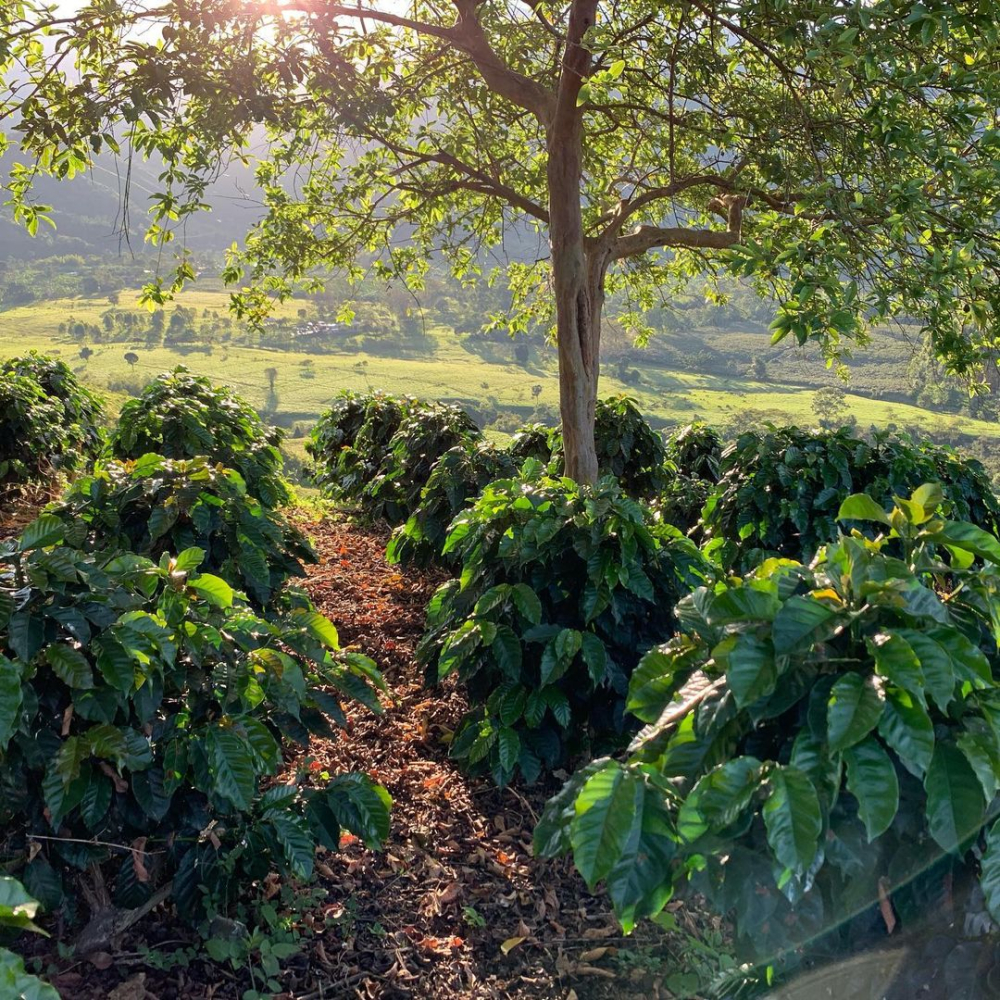
The star of this introduction is the Castillo variety coffee beans from San Jose Estate at 1750 meters in Caldas, Colombia, crafted using an innovative washed processing method combined with rum barrel fermentation. The flavor profile of these beans is remarkably distinctive, featuring layers of rum, liqueur-like chocolate, tropical fruits, and maple syrup—a true representation of a specialty coffee that marries wine-like and fruity aromas.
The third-generation owner of San Jose Estate is the mastermind behind this rum barrel fermentation process. The idea was inspired by her experience accompanying her husband in rum brewing—what if coffee beans were placed in oak barrels, could they absorb the wood’s aroma like spirits, achieving a similar barrel-aged effect? Starting in 2013, she began experimenting with placing green coffee beans into rum oak barrels of varying ages for low-temperature fermentation. Through months of experimentation, she documented the performance of different fermentation durations and barrel types, eventually identifying the combination that best highlights captivating flavors.
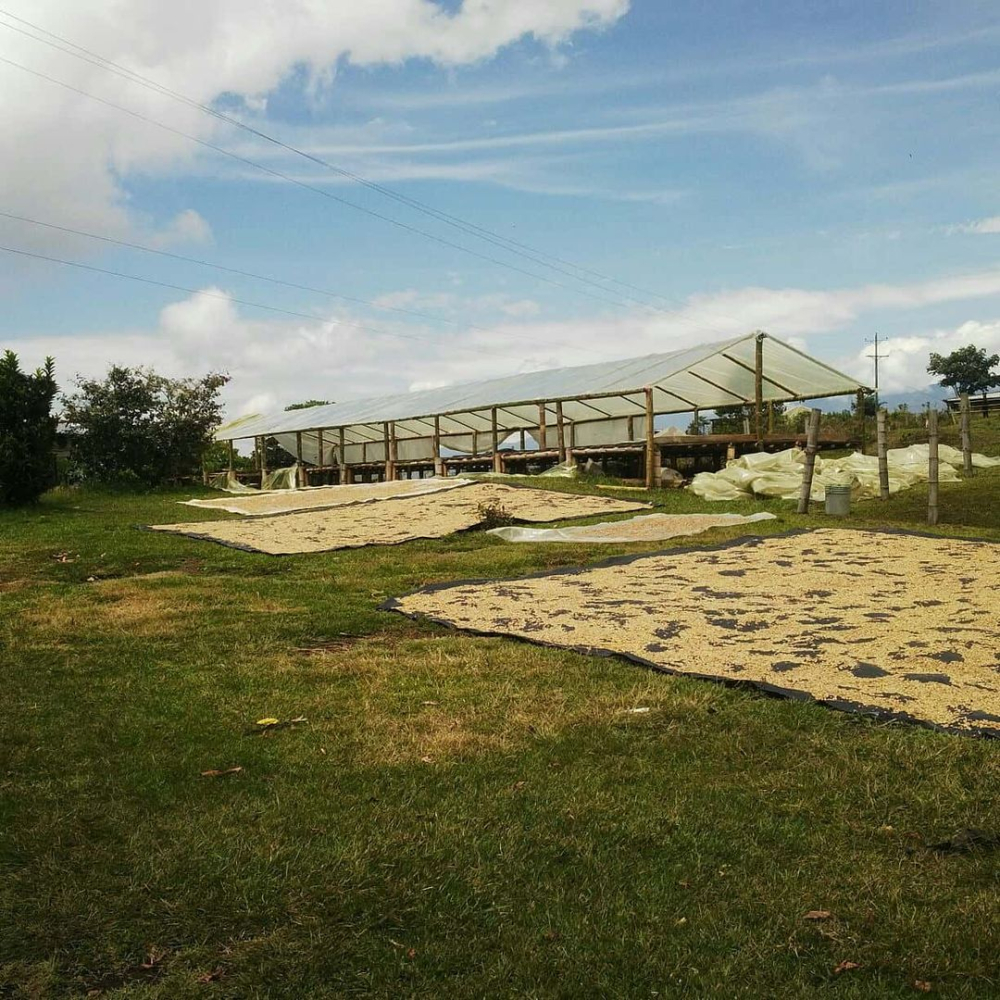
The processing of these beans is meticulously designed: first, fully ripe Castillo coffee cherries are carefully selected, undergo standard washed processing, then ferment for about 20 hours. Subsequently, the beans are placed in rum oak barrels with a minimum age of 8 years for static fermentation over three months, during which they are turned once daily to ensure even exposure to the barrel’s aroma. Sampling and testing are conducted every 30 days to monitor fermentation progress and aroma absorption, preventing under- or over-absorption, thereby ensuring the purity and richness of the final flavor. After fermentation, the beans are moved to a greenhouse for drying, where temperature-controlled conditions help avoid secondary fermentation caused by high heat, maintaining flavor stability.
To better understand the performance of this rum barrel-fermented washed coffee, it was cupped alongside another rum barrel-processed Honduran coffee. Results showed that the Honduran beans presented flavors in the following order: wine aroma first, followed by soft fruit acidity, and finally a creamy texture with nutty and cocoa notes in the finish. In contrast, the Castillo from San Jose Estate opened with a rich base of nuts and cocoa, along with a silky, creamy mouthfeel, followed by the gradual emergence of rum aroma, then tropical fruit acidity and maple sweetness unfolding in succession—offering a layered and dynamic profile.
Additionally, we compared it with the Sakura coffee beans from Colombia’s Paradise Estate. These Castillo beans, grown at 2050 meters in Cauca and processed using double anaerobic washed methods, are known for their spice, tea-like qualities, and citrus acidity, delivering a refreshing profile with a unique cherry blossom aroma. Compared to the bold rum aroma and sweet profile of San Jose Estate, Paradise Estate’s Sakura beans present a more restrained and delicate expression, suitable for those who enjoy fruit-tea flavors and bright acidity.
In terms of roasting and pour over parameters, rigorous testing was conducted for both coffee beans. The practical reference data are as follows:
Roasting parameters for Colombian Sakura coffee beans (Yangjia semi-direct-fire 800N, 300g green beans):
Charge at 190°C, power 140, air 3;
Turnaround at 1’42”, adjust air to 4 at 140°C, keep power unchanged;
At 151.8°C, beans turn yellow, grassy notes disappear, entering dehydration phase, reduce power to 120;
At 8’38”, ugly wrinkles and black spots appear, toast bread aroma transitions to coffee, nearing first crack;
At 9’07”, first crack begins, air 4, development after first crack for 2’10”, drop at 195°C.
Roasting parameters for Colombian San Jose Estate coffee beans (same machine and conditions):
Same as Sakura beans: charge at 190°C, power 140, air 3;
Turnaround at 1’42”, air 4 at 140°C, power unchanged;
Dehydration at 151.8°C, power 120;
At 8’38”, enter pre-first crack, at 9’07”, first crack begins, development after first crack for 2’10”, drop at 195°C.
Pour over recommendations (applicable to both beans):
Dripper: V60
Water temperature: 90-91°C
Coffee dose: 15 grams
Coffee-to-water ratio: 1:15
Grind size: medium-fine (78% through #20 sieve)
Brewing method: three-pour
Bloom with 30g water for 30 seconds;
Small stream center pour to 125g, increase flow as water level drops to 225g, remove dripper just before reaching the bed;
Total extraction time controlled between 2’00” and 2’10”.
Flavor profile:
Colombian Sakura coffee beans: spice and tea notes, citrus acidity, smooth, subtle floral hints, medium body.
Colombian San Jose Estate coffee beans: rum, liqueur-like chocolate, tropical fruits, maple sweetness, creamy mouthfeel.
The above content is compiled by CoffeeHunters, a coffee news website.


