







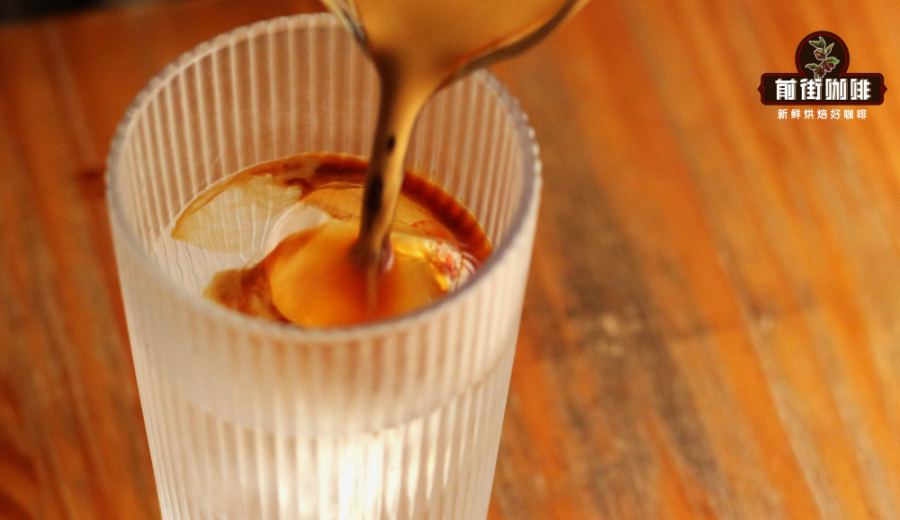
Introduction:Espresso is the soul base of many specialty coffee drinks, yet many beginners remain confused about its standards, the difference between single and double shots, and actual brewing techniques. This article delves into the fundamental definition of Espresso, its extraction principles, the specific differences between single and double shots, and provides practical ratios and parameters for making a hot latte. It helps you master the key elements of Espresso from scratch—whether you're just starting out or looking to refine your skills, you'll gain useful guidance.
Espresso is the foundation of many classic coffee beverages, such as lattes, cappuccinos, and mochas, all of which are prepared using it as the base. However, many people who are new to coffee have numerous questions: what qualifies as a good Espresso, the difference between single and double shots, and even whether to measure it in milliliters or grams. This article will guide you from the basic concepts, comprehensively understanding the preparation principles, standard parameters, and practical applications of Espresso, helping you establish the correct understanding.
What Is Espresso?
Espresso, translated as 意式濃縮咖啡 in Chinese, is a strong coffee made by forcing high-pressure water through finely ground coffee beans. This brewing method extracts a large amount of soluble substances and oils from the coffee in a short time, resulting in a thick drink rich in crema. Compared to regular drip coffee, Espresso has a more concentrated taste and a more distinct flavor profile.
Espresso originated in Italy, where consumers prefer strong and richly flavored coffee. As a result, blends are often used to balance the characteristics of different beans. Compared to single-origin beans, blends not only stabilize the flavor but also highlight the intense bitter-sweet qualities, making them highly suitable for making base espresso.
The Difference Between Single and Double Shots of Espresso
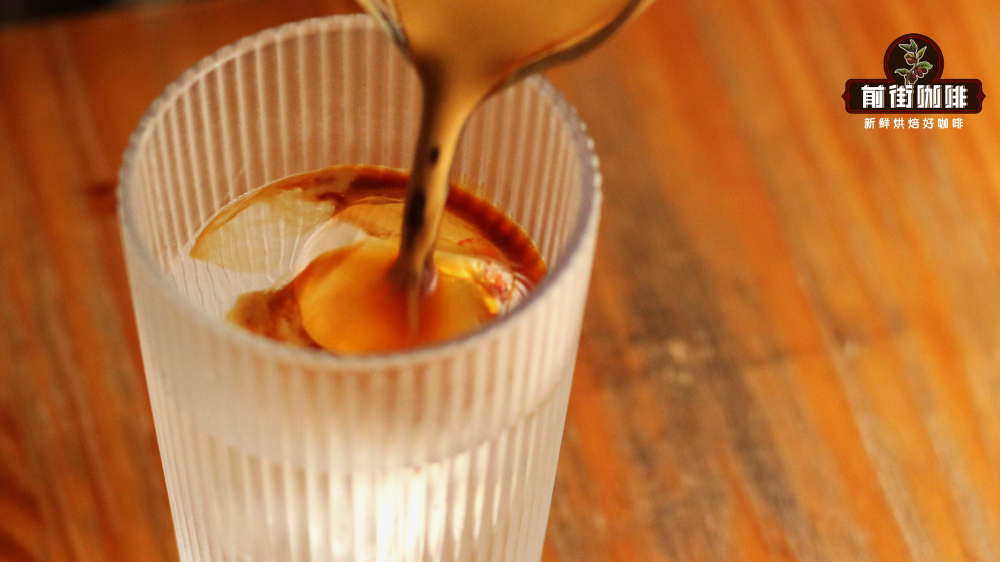
Common types of Espresso include the single shot (Single Shot) and the double shot (Double Shot). The main difference lies in the amount of coffee grounds used and the final volume of extracted coffee liquid. Typically, a single shot uses about 10 grams of coffee grounds, while a double shot uses about 20 grams, but both usually yield around 30 milliliters of coffee liquid.
It’s important to note that a double Espresso is not simply a matter of doubling the extraction time, but rather using a bottomless portafilter or a double shot basket to process twice the amount of coffee grounds in one extraction. This ensures more consistent flavor and improves extraction efficiency.
In addition, because the crema and suspended solids in Espresso can change over time and with environmental factors, it’s recommended to adjust the grind size daily based on the bean condition, humidity, and grinder status to maintain stable extraction quality.
The Principles and Process of Espresso Brewing
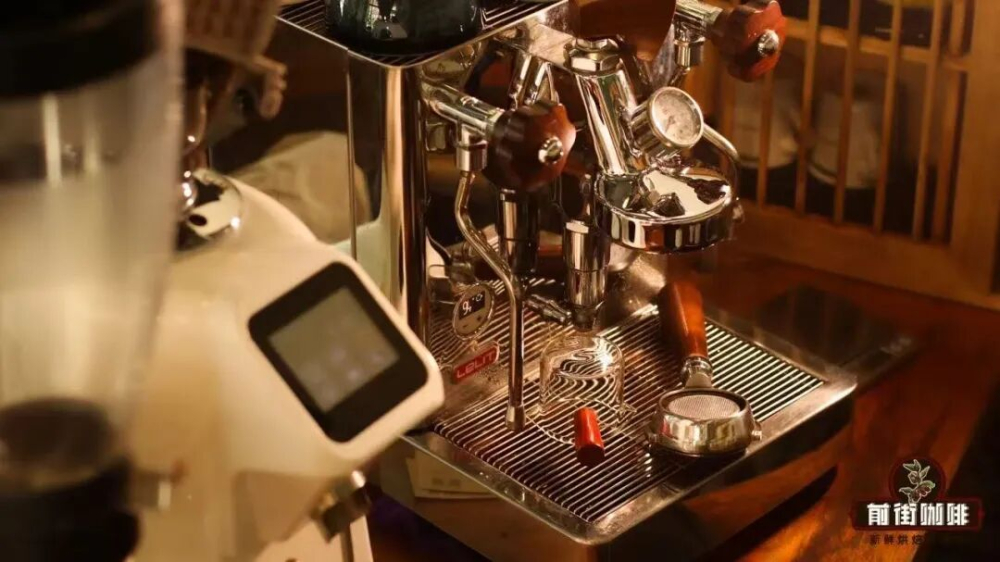
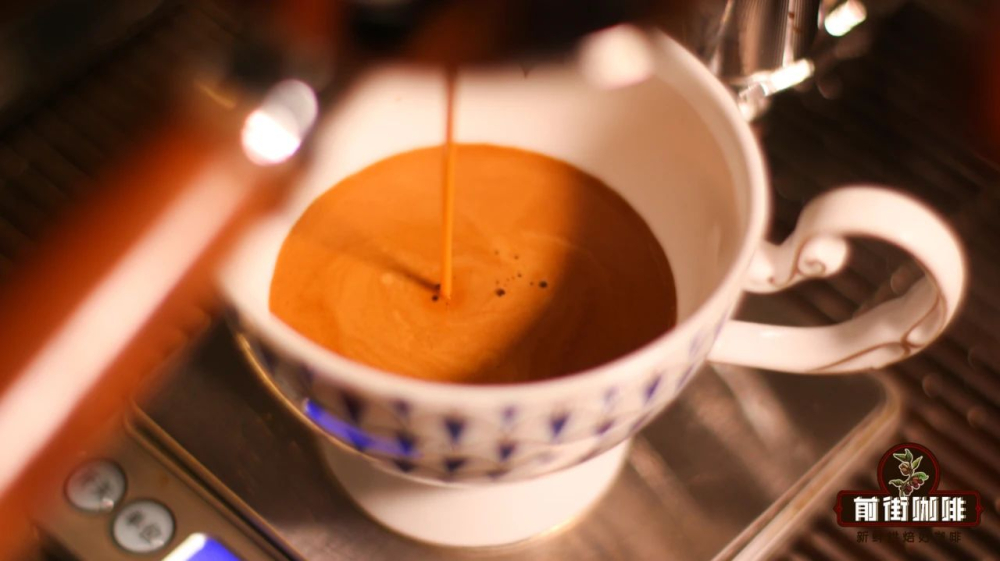
Espresso brewing relies on high-temperature (approximately 90–96°C) and high-pressure (about 9 Bar) water flowing through an extremely finely ground coffee puck. These conditions quickly extract the oils, acids, sugars, and aromatic compounds from the coffee, forming a syrupy coffee liquid with a golden layer of crema on the surface.
This layer of crema is not only the hallmark appearance of Espresso but also carries rich aromas and some of the flavors. Its formation results from the emulsification of carbon dioxide released from the coffee grounds and the oils, and not all coffee machines or extraction conditions can consistently produce high-quality crema.
How Many Milliliters Should a Proper Espresso Be?
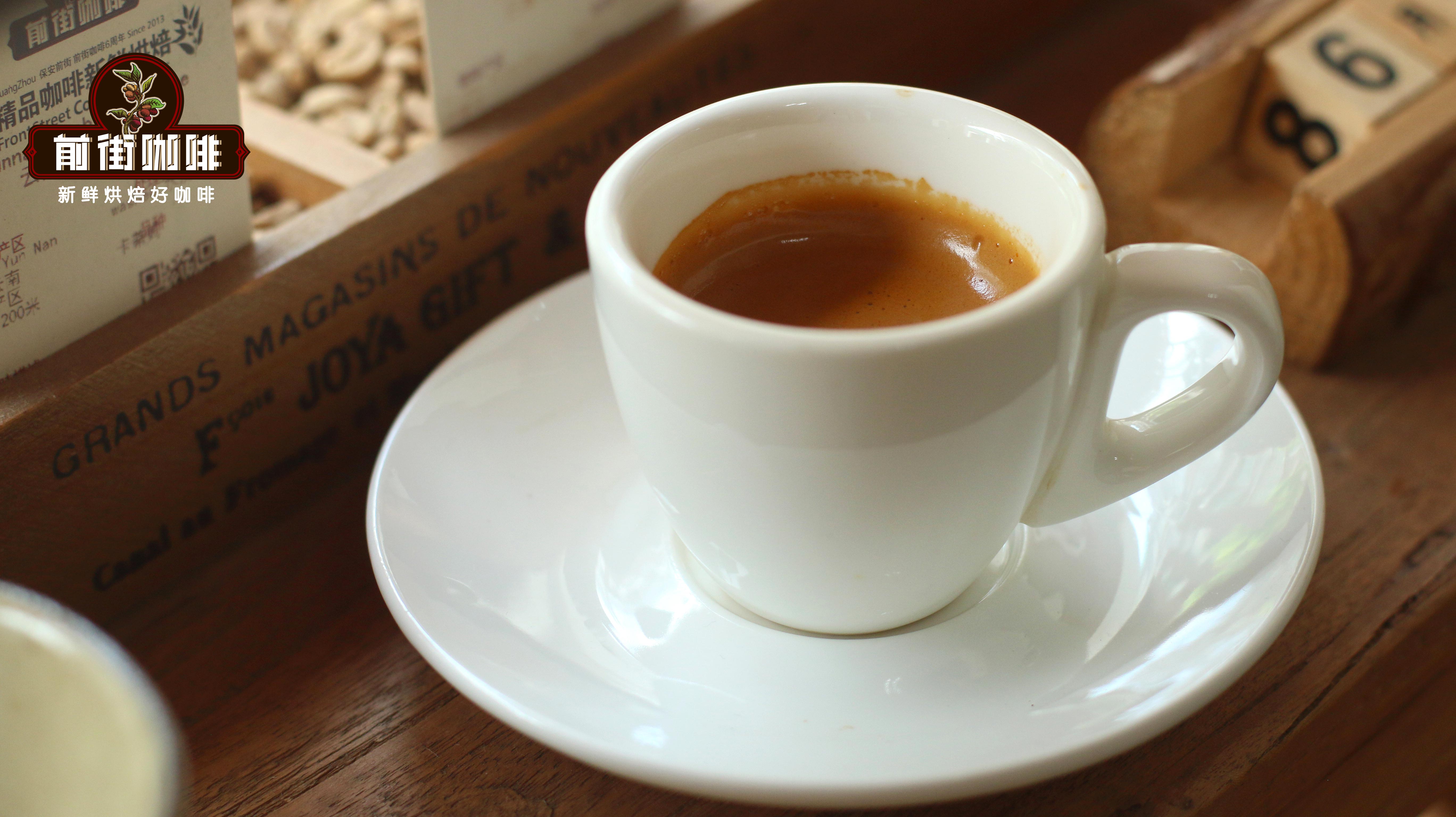
According to internationally accepted technical standards, a standard Espresso typically uses about 7 grams of freshly ground coffee, under a water temperature of approximately 92°C and a pressure of 9 Bar, with an extraction time of 20 to 30 seconds, yielding about 20 to 30 milliliters of coffee liquid accompanied by a distinct layer of coffee oils.
With the rise of specialty coffee, more shops and baristas are using the coffee-to-water ratio to evaluate extraction results rather than relying solely on milliliters. This is because the density and volume of coffee oils are low and variable, which can affect measurement accuracy. For example, a common extraction recipe uses 19 grams of coffee grounds at a 1:2 coffee-to-water ratio, extracting about 38 grams of coffee liquid, with a time control of around 28 seconds—a benchmark for many professional shops.
Therefore, if you hear “a single Espresso is about 30 milliliters,” this is merely a reference value. In reality, more attention should be paid to the coffee-to-water ratio and extraction time to ensure flavor consistency.
Practical Recipe and Parameters for Latte
Latte is one of the most popular specialty coffee drinks, consisting of a double Espresso and a large amount of steamed milk. Below is a set of practical hot latte preparation parameters suitable for most home and commercial coffee machines.
Taking the Feima E98 as an example, the recommended Espresso extraction parameters are as follows: maintain a pressure of 9 Bar, control the water temperature at 90.5–96°C, with an extraction time of 25–30 seconds and a coffee-to-water ratio of 1:2. A single shot uses 12 grams of coffee grounds, while a double shot uses 20 grams, with extraction volumes of 20 milliliters and 40 milliliters, respectively.
For the milk, it is recommended to use fresh whole milk, with the steaming temperature controlled at 50–60°C. Too low a temperature won’t fully release the sweetness of lactose, while too high a temperature can denature the proteins and affect the mouthfeel. The milk foam thickness should be about 1 centimeter, suitable for the smooth texture of a latte.
In terms of proportion, a latte typically uses a coffee-to-milk ratio of 1:6.5, meaning 40 milliliters of double Espresso paired with 260 milliliters of hot milk. Through even circular pouring and blending, the coffee and milk are thoroughly mixed, showcasing the deep flavors of the Espresso while enjoying the silkiness and sweetness of the milk.
The final latte often presents flavors of dark chocolate, caramel, and butter, with the interaction of lactose and coffee acidity delivering a milkshake-like soft sweetness. The aftertaste lingers with nutty notes such as hazelnut, making it a balanced and beginner-friendly classic coffee.
The above content is compiled by CoffeeHunters, a coffee news website.


