







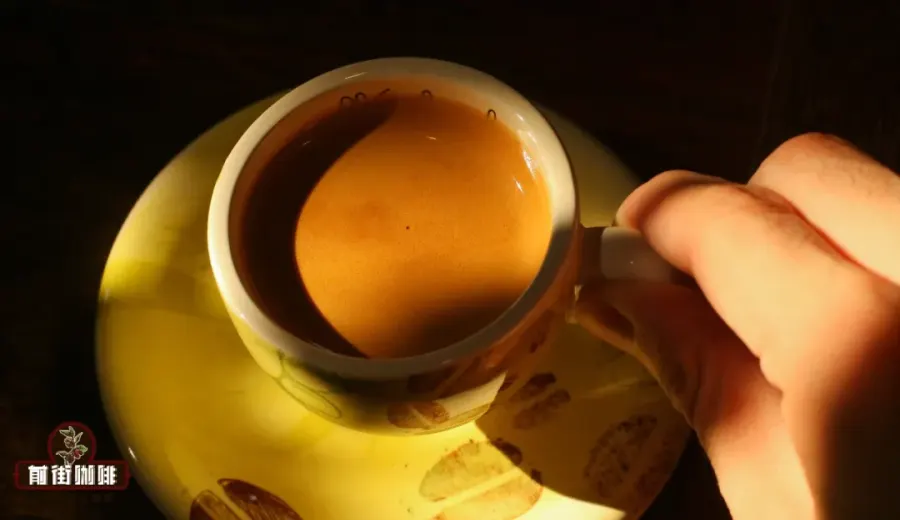
Introduction:Many coffee enthusiasts, after getting used to their daily Americano, gradually develop a craving for the more intense flavors of espresso, even hoping to replicate the professional-level aroma and taste at home. This article delves into the key elements of making great espresso, including bean freshness, roast level, bean blend composition, and proper extraction techniques. It also recommends several espresso blends and single-origin espresso (SOE) options suitable for both home and professional use, providing practical extraction parameters to help you brew the rich, bold flavor you’ve been dreaming of.
As coffee palates evolve, many enthusiasts are no longer satisfied with regular Americanos and begin to seek espresso with more layered and intense flavors. Especially when brewing at home, not only can you have more flexible control over the flavor, but you can also enjoy the fun of the entire brewing process. However, to pull a shot of espresso that is aromatic and full-bodied, meticulous attention must be paid to multiple aspects.
I. Freshness Is the Foundation of Great Extraction
The primary requirement for a high-quality espresso is the use of freshly roasted coffee beans. Typically, beans roasted within five days can release the most complete aromatic compounds and form a fine, creamy crema during extraction. If the beans have been roasted for more than 50 days, much of the aroma will have dissipated, and the resulting espresso often tastes bland and bitter. Therefore, selecting beans with a recent roast date and proper storage is the first step toward making great coffee.
II. Dark Roast Delivers Intense Flavor and Rich Crema
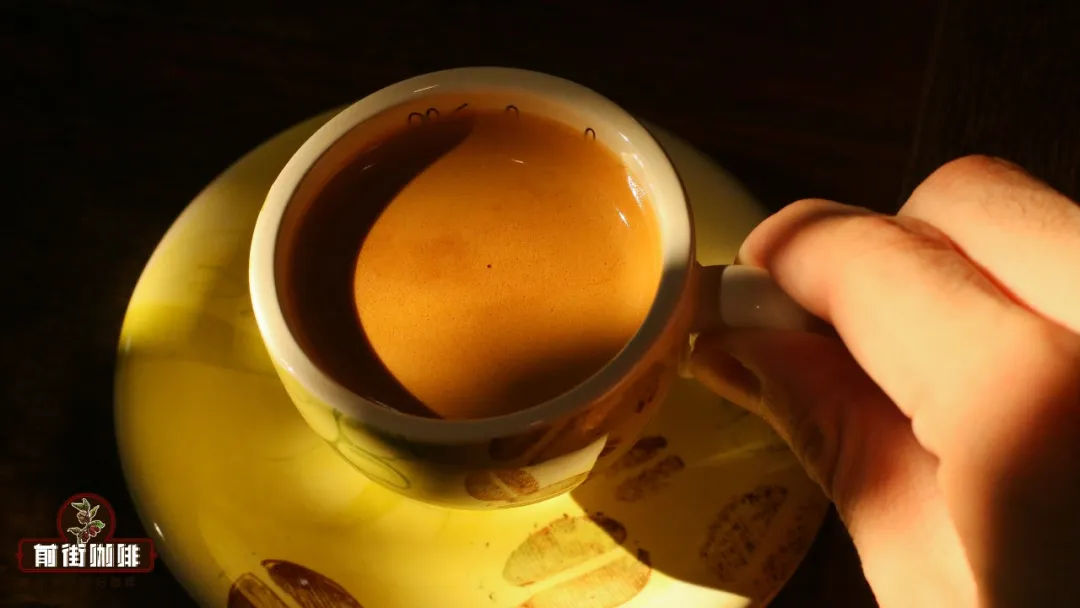
The roast level directly influences the final flavor profile of the coffee. Generally speaking, medium-dark to dark roasts bring out richer chocolate, caramel, and nutty notes, while also helping to form a thick crema — a key component of a good espresso. In contrast, light roasts, while preserving more fruity acidity and floral notes, produce less crema and are not ideal for traditional espresso.
III. Classic Espresso Blends: Diverse Options from Entry-Level to Advanced
Espresso blends are typically composed of beans from two or more regions, aiming to achieve balanced flavor and stable extraction performance. Below are several classic blend combinations suitable for making espresso:
1. The Classic Mandheling & Brazil Combo: Caramel, Nut, and Dark Chocolate Notes
This blend is based on Indonesian Mandheling and Brazilian beans, with a small amount of Robusta added to enhance crema. It offers a rich flavor profile, with distinct caramel sweetness, roasted nut aromas, and a lingering finish of dark chocolate.It’s great for lattes and cappuccinos, blending seamlessly with milk to deliver a smooth and rich mouthfeel.
2. Yunnan & Brazil Value Pick: Creamy, Nutty, and Cookie Aromas
This blend primarily uses Yunnan small-seed variety and Brazilian Red Bourbon, medium-dark roasted to bring out gentle fruit acidity and stable body. It’s suitable for home users on a budget who still want good extraction performance. The brewed cup leans toward nutty, creamy, and cookie-like flavors, producing a clean-tasting Americano and noticeably sweet lattes.
IV. The Allure of Single-Origin Espresso (SOE): Showcasing Unique Terroir Characteristics
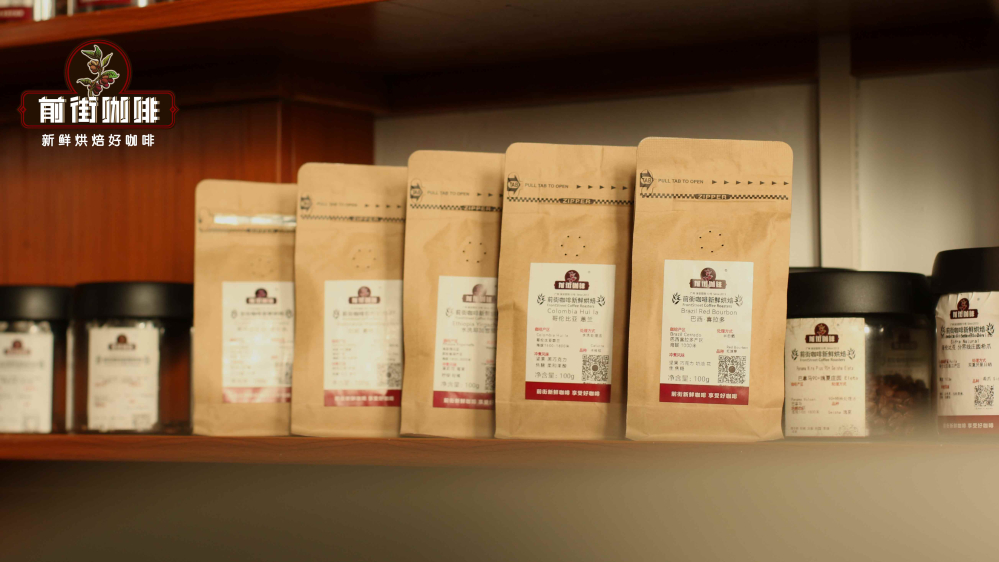
SOE (Single Origin Espresso) consists of beans from a single origin, allowing for clearer expression of that region’s unique flavor characteristics — a top choice for advanced coffee lovers.
1. Indonesian Golden Mandheling: Deep Spice and Dark Chocolate Expression
The Golden Mandheling, carefully hand-selected, features distinct spice, herbal, and pine notes, paired with a dark chocolate and caramel finish. It has a rich, bold taste and a long-lasting aftertaste.It’s suitable not only for espresso but also for use in a moka pot or pour over, showcasing its versatile brewing potential.
2. Brazilian Queen Estate: Gentle Creamy, Nutty, and Cane Sugar Sweetness
These premium Brazilian beans naturally possess a nutty character. As an SOE, the aroma of cream, peanuts, and toasted bread is particularly pronounced, along with a hint of maple-like sweetness.When paired with milk, it delivers a warm, cocoa-like mouthfeel — perfect for those who prefer a mellow, rich flavor.
V. The Key to Pulling a Ristretto: The Ultimate Concentration in Espresso
Compared to a regular espresso, a ristretto extracts only the first and middle portions of the coffee shot. It typically uses the same amount of coffee grounds (e.g., 20 grams), but the extraction time is shortened to23~28 seconds, with the output limited to around28 milliliters. As a result, the flavor is more concentrated and intense, with brighter aromatics. This technique maximizes the essence of the coffee beans, ideal for those seeking a bold taste experience.
Taking a classic blend as an example, using 20 grams of coffee, a regular espresso might yield 40 milliliters in about 30 seconds; for a ristretto, it is recommended to extract 28 milliliters in just 23–28 seconds to achieve a more intense coffee experience.
The above content is compiled by CoffeeHunters, a coffee news website.


