







Introduction:Delve into the world’s six most renowned coffee-growing regions, from Ethiopia’s Yirgacheffe to China’s Yunnan, and explore how varying altitudes, varieties, and processing methods shape unique flavor profiles. This article details representative beans, processing techniques, and typical flavor characteristics of each region, along with practical parameters to help you build a systematic understanding of coffee beans. It’s an essential guide for specialty coffee beginners and bean selection.
Coffee, alongside tea and cocoa, is one of the world’s three major beverages. Though introduced to China just over a hundred years ago, its consumer market has expanded rapidly in the past decade, and specialty coffee culture has gradually gained popularity. For newcomers to coffee, familiarizing yourself with the Arabica beans from the world’s major producing regions is the first step toward building a foundation of taste. This article will provide an in-depth introduction to six representative regions—Yirgacheffe, Kenya, Brazil, Indonesia, Panama, and China’s Yunnan—covering variety origins, cultivation altitudes, processing technologies, and iconic flavor profiles to give you a comprehensive grasp of the unique characteristics of coffee from each area. Six image slots are also reserved to aid in understanding the features of each region.
Yirgacheffe: The Epitome of Floral and Fruity Acidity
Ethiopia is the birthplace of coffee, and Yirgacheffe was originally a small sub-region within the Sidamo region. It stood out due to its exceptional washed processing and bright fruity acidity, eventually becoming an independent region. The coffee here is grown at2000 to 2100 meters above sea level, primarily using local heirloom varieties, processed via washed methods, and showcases delicate floral notes, citrus acidity, and an underlying black tea base. Common flavors include citrus, black tea, flowers, cream, caramel, and almonds, with a clean and layered mouthfeel.Image slot: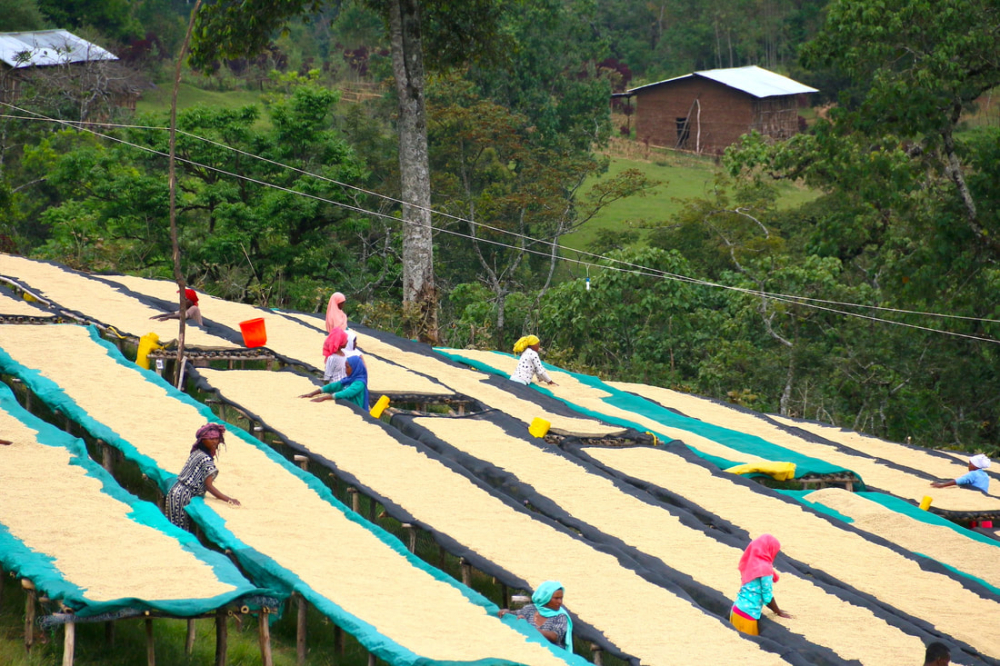
Kenya: Blackberry Acidity and K72 Processing
Kenyan coffee is known for its bright acidity and rich body. The key varieties SL28 and SL34 were cultivated by the national agricultural laboratory and thrive at high altitudes. The most iconic processing method for Kenyan coffee is the K72 washed process, which involves three 24-hour fermentation and washing cycles, totaling72 hours of deep fermentation, resulting in intense blackberry, black plum, and brown sugar aromas, with vibrant and layered acidity. Common varieties include SL28 and SL34, with production mainly in high-altitude areas such as Thika.
Brazil: Low-Acidity and Full-Bodied Mild Beans
As the world’s largest coffee producer, Brazilian coffee is characterized by low altitudes (400 to 1600 meters) and sun-dried cultivation. The beans are softer and less dense, with flavors of rich nuts, chocolate, and caramel, and subdued acidity. It suits drinkers who prefer a full-bodied taste. Sun-dried Brazilian beans often carry sugarcane and fermented fruit notes, offering a gentle and balanced profile that’s beginner-friendly.
Indonesia: Wet-Hulling for Thick Herbal Notes
Indonesia’s Sumatra Mandheling is one of the most familiar offerings on the market, and its distinctive flavor primarily comes from the “wet-hulling” (Wet Hulling) method. This technique adapts to the region’s high humidity and short sunlight conditions—beans are partially dried to 20–35% moisture content, with some mucilage removed, then dried again to 18%, reaching a final moisture level of about 11%. This method yields coffee with low acidity, a thick body, and unique flavors of spices, pine, chocolate, and herbs, though stability is relatively lower.Image slot: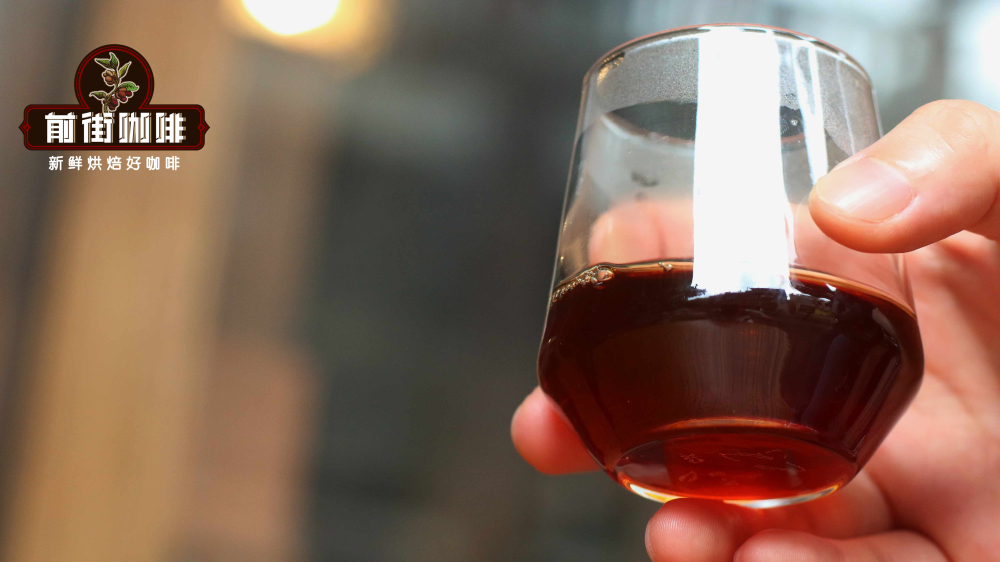
Panama: The Stunning Rise of Geisha
Panama’s Hacienda La Esmeralda is world-renowned for its Geisha (Geisha) variety, which was introduced in the 1960s but gained fame after winning the BOP first prize in 2004. Geisha thrives at high altitudes (above 1700 meters) and in shaded environments. Its sun-dried processing method fully highlights delicate flavors of citrus, jasmine, honey, and berries, with refined acidity and elegant aromas, making it a sought-after specialty for coffee enthusiasts.Image slot: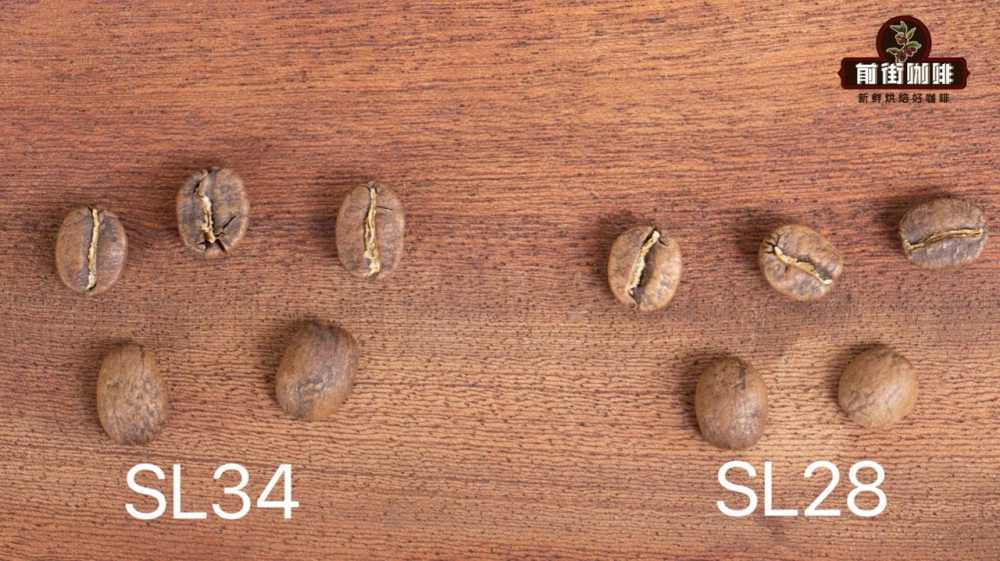
China Yunnan: Transition from Typica and Local Terroir
China’s coffee industry started relatively late, traceable back to the late 19th century, with Yunnan’s small-grain coffee primarily produced in southwestern regions like Lincang and Pu’er. Early plantings used Typica, but later shifted to the Catimor variety for disease resistance and yield. Yunnan coffee is grown at around1300 meters, and after sun-dried processing, often exhibits notes of berries, brown sugar, nuts, and tea, with unique regional characteristics. It’s ideal for coffee lovers looking to explore Asian-origin beans.Image slot: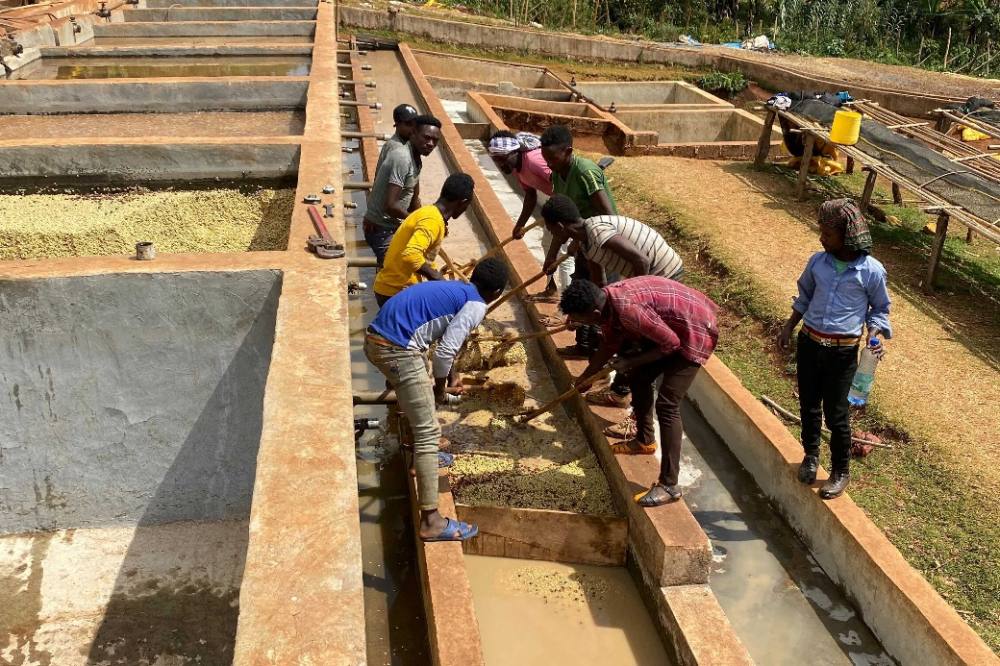
The above content is compiled by CoffeeHunters, a coffee news website.


