








Introduction:Delve into Bolivia, once an overlooked coffee origin, from the treacherous “Death Road” to high scores in COE competitions, and explore how it cultivates unique sweetness and fruity notes in low-altitude environments. This article analyzes the characteristics of the representative Java variety, processing challenges in the Yungas region, and how precise roasting and pour over parameters can bring out the layered cocoa honey-processed flavors.
Located in the heart of South America, Bolivia may not enjoy the extreme altitudes of neighboring Colombia or Ecuador, but thanks to the microclimates of the Yungas Mountains and recent efforts in specialty coffee development, its coffee is gradually stepping onto the international stage. The region faces challenges such as rugged terrain and difficult transportation, yet it is precisely these constraints that have refined beans with distinctive flavors.

Bolivia borders Brazil and Peru to the north, with its capital La Paz sitting at an altitude of 3,660 meters, a typical highland region. However, the harsh cold at high altitudes makes it difficult for most Arabica varieties to thrive. Instead, the lower-altitude Yungas region in the northeast has become the primary coffee-growing area. The fertile soil and moderate diurnal temperature variations here create a unique coffee terroir.
Bolivia’s coffee cultivation history dates back to the 1880s, initially dominated by large-scale farm operations. However, political instability between 1932 and 1983 severely hindered industry development. It wasn’t until 1991, after political stabilization, that the government launched an indigenous participation planting initiative. Although supported by policy, quality management and infrastructure remained in their early stages, especially with transportation difficulties preventing many potential beans from fully expressing their flavors.
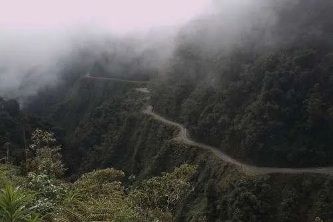
Bolivia’s main coffee-growing regions are concentrated in the Yungas, where the rugged terrain and extremely inconvenient transportation often force farmers to carry harvested coffee to higher-altitude La Paz for processing. The road connecting the two areas is known as the “Death Road,” with steep curves and harsh weather conditions that often cause coffee cherries to over-ferment during transit, producing unpleasant odors and severely impacting the final flavor profile.
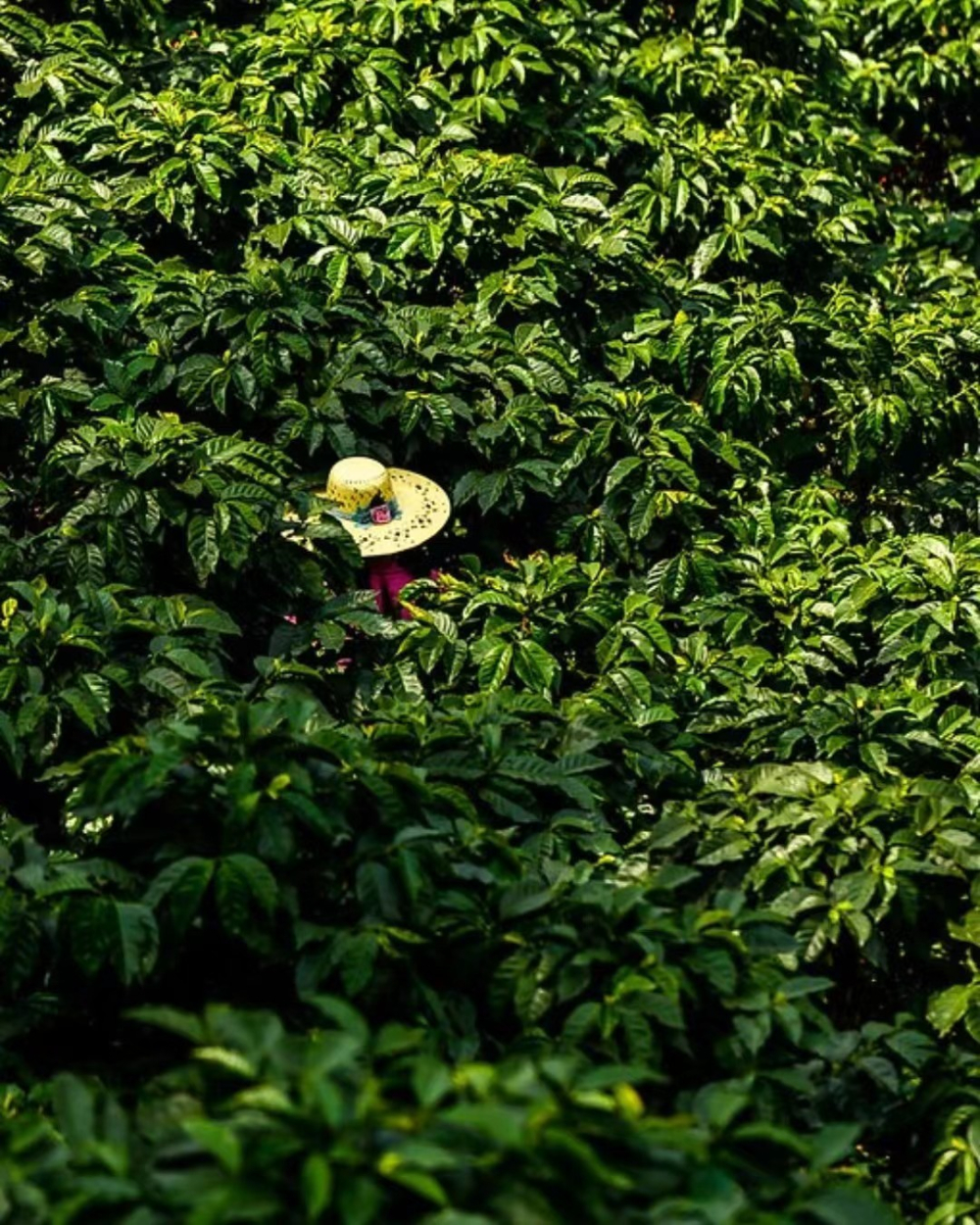
In the past, Bolivian coffee had potential but lacked international market attention. It wasn’t until 2000–2004, when the U.S. Agency for International Development (USAID), aiming to combat drugs while promoting alternative agriculture, funded the construction of the first large-scale modern washed processing plant in Yungas. This ended the long-standing reliance on the “Death Road.” Experts from Panama and elsewhere also came to assist, establishing the “Central Coffee Producers Association” and driving the transition toward specialty coffee.
In 2004, Bolivia held its first COE (Cup of Excellence) competition, with 13 coffees scoring above 84 points, including one that won the championship with 90.44 points—symbolizing the first international recognition for its specialty coffee. In the 2017 World Barista Championship, a Japanese competitor using Bolivian Geisha won second place with its delicate flavors, further boosting the origin’s global profile.
To continuously improve quality, the local “Sun of Tomorrow” program was launched, offering comprehensive training in technical guidance, breeding, pruning, harvesting, and more. It also guarantees purchase prices from smallholder farmers, establishing a sustainable business model. The Rodríguez family regularly visits participating farmers, providing customized advice based on each household’s conditions, and hosts year-round agronomy seminars to promote knowledge exchange and problem-solving.
Bolivia primarily grows Arabica varieties, including traditional ones like Typica, Caturra, and Catuai, as well as specialty varieties such as Geisha, SL-28, and Java. Notably, the Java variety is often mistaken for a Typica mutation, but it actually originates from Ethiopia’s primeval forests, later traveled to Indonesia via Yemen, and was finally introduced to Central America through a CIRAD breeding program in 1991. It only arrived in South America in the late 1990s. This variety boasts strong disease resistance and outstanding flavor, making it ideal for small-scale farmers pursuing quality.
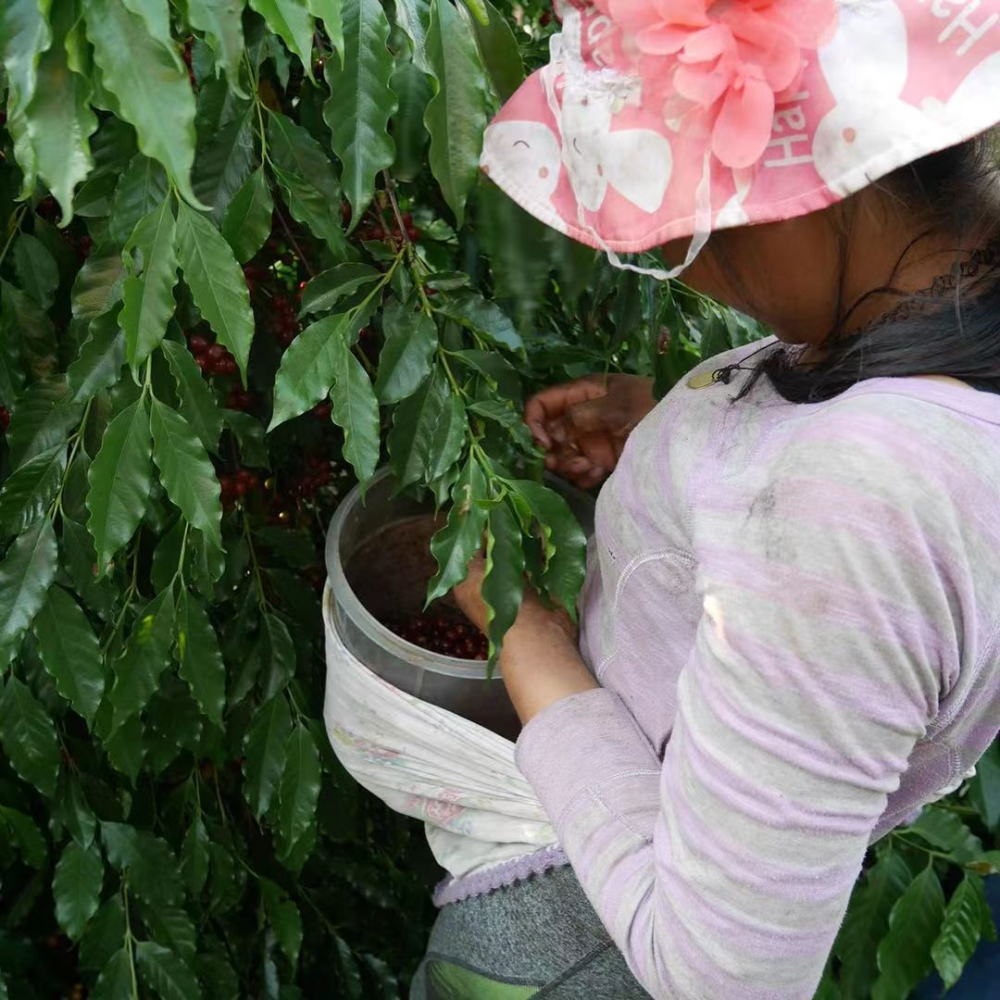
The star of this article, the “Valleji Estate Cocoa Honey Process Java,” comes from the La Paz region and is grown at an altitude of 1,600 meters. This bean uses an innovative cocoa honey processing method: only fully ripe coffee cherries are selected during harvest, and multiple rounds of selective picking ensure consistent ripeness. After harvest, the beans are transported in crates to minimize damage and premature fermentation. After washing, the beans are placed on African beds and turned daily, then moved to a cocoa dryer after about a week for low-temperature continuous drying, significantly reducing weather impact. Finally, the beans are transported to La Paz for resting before undergoing fine hulling and manual sorting at the La Luna factory.
For roasting, a medium-light roast is recommended to highlight the fermented and fruity-toned characteristics brought by the honey process. Taking the Yangjia 800N roaster as an example: charge at 170°C with a flame power of 120 and damper at 3; the turning point occurs at 1 minute 36 seconds, and when the temperature drops to 111°C, adjust the damper to 4; when the beans turn yellow and grassy notes disappear, enter the dehydration phase; at 164°C, adjust the damper to 5, when the bean surface shows wrinkles and black spots, and the toast aroma transitions to coffee fragrance, signaling the prelude to first crack; first crack begins at 10 minutes 18 seconds, continue development for 1 minute, then drop at 190°C.
Cupping this bean (within 8–24 hours post-sample roast): use a 200ml ceramic cup, water at 94°C, water TDS around 150ppm, grind size at 70%–75% through a #20 sieve, brew ratio 1:18.18, total extraction time about 4 minutes. Results show: dry aroma with distinct fermented notes, wet aroma releasing grape and fermented layers, flavors exhibiting fermentation, grape, nuts, soft floral, honey, and creamy tones, overall presenting richness and balance.
Pour over recommendation: water temperature 90–91°C, suitable for medium-light roasted beans to fully extract acidity and aromatic compounds. Suggested grind size is BG#6m (80% through a #20 sieve), or adjust based on actual flow rate—too fast means too coarse, too slow means too fine. Brew ratio 1:15, 15g dose, using a three-stage pouring method: first stage 30g bloom for 30 seconds, then pour 95g–125g (about 1 minute), finally pour 100g–225g (about 1 minute 40 seconds), total dripping time controlled at 1 minute 55 seconds to 2 minutes, bringing out mild fermentation, grape aroma, nutty tones, and bright juiciness.

The above content is compiled by CoffeeHunters, a coffee news website.


