








Introduction:Want to delve deeper into the globally popular Panamanian Geisha coffee? This article starts with the origins of Geisha, detailing how it stood out in Panama, and analyzes the differences between Red Label and Green Label grades, as well as the critical impact of high-altitude cultivation on flavor. It also provides practical V60 pour over parameters and three-stage extraction techniques. Whether you’re a beginner or a seasoned coffee enthusiast, you’ll find tips to elevate your flavor experience.
Geisha (Geisha) coffee, with its unique and layered floral and fruity aromas, delicate and mild acidity, and clear, bright sweetness, has long become a legendary variety in the specialty coffee world. This coffee not only consistently performs well in international competitions but also wins the favor of numerous coffee lovers with its distinctive flavor profile. This article will take you from Geisha’s birthplace—the Gesha Forest in Ethiopia—all the way to how it shines brilliantly at Panama’s Hacienda La Esmeralda, while exploring its grade classifications, advantages of high-altitude cultivation, and how to achieve competition-level Geisha flavors at home through proper roasting and pour over techniques.

The key to the flavor complexity of a great cup of Geisha lies in mastering the roast. In the past, dark roasts dominated the market, but with the rise of specialty coffee culture, light to medium roasts have gradually become the mainstream—especially for varieties like Geisha that are known for their floral and fruity notes. Light to medium roasting better preserves their inherent flavor characteristics. Compared to common commercial beans on the market, Geisha exhibits more delicate citrus, white floral notes, and even sweet aftertastes reminiscent of honey and tropical fruits, all closely related to a refined roasting curve.
The name Geisha actually originates from the Gesha Forest in Ethiopia, and its Japanese pronunciation is similar to "geisha," hence it is also referred to as "geisha coffee." Compared to other famous producing regions such as Blue Mountain, Hawaiian Kona, or Mandheling, Geisha possesses a more unrestrained and diverse floral and fruity character, with especially prominent sweetness from tropical fruits. For this reason, it is often seen as a "goddess-tier" dream bean among coffee enthusiasts. Just one taste is usually enough to captivate most people with its delicate acidity and complex, enchanting aroma.
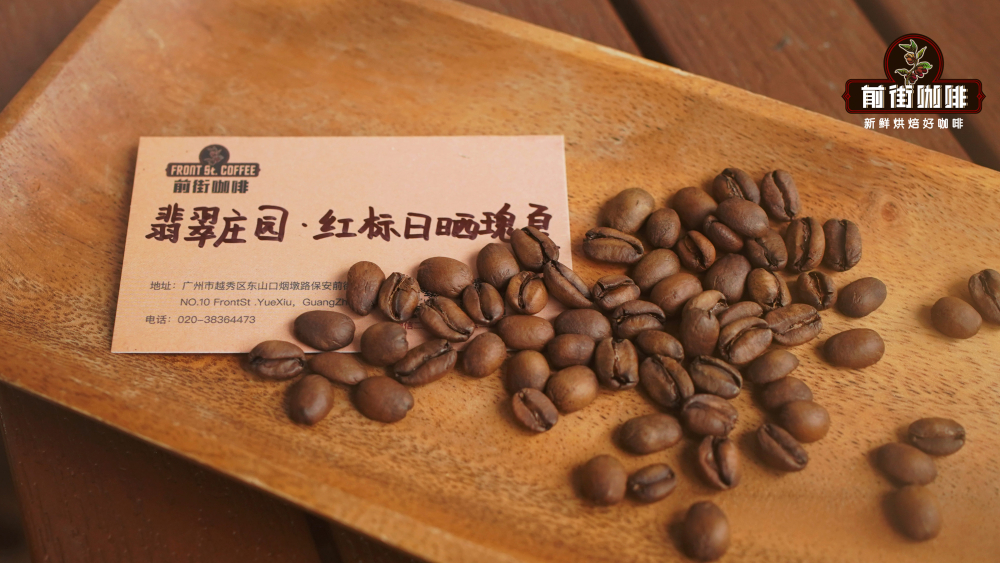
Geisha was first discovered in 1931 in Ethiopia’s Gesha Forest, then sent to Kenya for research, and later made its way to Uganda, Tanzania, Costa Rica, and other places. It wasn’t introduced to Panama until the 1970s. However, Geisha was not particularly valued in Panama for a long time until 2003, when Hacienda La Esmeralda isolated it from other varieties for separate cultivation and processing. The following year, it won the top prize at the BOP (Best of Panama) international competition with its exceptional flavor, and thus gained widespread fame. Geisha is extremely particular about its growing environment, requiring high altitude, cloud cover, moderate shade, and fertile soil to cultivate its signature floral notes and refined acidity.
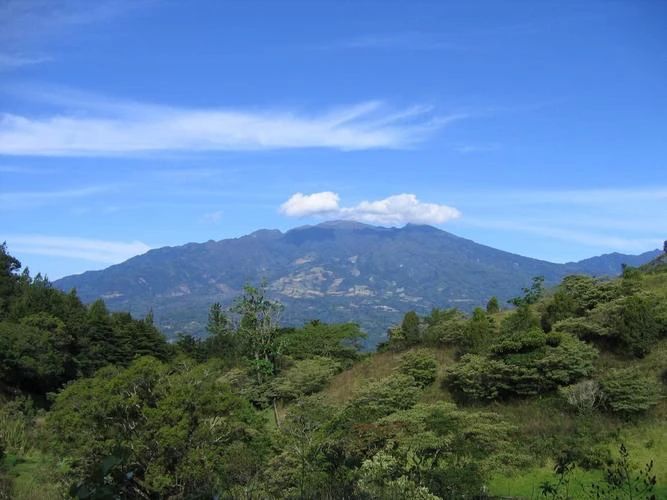
High-altitude cultivation not only extends the ripening period of coffee cherries but also promotes the accumulation of more flavor compounds. Geisha grown at altitudes above 1,500 meters typically exhibits richer citrus, floral, and tea-like notes, which is also a key reason why Hacienda La Esmeralda’s Geisha stands out in the international market. Additionally, large day-night temperature variations and volcanic soils provide ideal nutrient sources, further enhancing its unique terroir expression.

When talking about Panamanian Geisha, one cannot overlook the two major product lines under Hacienda La Esmeralda: Red Label and Green Label. Red Label Geisha, also known as ESMERALDA SPECIAL, consists of auction lots and specially selected beans, all sourced from Geisha-growing areas above 1,700 meters. Cupping scores generally exceed 91 points, can be traced to specific fields, and represent the pinnacle of Geisha quality. It’s perfect for gifting or high-end tasting. Green Label, on the other hand, falls under PRIVATE COLLECTION. Also high-altitude grown Geisha, it is a blend of harvested batches, with cupping scores also above 90 points. It’s more affordable and an excellent choice for those wanting to experience top-tier Geisha flavors on a budget.
If you’re new to Geisha, it’s recommended to start with washed-process Geisha from Panama’s Boquete region. Though not from Hacienda La Esmeralda, these beans are grown in similar microclimates. After washed processing and medium-light roasting, they present clean, bright white floral notes, melon, green tea, and a hint of sour grapefruit. With a lower price threshold, they’re an ideal entry point to experiencing the charm of Geisha.
To faithfully showcase the delicate flavors of Geisha, most professional roasters adopt a light-roasting strategy to avoid excessive caramelization that could mask its innate floral and fruity aromas. During roasting, the curve is also fine-tuned based on different processing methods and regional characteristics to ensure bright acidity without sharpness and clear floral notes without being muddled. For home brewers, choosing light-roast Geisha and controlling extraction parameters well is key to reproducing competition-level flavors.
So, how should you brew to fully bring out the potential of Geisha? It’s generally recommended to use a V60 filter cone with medium-fine grind (e.g., around 80% passing rate through a Chinese standard 20-mesh sieve, similar in size to fine sugar granules), along with high-quality spring water at 91°C, a coffee-to-water ratio of 1:15, and a total coffee dose of 15 grams. This combination helps balance the extraction of acidic and sweet flavor layers while avoiding over-extraction that leads to bitterness.
In practice, you can follow this three-stage method: First, pour 30 grams of water for a 30-second bloom to activate the release of aromatic compounds from the coffee grounds; second, pour water in small circles up to 125 grams, then wait until the water level drops by about half before pouring again up to 225 grams. The total extraction time should be controlled between 2 minutes 10 seconds and 2 minutes 20 seconds. This process stably extracts Geisha’s delicate fruit acidity, floral notes, and sweetness, delivering the most representative tropical fruit and tea-like flavor profile.
The above content is compiled by CoffeeHunters, a coffee news website.


