








Introduction:An in-depth analysis of the grading criteria, regional characteristics, and varietal evolution of Indonesian Mandheling G1 grade coffee, along with professional roasting profiles and KONO filter pour over parameters. This guide will help you master the brewing essentials of this classic dark roast bean—from defect rate grading to flavor expression.
As an important coffee-producing region in Southeast Asia, Indonesia’s complex varietal system and unique grading system often puzzle coffee enthusiasts. This article will detail the origins of the Indonesian Mandheling G1 grade, introduce its strict grading logic based primarily on defect rates, and explore how bean size and the number of hand-sorting processes affect final flavor.
The diversity of Indonesian coffee varieties stems from the historical devastation caused by coffee leaf rust. In the early days, the Typica variety introduced by Dutch colonists was gradually phased out due to disease. To maintain yields, local farmers began introducing disease-resistant varieties such as Timor, Catimor, and Caturra. Due to limited planting knowledge, these varieties developed numerous local vernacular names during dissemination—for example, Timor is often called Tim Tim or Bor Bor in Indonesia. As a result, Indonesian coffees are often named after their regions, such as Mandheling from Sumatra, Java coffee from Java Island, and Toraja coffee from Sulawesi.
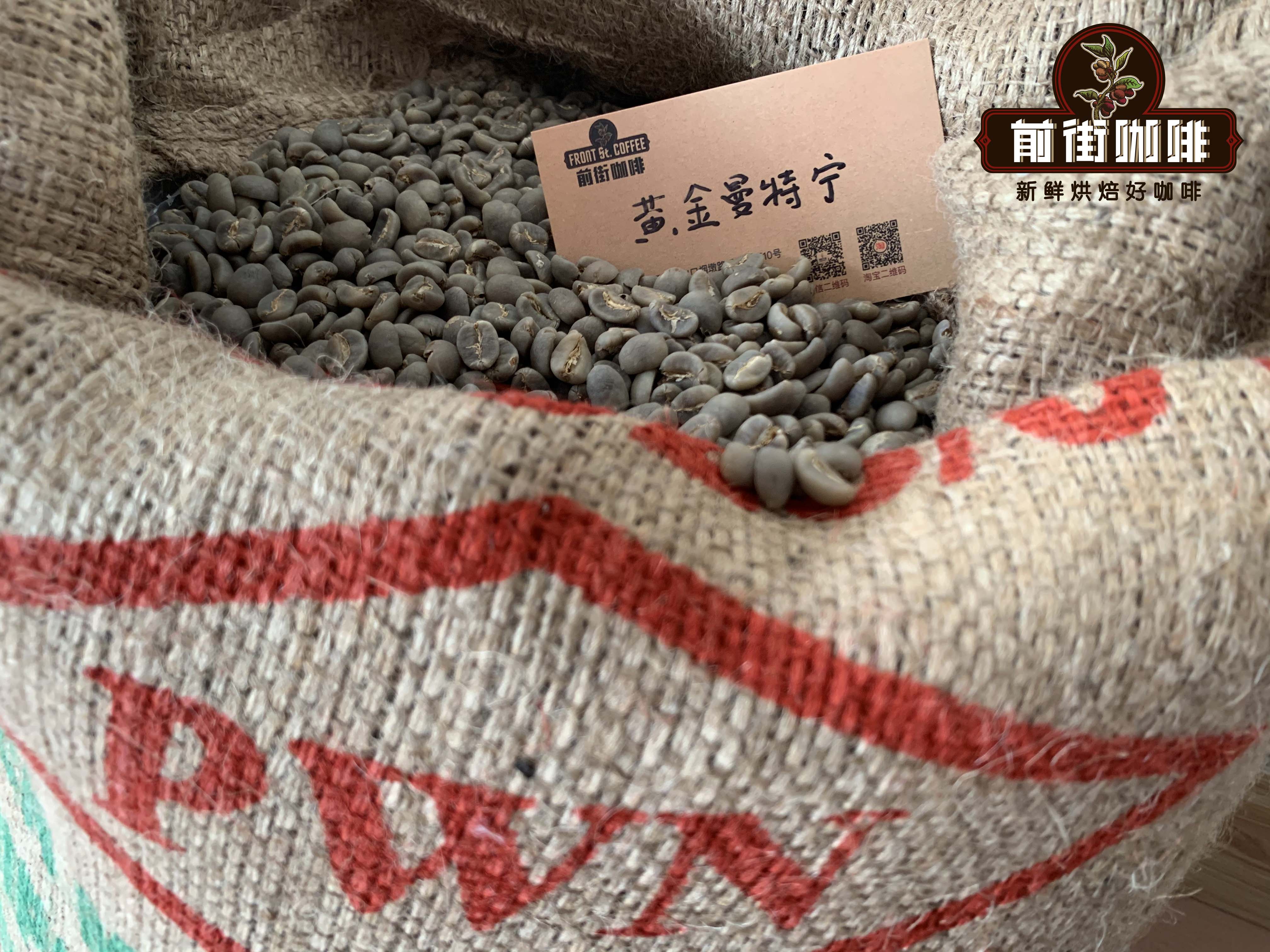
Take Gayo Highland Yellow Mandheling from North Sumatra’s Aceh Province as an example—the variety used is Ateng, which is actually a local alias for Catimor in the Aceh region, derived from the abbreviation of “Central Aceh.” This coffee is typically rigorously selected to ensure stable quality.
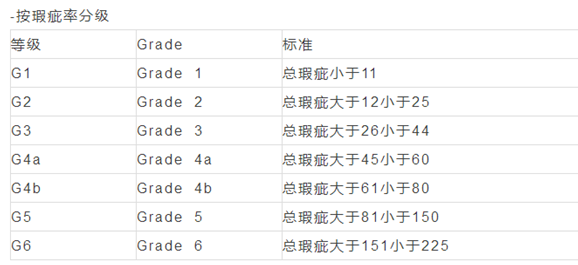
Indonesia’s coffee grading system is primarily based on the number of defects, supplemented by bean size. It is divided into six grades from G1 to G6, among whichG1 is the highest grade, allowing no more than 11 defective beans per 300 grams of green coffee.. High-quality Indonesian coffee may also be labeled with screen sizes, such as the common 17 or 18 mesh for Yellow Mandheling, indicating uniform bean size that aids even heat distribution during roasting.
In addition to defect rates and bean size, some specialty-grade Mandhelings undergo multiple rounds of hand sorting—for example, those labeled “Triple Picked” (hand-sorted three times) or “Double Picked” (hand-sorted twice). These coffees, having undergone stricter selection with fewer defects, offer purer flavors. It’s worth noting that because Indonesia commonly uses the wet-hulled process, which can easily mix in defective beans, the number of hand sorting rounds greatly impacts final quality.
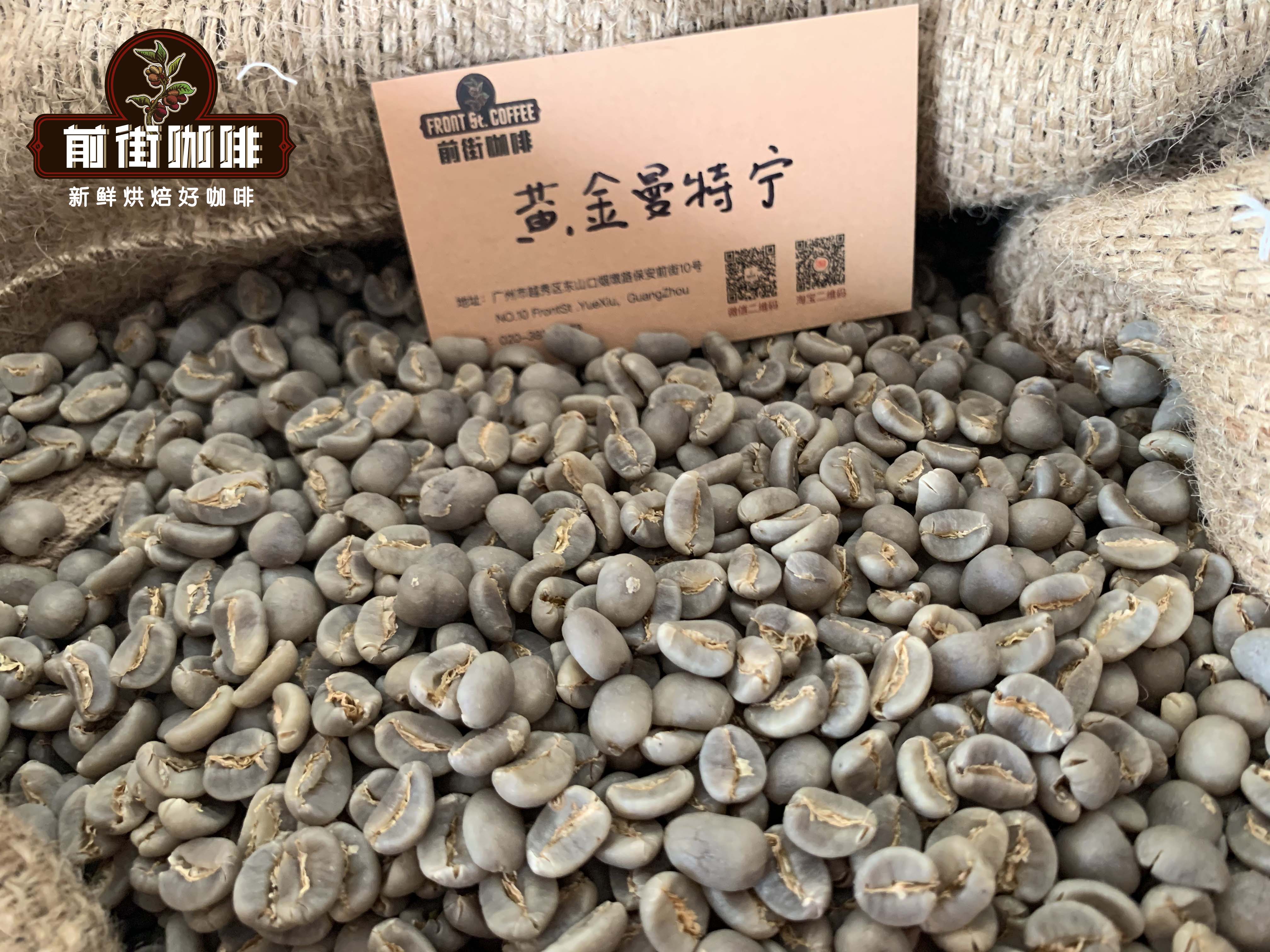
Observing the packaging labels of imported specialty Indonesian coffee can reveal many key details. For instance, Golden Mandheling produced by PWN will clearly indicate “GOLDEN MANDHELING,” “TRIPLE PICKED,” and “GRADE 1” on the package. These labels not only represent the origin and variety (such as Ateng), but also reflect its high quality from triple hand sorting and its top-tier G1 grade. Additionally, the package notes the roast date and best-before period, helping consumers assess freshness.
In terms of roasting, Mandheling beans are known for their intense herbal, spicy, and caramel flavors. With higher quality, Golden Mandheling offers greater roasting flexibility—it can be roasted past the second crack to reduce off-flavors, or dropped just before the second crack to preserve better sweetness and clarity. Recommended charge temperature is around 200°C, with initial air damper setting at 3, then gradually adjusting heat and airflow based on bean surface changes until after first crack begins, then reducing heat and dropping the batch during the dense first crack phase for optimal balance.
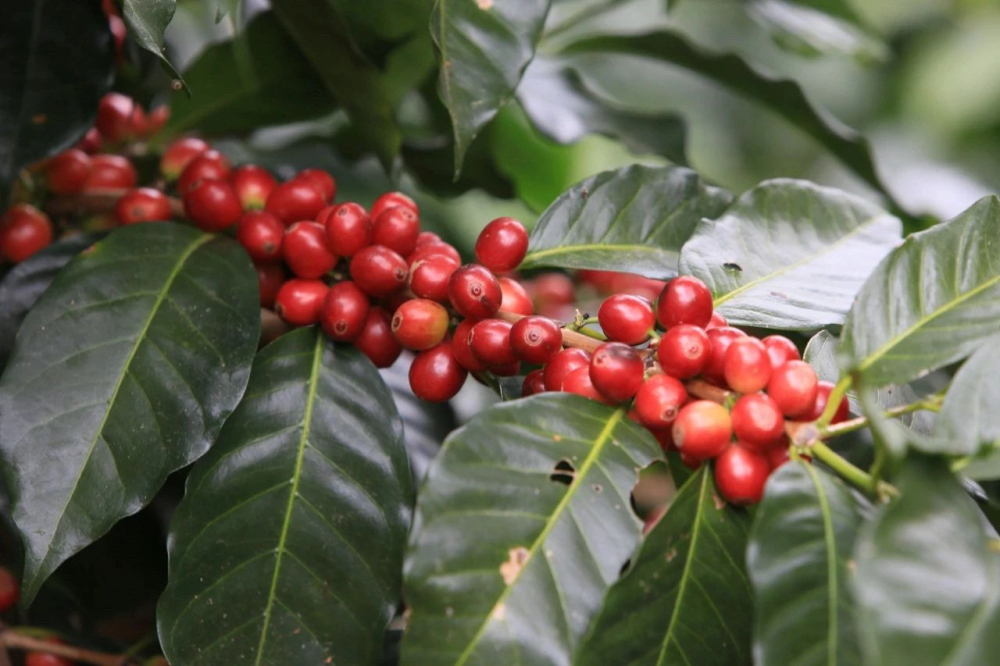
For pour over, medium-dark roasted Golden Mandheling pairs well with the KONO filter to highlight its rich yet clean profile. Recommended grind size is medium-coarse (approximately 57% through a #20 sieve), brew ratio 1:13, 20g coffee, water temperature controlled at 87°C. Start with a small circular pour of 40g for a 30-second bloom, then after the coffee bed expands, pour in 120g and 100g in stages, for a total brew time of about 2 minutes. This parameter helps bring out layered flavors of nuts, chocolate, and spices, while avoiding over-extraction bitterness.
In summary, understanding the grading logic, regional characteristics, and roasting-pour over essentials of Indonesian Mandheling G1 grade enables coffee lovers to comprehensively grasp the essence of this classic bean style—from origin to cup. Whether for tasting or home roasting, it offers a deeper and more rewarding experience.
The above content is compiled by CoffeeHunters, a coffee news website.


