







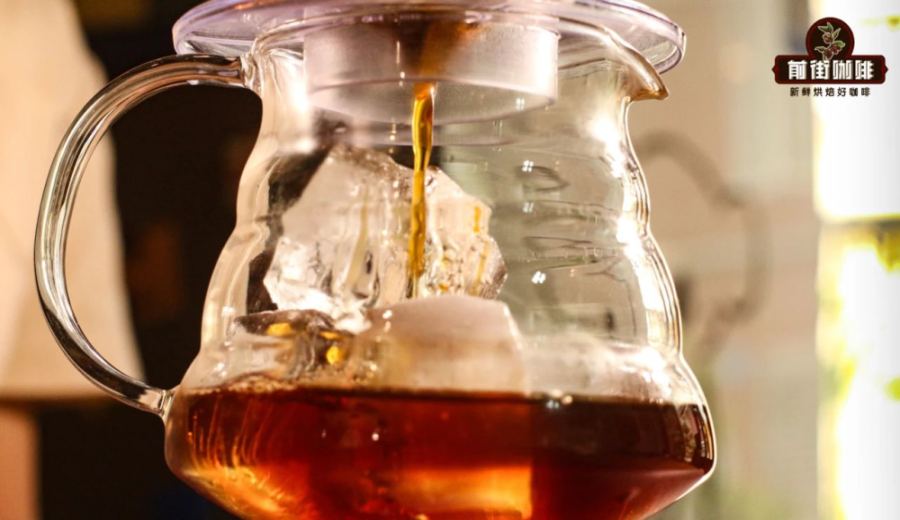
Introduction:This article delves into the unique flavor profile, roasting characteristics, and market pricing strategy of Starbucks’ Decaf Espresso Roast low-caffeine espresso, while systematically introducing the scientific principles and mainstream processing techniques of decaffeinated coffee. Readers will learn about the actual flavor performance of dark-roasted decaf beans, the differences between common decaffeination methods, and how to choose the right decaf product based on their needs.
So-called decaf coffee is not actually a single coffee variety, but rather a classification concept relative to the regular caffeine content. Starbucks’ Decaf Espresso Roast is a dark-roasted, caffeine-free espresso bean that delivers a rich caramel flavor. This recipe, which debuted in 1975, underwent months of repeated roasting tests before finally achieving the perfect balance between bean characteristics and roast level. What is the actual drinking experience of this dark decaf espresso? What are the market characteristics of its pricing? We will analyze it from multiple dimensions.
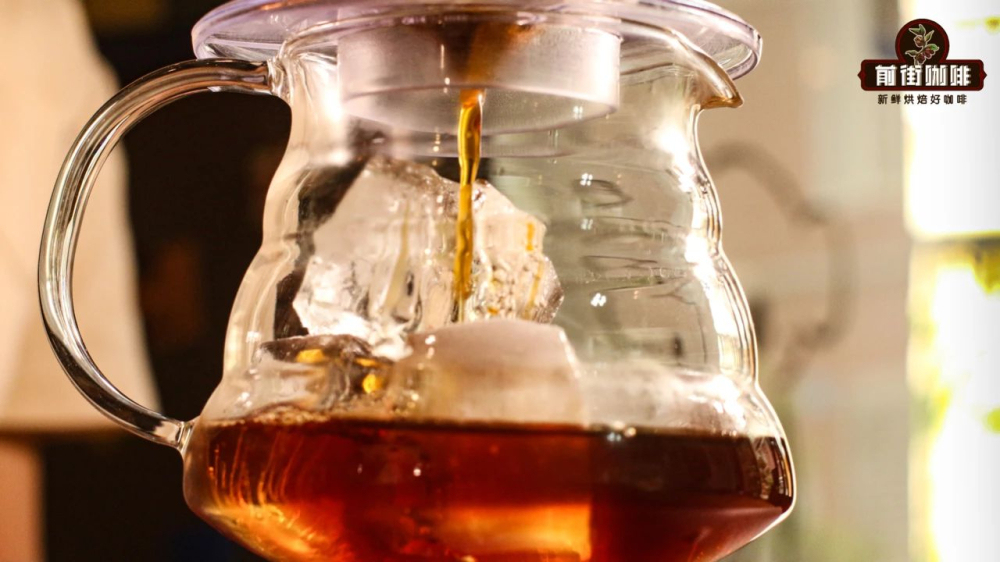
Comparing decaf espresso beans with regular dark-roasted beans, we can find a high degree of similarity in their roasting color and texture. The Decaf Espresso Roast inherits the intense taste and distinct caramel finish typical of dark roasts, a characteristic that allows it to still exhibit a rich body and crema layer when extracting espresso. Looking back at the R&D process in 1975, the development team went through months of experimentation before successfully combining specific bean varieties with a roasting profile to create this decaf product tailored for espresso. What detailed features does its flavor profile reveal? It’s worth exploring in depth.
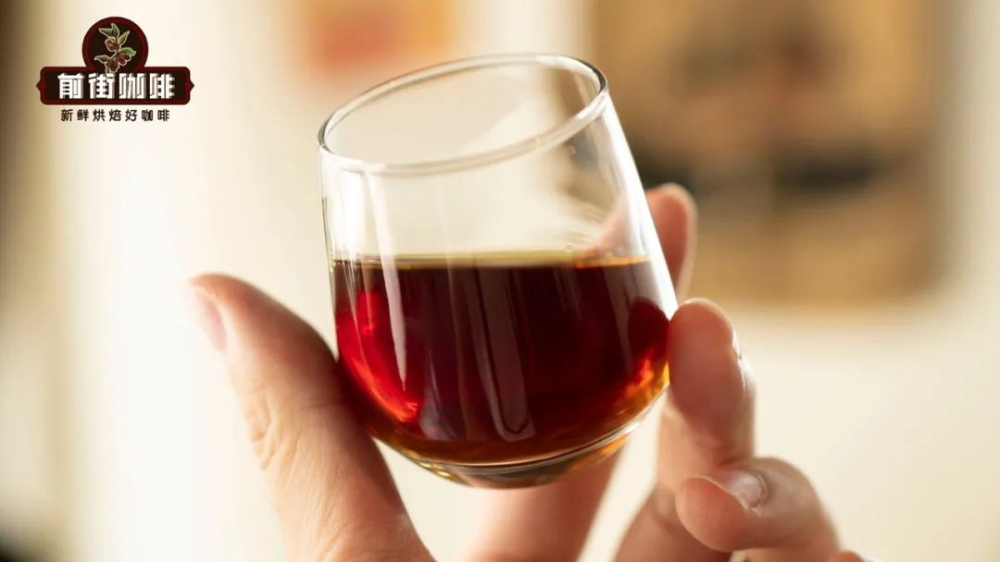
It is particularly important to clarify that decaf coffee is fundamentally a classification concept based on caffeine content levels, rather than an independent bean variety. Among the two major market categories—Arabica and Robusta—the caffeine content of Arabica coffee beans is approximately 0.9% to 1.4% (averaging 1.2%), while Robusta is significantly higher (1.8% to 4%, averaging 2.2%). Notably, the SLN (Semi-Ligneous Narrow Leaf) Bourbon variety cultivated on Réunion Island has a caffeine content only half that of regular Arabica, and this special case contributed to the formation of the concept of “decaf coffee.”
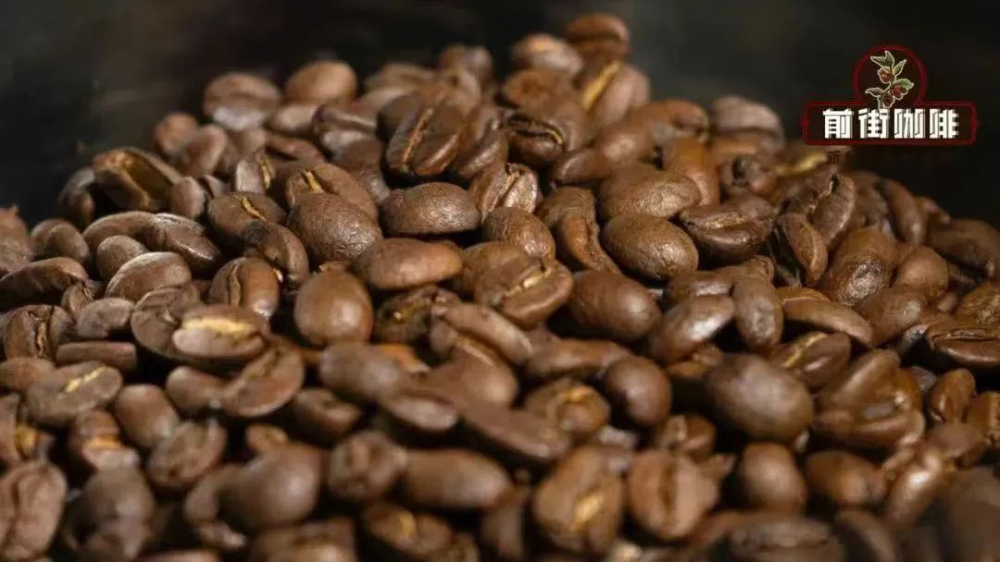
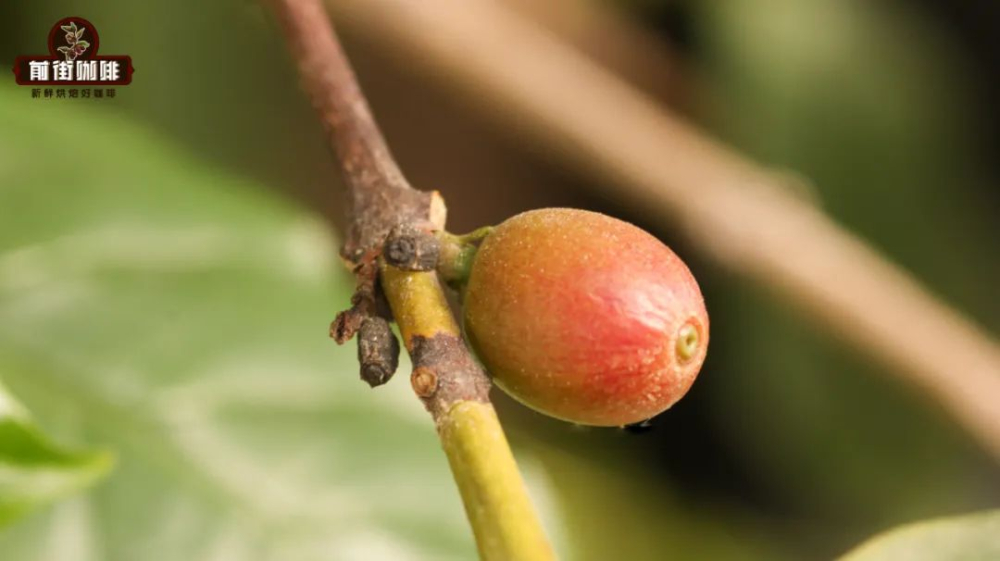
From a plant physiology perspective, caffeine plays a key defensive role during the growth of coffee cherries. This substance effectively deters pest attacks, and its secretion is inversely related to planting altitude—low-altitude regions, where pest density is higher, prompt coffee trees to synthesize more caffeine as a protective mechanism; conversely, high-altitude environments have less pest pressure, so caffeine content is naturally lower. This explains why altitude indirectly influences caffeine concentration, and why the high caffeine characteristic of Robusta is also due to its widespread cultivation at low altitudes.
Current decaf coffee can be divided into two main types based on production methods: natural varieties and artificially processed types. Although naturally low-caffeine varieties such as SLN Bourbon exist, their weak resistance to pests and diseases, along with the limitations of high-altitude cultivation, result in extremely limited production of naturally low-caffeine beans. To meet the continuously growing market demand, the industry primarily uses post-harvest decaffeination processes to treat regular coffee beans, which is also the mainstream source of decaf products currently on the market.
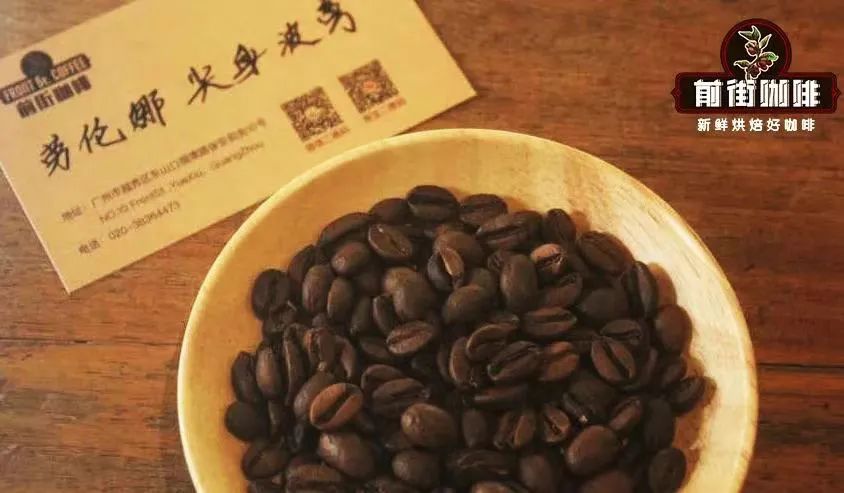
The internationally accepted decaf standards are mainly divided into two systems: the European Union and the U.S. FDA. The former requires that the residual caffeine in green beans after decaffeination does not exceed 1% of the original content, while the latter stipulates that it must be reduced to below 3%. In practical implementation, the decaffeination effects of these two standards are quite similar. Currently, the mainstream decaffeination technologies fall into three categories: supercritical CO₂ extraction, Swiss Water Process, and solvent-based methods (including direct and indirect processes). Among them, the Swiss Water Process has become the most widely used technique in the market due to its pure water filtration principle, with its operational steps involving key procedures such as hot water soaking and activated carbon filtration.
The specific process of the Swiss Water Process begins with soaking the green beans in hot water, which dissolves both the caffeine and some flavor compounds in the beans. Activated carbon filters are then used to precisely capture the caffeine molecules, and the resulting purified water solution is recycled for the decaffeination of the next batch of beans. It is worth noting that although this process ensures caffeine content remains below 1%, it also leads to the loss of some aromatic compounds while removing the target substances.
In terms of actual drinking quality, regardless of the decaffeination technology used, the overall flavor complexity of decaf coffee is generally lower than that of regular products. The main limitations come from two aspects: first, the decaffeination process inevitably removes some aromatic compounds, and second, caffeine itself contributes to taste balance—this alkaloid not only provides a unique bitter note but is also an important element in forming the overall mouthfeel structure of coffee. When these components are missing, the beverage tends to present a relatively flat flavor profile, which is why many coffee enthusiasts perceive decaf products as having a more bland taste.
The above content is compiled by CoffeeHunters, a coffee news website.


