







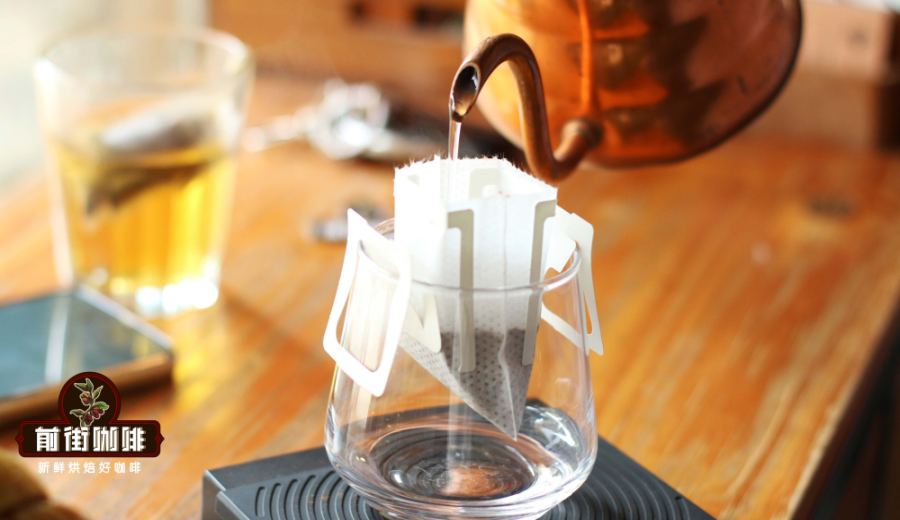
Introduction:Want to make your own pour-over coffee using filter bags but unsure about how fine or coarse the grind should be? Not sure how much coffee powder to use per packet? This article provides a detailed guide on the tools needed to make your own filter coffee bags at home, grind size recommendations and corresponding parameters for different roast levels, proper filling and sealing methods, along with a step-by-step pour-over brewing guide — so you can brew a rich, well-balanced cup of filter coffee in the comfort of your own home.
To start making your own filter coffee bags, it’s important to first understand the basic toolkit. A beginner’s setup includes a grinder, filter bags, an electronic scale, and a sealer, plus a small spoon for convenient scooping. Among these, choosing the right grinder is crucial — whether electric or hand-cranked, it must deliver a consistent grind size, which directly affects water flow rate during extraction, and in turn impacts the final strength and overall flavor profile of the coffee.
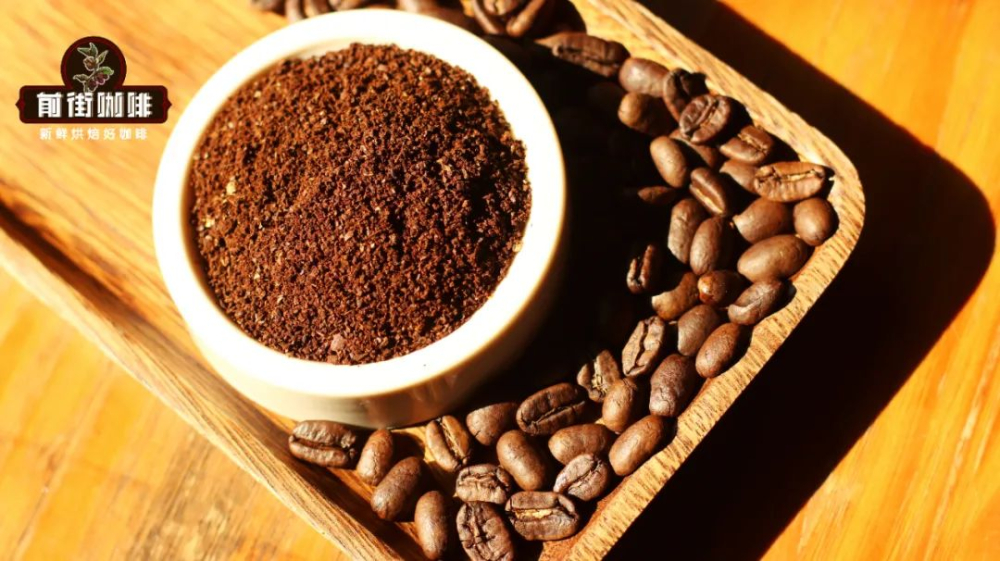
Next, depending on the roast level of your coffee beans, you’ll need to adjust the grind size accordingly to achieve optimal extraction. For example, if you choose light to medium roasted beans — such as commonly available washed or natural processed beans — these often feature pronounced floral, fruity, honey-like, or even tea-like notes. In this case, it’s recommended to grind the coffee to a consistency close to that of granulated sugar.When tested with a standard Chinese No. 20 sieve, the pass-through rate is approximately 80%; if using an electric grinder like the EK43s, set it to around 10; for a hand-cranked grinder like the C40, aim for about 20.This parameter helps balance extraction and highlight the bean’s delicate acidity and layered aromas.
If your beans are medium or slightly dark roasted — such as common Indonesian Mandheling or Brazilian Cerrado — their flavor profiles typically include notes of nuts, caramel, dark chocolate, and subtle wine-like tones. In such cases, it’s recommended to use a medium-coarse grind. This grind size allows water to flow smoothly through the coffee bed, preventing over-extraction and the resulting bitterness.Tested with a No. 20 sieve, the pass-through rate is about 75%; the corresponding EK43s setting is 10.5, and for the hand-cranked C40, around 24.This setup helps bring out a rich yet balanced mouthfeel.
When working with dark roasted espresso blends — or when you notice obvious oiliness on the bean surface upon opening the package, usually indicating a darker roast — the flavor tends to focus on intense bitterness and a heavy body. Grinding such beans too finely can easily lead to over-extraction, making the coffee taste sharp and unpleasant. Therefore,it’s recommended to grind them into coarser particles. With a No. 20 sieve, aim for a pass-through rate of about 70%; set the EK43s to 11 and the hand-cranked C40 to 28.This will effectively avoid over-extraction and bring out the deep, rich characteristics unique to dark roasted beans.
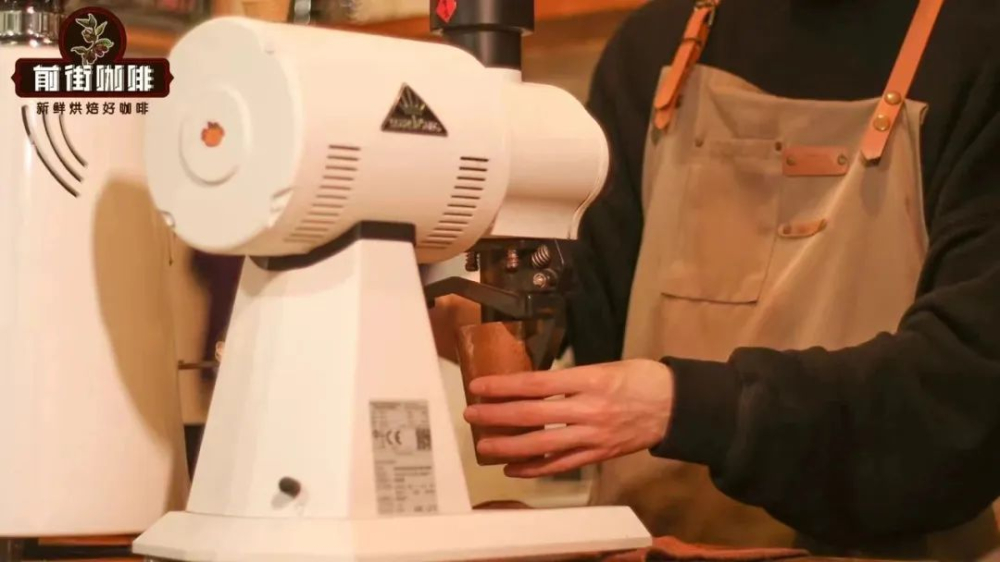
Take the highly popular Ethiopian Yirgacheffe Red Cherry from the market as an example. This bean undergoes meticulous natural processing, exhibiting rich berry-like acidity and sweetness. As the temperature changes, you can appreciate layers of berry tartness, fermented aromas of ripe fruit, honey-like sweetness, and a soft black tea-like finish. For beans with such distinct flavors, it’s recommended to use a grind similar to granulated sugar.Set the EK43s to 10, which perfectly highlights its complex layers and smooth mouthfeel.。
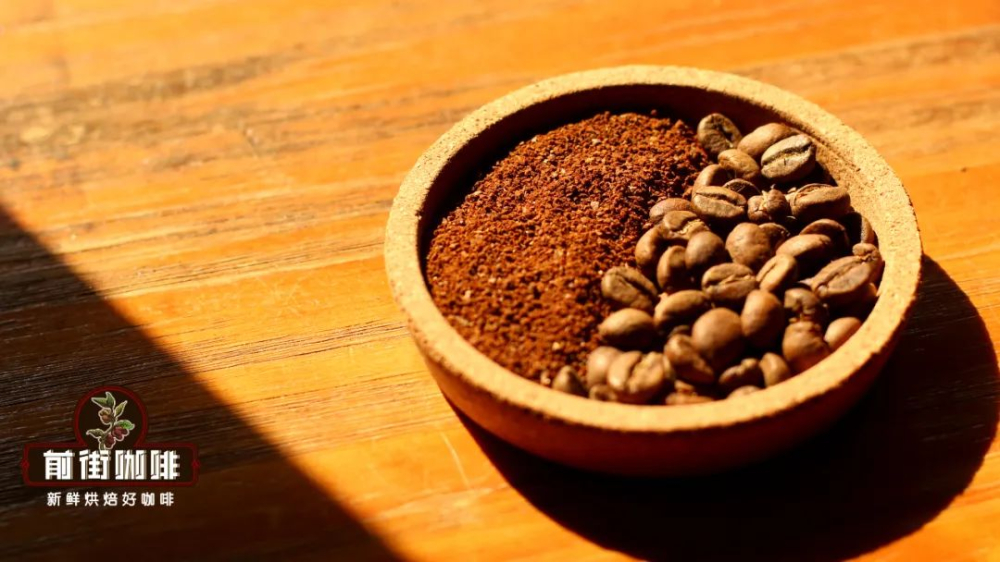
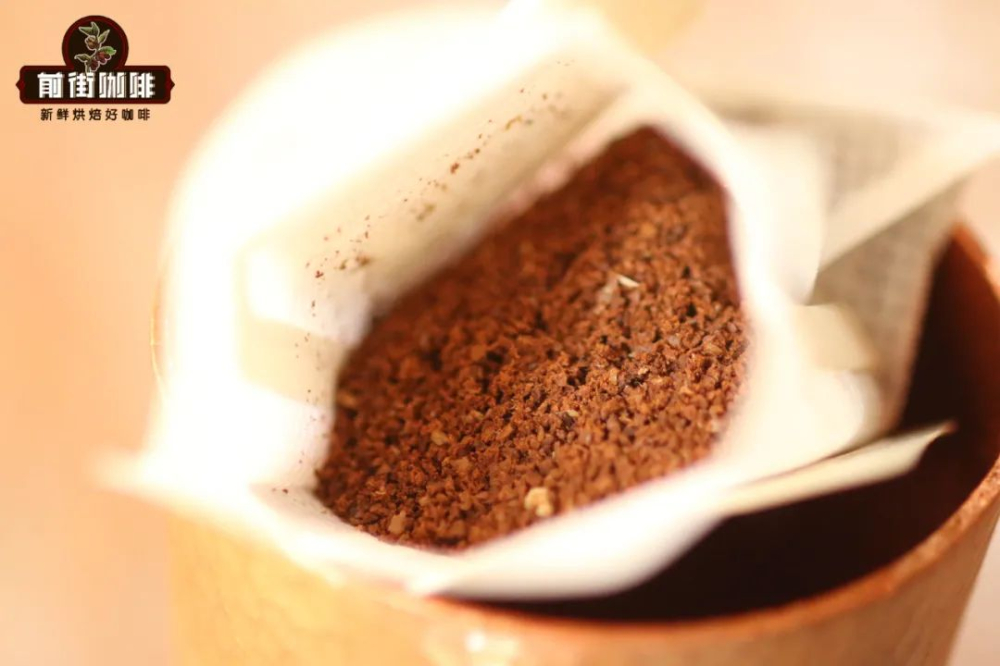
Once the coffee beans are ground, the next step is to fill the coffee powder into the filter bags. It’s recommended to use an electronic scale for precise measurement, with about10 gramsof coffee powder per bag. Open the filter bag mouth into a square shape, and carefully scoop the coffee powder in using a spoon. Make sure it’s evenly spread out, which helps ensure uniform water flow during extraction.
After filling, use the sealer to tightly close the opening of the filter bag. Clamp the heater of the sealer onto the sealing line at the top of the bag to ensure the opening is fully sealed, preventing coffee grounds from leaking during brewing. Be careful not to set the heating temperature too high, as it may damage the non-woven fabric material, affecting both usability and coffee hygiene.
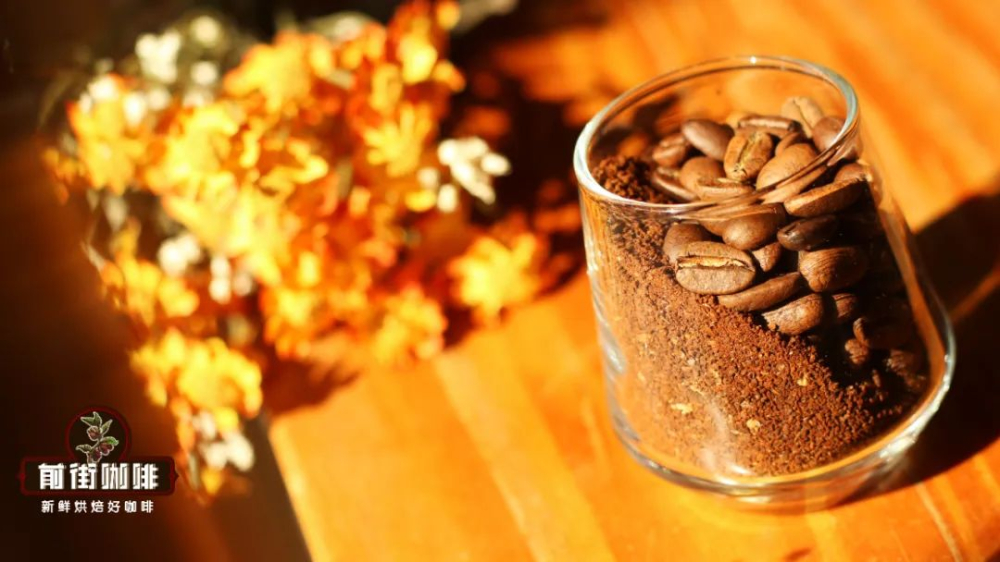
To maintain the freshness and aroma of the coffee powder, it’s recommended to store your homemade filter bags in an airtight bag, kept in a cool, dark place to prevent moisture and odors from compromising the coffee’s flavor.
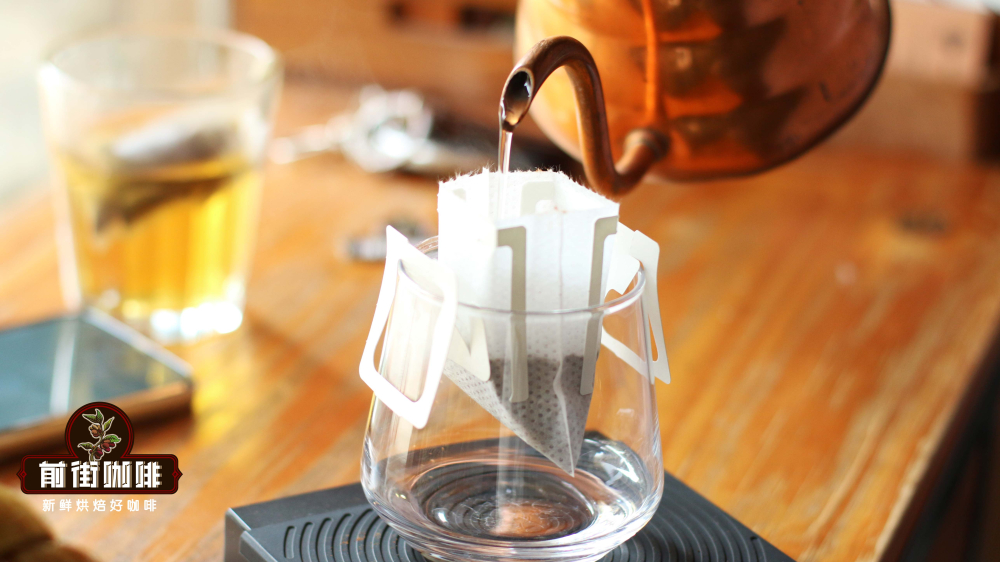
Finally, let’s take a look at how to properly brew your homemade filter coffee. First, hang the filter bag over a clean cup and tear open the seal. Wait until the hot water reaches the desired temperature range. Start pouring from the center, and once the water level rises to about halfway up the bag, pause briefly for a 10 to 15-second bloom to allow the coffee grounds to release their aroma. Since the filter bag has relatively limited ventilation, there’s no need to bloom for too long.
Then proceed with the second pour, filling the bag to about nine-tenths full. Once the dripping slows, pour again to nine-tenths full. Repeat this process for the third and fourth pours. This method of segmented pouring ensures even saturation of the coffee grounds, effectively improving overall extraction efficiency and flavor balance. Once dripping is complete, remove the filter bag and enjoy a fully flavored cup of pour-over coffee. If you find the strength too strong, you can also adjust by adding hot water to suit your personal taste.
The above content is compiled by CoffeeHunters, a coffee news website.


