







Introduction:Want to learn how to adjust your pour over parameters when brewing medium-dark and dark roasted coffee beans to bring out their best flavors? This article provides a detailed analysis of the characteristics of these two roast levels, the bean varieties they suit, and practical pour over recommendations—including key data such as grind size, water temperature, and brew ratio—to help you brew a rich, low-acid, well-balanced cup of coffee.
The roast level of coffee beans is one of the key factors that influence their final flavor profile. Light roasts highlight bright acidity and fresh floral notes, while medium-dark and dark roasts bring out deeper nutty, chocolatey, and caramel tones, making them ideal for those who prefer a bolder taste. This article will delve into the characteristics of medium-dark and dark roasted coffee beans, analyze their performance in pour over brewing, and provide specific extraction parameter references to help you find the coffee experience that best suits your personal taste preferences.
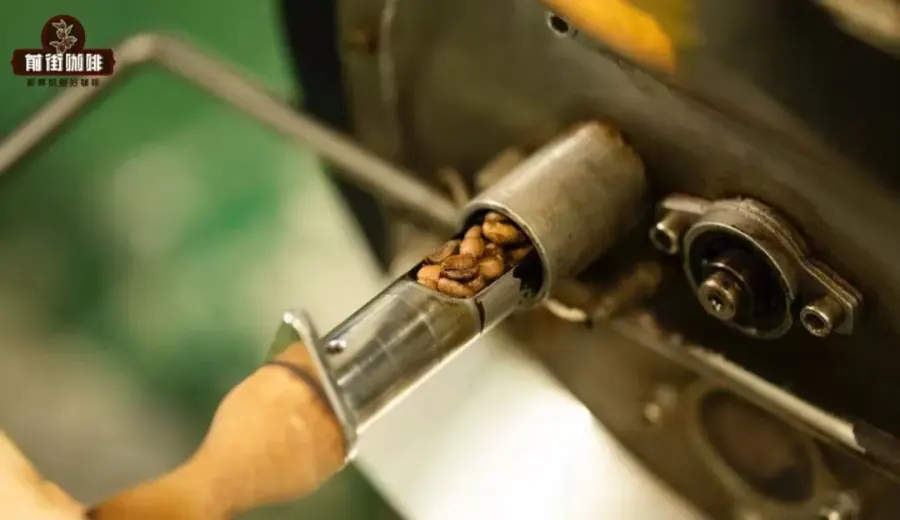
Transforming green beans into aromatic roasted beans is a craft that requires skill and experience. Roasting not only changes the appearance and color of the beans but also directly affects their internal chemical changes and flavor release. Not all coffees are suited to light roasting—some regional beans actually showcase their characteristics better under medium-dark or dark roasts. For example, certain African bean varieties are known for their bright acidity, which light roasting can highlight through fruity notes; but when switched to medium-dark or dark roasting, they may present rich layers of caramel and chocolate, which are highly favored by consumers who enjoy a bold taste.
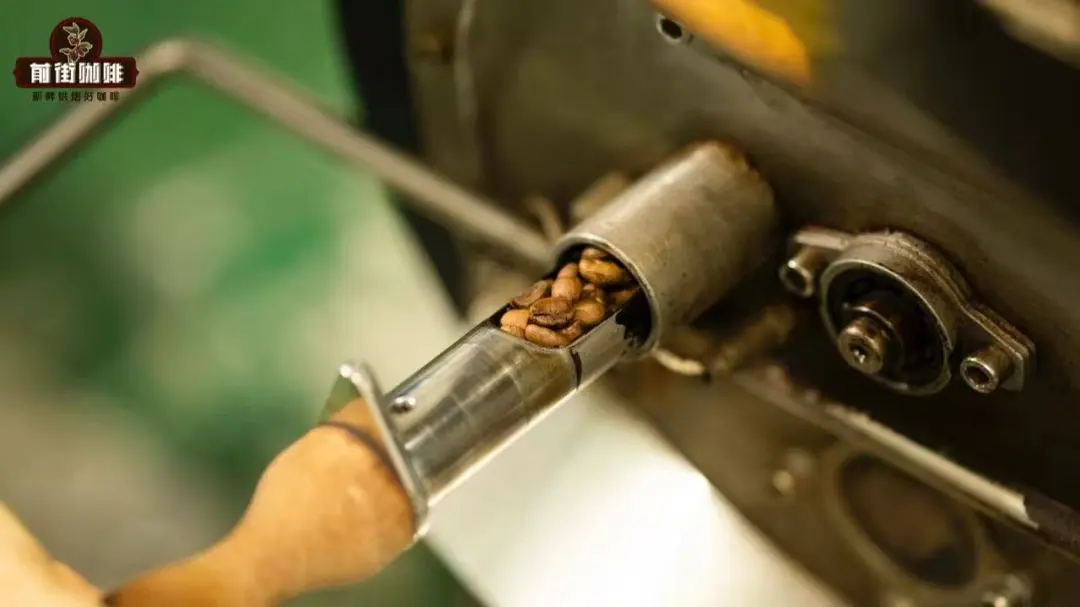
Medium-dark roasted coffee beans typically appear deep brown, with the surface beginning to show a slight sheen of oil. These beans retain a certain level of acidity, though it is softer compared to light roasts, resulting in an overall round and full-bodied mouthfeel with noticeably enhanced richness. This roast level not only showcases the inherent regional characteristics of the coffee but also, through moderate heat application, releases more complex aromatic compounds, making the flavor richer and more balanced. Common medium-dark single-origin beans, such as Blue Mountain No.1, Colombian Huila, Brazilian Cerrado, and Yunnan small-seed variety, all exhibit chocolatey, nutty, and mildly sweet caramel flavors, making them excellent choices for pour over brewing.
As for dark roasts, the beans are roasted to a deep brown or even near-black color, with a significant increase in surface oiliness. The acidity is further reduced, while bitterness and boldness become more pronounced. This type of roast is often referred to as "espresso roast" and is widely used in making espresso. However, overly dark roasting can cause the beans to lose their original regional flavors, or even develop charred tastes. Therefore, many roasters prefer to stay within the "medium-dark" range to preserve notes of dark chocolate, roasted nuts, and subtle herbal and woody aromas. For example, Indonesia’s Golden Mandheling, when medium-dark roasted, not only showcases rich dark chocolate and nutty tones but also brings out unique herbal and sandalwood notes, making it a classic favorite among many coffee enthusiasts.
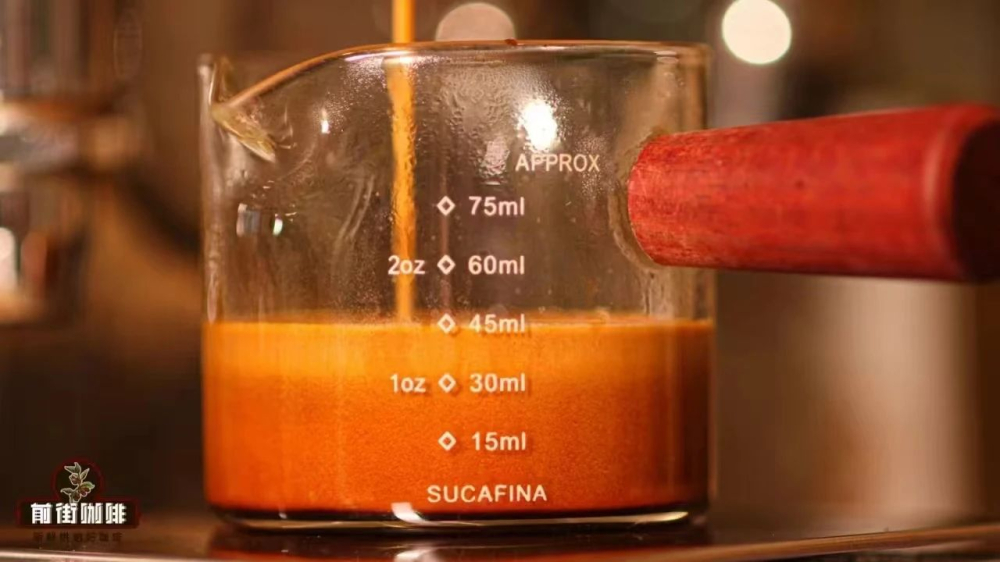
For pour over brewing, the extraction parameters for medium-dark and dark roasted beans require special attention. It is generally recommended to use a medium-coarse to coarse grind size, similar in texture to sea salt or coarse sugar, to ensure smooth water flow and avoid over-extraction that can lead to bitterness. In terms of water temperature, it is advised to keep it between 88°C and 92°C; too high a temperature can amplify bitterness and impurities, while too low may fail to fully release the flavors. The brew ratio can be set at 1:15 to 1:16, meaning 15 to 16 milliliters of water per 1 gram of coffee grounds. This ratio balances richness and layering. Brew time is recommended to be around 2 minutes and 30 seconds to 3 minutes, with minor adjustments based on specific techniques and filter designs.
Additionally, because medium-dark and dark roasted beans have inherently bold flavors, they are often used in espresso blends. The high concentration of oils and caramelization reactions make the extraction process more stable and the flavor more consistent. These blends are not only suitable for making espresso but can also deliver rich sweetness and body when brewed using pour over methods. Common blending strategies combine beans from different regions—for example, Central and South American beans provide a balanced base of acidity and sweetness, while Asian beans like Indonesian Mandheling add richness and woody tones. Through precise control of roast levels, a layered and smooth overall profile is achieved.
In summary, medium-dark and dark roasted coffee beans offer a flavor world distinctly different from that of light roasts when used in pour over brewing. From rich chocolate and nuts to subtle caramel and woody aromas, these roast levels provide a thicker and more full-bodied mouthfeel experience. By mastering the right grind size, water temperature, brew ratio, and brewing time, even beginners in pour over brewing can easily prepare a deep and captivating cup of coffee.
The above content is compiled by CoffeeHunters, a coffee news website.


