







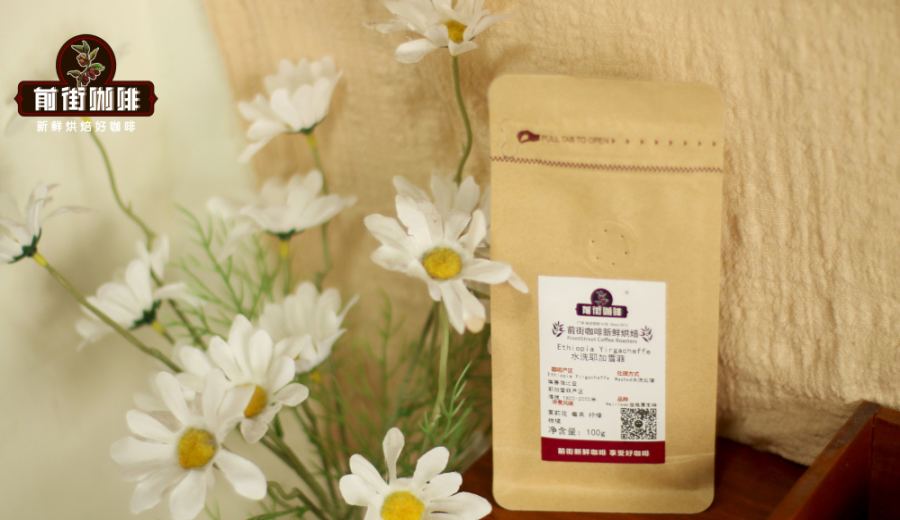
Introduction:As one of Ethiopia’s most iconic specialty coffee regions, Yirgacheffe is renowned for its bright, citrusy acidity and elegant floral notes. This article delves into the unique relationship between the region’s geography and processing methods, exploring how light roasting highlights its captivating acidity and fruity-floral aromas. It also provides practical steps and parameters for brewing Yirgacheffe using pour-over coffee bags, allowing you to enjoy a layered cup of Yirgacheffe at home with ease.
Yirgacheffe is a highly representative town in Ethiopia’s Gedeb district and a dream origin for specialty coffee enthusiasts worldwide. Located in a high-altitude, humid climate zone with an average annual temperature of around 15 to 25°C, the area experiences significant day-night temperature variations. Coupled with its natural wetlands and abundant water sources, these conditions create an ideal environment for growing Arabica coffee.
Interestingly, the name Yirgacheffe originates from two Amharic words: “Yirga,” meaning calm or tranquility, and “Cheffe,” referring to a swamp-like wetland terrain. Together, they suggest a sense of “settling in peaceful wetlands.” Thanks to this exceptional environment, coffees from this region often exhibit uniquely vibrant fruit and floral characteristics.
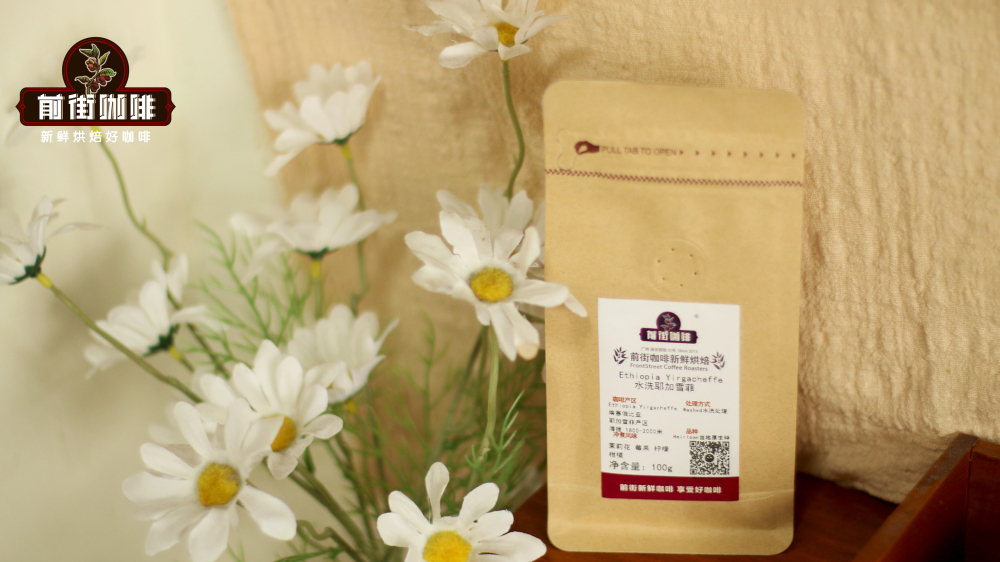
When discussing the flavor profile of Yirgacheffe, the most frequently mentioned notes include bright, lively citrus (such as lemon and orange), vivid floral aromas (like jasmine and white florals), and delicate honey-like sweetness. These traits contribute to a “clean, bright, and well-layered” drinking experience, making it a top choice for many beginners entering the world of specialty coffee. Generally, such coffees appeal to consumers seeking a refreshing taste and fruity complexity, with washed processing best showcasing their inherent qualities.
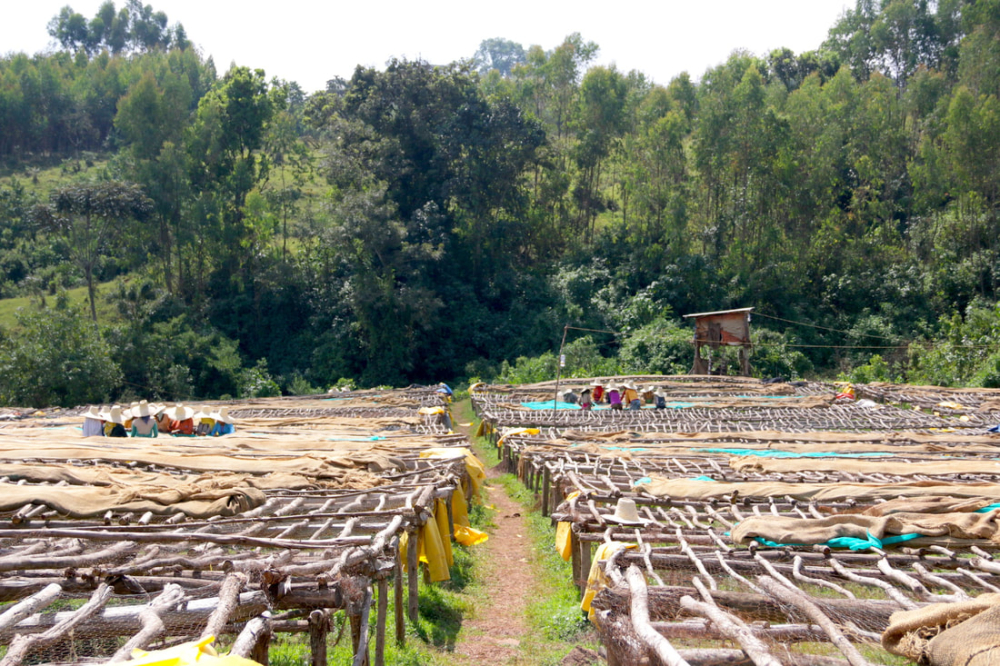
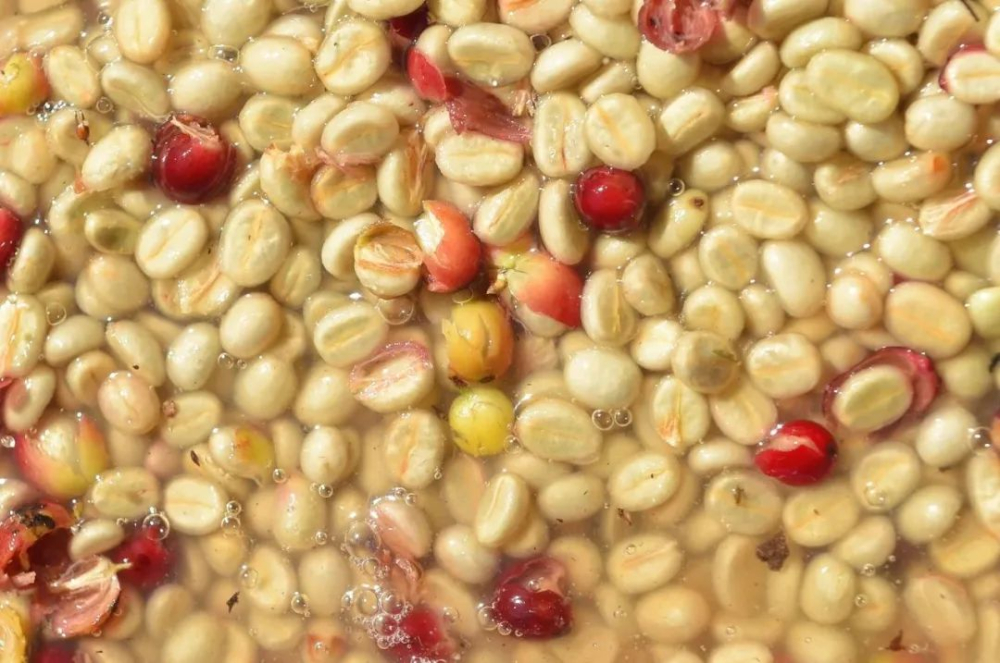
In the early days, Yirgacheffe primarily used traditional sun-drying processing methods. However, in 1972, Ethiopia introduced washed processing techniques from Central and South America, significantly improving the coffee’s purity and aroma expression. Through washed processing, impurities and undesirable flavors in the beans are effectively removed, resulting in clearer, brighter citrus and jasmine notes, thus establishing Yirgacheffe as a benchmark for specialty coffee. To this day, washed Yirgacheffe remains the market mainstream and is highly praised by baristas and roasters worldwide.
The most iconic flavor trait of Yirgacheffe is its refined and layered acidity paired with fresh fruity-floral notes. Fully expressing this flavor relies heavily on the roast level. Generally,medium-light roastingpreserves the maximum amount of natural fruit acidity and delicate aromas, while also delivering a tea-like body and subtle honey sweetness. In contrast, medium-dark or dark roasting, though capable of adding body and bitterness, can easily mask its refreshing qualities and deviate from Yirgacheffe’s most enchanting classic flavor.
To recreate these characteristics easily at home, many coffee lovers opt for stable-quality, freshly roasted pour-over coffee bags. A standard pour-over coffee bag typically contains 10 grams of coffee, and it is recommended to use 150 milliliters of hot water for extraction, with a coffee-to-water ratio of approximately 1:15. The brewing water temperature should be controlled at 90 to 92°C to best highlight its bright fruit acidity and delicate floral notes. Additionally, since coffee flavors gradually diminish over time after roasting, it is recommended to choose products roasted within 5 days for the optimal tasting experience.
Here are practical steps for brewing pour-over coffee using coffee bags:
1. Preheat the cup: Before brewing, preheat your coffee cup with hot water. This helps maintain the coffee’s temperature, prevents aroma loss due to rapid cooling, and enhances the overall drinking experience.
2. Attach the filter bag: Gently shake the coffee bag to let the coffee grounds settle at the bottom, avoiding spillage when opening the seal. After discarding the preheating water, tear open the coffee bag’s seal, unfold both sides of the filter, and place it evenly on the rim of the cup, ensuring the filter paper fits snugly against the cup’s opening.
3. Pre-wet (bloom): Pour a small amount of hot water (about 20–30 milliliters), just enough to saturate all the coffee grounds, and let it sit for approximately 20 seconds to allow the coffee grounds to fully expand and absorb water. This step is crucial for flavor release. For a stronger flavor, you can extend it to 40 seconds, but adjust the total water volume accordingly.
4. Main extraction (pouring): Continue pouring with a thin, circular stream of water, keeping the water level around eight-tenths full in the filter. Once the water level drops, pour again. The total extraction volume should be controlled at 150–180 milliliters . Maintain a steady water pressure and flow rate throughout to ensure balanced flavor and even extraction. After extraction is complete, you can remove the coffee bag and enjoy your coffee without waiting for it to completely drain.
Quick tip: Pour-over coffee bags are designed for single use only. After brewing once, they should be discarded. Reusing them not only affects flavor but may also pose health risks. Choosing freshly roasted and properly stored pour-over products is the key to truly savoring Yirgacheffe’s captivating floral-fruity notes and refreshing acidity.
The above content is compiled by CoffeeHunters, a coffee news website.


