








Introduction:The Buku Abel coffee from the Guji-Hambela region of Ethiopia, cultivated at an altitude exceeding 2000 meters, develops unique flavor characteristics. This article delves into its low-temperature slow natural sun-drying process, heirloom variety traits, roasting and cupping profiles, and provides expert pour-over brewing recommendations to help you understand the full story of this specialty coffee—from origin to cup—infused with the sweet aromas of pear, strawberry, orange, and honey.
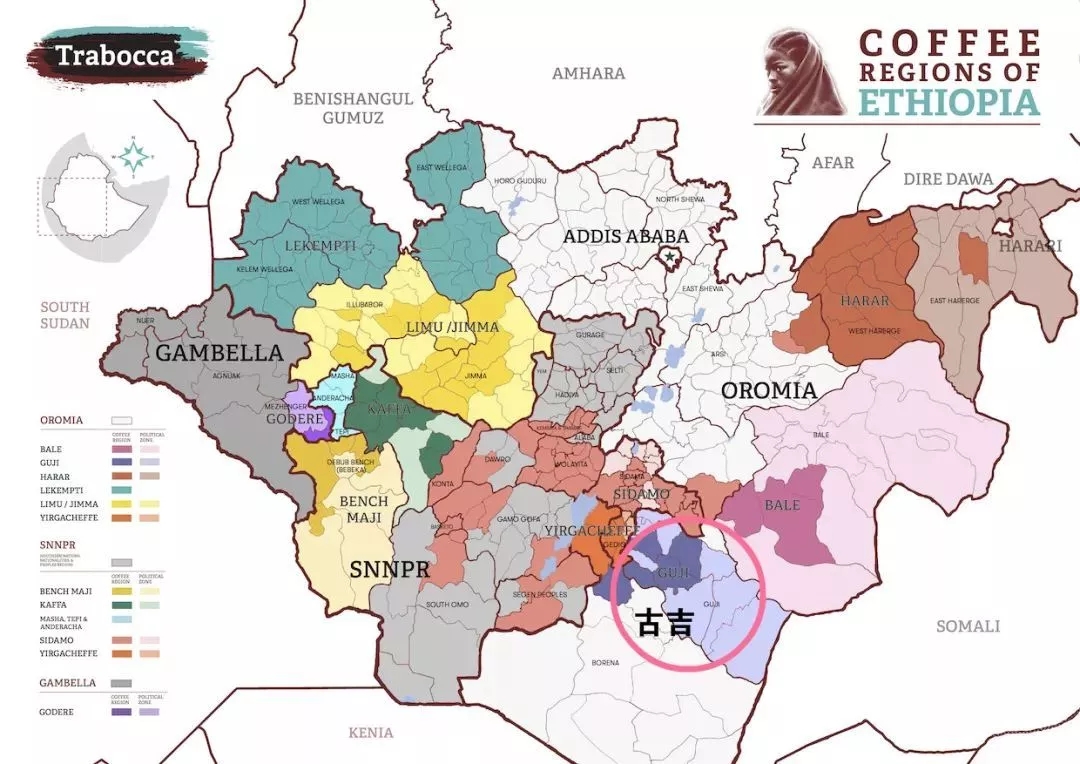
In the highland regions of southeastern Ethiopia, the Guji zone has gradually become a focal point for specialty coffee enthusiasts due to its exceptional natural environment. Within this zone lies the Hambela area, home to a small village named Buku Abel, situated at an altitude of over 2000 meters—an ideal growing ground for native coffee varieties. This article begins with an overview of the producing region and details how this coffee, processed using a low-temperature slow natural method, showcases rich floral-fruity notes and a round, sweet profile through meticulous craftsmanship.

The Guji zone was formerly part of Sidamo until it was officially designated as an independent zone by the Ethiopian Commodity Exchange (ECX) in 2010. Located southeast of Yirgacheffe and bordering areas such as Sidamo and Guji, its terrain is highly diverse, encompassing high mountains, plateaus, valleys, and plains. The region features fertile black soil (Vertisol) with deep layers, an average altitude exceeding 1800 meters, and significant diurnal temperature variations—all of which create optimal conditions for producing high-quality coffee.
The Hambela area belongs to the Oromiya region and is uniquely positioned adjacent to several well-known coffee sub-regions, including Kochere, Shakiso, and Uraga. Currently, the area hosts around 20 processing facilities of varying sizes, scattered across villages and small farms, among which Buku Abel stands out as a promising site for cultivating native coffee varieties.
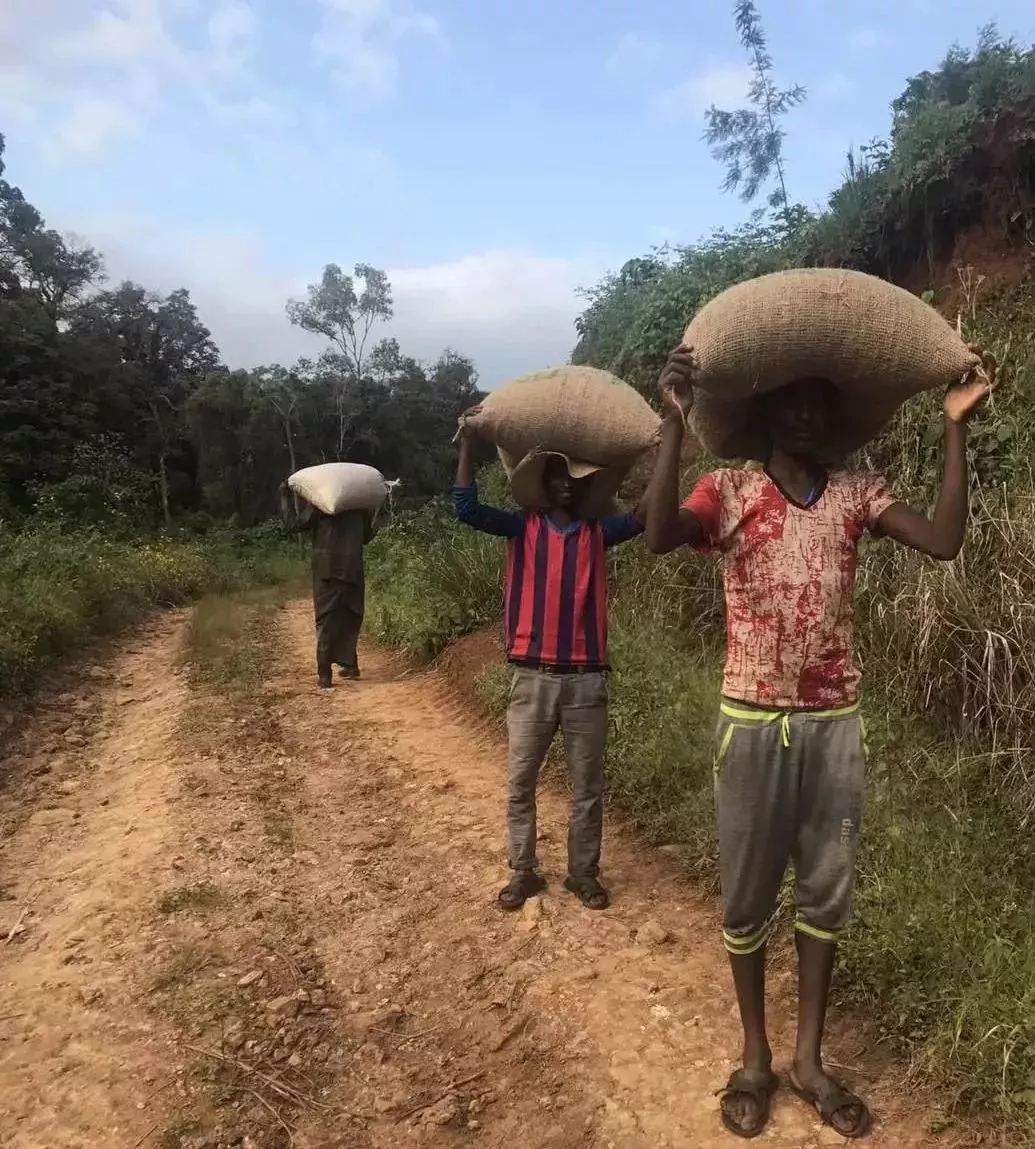
Buku Abel, meaning "new place" in the local language, is a small village with a population of over 30,000. Though its history is not as long as other parts of Ethiopia, its coffee cultivation demonstrates high intrinsic value. Here, coffee trees often grow alongside native banana forests under traditional farming methods, ripening slowly in natural shade—a foundation for the coffee’s unique fruitiness and acidity.
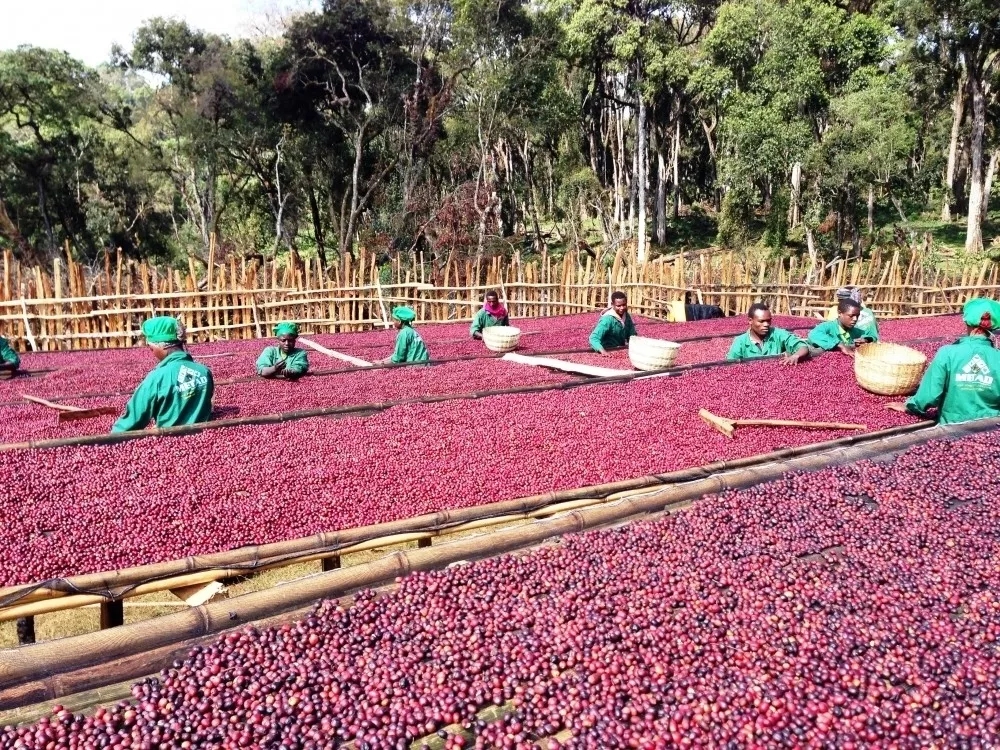
Coffee in the Buku region is processed using a low-temperature slow natural sun-drying method, selecting only fully ripe red coffee cherries laid out in a single thin layer. While this method occupies more space and reduces yield per unit area, it ensures each cherry receives even ventilation and sunlight, facilitating the refined development of flavors. The moderate slow drying process not only enhances the coffee’s water activity and aroma complexity but also contributes to flavor stability during storage. However, this technique demands strict climatic conditions and greater time and labor investment.
The Ethiopian green coffee beans from Buku exhibit a natural yellow-green hue, with a subtle scent of fermented fruit and fresh citrus acidity. Sourced from local heirloom varieties, the beans vary slightly in size—a typical characteristic of Ethiopia’s diverse coffee genetics. Notably, due to government protection policies and challenges in variety identification, the beans are generally labeled as “heirloom” rather than being attributed to a specific single variety.
In terms of roasting, this coffee enters the drum at 200°C with the air vent initially set to 3. After 30 seconds, the heat is adjusted to 160, and the turning point occurs at 1 minute and 36 seconds. As the temperature gradually rises, both the air vent and heat settings are fine-tuned to precisely control the dehydration and Maillard reaction processes. Once the bean surface turns yellow and the grassy notes fade, the coffee enters the crucial development phase before first crack. According to records, first crack begins at 8 minutes and 45 seconds, continuing for 1 minute and 40 seconds, and the roast finishes at 197°C, demonstrating good development uniformity and aromatic expression. Agtron data shows a bean value of 71.8, a crema value of 85.7, and a Roast Delta of 13.9, indicating a medium-light to medium roast level that highlights the floral-fruit character.
During cupping, this coffee emits intense aromas of pear blossom, fermented fruit, and rose. Upon sipping, distinct tropical fruit flavors such as pear, strawberry, orange, and peach emerge, accompanied by creamy and honey-like sweetness. The overall profile is balanced and layered. This flavor combination allows the coffee to present a silky and sweet experience reminiscent of a tropical fruit tea when brewed via pour-over.
For this coffee, it is recommended to use a V60 dripper with a grind size similar to superfine sugar (approximately 80% passing through a Chinese 20-mesh sieve), a brew ratio of 1:15, and water temperature controlled at 91°C. Specifically, start with a 30-second bloom using 29 grams of water, then pour in water up to 128 grams in a gentle stream followed by a brief pause. When the water level drops and is about to expose the coffee bed, pour again to reach 226 grams with a slightly stronger stream before stopping. The total extraction time is approximately 2 minutes and 10 seconds. These parameters help fully highlight the delicate floral-fruit and honey sweetness notes while maintaining bright acidity and a refreshing mouthfeel.
In summary, the Ethiopia Guji-Hambela Buku coffee, with its high-altitude native environment, low-temperature slow natural processing, and rich floral-fruit character, stands out as a remarkable offering in the specialty coffee market. Whether for flavor exploration, origin study, or pour-over practice, this coffee delivers a profound sensory experience and technical reference.
The above content is compiled by CoffeeHunters, a coffee news website.


