







Introduction:Pour over and drip bags may seem worlds apart, but in essence they share the same foundation — drip bags are just a convenient version of pour over. This article takes an in-depth look at the differences between the two in terms of equipment needs, ease of use, flavor presentation, portability, and shelf life. It also details the correct brewing process for drip bags, including warming the cup, water temperature control, pouring techniques, and common mistakes, helping you achieve pour over–like quality with a drip bag.
Many coffee enthusiasts often think that pour over and drip bags are two completely different brewing methods, but in reality their core principles are very similar — drip bags can even be considered a simplified and portable version of pour over. In cafés or everyday homes, it’s not uncommon to find some customers who insist on the ritual of pour over, while others prefer the speed and convenience of drip bags. So what exactly is the difference between pour over and drip bags? What subtle distinctions exist between the two in terms of equipment setup, brewing steps, and the final flavor presented? This article will break it all down for you and provide a complete guide to correctly brewing drip bag coffee.
Some people believe that those who drink pour over look down on drip bags, or that those who drink drip bags don’t understand pour over. In fact, this notion is inaccurate. The two are not opposites but rather the same extraction method applied under different circumstances. Pour over emphasizes detail and process — from bean selection and grinding, to water temperature control and pouring technique, every step can influence the final flavor. Drip bags, on the other hand, are designed for those who enjoy the flavor of pour over but either lack the time or don’t want to deal with complex equipment, allowing them to easily enjoy a similar coffee experience.
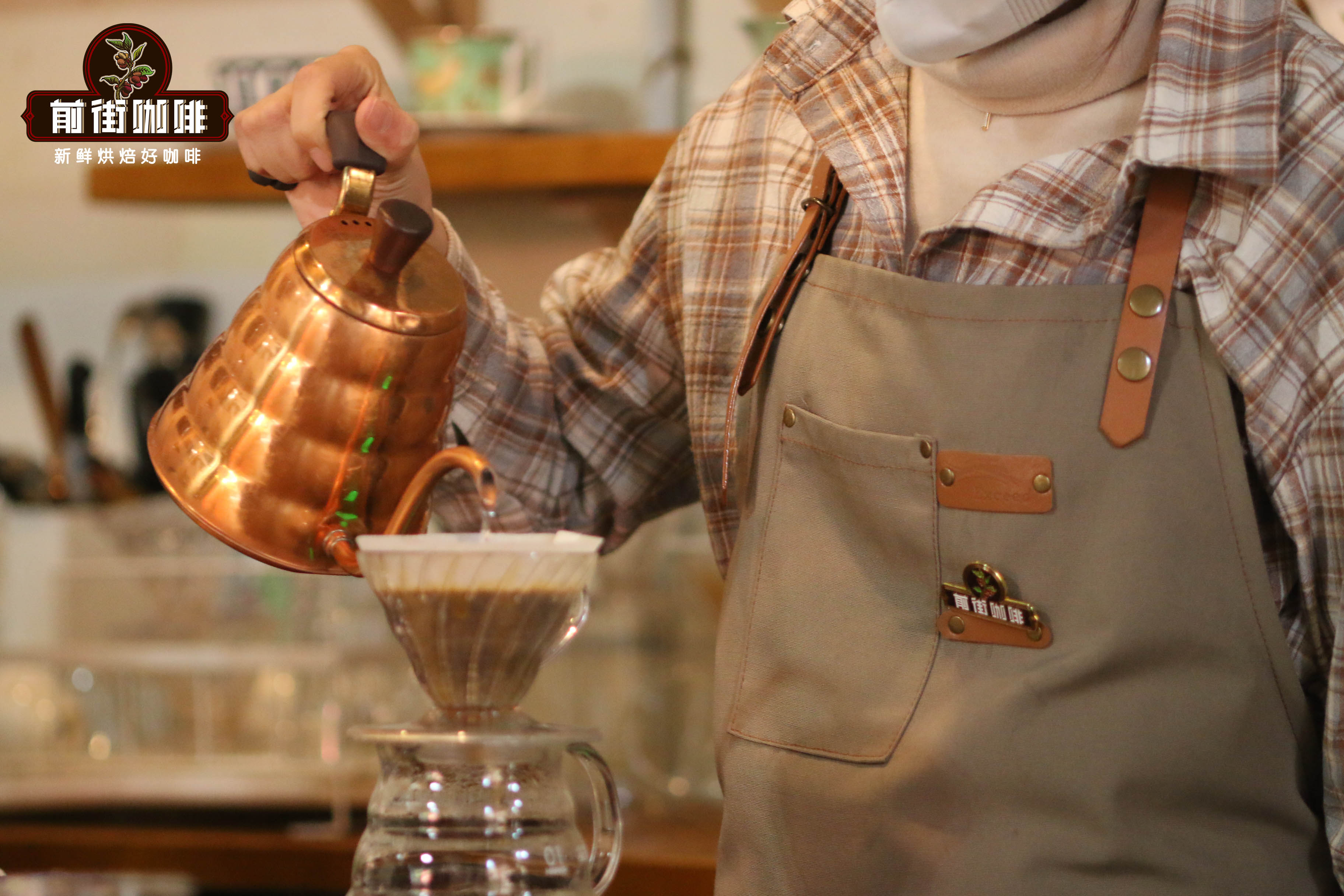
So-called pour over coffee refers to the method of manually controlling the speed and direction of hot water flow to extract the essence from single-origin coffee beans. To make an ideal cup of pour over coffee, you’ll need a set of specialized equipment: including a pour over kettle, filter cone, filter paper, grinder, electronic scale, thermometer, and sometimes even a server or a sieve to calibrate grind size and control brew ratio. These tools not only affect the convenience of operation but also directly determine the clarity and layering of the coffee’s flavor. Especially for beginners, mastering the stability of water flow and the rhythm of pouring is a skill that requires long-term practice.
In comparison, drip bags greatly simplify these steps. The coffee beans in a drip bag are pre-ground and packaged in a filter pouch, eliminating the need for a personal grinder or precise weighing. All you need is a cup, hot water, and something to pour the water with — and you can easily brew a cup. Although drip bag coffee is slightly less nuanced in flavor compared to pour over, it is an extremely approachable and practical choice for those who are busy or don’t want to deal with complicated equipment. Especially since drip bags are usually standardized at 10 grams of coffee per serving, they are easier for beginners to manage in terms of portion size.
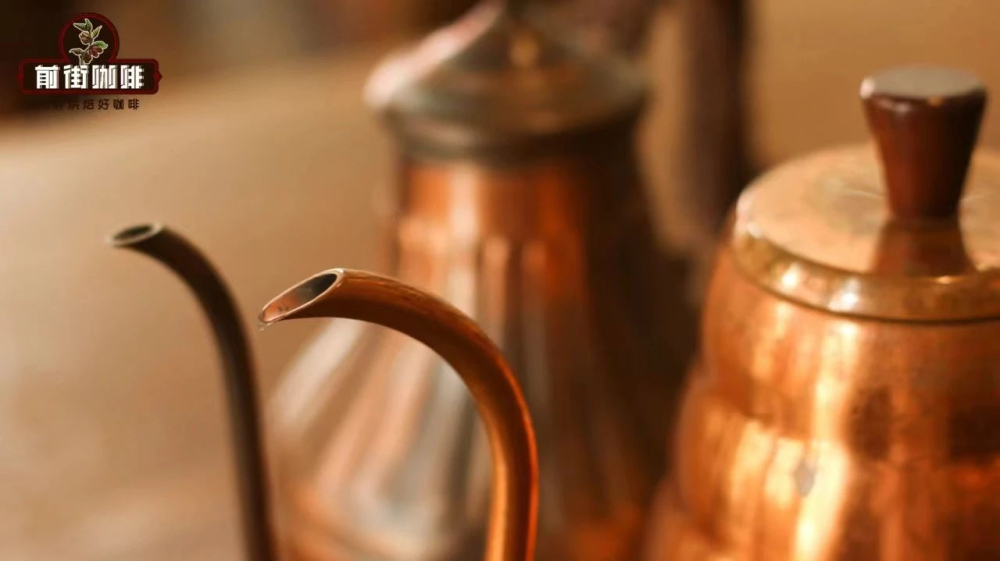
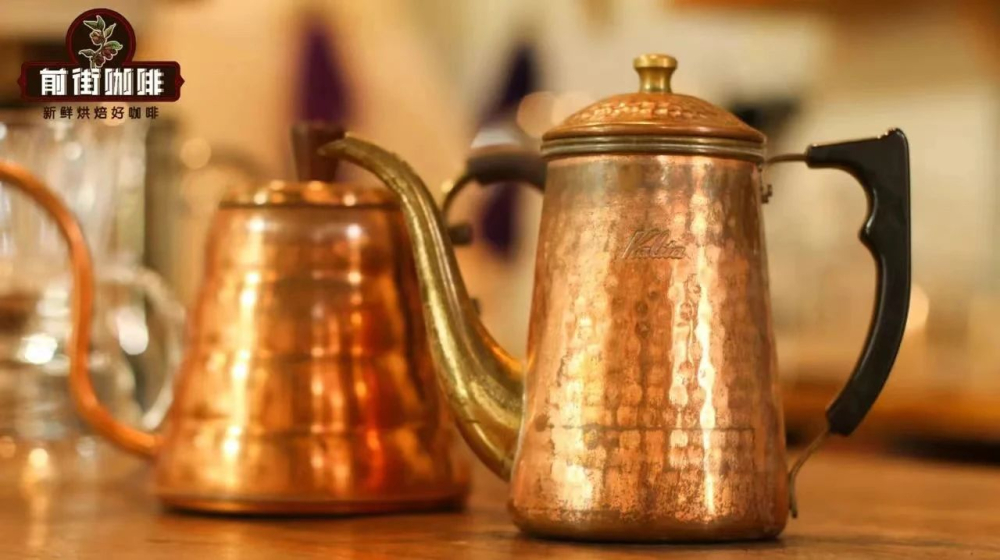
Next, we list out the complete set of equipment needed for pour over: first is the pour over kettle, where a narrow spout design is recommended for better water flow control; then the filter cone, which commonly comes in fan-shaped, cone-shaped, or wave-shaped designs — each affecting flow rate and taste; filter paper is available in bleached or unbleached versions, and should be chosen to match your filter cone. The choice of grinder is also important, with common types including flat burr, conical burr, and gear burr, each influencing grind uniformity and flavor expression. Additionally, an electronic scale and thermometer are key tools for ensuring accurate brew ratio and water temperature, while a sieve can help you calibrate grind coarseness. If you plan to brew for multiple people, a server is also a good option to help monitor total extraction volume.
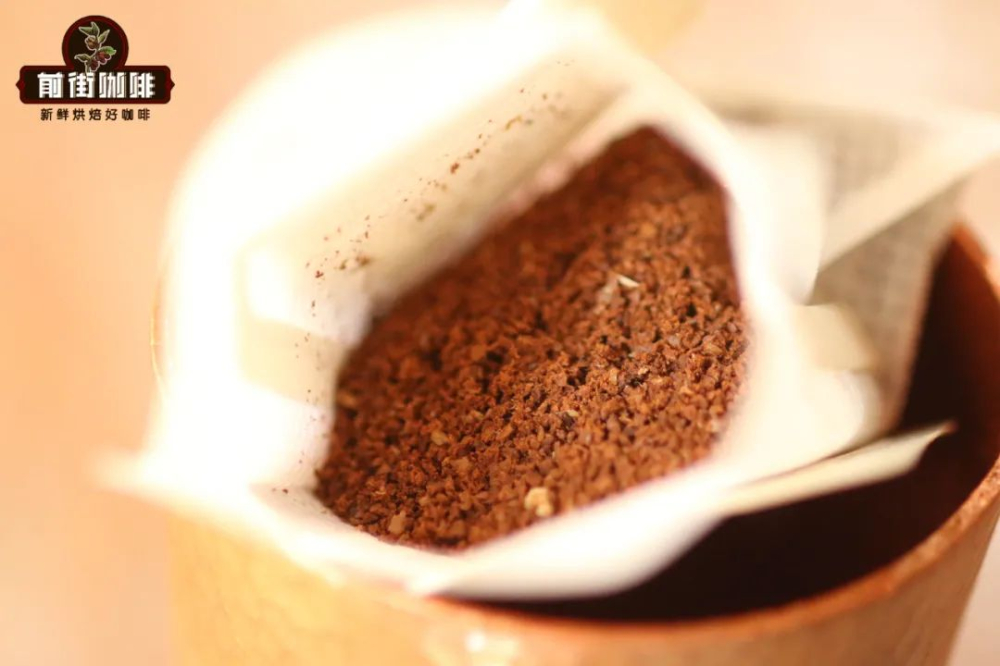
As for drip bags, the required equipment is much simpler — just the drip bag itself, hot water, and a cup. Though it may not look very professional, as long as you master the correct brewing method, you can still produce coffee with decent flavor. For those who are frequently on the go or in the office, the portability of drip bags is their biggest advantage.
So what are the specific differences between pour over and drip bag coffee? First, pour over requires more equipment, has a higher learning curve, and demands a certain level of experience and technique; drip bags drastically reduce the number of steps, making them more suitable for everyday quick use. Second, pour over equipment is bulky and not easy to carry around, whereas drip bags are compact and highly travel- or commute-friendly. Third, the overall brewing time for pour over is usually within two minutes, while drip bags take about four minutes. Lastly, because drip bag coffee is pre-ground and thus has a larger surface area exposed to air, its aroma evaporates faster, resulting in a shorter shelf life than whole beans or pour over coffee grounds — it’s best to consume it soon after opening.
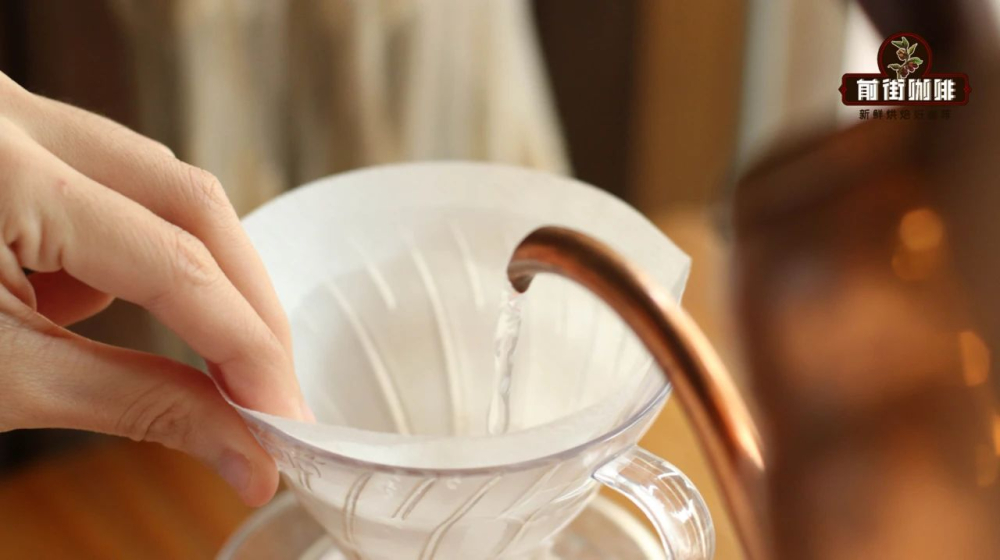
If you want to brew a cup of coffee with drip bag quality close to pour over, here are the detailed steps and precautions. First is warming the cup — it’s recommended to rinse your cup with hot water before brewing to prevent the coffee from cooling too quickly after pouring, which could affect flavor development. Next is water temperature control — the ideal range is 85 to 90°C. Water that’s too hot can bring out excessive bitterness, while water that’s too cool may result in under-extraction and a weak taste. You can fine-tune the temperature based on personal preference, but it’s best to stay within this range.
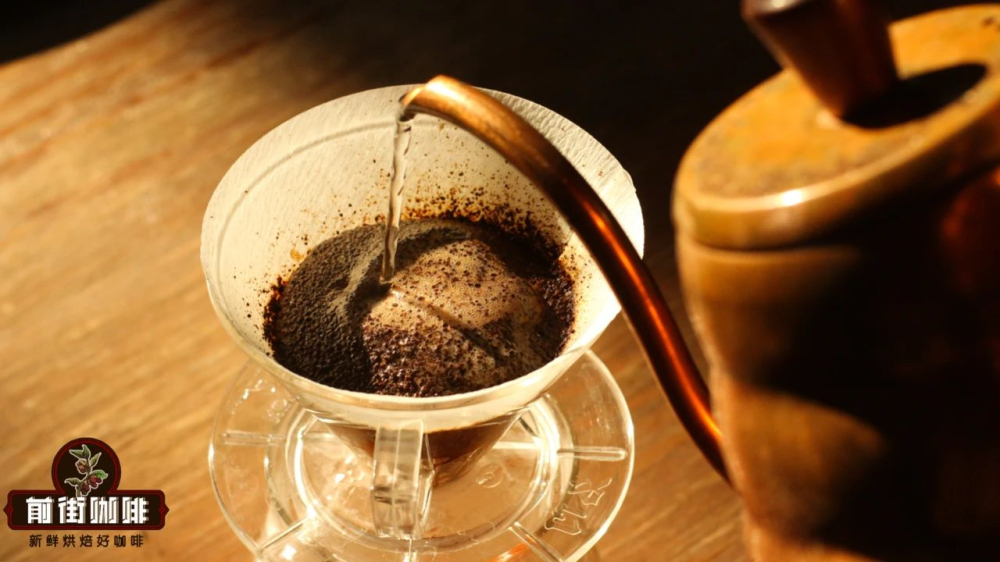
After tearing open the seal of the drip bag, gently shake it to distribute the coffee grounds evenly, then unfold the two side handles and hang the bag over the rim of the cup. The first step is pre-wetting — pour just enough water to saturate all the coffee grounds, then let it sit for about 20 seconds to allow the grounds to fully bloom and absorb water. This step effectively improves extraction efficiency afterward. If you prefer a stronger taste, you can extend this to 40 seconds. Then begin the main pouring phase. It’s recommended to use a thin, steady stream of water, keeping the water level around 80% full in the filter bag, and extract a total of about 150 to 180cc of coffee. Maintain a stable pouring rhythm to avoid uneven extraction caused by water flow that’s too strong or too weak.
Finally, here are a few key points to keep in mind when brewing with a drip bag: First, never re-brew, as the essence of the coffee is mostly released in the first round. Second, avoid letting the coffee grounds continue soaking in the cup after brewing to prevent over-extraction and bitterness. Third, do not drop the un-pre-wetted drip bag directly into the cup, as unstable water temperature at the start can negatively impact the overall extraction. By following these basic guidelines, you can enjoy a coffee experience with your drip bag that’s close to pour over.
The above content is compiled by CoffeeHunters, a coffee news website.


