







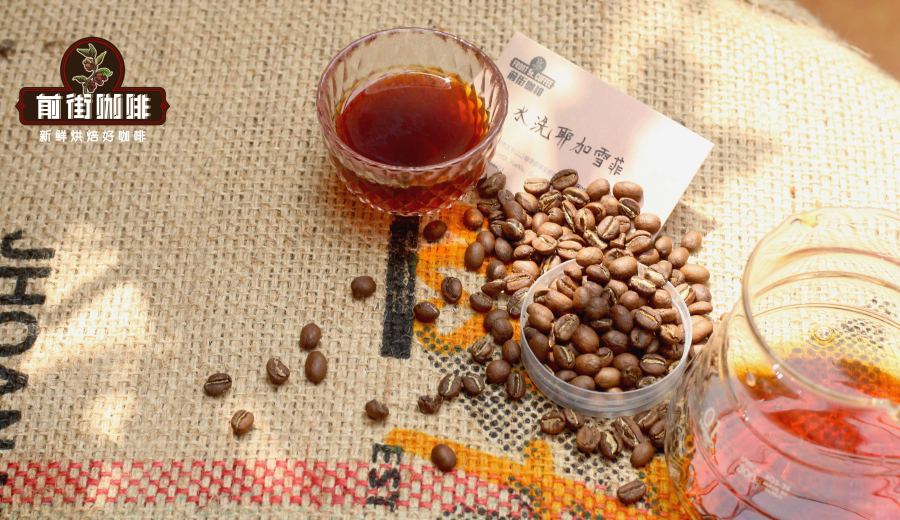
Introduction:Understanding how coffee roast levels affect flavor is the first step in selecting beans that suit your taste. From the bright acidity of light roasts to the rich sweetness of medium-dark roasts, each roast level has its own unique character. This article details the characteristics of light roast, light-medium roast, medium roast, and medium-dark roast—including appearance, Agtron values, drop temperature, and typical flavor profiles—along with practical brewing suggestions to help you find your ideal coffee experience.
Coffee roast level is one of the key factors that determine the flavor direction of a cup of coffee. From the refreshing acidity of a light roast to the intense chocolate and caramel aromas of a medium-dark roast, each roast level showcases different personalities and layers. Understanding these differences can help you choose the most suitable coffee beans and brewing method based on your preferences.
Light Roast CoffeeTypically appears light tan or with a cinnamon hue, hence also called Cinnamon Roast. These coffee beans have a lower development level, with a coarser texture on the surface, sometimes featuring dark spots, and almost no visible oil sheen. They are usually dropped just as the first crack begins, at a drop temperature of around 205–209°C, with Agtron values ranging from 70 to 80.
Light roast coffee is characterized bybright acidity and prominent floral and fruity aromas,often featuring refreshing notes like lemon and white floral tones. The overall mouthfeel is light and akin to fruit tea, with relatively low body, showcasing the coffee’s original terroir characteristics. However, if not executed well, this roast level can easily yield grassy or astringent notes. It is recommended to use higher water temperature and medium-coarse grind, such as with a pour over method, to better highlight its delicate flavors.
Light-Medium Roast CoffeeBeans are often chestnut or light brown in color, sometimes referred to as a light-medium roast. Such coffees are commonly found among honey-processed beans, with noticeably enhanced sweetness and reduced bitterness, making them suitable for various brewing methods including cold brew, American drip, and French press. They appear smoother than light roast beans, are typically dropped during the first crack’s dense phase, at around 210–214°C, with Agtron values between 60 and 70.
This roast level emphasizesbalanced acidity and sweetness with layered flavors,retaining some fruitiness while delivering a rounder mouthfeel and fuller body, ideal for those who prefer a mellow yet complex cup. Common flavors include berry, honey, and caramel notes in the foreground, best brewed with a medium-fine grind and moderate water temperature for a more balanced extraction.
Medium Roast CoffeeBeans usually appear reddish-brown or brown, also known as Medium Roast or City Roast. This type of coffee gradually showcases roast-derived flavors, with balanced acidity and bitterness, commonly used in everyday drinking blends. They have a glossy appearance and a rounded touch, typically dropped from the end of the first crack to the beginning of the second crack, at around 216–220°C, with Agtron values between 50 and 60.
The hallmark of medium roast coffee lies inits pronounced sweetness and nutty, chocolatey tones,with floral and fruity aromas taking a backseat to caramel, nut, and toasted notes. The overall mouthfeel is smooth and evenly layered. These beans are suitable for a variety of brewers such as pour over, French press, and siphon, and it is recommended to use a medium-fine grind and slightly lower water temperature to accentuate their rich character.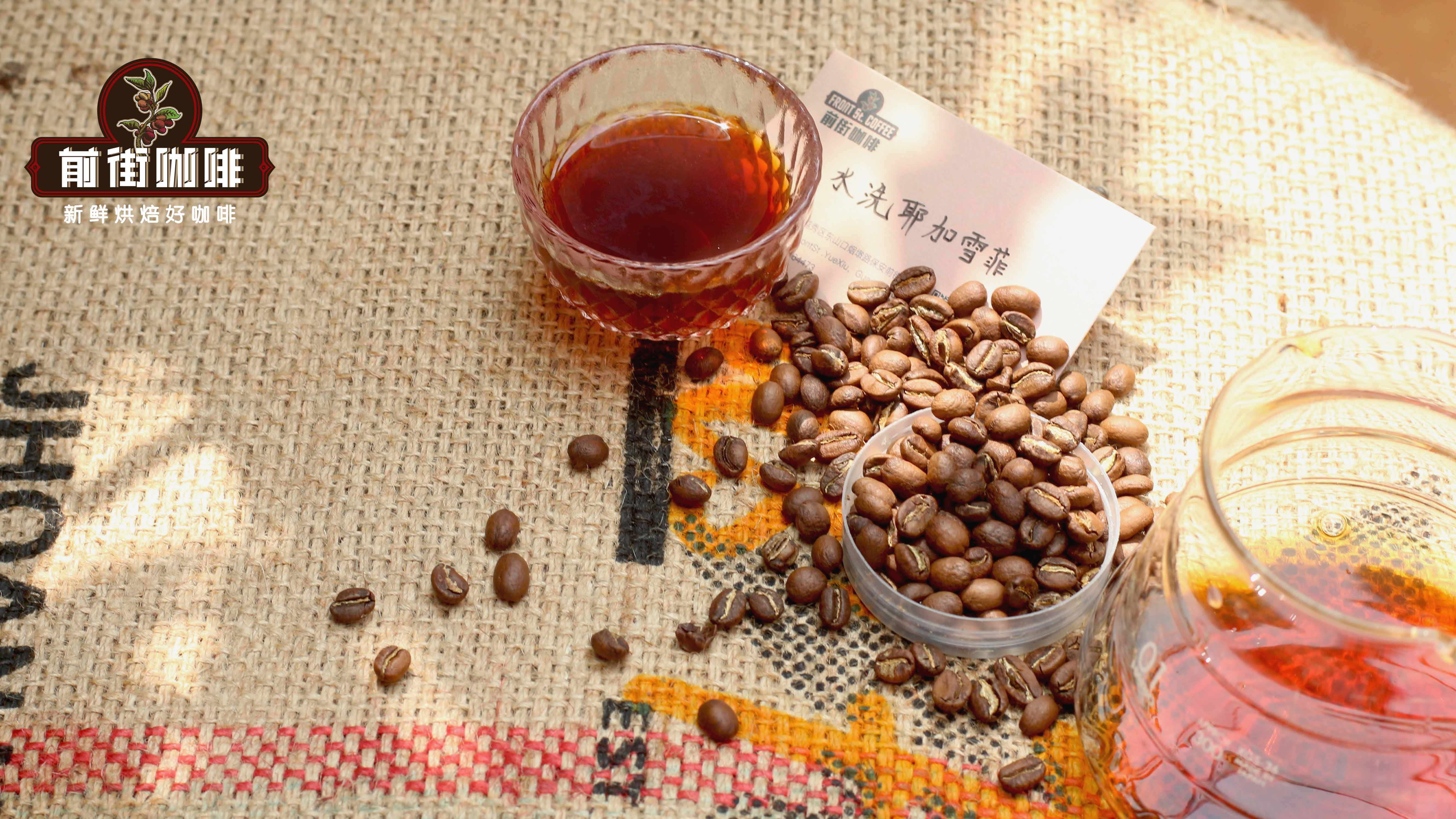
Medium-Dark Roast CoffeeBeans are dark brown or deep brown in color, also often called Dark City Roast or Vienna Roast. At this roast level, the original coffee flavors are significantly subdued, with an emphasis on roast-derived aromas such as dark chocolate, spices, almonds, and caramel. The appearance often has a glossy sheen, and may even show slight oiliness, dropped during the dense phase of the second crack, at around 226–230°C, with Agtron values ranging from 40 to 50.
These coffees feature bold and steady flavors, with acidity not prominent but sweetness and body exceptionally so, often carrying intense dark chocolate, spice, and caramel aromas, suiting drinkers who prefer a full-bodied cup. However, over-roasting can easily lead to smoky or charred notes. It is recommended to use a coarser grind and slightly lower water temperature for pour over brewing to avoid over-extraction and bitterness.
In summary, different roast levels deliver distinctly different flavor profiles, from bright fruitiness to deep roasted richness, each with its own charm. Understanding the characteristics of each roast level not only helps you select coffee beans more precisely, but also allows you to adjust brewing parameters according to personal preference, enjoying a richer coffee experience.
The above content is compiled by CoffeeHunters, a coffee news website.


