








Introduction:This article delves deep into Gesha Village Estate in Ethiopia’s Bench Maji Zone, tracing the origins and journey of the Gesha variety, introducing eight distinctive farms, three major Gesha cultivars, and the rigorous five-tier grading system. It also includes practical pour over parameters to help readers fully grasp the flavor potential and brewing essentials of this top-tier coffee.
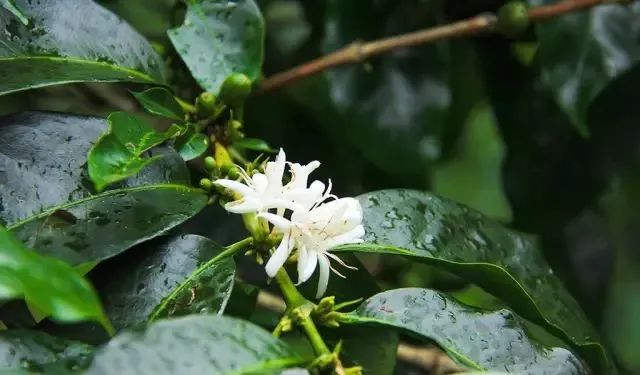
When it comes to Gesha, many immediately think of Panama, but the origin of this variety can actually be traced back to the Gesha Forest in Ethiopia. In 1931, this unique coffee variety was first discovered in southern Ethiopia, then migrated through Kenya, Tanzania, and other regions over decades of obscurity, before finally gaining worldwide fame in Panama at the beginning of the 21st century. However, to truly understand the essence of Gesha, we must return to its homeland — Ethiopia’s Bench Maji Zone and the village estate that bears its name.

The story of Gesha Village Estate began in 2007, when documentary filmmaker Adam Overton and his photographer wife Rachel Samuel were invited to Ethiopia to shoot a coffee-themed documentary. During their stay, they became acquainted with the Gori Forest and were deeply inspired, which led to the idea of establishing their own coffee estate. In 2011, with the help of coffee expert Willem Boot, they discovered wild Gesha variety plants in the legendary “Gesha Village” area, collected seeds from these wild coffee trees, and officially founded Gesha Village Coffee Estate in 2011.
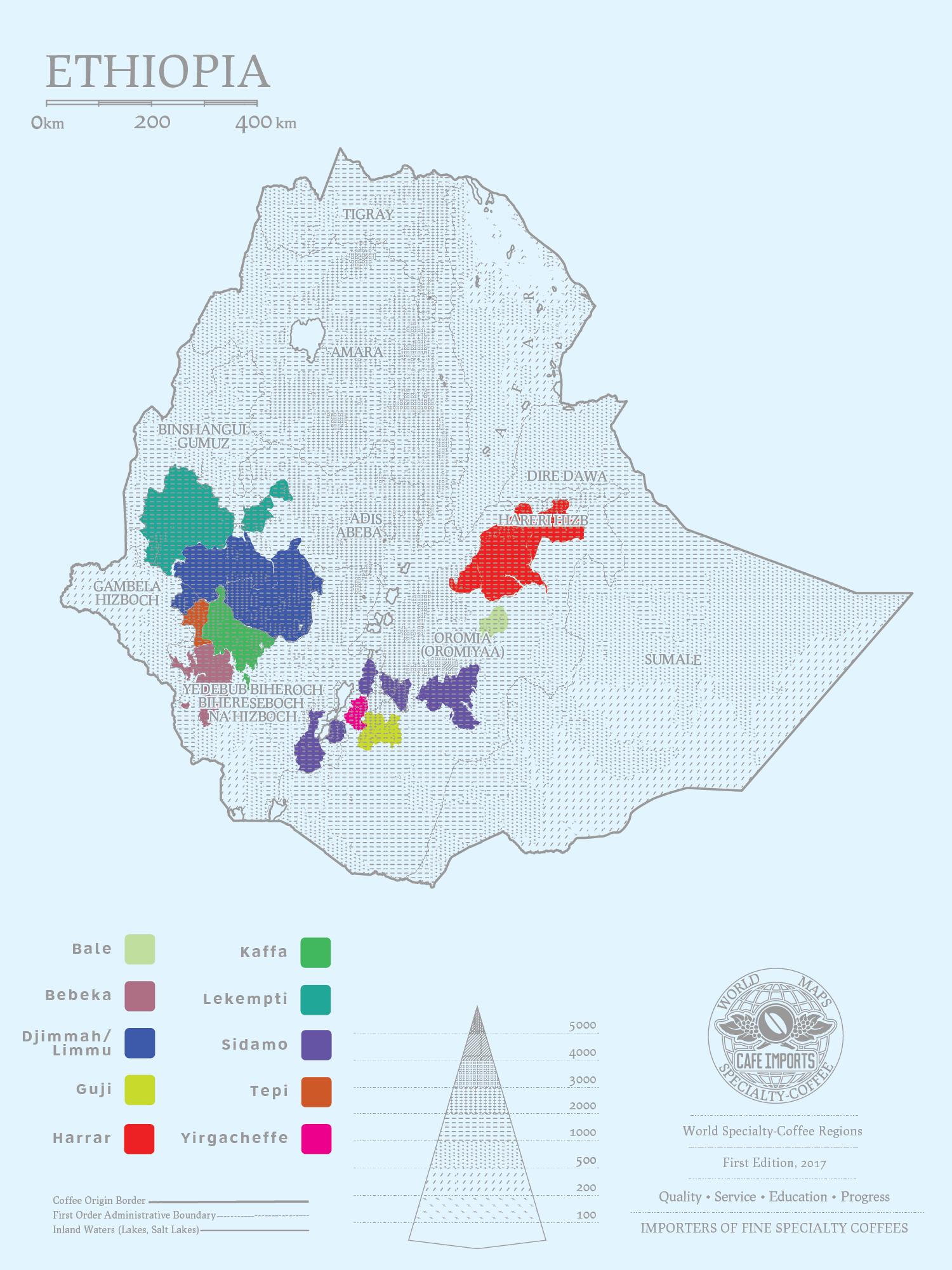
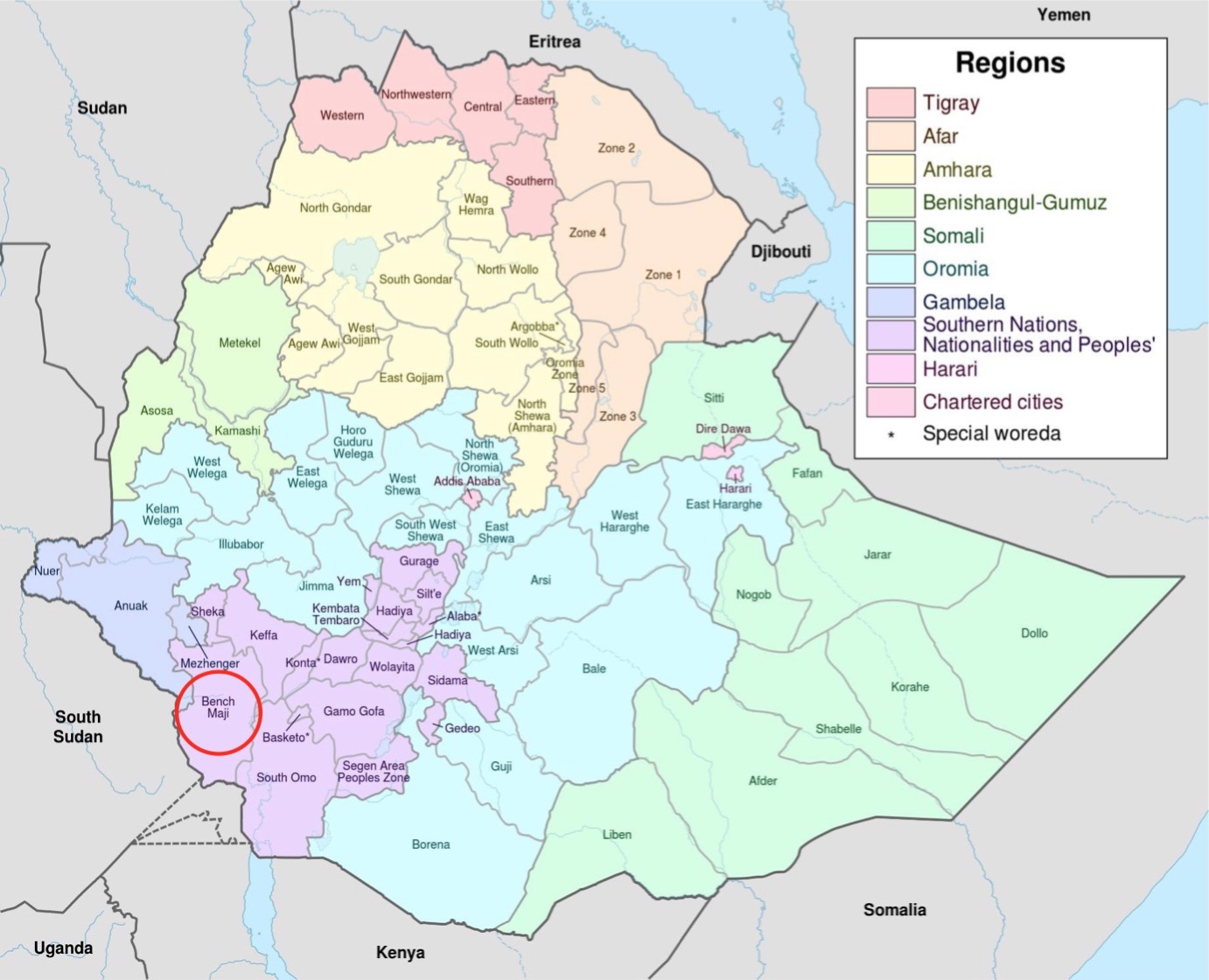
The Bench Maji Zone, sometimes also referred to as the Bench Sheko or Sheka Zone, is a vast region located in southern Ethiopia, covering an area of over 23,000 square kilometers and bordering Sudan and the Gambela Region. This area not only boasts a unique geographical environment, but also is home to the pristine forests where the Gesha variety originated. Gesha Village Estate is situated here, spanning 471 hectares, with approximately 320 hectares dedicated to coffee cultivation. The soil is nutrient-rich reddish-brown loamy soil, with a planting density of 7,000 trees per hectare, providing ideal growing conditions for coffee trees.
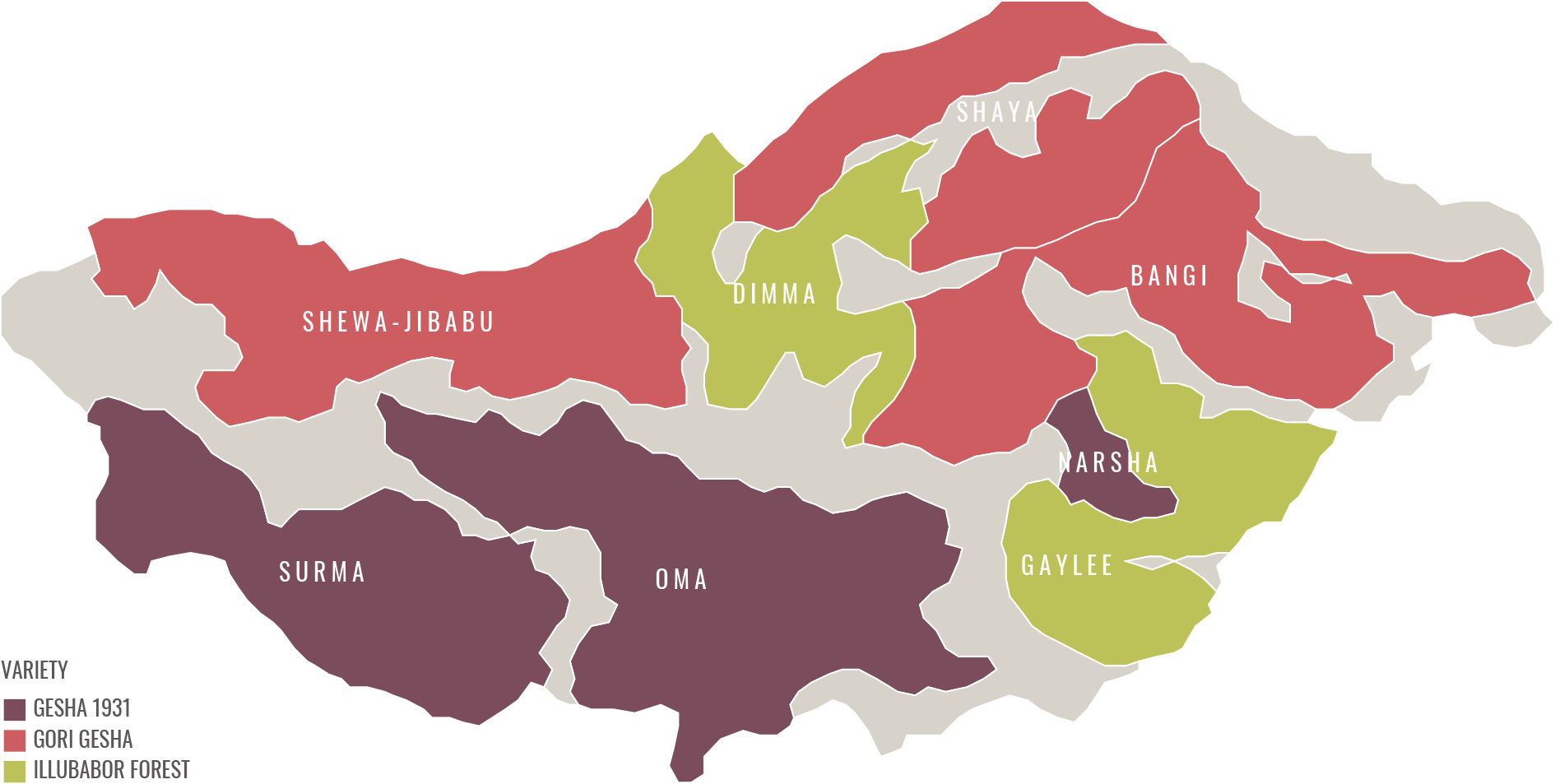
Gesha Village Estate is subdivided into eight farms: Bangi, Dimma, Gaylee, Oma, Narsha, Surma, Shewa-Jibabu, and Shaya. Each farm, due to subtle differences in altitude, microclimate, and soil, produces Gesha coffees with distinct flavor profiles. For example, Bangi Farm (1911–2001 meters) is known for its complex flavors of honeysuckle, spices, dark chocolate, and berries; Dimma (1966–2019 meters) is famed for its bright floral-fruity notes and sharp citrus acidity; Gaylee (1916–1982 meters), located near a water source, exhibits sweet tones of apricot, lemongrass, and hibiscus; while the higher-altitude Oma (1931–2040 meters) offers aromas of redcurrant and honey, with a smooth finish.
In addition to the above farms, Narsha (1963–1977 meters) is known for its bergamot and yellow fruit acidity; Surma (1909–2063 meters) showcases soft floral notes and strawberry-like tones; Shewa-Jibabu (1973–2069 meters) combines spices with various fruit flavors; and Shaya (1926–2069 meters) is favored for its rich profile of dark chocolate and orange juice. These nuanced differences allow Gesha Village Estate to offer a diverse and layered Gesha coffee experience.
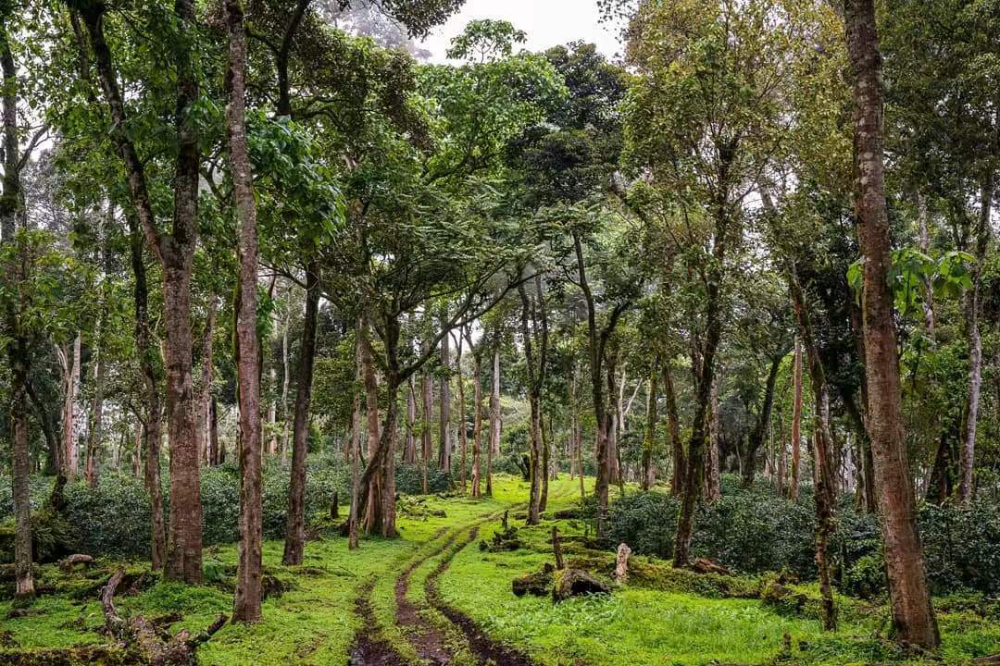
The Gesha varieties grown at Gesha Village Estate do not come from a single source, but rather consist of three main lineages: Gori Gesha (GG), Gesha 1931 (G31), and Illubabor Forest 1974 (IF). Among them, Gori Gesha directly originates from the original genetic diversity of the Gesha Forest; Gesha 1931 was selected through morphological and cupping evaluations, closely resembling the renowned Gesha variety from Panama; and Illubabor Forest 1974 was discovered in 1974 by an expedition team in Ethiopia’s Illubabor Forest, later cultivated by research institutions. It boasts good disease resistance and is one of the key stable-producing varieties at Gesha Village.
To ensure product quality, the estate has established a strict internal grading system, divided into five major categories: Auction, Gold, Red, Green, and Chaka lots.Auction LotAccounting for just 3.7% of annual production, these lots undergo rigorous selection and are highly sought after by top collectors and auction participants. In 2018, auction scores ranged between 88.15 and 92.67, further divided into Champion Selection and Estate Selection.Gold LotMaking up about 10% of production, these lots feature complex and highly distinctive flavors, suitable for coffee competitions or high-end roasting. A common example from the estate is the Oma block 059 batch.Red LotComprising around 15% of production, these lots score over 88 points in cupping, with pronounced flavors and great value, making them a popular choice among many coffee enthusiasts.Green LotThese are traceable single-block and single-variety lots, ideal for consumers wanting to explore the specific characteristics of the growing area.Chaka LotThese are blends of multiple varieties and blocks from across the estate, including both washed and natural processed coffees, offering a more accessible and diverse drinking experience.

If you’d like to try pour over brewing with Ethiopian Gesha Village Estate coffee at home, here is a set of recommended parameters: use 15 grams of coffee, a 1:15 coffee-to-water ratio, water temperature at 90°C, and a grind size of 80% passing through an 0.85mm sieve (approximately medium-fine). Use a Hario V60 #01 filter. Brewing steps are as follows: First, pour 30 grams of water for a 30-second bloom; second, pour 95 grams of water to reach a total of 125 grams, taking about 1 minute; third, pour another 100 grams to reach 225 grams total, finishing around 1 minute 30 seconds; the total brew time is about 2 minutes, then remove the filter and enjoy. These parameters will fully highlight the delicate aroma and layered flavors of Gesha.
The above content is compiled by CoffeeHunters, a coffee news website.


