







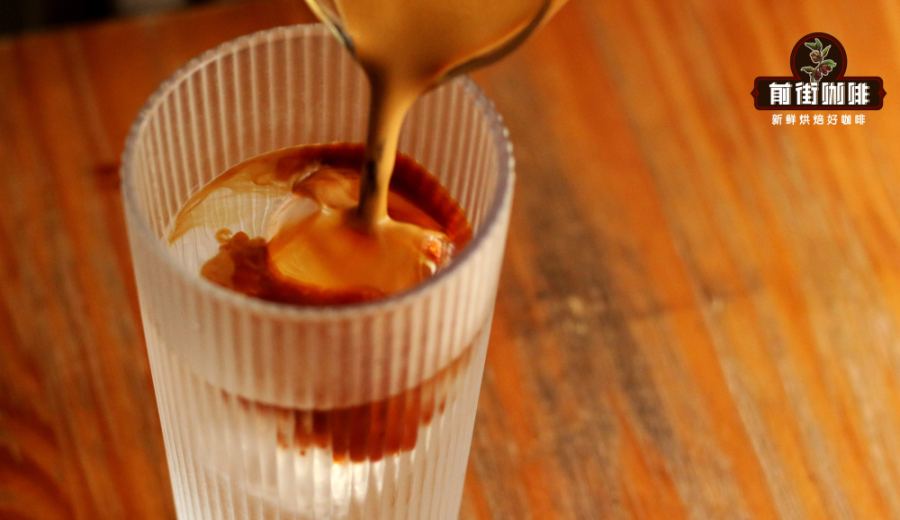
Introduction:Both Blue Mountain and Mandheling are dark roasted coffee beans, but their flavor profiles and origin backgrounds are completely different. This article provides an in-depth comparison of Jamaican Blue Mountain and Indonesian Golden Mandheling in terms of growing environment, grading system, and processing methods, along with hands-on tested pour over parameters to help you choose the right coffee beans based on your taste preferences and extract rich, smooth espresso-like flavors using the correct technique.
Blue Mountain and Mandheling are both representatives of bold, rich flavors among coffee enthusiasts. However, they actually differ significantly in origin, variety, processing method, and final flavor expression. Understanding their characteristics can help you make more precise choices based on personal taste preferences and also apply the right brewing method to bring out the potential of each bean.
[Jamaican Blue Mountain Coffee: A Premium Bean Nurtured by High Mountain Mists]
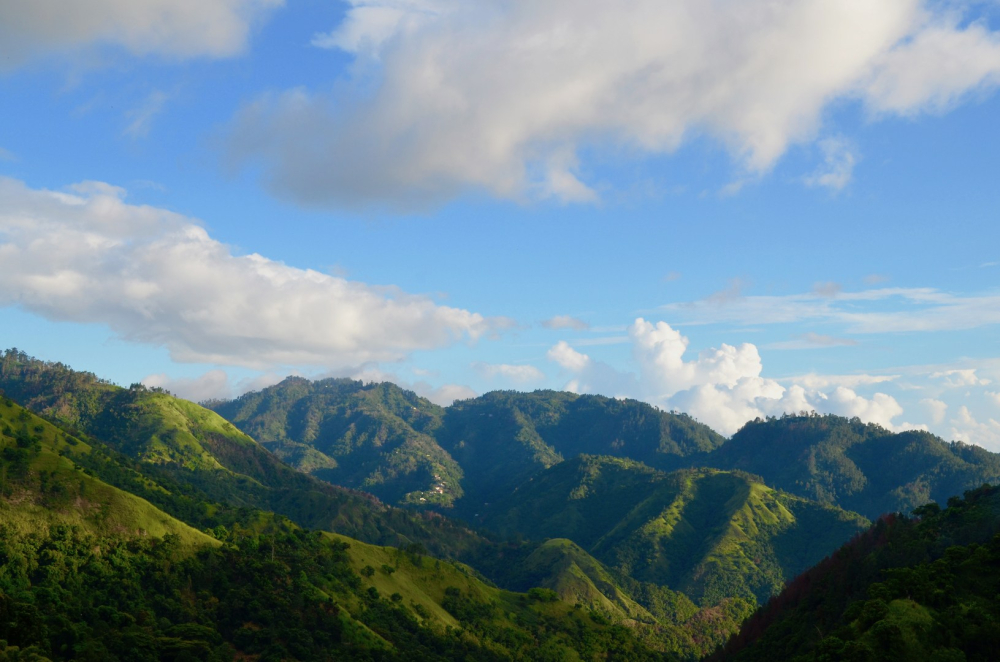
The fame of Blue Mountain coffee stems from its uniquely advantageous geographical environment. The beans are grown in the Blue Mountains of eastern Jamaica, surrounded year-round by the Caribbean Sea. The humid, foggy climate, fertile volcanic soil, and moderate sunlight create a coffee with delicate and layered flavors. It’s worth noting that only coffee beans grown at altitudes between 1,000 and 1,700 meters qualify to be called "Jamaican Blue Mountain Coffee."
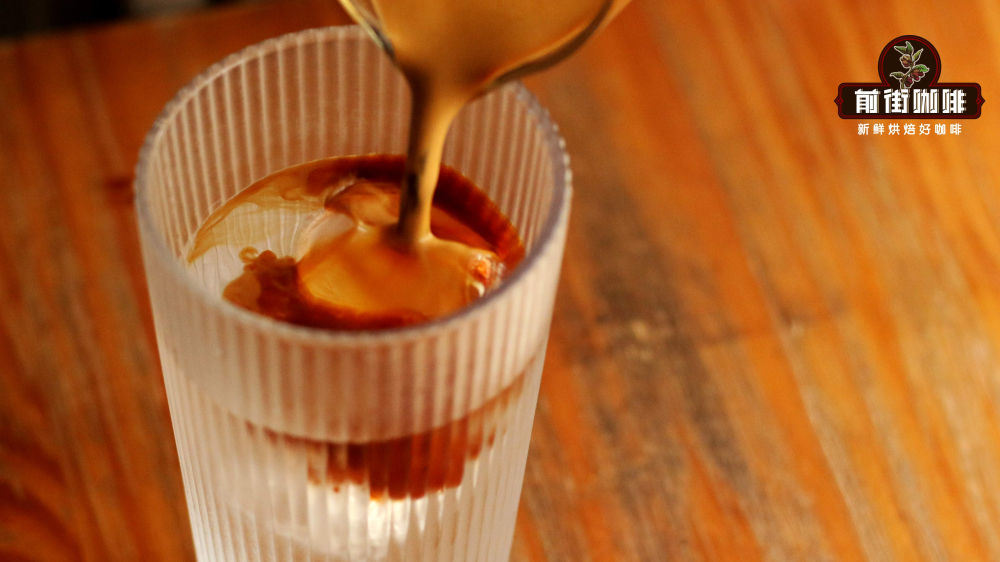
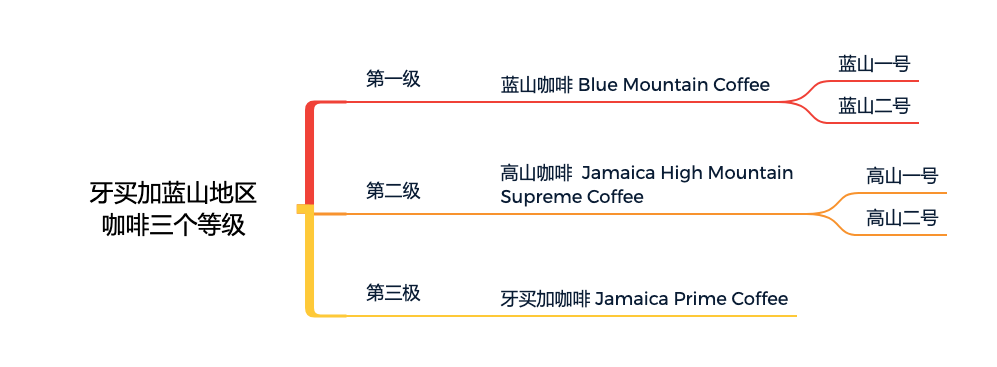
According to the standards of the Jamaica Coffee Industry Board (CIB), Blue Mountain coffee is further divided into four grades: No.1 to No.3 and PB (Peaberry). Among them, No.1 is the highest grade, featuring uniformly plump beans with an extremely low defect rate, a balanced acidity-sweetness-bitterness profile, and a rich, mellow aroma. A well-known coffee merchant’s offering of Blue Mountain beans belongs to the No.1 grade, sourced from the Clifton Estate at an altitude of 1,310 meters, processed using the washed method, and presenting an excellent balance of nutty and chocolatey notes.
It’s common in the market to confuse "Blue Mountain coffee," "Blue Mountain flavor," and "Blue Mountain blend." Consumers should pay attention to whether the product comes with official Jamaican certification documents, a certificate of origin, and the signature Blue Mountain wooden barrel packaging to ensure they’re purchasing genuine beans. Blue Mountain No.1 is not only a standout in the specialty coffee world but also a prized bean among many baristas.
[Indonesian Mandheling: Bold Character Brought Out by Wet-Hulling]
When Mandheling is mentioned, people often think of the tropical rainforest region of Sumatra. Interestingly, the term "Mandheling" actually originated from a misunderstanding—it originally referred to an ethnic group in Indonesia but became synonymous with this dark roasted bean due to its popularity in the Japanese market during the colonial period.
Among the various types of Mandheling, "Golden Mandheling" is one of the most renowned grades, although this name has been registered as a trademark by Indonesia’s PWN company, and only products made by this company can be officially called such. PWN Golden Mandheling uses the Ateng variety, processed via wet-hulling, and undergoes three rounds of manual sorting, keeping only beans larger than 18 mesh with minimal defects, graded as G1. This strict selection process results in a clean cup with a noticeable sweetness and aromas of herbs and spices after brewing.
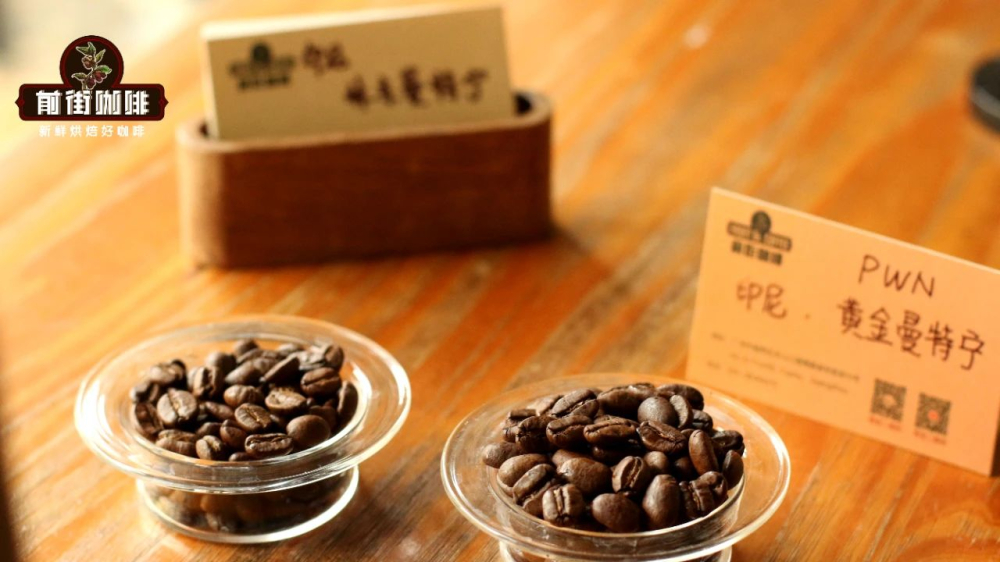
To identify genuine PWN Golden Mandheling, you can request the certificate of origin and photos of the raw bean sacks from the seller. Compared to regular Mandheling, which often carries earthy or off-flavors, the PWN version is noticeably purer, with more pronounced melon and caramel undertones—making it an excellent choice for dark roast lovers.
[Pour Over Recommendations: Use the Right Parameters to Bring Out Dark Roast Charm]
Both Blue Mountain and Mandheling are dark roasted beans. It’s recommended to use tools with immersion effects, such as the KONO filter, to achieve more stable extraction and avoid over-extraction that leads to burnt bitterness. Tested recommended parameters are as follows: water temperature around88°C, coffee dose15 grams, coffee-to-water ratio1:15, with a grind size best set to a 20-mesh Chinese sieve passing rate of70%to highlight the rich character of dark roast beans.
Specific steps are suggested as follows: start by pouring 30 grams of hot water fora 30-second bloomto allow the coffee grounds to release carbon dioxide; then pour water in fine streams in circular motions from the center outward until reaching125 grams, wait for the water level to drop, then continue pouring up to225 grams, with total brew time controlled around2 minutes. These parameters fully highlight the nutty, chocolatey, spicy, and caramel flavors of both Blue Mountain and Mandheling while minimizing issues of over-extraction.
It’s particularly important to note that once ground, dark roast beans lose their flavor relatively quickly. It’s advised to use them within 5 days of purchase and to grind them just before brewing to achieve the best flavor. If you’ve just received freshly roasted beans, let them rest for 4 to 7 days to complete the degassing period. Once the CO₂ has sufficiently dissipated, it will be easier to consistently extract their charming, rich flavors.
Overall, Blue Mountain coffee presents a premium quality with a balanced acidity-sweetness-bitterness profile and delicate notes of nuts and chocolate. In contrast, PWN Golden Mandheling excels in bold richness with sweet herbal and spicy aromas, and even develops subtle melon and spice undertones upon cooling. Both have their unique strengths, and you can choose based on personal preference. With the right pour over technique, their distinctive charm can be fully appreciated.
The above content is compiled by CoffeeHunters, a coffee news website.


