








Introduction:Delve into how Pacas, a natural Bourbon mutation originating from El Salvador, evolved from its discovery and varietal characteristics to its cultivation environment in Honduras' key growing regions, with a focus on a specialty coffee that blends Pacas and undergoes whiskey sherry cask fermentation. This article provides detailed regional background, roast profiles, as well as three practical pour-over methods—V60, KONO, and Japanese iced pour-over—and their corresponding flavor profiles, serving as an entry guide for coffee enthusiasts to understand Pacas and specialty processing methods.
Pacas is a natural mutation of the Bourbon variety originating from El Salvador, later introduced to Honduras where it has gradually become one of the region's important cultivated varieties. This article will thoroughly trace the origin and evolution of Pacas, introduce Honduras as a key Central American coffee-producing country—including its geographical conditions, the development trajectory of coffee cultivation, the distribution of its six major producing regions, and the main cultivars grown locally. Additionally, we conducted a hands-on evaluation of a specialty coffee bean from Honduras that blends the Pacas variety and is processed with whiskey sherry cask fermentation. From roast parameters to actual operations and flavor results using the V60, KONO filter, and Japanese iced pour-over, this guide takes you on a comprehensive journey to understand this uniquely flavored coffee.
 Belonging to the Bourbon family, Pacas is a natural mutation of the Bourbon variety, first emerging in El Salvador before spreading to neighboring Honduras. In some specialty processed coffees—such as blends undergoing whiskey sherry cask fermentation—Pacas is often used as one of the blending components, contributing clear floral notes, bright acidity, and a surprising wine-like finish. In cupping, such coffees often display soft fruit acids and rich aromatics, particularly with the whiskey barrel notes being especially expressive at high temperatures. As the temperature drops, the acidity becomes more vibrant while the winey character persists, resulting in a drinking experience full of sweet and sour interplay and layered complexity.
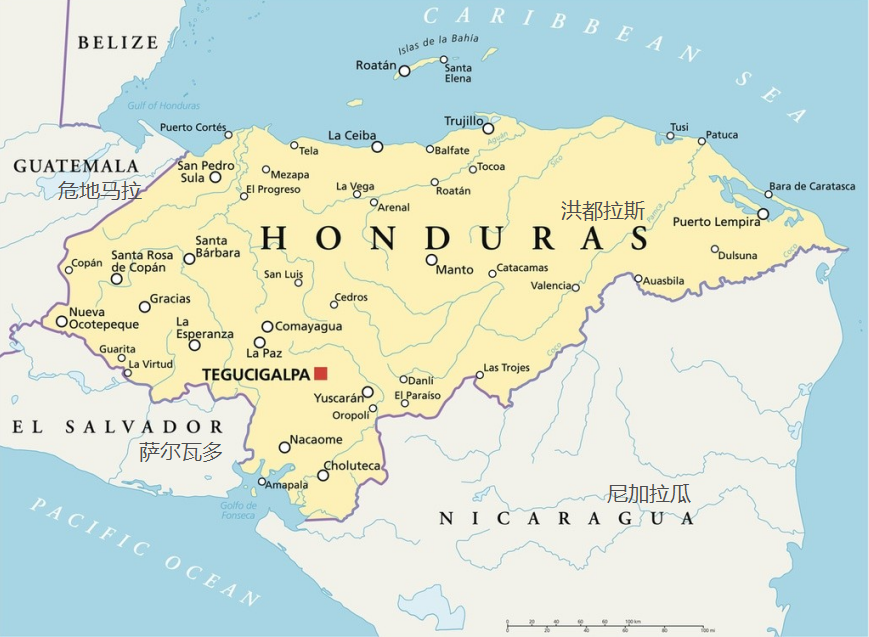
Honduras is located in northern Central America, bordered by the Caribbean Sea to the north, the Pacific Ocean’s Gulf of Fonseca to the south, and neighboring Nicaragua, El Salvador, Guatemala, and—again—Guatemala. The country is predominantly mountainous and plateau terrain. It has a tropical climate with moderate temperatures and abundant rainfall, providing an ideal environment for coffee trees. In terms of production potential, Honduras’ climate and geography are no less favorable than those of neighboring Guatemala and Nicaragua. The nation’s coffee-growing area spans 280,000 hectares, most of which are small farms under 3.5 hectares in size. These smallholder farms collectively contribute about 60% of the country’s total coffee output.
Honduras’ coffee cultivation history dates back to the early stages when seeds were introduced from El Salvador. Initially, the industry developed steadily until 1975, when Brazil experienced a severe frost that led to a global coffee shortage. Honduras seized the opportunity, rapidly increasing production from 500,000 bags to 1.8 million bags and earning high market acclaim. Since then, the country’s coffee industry has officially entered a period of rapid growth. It now ranks second in coffee exports in Central America, only behind Guatemala, with major export markets including the United States and Germany.
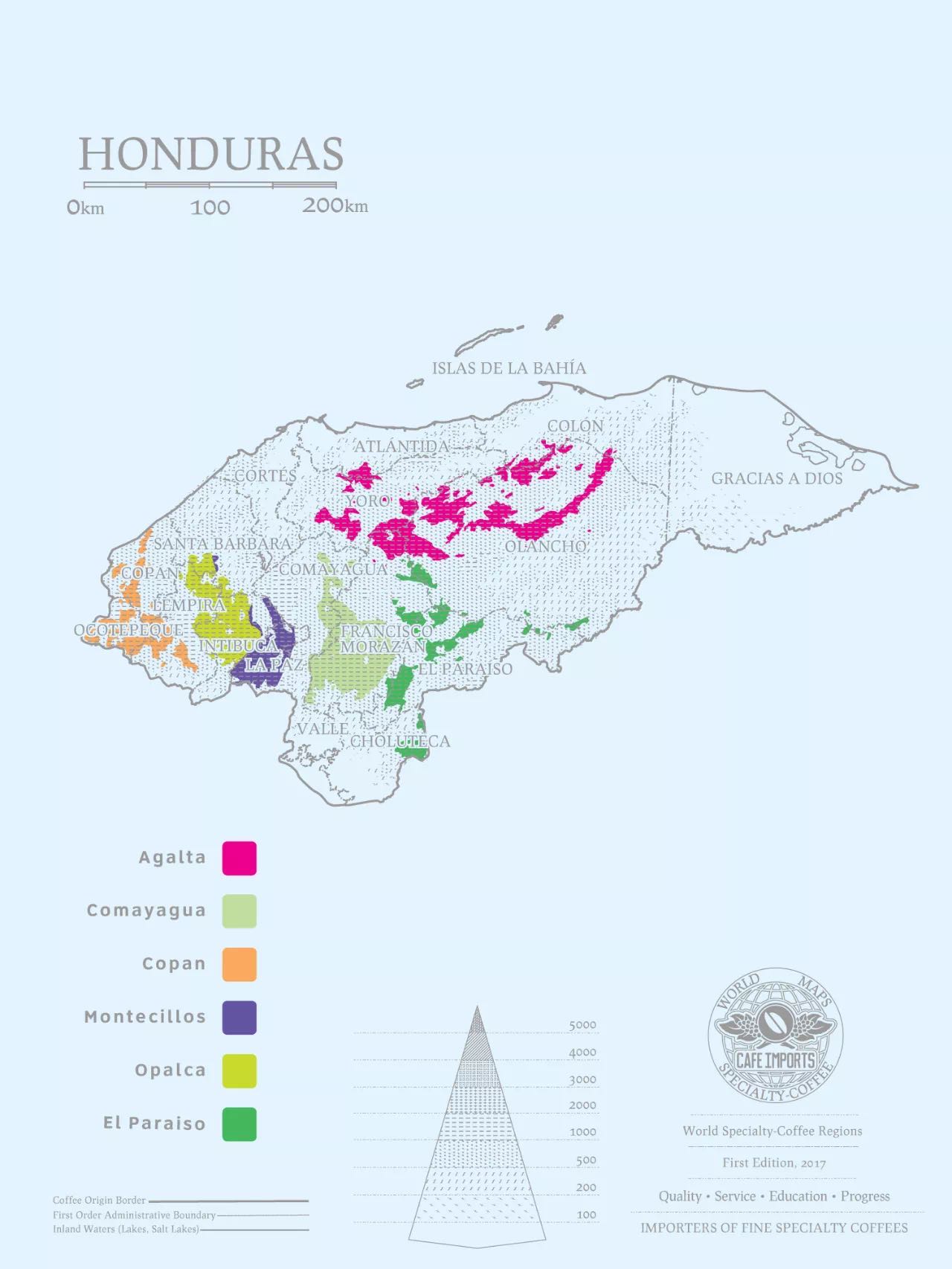
 Honduras’ coffee-growing regions are primarily concentrated in the western and southern parts of the country. The nation is divided into six major producing regions: Copán, Opalaca, Montecillos, Comayagua, Agalta Tropical, and El Paraíso. The average planting altitude across these regions is all above 1,100 meters, and the high-elevation environment helps coffee cherries ripen slowly, accumulating richer flavor compounds.
In terms of varieties, Honduras mainly cultivates Arabica coffee, with common varieties including Bourbon, Caturra, Catuai, Typica, and the natural Bourbon mutation—Pacas. Pacas is a single-gene mutation of Bourbon, related to Brazil’s Caturra and Costa Rica’s Villa Sarchi. This mutation gives Pacas a denser plant structure, effectively increasing yield per unit area while retaining the bright floral aroma and full body characteristic of the Bourbon family.
The Pacas family played a pivotal role in the history of El Salvador’s coffee development. As early as the 19th century, members of the Pacas family began engaging in coffee cultivation, with Jose Rosa Pacas being the first to purchase land in the Apaneca Lamatepec mountains to grow Bourbon coffee, laying the foundation for the family business. To this day, the Pacas family has been passed down to the fifth generation and continues to thrive in the coffee industry.
The Pacas variety was first discovered in 1949 in El Salvador’s Santa Ana region, observed by Fernando Alberto Pacas Figuero of the Pacas family at Finca San Rafael farm, where he noticed a group of plants with unusual morphology. He immediately began collecting seeds and conducting preliminary selection, even setting up a dedicated ~0.75-hectare “pioneer nursery” for Pacas. In 1956, with the assistance of University of Florida professor William Cogwill, Fernando’s son and another researcher, Francisco de Sola, conducted in-depth studies on the variety. They found it had shorter internodes and larger fruiting areas, showing significant differences from traditional Bourbon. Eventually, it was officially named “Pacas.”
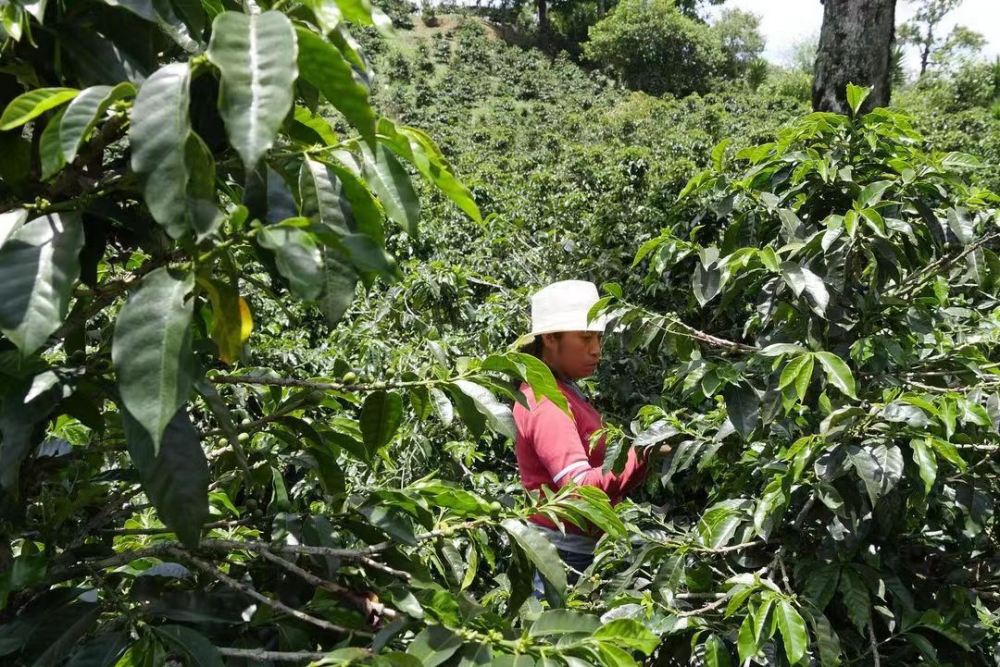 The star of this hands-on evaluation—a specialty coffee from the Mazagualá region of Honduras, grown at elevations between 1,500 and 1,700 meters, produced at Finca Mocha. Its variety blend includes Caturra, Catuai, and Pacas, and it employs an innovative processing method combining meticulous washed processing with whiskey sherry cask fermentation. Its roast profile is as follows: charge temperature 190°C, turnaround point reached at about 1 minute 42 seconds at 97.5°C, yellowing point at 5 minutes 25 seconds and 151.8°C, first crack beginning at 9 minutes 07 seconds and 184.2°C, with 2 minutes 10 seconds of development after first crack, and final drop at 195°C—fully showcasing a balance between sweetness and complex aromatics.
The actual pour-over tests include three common filter types and techniques: First is the Hario V60. Targeting its vanilla cream and berry flavor profile, a medium-fine grind (80% passing through a Chinese standard 20-mesh sieve, approximately BG 5R) was used, with a 1:15 powder-to-water ratio and 90°C water temperature. The bloom phase involved wetting the coffee bed with twice the powder weight (~30g) for about 30 seconds, followed by a slow center pour to 125g before pausing, then continuing the pour to 225g to finish. Total extraction time was about 1 minute 40 seconds. Flavor notes included distinct berry acidity paired with vanilla and dark chocolate as dominant tones, with a finish of wine-like aroma and cane sugar sweetness, offering clear layering.
The second filter choice was the KONO, whose short rib design extends water-coffee contact time, making it suitable for beans emphasizing balance and sweetness. The same medium-fine grind and 1:15 powder-to-water ratio were used, along with 90°C water temperature, with the same bloom process. The pouring was split into 125g and 225g stages, with a total extraction time of about 1 minute 58 seconds. This method highlighted soft citrus acidity and purple fruit aromas, with a mid-palate showing toffee and vanilla sweetness, and a finish intertwining wine and chocolate notes.
The third method was Japanese iced pour-over, using the V60, with 100g of ice pre-placed in the server to rapidly cool the coffee liquid via hot water brewing. The powder-to-water ratio was adjusted to 1:10 (hot water to coffee grounds), using a medium-fine grind (80% passing 20-mesh sieve), 15g of coffee, and the same 30g bloom water for 30 seconds. The pour was split into 100g and 150g stages, with a total time of about 1 minute 41 seconds. This technique brought out pronounced fermentation aromas and tropical fruit character, with entry flavors including citrus, vanilla, and nuts, and a finish as refreshing and lingering as oolong tea.
The above content is compiled by CoffeeHunters, a coffee news website.


