







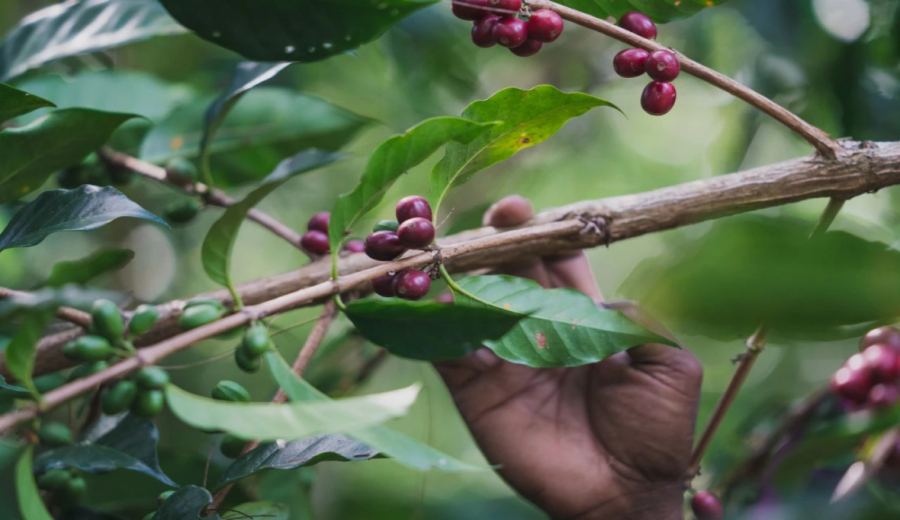
Introduction:An in-depth analysis of Papua New Guinea’s Typica coffee beans, often hailed as the “Little Blue Mountain,” covering its history of introduction in 1931, high-altitude volcanic soil environment, and triple-washed fermentation process—while detailing its similarities and differences with Jamaican Blue Mountain. This article also uses Sigri Estate as an example, providing professional roasting profiles, Kono dripper pour over parameters, and cupping flavor notes to help you fully master the brewing essentials of this unique origin bean.
When it comes to “Blue Mountain-level” quality in specialty coffee, many people immediately think of Jamaican Blue Mountain. However, on the other side of the Pacific, Papua New Guinea also produces a coffee bean often referred to as the “Little Blue Mountain.” With its elegant acidity and clean profile, it has carved out a niche in the global specialty coffee market. This article will comprehensively dissect this Typica variety with a special backstory—from its planting origins, environmental conditions, and processing techniques, to practical cupping insights and brewing recommendations.
The history of coffee cultivation in Papua New Guinea dates back to 1931, when the region, then a British colony, introduced the most iconic Typica variety from Jamaica—the same genetic lineage as Blue Mountain. This move was closely tied to the political and cultural context of the time: Britain’s long-standing rule over Jamaica, along with its friendly relations with Australia, allowed these Typica seedlings to take root in the New Guinea Highlands. Later, in 1950 and 1962, Bourbon was introduced from Kenya, and New World and Caturra varieties were brought in from Brazil, gradually enriching the local varietal diversity and raising the overall quality foundation.
Papua New Guinea’s geographical conditions are considered an ideal cradle for Arabica coffee. The country is predominantly mountainous, with major producing regions concentrated between 1,500 and 1,900 meters above sea level—similar to the elevation of the Blue Mountain region. The area features volcanic terrain with rich, mineral-laden soils, coupled with evenly distributed, abundant rainfall throughout the year, providing an excellent microclimate for coffee tree growth. Although Papua is located at 6° south latitude—closer to the equator than Blue Mountain at 18° north—it still manages to produce coffee beans with pronounced fruit acidity and complex aromas, thanks to the cooling effect of high altitude.
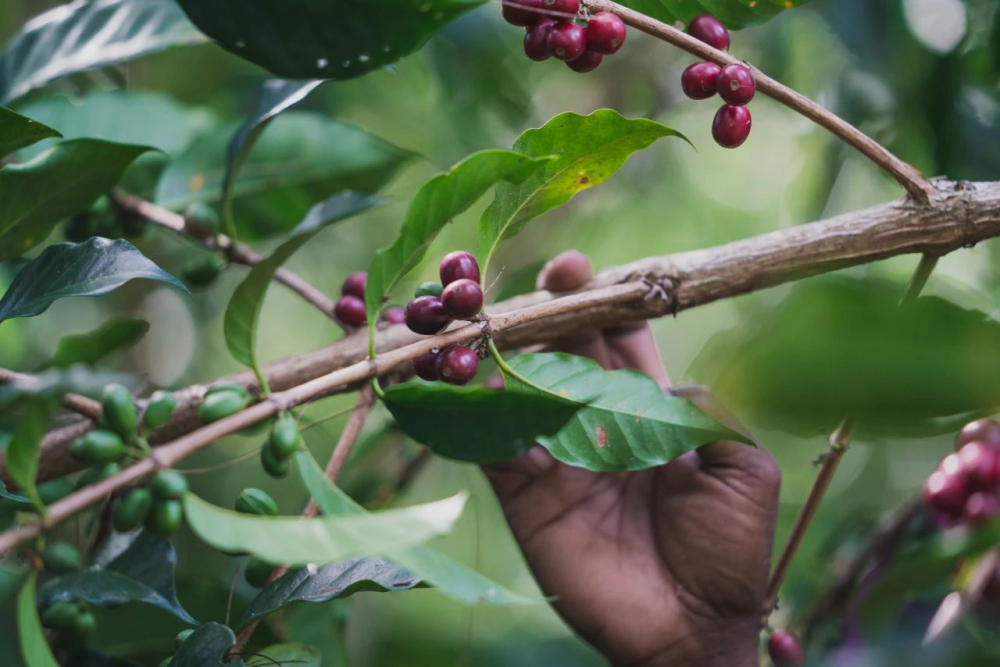
When discussing the varietal characteristics of Papua New Guinea coffee, Typica is undoubtedly the star player. As one of the most classic Arabica varieties, Typica boasts elegant acidity and delicate floral notes, but it also comes with low yield and weak disease resistance, requiring more meticulous management. Its top leaves are copper-red in color, earning it the nickname “red-top coffee,” and it serves as the base variety for many high-quality specialty coffees. Papua New Guinea’s Typica, introduced from Jamaican Blue Mountain and grown at similar altitudes with comparable processing environments, has earned the title “Little Blue Mountain.” However, upon closer tasting, one can detect a more pronounced dark fruit acidity and sweetness.
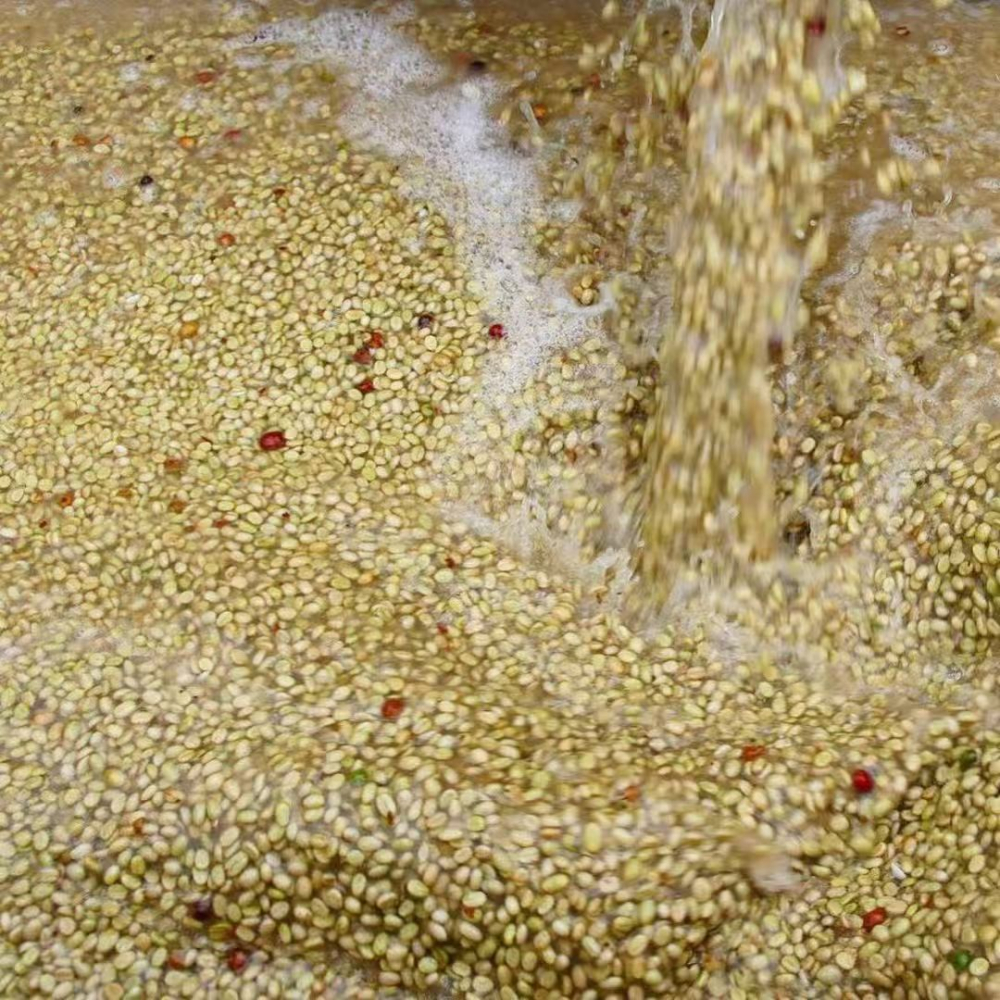
The coffee processing method in Papua New Guinea is one of the key factors shaping its flavor profile. Unlike many other producing regions, the area employs a unique “triple-washed fermentation” technique: after harvest, the coffee cherries undergo three separate soaking fermentations, each lasting about 24 hours, with fresh water changed each time to precisely control fermentation flavors. This elaborate process effectively reduces impurities and undesirable fermentation notes, while highlighting bright fruit acidity and layered mouthfeel. After washing, the beans are depulped, sorted, and ultimately present as clean, smooth, and long-finishing.
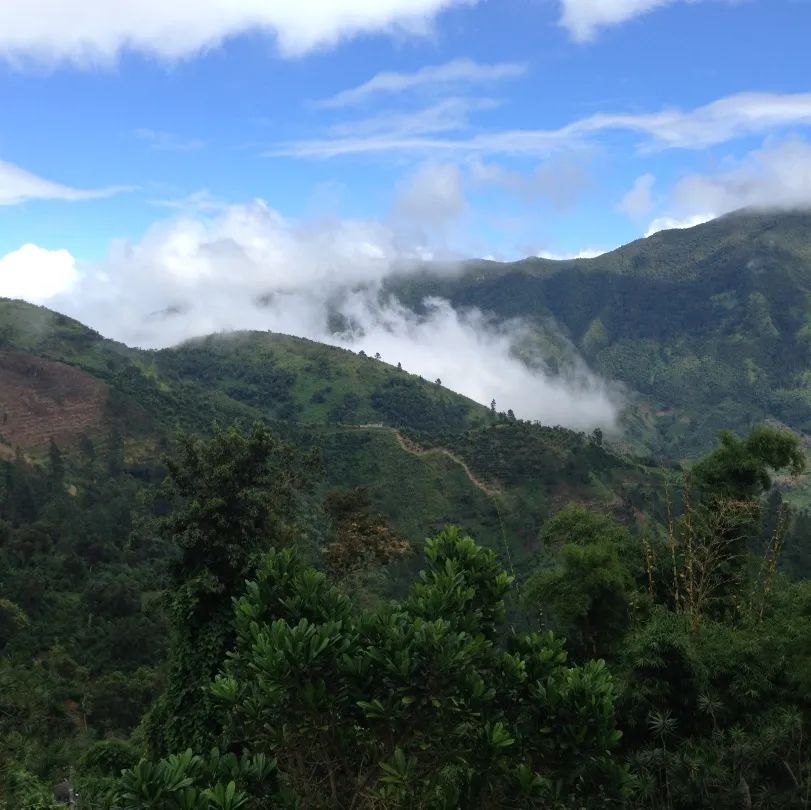
Taking a deeper look at a representative estate in Papua New Guinea, “Sigri Estate (Heavenly Bird Estate)” stands as a model for the country’s coffee industry. The estate’s name is derived from the bird of paradise, a symbol of freedom and sacredness in local culture—and also the national bird of Papua New Guinea. It is recorded that up to 90 bird species inhabit the estate, indicating an exceptionally rich ecosystem. Established in 1950, Sigri Estate is located in the Waghi Valley of the Western Highlands Province, at an altitude of 1,600 to 1,800 meters. It benefits from fertile volcanic soils, a cool climate, and strict ecological management—refusing the use of pesticides to ensure the purity and sustainability of its coffee.
During the harvest season (April to September each year), the estate picks only fully red-ripe coffee cherries to ensure optimal sugar levels and balanced acidity and sweetness. The 2020 crop of green coffee beans featured plump appearance and vibrant green color, representing high quality. These details contribute to the unique market position of Sigri Estate’s Typica coffee, as well as the key to its stable and elegant flavor performance.
For Sigri Estate’s Typica coffee beans, a medium roast is recommended to enhance its bright acidity and fruity character. Specific roasting curve reference: charge temperature at 170°C, air vent set to 3, flame power maintained at 140, with a turnaround point around 1 minute and 36 seconds. When the temperature reaches 151°C (approximately 6 minutes and 25 seconds), the bean surface turns yellow and grassy notes fade—this is when you can adjust the air vent and flame to gradually induce aroma transformation before first crack. First crack begins around 10 minutes and 08 seconds at a temperature of 188°C, and the beans are dropped at 198.5°C, three minutes into first crack development, to preserve the maximum amount of flavor detail and balanced acidity and sweetness.
Cupping results (conducted 8–24 hours post-roast, using a 200ml ceramic bowl, water at 94°C, grind size passing 70–75% through a #20 sieve, 1:18.18 coffee-to-water ratio, extracted for 4 minutes) show that this coffee offers prominent caramel and citrus aromatics in the dry fragrance, while the wet aroma carries layers of spices. On the palate, the dominant flavors are citrus, nuts, and cocoa, with soft acidity and good balance, a notable sweetness, and compared to Jamaican Blue Mountain, a slight added spiciness. The overall profile is refreshing and layered.
For actual pour over brewing, the Kono dripper is recommended. Its low ridge design effectively reduces airflow and extends water-coffee contact time. Using water at 89°C and a 1:15 coffee-to-water ratio (15g coffee to 225ml water) can fully extract a rich mouthfeel and delicate flavors. Suggested brewing steps: start with a 30-second bloom using 30g of water, then pour in small streams until reaching 125g for the first pour, and continue pouring to 225g just before the coffee bed is exposed, keeping total brew time around 2 minutes. This method highlights a sweet, toast-like profile, nutty tones, and a subtle balance of fruity acidity, with a long-lasting finish and a unique spicy sweetness.
The above content is compiled by CoffeeHunters, a coffee news website.


