








Introduction:Many coffee beginners’ first impression of espresso is that it’s “bitter,” but in fact, by mastering the correct extraction parameters and tasting methods, you can uncover its rich and layered flavors. This article will analyze the sources of espresso bitterness, the key elements of ideal extraction, how to properly enjoy this concentrated essence, and recommend high-quality coffee bean blends suitable for making espresso — helping you progress from a beginner to a more informed espresso enthusiast.
Espresso, or Italian-style concentrated coffee, serves as the base for many coffee beverages, yet it is often one of the least ordered items in cafés, with many shops not even featuring it prominently on the menu. This small cup of black coffee, extracted in just a few dozen seconds, what kind of flavor does it really have? Is it truly as bitter and unpalatable as some claim? What should a properly extracted espresso look like, and how should it be tasted correctly? The following will delve into the causes of espresso bitterness, the technical details of ideal extraction, important considerations when drinking, and introduce high-quality espresso blend options suitable for use as a concentrated base.
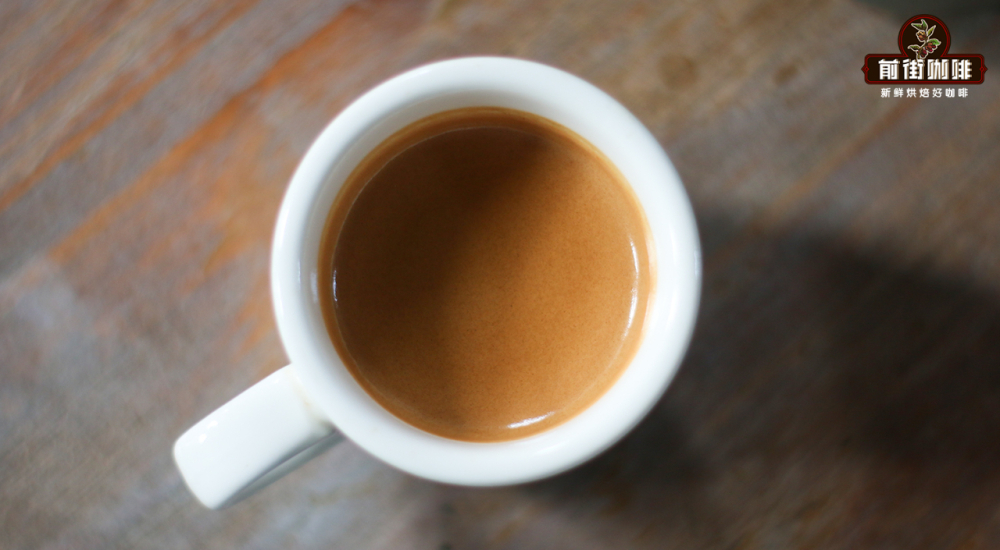
When a customer walks into a café and orders an “espresso,” what is soon served is a small cup of dark coffee topped with a layer of golden-brown crema, usually accompanied by a glass of water. Though small in volume, this coffee concentrates the most essential flavor characteristics of the bean. It’s recommended to rinse your mouth with water before tasting, which helps you perceive its aroma and taste more accurately. A good espresso should have a rich and full-bodied mouthfeel, a balanced and delicate acidity-to-bitterness ratio, and a thick, velvety crema. In reality, each café may present slightly different flavors due to the choice of coffee beans and roast levels.
Many people’s first impression of espresso is often “bitter.” But in truth, this bitterness is not monotonous or unpleasant; rather, it is a complex expression accompanied by multiple aromas and layers. For example, some espresso blends based on dark roasts can bring out notes of chocolate, nuts, caramel, and even subtle hints of wine. These flavors integrate with the bold body to create the unique charm of espresso. When tasting, you can gently stir with a metal spoon to evenly mix the crema and coffee liquid. The first sip often reveals the creamy texture of the crema and the intense aroma from the roast, while subsequent sips of the coffee liquid showcase a broader range of flavors, such as nuttiness, berries, and even subtle wine-like notes. Taking a sip of water midway can help refresh your palate and more clearly appreciate the sweet aftertaste.
So, what makes espresso so unique? Its Chinese name already reveals its origin — “Italian-style concentrated,” referring to the high-concentration extraction method originating from Italy. In fact, the word “espresso” in Italian itself means “fast,” because from preparation to serving, it often takes just a few minutes. Its most distinctive feature is the use of high pressure (typically nine atmospheres or more) and high water temperature (around 90°C), together with extremely fine coffee grounds, allowing water to quickly penetrate the coffee puck and extract a concentrated coffee liquid rich in flavor and aroma. Precisely because of this process, every drop of espresso is packed with the essence of the coffee — intense in flavor and distinctly layered.
A perfect espresso should display a beautiful layer of golden crema, fine and smooth, often with subtle amber streaks. This is not only a visual treat but also one of the indicators of successful extraction. However, achieving such an ideal state requires the barista to precisely control multiple parameters, including the grind size of the coffee, the tamp pressure, extraction time, and water temperature. Even slight deviations can lead to over-extraction or under-extraction, thus affecting the final flavor profile.
Theoretically speaking, espresso is not limited to any specific type of coffee bean or roast level, but due to its high-pressure, high-temperature extraction environment and extremely fine grind, various flavor compounds become highly concentrated. If light-roasted beans are used, the bright fruity and sweet notes that shine in pour-over may turn into overly sharp acidity in espresso; meanwhile, the originally rich body might become burnt and bitter due to over-extraction. Therefore, most professional cafés opt for specially blended espresso beans to stabilize the extraction results and achieve a well-balanced espresso flavor.

For coffee lovers who enjoy bold and rich flavors, it’s recommended to choose espresso blends primarily based on dark roasts. These beans are typically a mix of beans from different regions, such as Brazil, Indonesia, and Vietnam. With proper roasting and blending, they can deliver intense notes of chocolate, nuts, and caramel. They’re not only suitable for making pure espresso but also ideal for preparing various milk-based coffees like lattes or cappuccinos. Moreover, such blends tend to produce a thick and fine crema, enhancing both visual appeal and overall drinking experience.
In summary, the bitterness of espresso is not a flaw, but a natural expression of its concentrated nature. By understanding its extraction principles and flavor composition, and mastering the correct parameter settings and tasting methods, you can truly appreciate the boundless charm hidden within this small yet exquisite cup of black coffee. Whether you’re a beginner just stepping into the world of coffee or an enthusiast with some experience, delving deeper into the making and appreciation of espresso can bring a whole new level of depth and enjoyment to your coffee experience.
The above content is compiled by CoffeeHunters, a coffee news website.


