








Introduction:Delve into the Huākuí (Houkai) coffee beans from Ethiopia’s Sidama region, exploring everything from the natural sun-dried processing method to the flavor evolution across different vintages, along with practical V60, Kalita Wave, and wedge-shaped filter brew parameters. Help coffee enthusiasts master the characteristics of this fruit-forward specialty bean and elevate their extraction performance.
In recent years, Huākuí coffee beans have emerged prominently in the global specialty coffee market, with their signature strawberry cream profile leaving a lasting impression. However, many drinkers have noticed subtle differences in flavor between vintages, leading to a common question: why does the same coffee bean exhibit varying flavor profiles? This article will start with the sun-dried processing characteristics of the Sidama region, analyze the cupping performances of Huākuí G1, 2.0, 3.0, 3.1, and 4.0 batches, and share practical pour-over brewing recommendations to give you a comprehensive understanding of this highly acclaimed coffee bean.
First, we need to understand that coffee, as an agricultural product, is inherently significantly influenced by the natural environment. Climate conditions, soil composition, rainfall, and cultivation methods can all affect the final cup profile. Cupping experience from a well-known coffee brand shows that even coffee beans from the same region may exhibit slight fluctuations in acidity, sweetness, and aroma profiles from year to year due to weather changes. Therefore, the minor adjustments in Huākuí flavors are not exceptions but rather a natural phenomenon of agricultural production. This is also why specialty coffee shops need to conduct regular cuppings to ensure each batch of beans can showcase its optimal flavor characteristics.
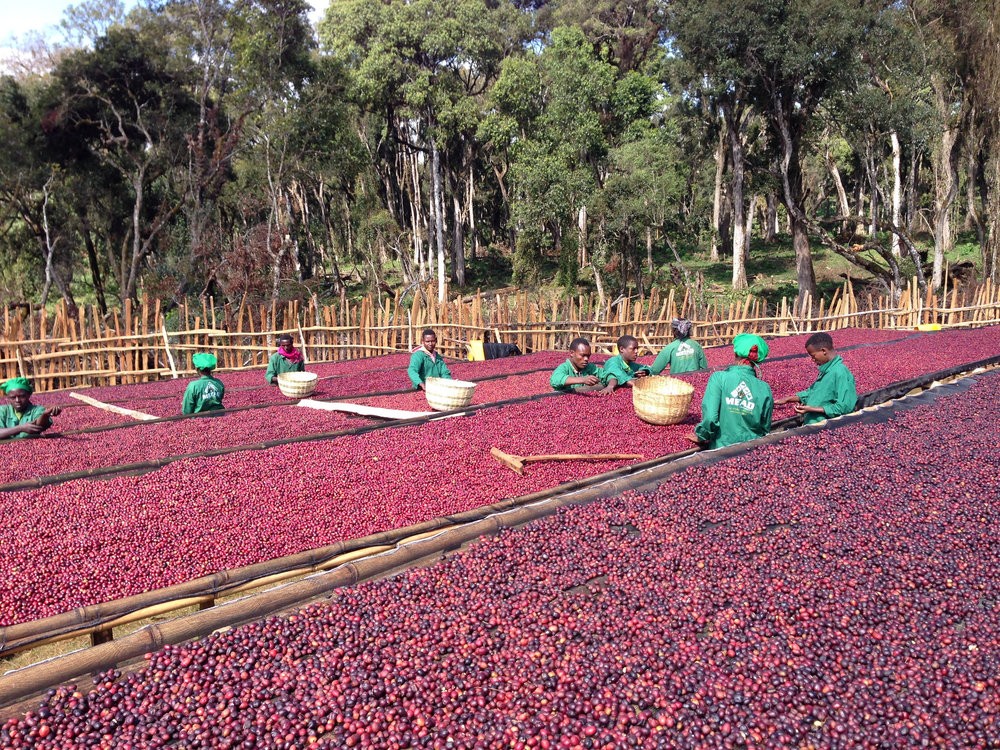
Huākuí coffee beans originate from Ethiopia’s Sidama region, renowned for producing coffee with complex and layered flavors. In fact, well-known regions such as Yirgacheffe and Guji were originally part of Sidama. Within Sidama’s traditional coffee processing methods, the natural (sun-dried) method holds an important position. Compared to the clean acidity brought by washed processing, Sidama’s natural process imparts a richer mouthfeel and softer acidity, with berry notes often more pronounced than citrus aromas.
In actual cupping sessions, a well-known coffee brand used a standard 200ml cupping bowl, with a grind size set to 70%-75% passing through a standard #20 sieve, a dose of 11.3g, and water temperature controlled at 94°C. By sniffing the dry fragrance, observing the wet aroma during pouring, followed by a 4-minute blooming and crack process, and finally conducting flavor evaluation, they systematically captured the unique traits of each Huākuí batch.
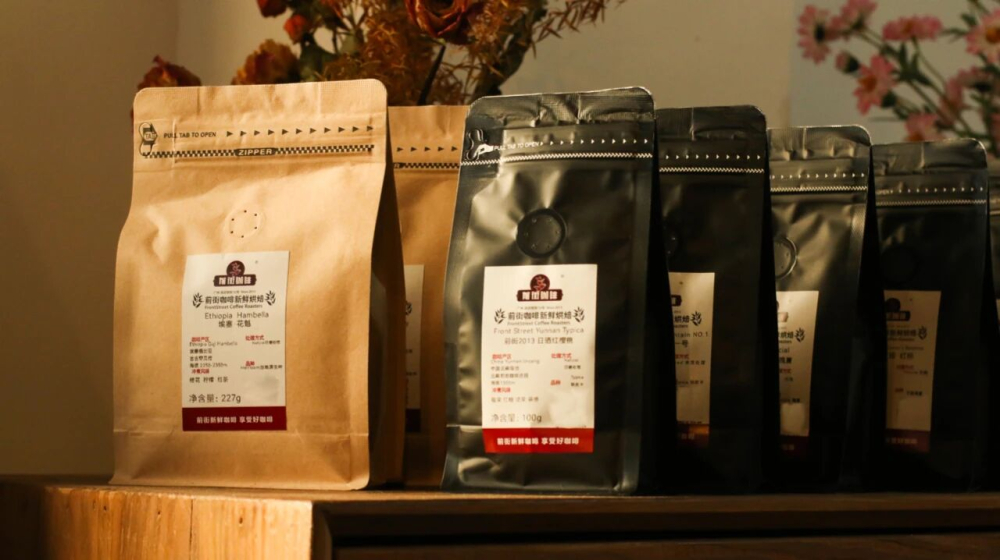
The cupping results showed that Huākuí G1 has a silky mouthfeel and fermented wine-like aroma, with acidity akin to passionfruit, showcasing classic Huākuí characteristics; Huākuí 2.0 has a refreshing taste, with clear berry acidity and gentle nutty notes; Huākuí 3.0 presents a delicate strawberry jam profile, with a slight astringency reminiscent of black tea making its sweetness somewhat restrained; Huākuí 3.1 excels in showcasing intense floral notes, with intertwined cream and tropical fruit flavors, and a long-lasting caramel aftertaste; as for Huākuí 4.0, it features bright citrus acidity, juicy berry fruitiness, paired with the tea-like essence of lemon black tea, and a richly layered sweetness.
These flavor differences mainly stem from the beans originating from different farms and processing stations. Among them, only the natural beans produced by the Buku Abel processing station are officially named Huākuí, while others are sequentially labeled as 2.0, 3.0, and 3.1. The name Huākuí comes from a Chinese translation, echoing its rich strawberry cream flavor and carrying the hope for future process refinement, aspiring for it to rival Geisha coffee.
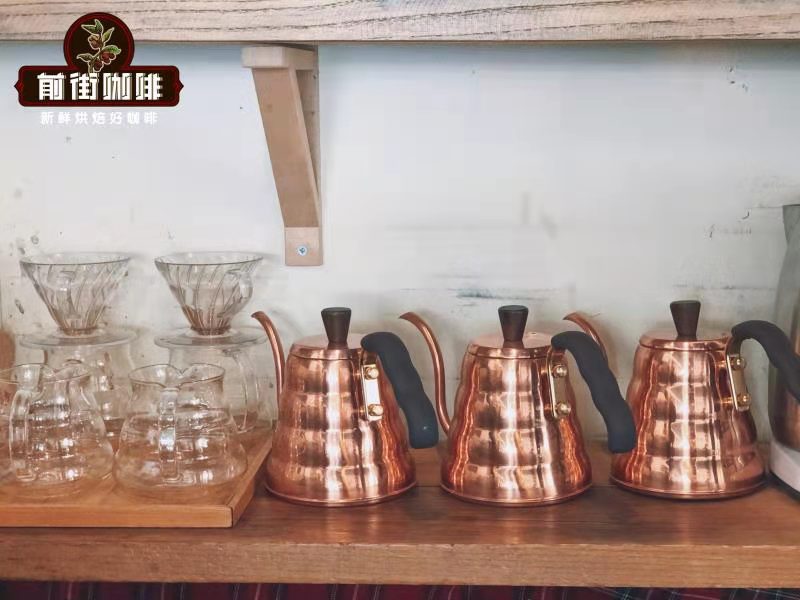
In terms of brewing, to fully highlight the layered profile of Huākuí coffee, it is recommended to use slightly higher water temperature and finer grind size, paired with a filter cone that offers excellent flow rate, such as the V60. The V60’s 60-degree conical design effectively concentrates the distribution of coffee grounds, with water naturally flowing toward the center. Coupled with its spiral ribs and large bottom hole, it ensures stable flow rate and even extraction. Suggested tested parameters: V60 filter cone, water temperature 90°C, coffee-to-water ratio 1:15, dose 15g, grind size at 80% passing through a Chinese #20 sieve.
Of course, you can also try using the Kalita Wave or wedge-shaped filter. In practical tests, a segmented brewing method (30g water bloom for 30 seconds; small circular pour to 125g, then wait for the water level to drop before pouring to 225g, total brew time around 2 minutes) can stably present Huākuí’s multi-layered flavors. When using the Kalita Wave, the entry is smooth with prominent fermented berry aromas, and as the temperature drops, the strawberry’s sweet-sour notes become more pronounced; the wedge-shaped filter enhances body, with clear passionfruit and strawberry acidity, and a lingering peachy sweetness in the aftertaste, featuring a round and full body.
In summary, Huākuí coffee beans, with their varied yet consistent berry-forward profile, have become a favorite among many coffee enthusiasts. By understanding the characteristics of different vintages and batches, and pairing them with suitable brewing equipment and parameters, you’ll be able to more fully appreciate this premium Sidama natural-processed coffee, exploring its rich layers—from cantaloupe and jackfruit to berries and caramel.
The above content is compiled by CoffeeHunters, a coffee news website.


