







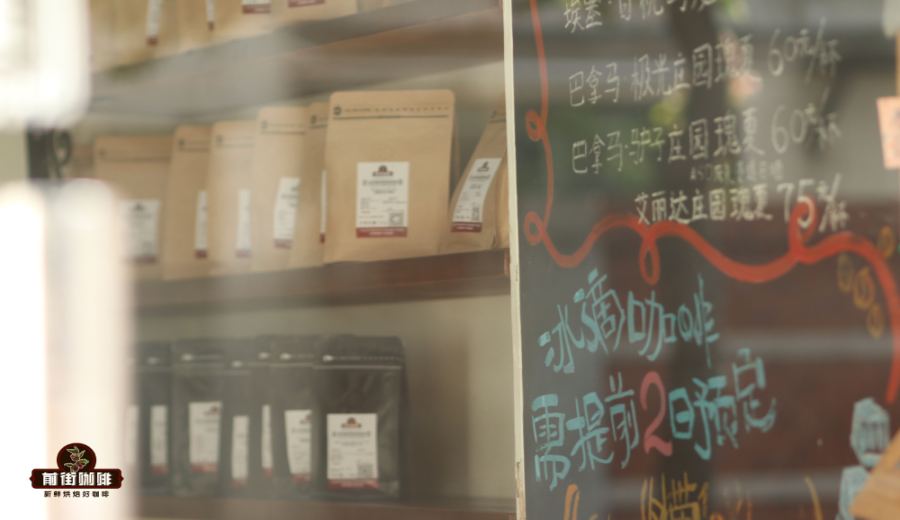
Introduction:Cold drip coffee extracts a rich and smooth flavor through a low-temperature slow brewing process, making it highly favored by coffee enthusiasts who prefer a less bitter and astringent taste. However, its lengthy brewing time and the need for specialized equipment often deter many from making it at home. This article will delve into the unique flavor profile of cold drip coffee, the structural differences between two main types of cold drip brewers, practical water-to-coffee ratio and drip rate recommendations, as well as suggestions for suitable coffee beans, helping you master key techniques to brew clean and layered cold drip coffee at home.
Cold drip coffee works by allowing ice water to slowly drip through a bed of coffee grounds. The low brewing temperature effectively suppresses the release of astringent compounds, while the secondary filtration during the dripping process results in a final cup that is rich, smooth, and virtually free of bitterness. That’s why, despite requiring 4 to 12 hours to brew, it remains beloved by those who seek nuanced flavors.
The reason cold drip coffee often comes with a higher price tagis not only due to the time and labor involved, but also because of the cost of the dedicated equipment — the cold drip brewer — which is relatively expensive and cannot be replaced by simple containers like those used for cold brew. Additionally, the limited batch size per brew further raises the per-cup cost.
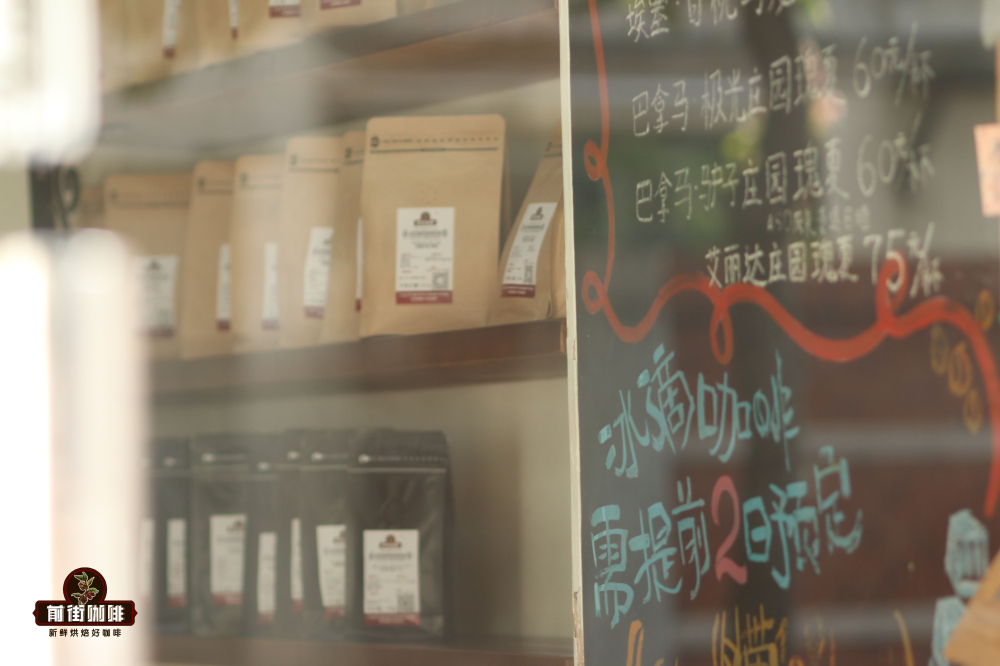
Unlike regular iced coffee, cold drip coffee utilizes ice water dripping drop by drop through coffee grounds to slowly extract flavors. This low-temperature extraction method preserves the coffee's acidic and aromatic compounds well, while avoiding the excessive bitterness and impurities often brought out by high temperatures. As a result, regardless of the roast level of the coffee beans used, cold drip coffee typically exhibits a rich, full-bodied, and smooth character.
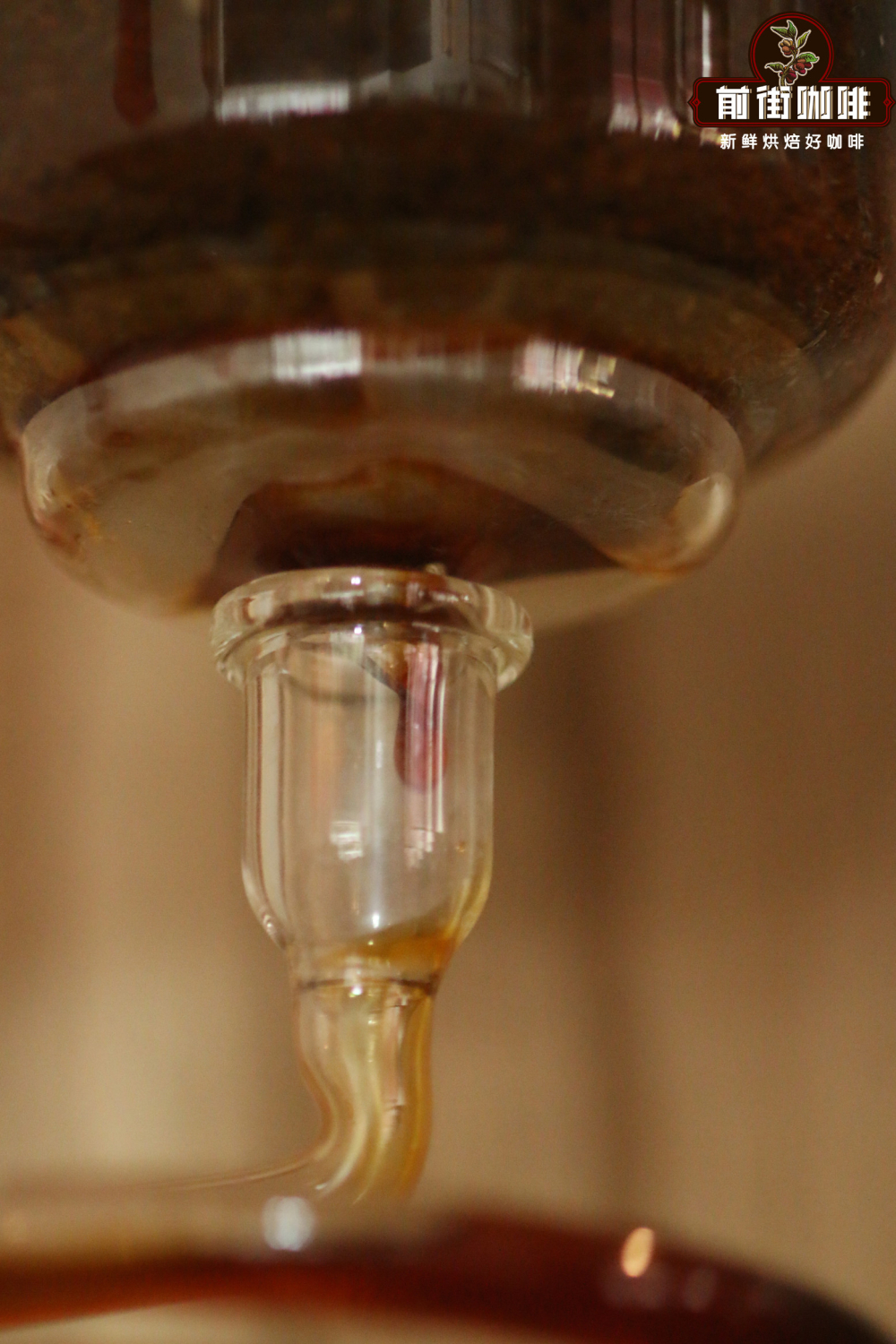
Currently, the most common types of cold drip brewers on the market fall into two main categories:One is the basic setup consisting of an "ice container + coffee grounds chamber + coffee brewer";The other includes a coil design, namely an "ice container + coffee grounds chamber + coil + coffee brewer". The coil serves to extend the flow path of the coffee liquid, allowing coffee grounds to settle further and resulting in a clearer brew with a cleaner taste. For first-time home brewers, the basic model is recommended, but if you’re aiming for maximum clarity, you might consider the advanced coil model.
In the basic model, the ice container holds the ice-water mixture and usually features a small hole at the top to adjust the drip rate. Some versions even come with a valve for more precise control over the dripping speed. It is recommended to maintain a drip rate ofabout 7 to 8 drops every 10 seconds. Too fast can lead to uneven extraction, while too slow may affect the overall efficiency of flavor extraction. It’s also important to periodically check whether the dripping hole is clogged by debris and to replenish ice as needed to ensure that what drips down is ice water, not room-temperature water.
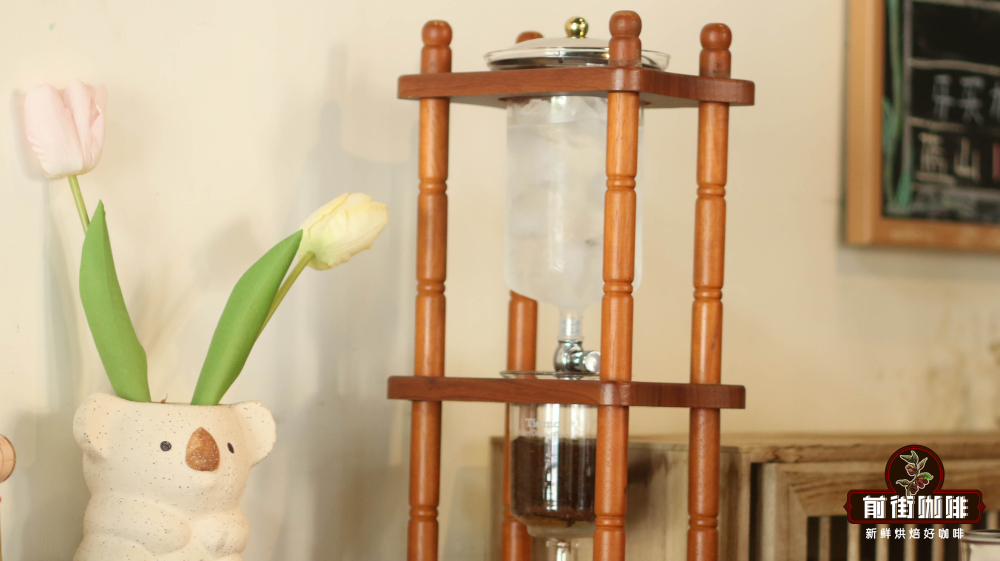
The coffee grounds chamber is used to hold the ground coffee. Depending on the design, some require an additional round filter paper, while others have a built-in filter. If using a model that requires filter paper, it’s recommended to first place a moistened filter paper snug against the walls of the chamber, then add a dry filter paper on top for added support, preventing the coffee grounds from collapsing the filter and causing filtration failure.
Regardless of the type of coffee grounds chamber used,when laying out the coffee grounds layer, simply level it gently without compacting it, as compacting can impede water flow and lead to uneven extraction. After leveling the grounds, it is recommended to place another round filter paper on top to help distribute the water evenly and avoid over- or under-extraction in certain spots. As for grind size,for light to medium roasted beans, a medium-fine grind is suggested (around the coarseness of superfine sugar, or about 75% passing rate through a Chinese No. 20 sieve);for medium to dark roasted beans, a medium grind is recommended (like the coarseness of white sugar, with about a 70% passing rate), as this helps effectively release flavors in a low-temperature environment.
The coffee brewer is responsible for collecting the final extracted coffee liquid. It’s advisable to keep the brewer clean and free of oil residue, and to collect the coffee liquid at room temperature to avoid temperature fluctuations affecting the flavor profile.
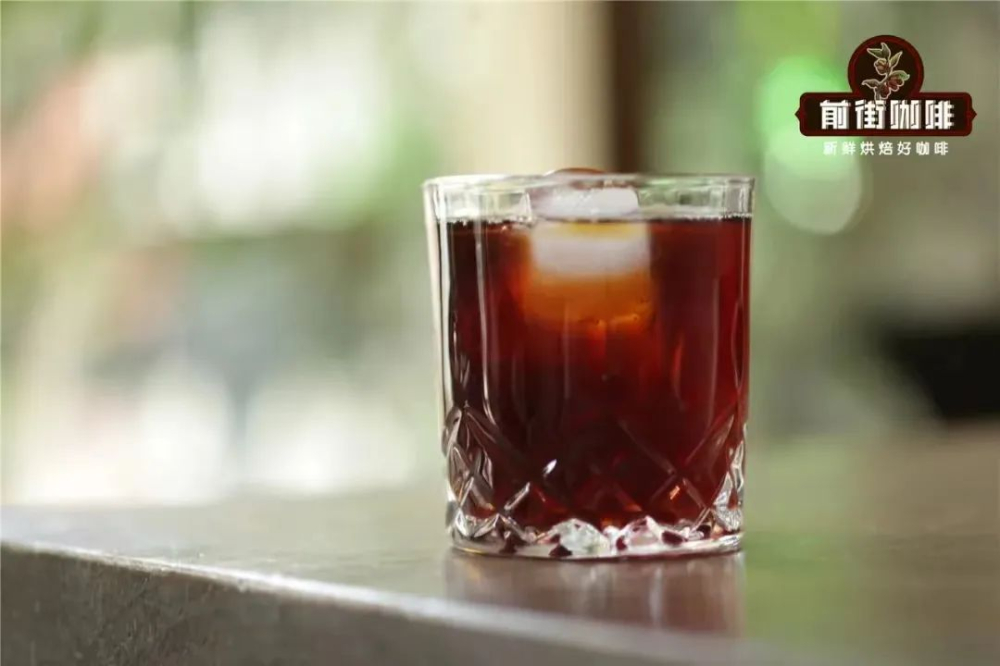
Based on practical brewing experience shared by users,the recommended water-to-coffee ratio is 1:10, meaning 60 grams of coffee grounds to 600 milliliters of ice water. First, place a moistened filter paper at the bottom of the coffee grounds chamber and ensure it adheres well to the walls, then add the coffee grounds and gently level the surface before placing another filter paper on top. Next, it’s recommended to perform a “pre-wetting” step by using ice water to moisten the coffee grounds first, similar to the blooming step in pour over, which helps improve extraction stability and flavor consistency.
After pre-wetting, fill the water container with a 1:1 ice water mixture, adjust the drip rate toaround 7 drops every 10 seconds, and then wait for the cold drip process to complete. Throughout the process, periodically observe the dripping speed and the melting condition of the ice, and add more ice as necessary to maintain a consistent flow of ice water.
Once the coffee liquid has finished brewing, it’s recommended to pour it into a sealed glass container and let it refrigerate overnight. This allows the flavors to further integrate, resulting in a smoother and more mellow taste.
As for suitable coffee beans for cold drip, since low-temperature extraction doesn’t easily bring out heavy body, it’s recommended to choose beans with bright acidity and sweet notes. For example, light-roasted beans from Africa or Central and South America often feature vibrant notes of berries, fruit juice, or dried fruit, which complement the clean profile of cold drip. Beans with berry juice-like characteristics, floral-tea-toned Gesha blends, or fruit-preserves-flavored varieties are all excellent choices for cold drip coffee, capable of showcasing delicate and layered flavor profiles.
The above content is compiled by CoffeeHunters, a coffee news website.


